Modern jacuzzi bathtubs represent a significant evolution from their traditional predecessors, blending therapeutic hydrotherapy with contemporary design aesthetics. Unlike standard soaking tubs that rely solely on standing water, today's jacuzzi models integrate advanced jet systems, precision temperature controls, and smart features that deliver a genuinely transformative bathing experience. These innovations don't just enhance comfort—they fundamentally reshape how homeowners approach relaxation and wellness within their own spaces.
Quick Answer:
Modern jacuzzi bathtubs are equipped with programmable jet systems, heated water circulation, and ergonomic seating that deliver therapeutic massage benefits directly in your home. Their primary advantage is creating a personal spa sanctuary that promotes muscle relaxation, stress relief, and improved circulation—transforming your bathroom into a wellness destination while maximizing the value of your living space.
What sets contemporary jacuzzi bathtubs apart is their engineering precision and accessibility. Where older models were bulky, difficult to maintain, and consumed excessive energy, modern variants feature efficient pumps, whisper-quiet operation, and intuitive controls that anyone can master. Many include customizable jet intensity, chromotherapy lighting, aromatherapy diffusers, and even integrated sound systems—all designed to elevate your daily routine beyond basic hygiene into genuine self-care.
The strategic placement of a jacuzzi bathtub during a home remodel creates more space for the important things in life—particularly those moments of solitude and rejuvenation that modern living often demands. Whether you're renovating a primary bathroom or creating a guest retreat, understanding what distinguishes premium modern jacuzzi options helps ensure your investment delivers lasting satisfaction.
This article explores the top modern jacuzzi bathtubs available in 2025, examines critical features that separate exceptional models from mediocre ones, provides practical installation guidance, and offers expert recommendations aligned with various budgets and spatial constraints. By the end, you'll understand exactly which jacuzzi system matches your needs and how to integrate it seamlessly into your home remodel vision.
Table of Contents
- Key Features That Define Today's Jacuzzi Bathtub Technology
- Top 5 Modern Jacuzzi Bathtub Styles and Designs for 2025
- Material Choices That Impact Durability and Maintenance
- Installation Considerations for Your Bathroom Remodel
- Maintenance and Care Tips for Long-Lasting Performance
- Budget Planning: Price Ranges and Value Considerations
- Design Integration: Making Your Jacuzzi Tub the Centerpiece
- Frequently Asked Questions About Modern Jacuzzi Bathtubs
- Creating Your Ideal Spa Experience: Next Steps for Your Remodel
Key Features That Define Today’s Jacuzzi Bathtub Technology
Modern jacuzzi bathtubs represent a quantum leap from their predecessors, combining engineering precision with user-centric design. The core distinction lies not in a single innovation but in how manufacturers have systematized multiple technologies to create genuinely therapeutic experiences. Understanding these features transforms how you evaluate options for your home remodel.
Advanced Jet Systems and Water Dynamics
Contemporary jacuzzi models employ sophisticated jet configurations that deliver massage therapy at varying intensities. According to Jacuzzi's official specifications, proprietary PowerPro® Jets feature patented 360-degree air induction that produces high-volume, low-pressure massage for deeper muscle penetration without the discomfort of older, pressure-focused designs. This distinction matters significantly—older systems often caused water turbulence that felt chaotic rather than therapeutic. Modern variants allow independent control of jet zones, meaning you can target specific muscle groups simultaneously. Some premium models include adjustable nozzle angles and rotating jet patterns that simulate professional hydrotherapy treatments.
Intelligent Temperature and Heating Control
Today's jacuzzi bathtubs maintain water temperature with remarkable precision through advanced thermostatic controls and efficient heating elements. Rather than the energy-draining systems of decades past, contemporary models use insulated shells, high-efficiency heaters, and smart temperature sensors that prevent overheating while minimizing energy consumption. Many systems allow you to preset desired temperatures and maintain them automatically, eliminating the guesswork and waste associated with manual adjustment.
Smart Connectivity and Automation
Perhaps the most transformative feature separating modern jacuzzi systems from conventional bathtubs is integrated smart technology. SmartTub® connectivity enables remote monitoring and control via smartphone applications, allowing you to adjust jet intensity, heating, lighting, and filtration cycles before you even enter the bathroom. Automated cleaning cycles run on schedules you establish, maintaining water quality without manual intervention. These systems integrate with home automation platforms, creating seamless coordination with your broader smart home infrastructure.
Premium Materials and Durability
Modern jacuzzi bathtubs utilize acrylic composites, reinforced fiberglass, and stone-polymer surfaces that resist staining, scratching, and bacterial growth far more effectively than older materials. The construction methods have evolved to prevent the warping and stress cracking that plagued earlier models. High-quality drain systems and circulation pumps operate virtually silently—a marked improvement over the mechanical noise that once accompanied jet activation.
Integrated Wellness Features
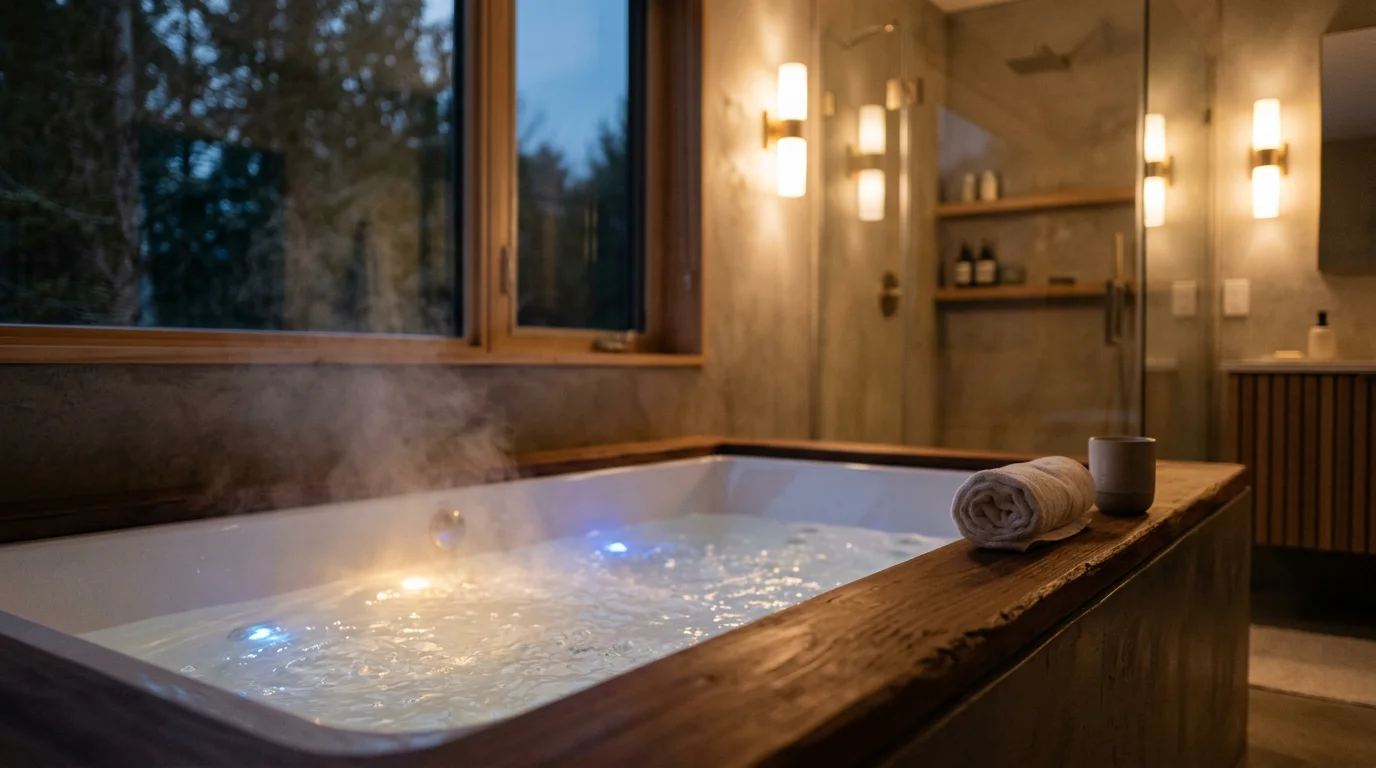
Beyond basic jet massage, contemporary models incorporate chromotherapy lighting systems that use color wavelengths to promote relaxation, aromatherapy diffusers that disperse essential oils throughout the water, and integrated audio systems with waterproof speakers. These elements transform a functional bathtub into a multi-sensory wellness environment, addressing the comprehensive self-care needs that modern homeowners increasingly prioritize during home remodels.
Top 5 Modern Jacuzzi Bathtub Styles and Designs for 2025
The contemporary jacuzzi bathtub market has evolved far beyond the one-size-fits-all approach of previous decades. Today's homeowners can select from distinct design philosophies, each addressing specific aesthetic preferences, spatial constraints, and wellness goals. Understanding these five primary styles—contemporary minimalist, luxury spa-inspired, compact urban, freestanding sculptural, and integrated smart wellness—empowers you to align your bathtub selection with your broader remodeling vision and daily living patterns.
| Style | Typical Dimensions | Best-Suited Bathrooms | Key Design Features | Ideal Use Case |
|---|---|---|---|---|
| Contemporary Minimalist | 60"–72" L × 30"–36" W | Master baths with modern finishes | Clean lines, neutral tones, integrated controls, slim jet profiles | Sleek home aesthetics, daily relaxation |
| Luxury Spa-Inspired | 72"–84" L × 40"–48" W | Large ensuite bathrooms | Stone accents, heated surfaces, mood lighting, premium materials | Therapeutic retreats, extended wellness sessions |
| Compact Urban | 48"–60" L × 28"–32" W | Apartments, secondary bathrooms | Space-efficient footprint, wall-mounted jets, corner placement options | Small footprint homes, functional luxury |
| Freestanding Sculptural | 70"–80" L × 35"–44" W | Open-concept bathroom layouts | Bold geometric forms, visible plumbing, artistic silhouettes | Bathroom focal points, statement design |
| Integrated Smart Wellness | 66"–78" L × 36"–42" W | Tech-forward master baths | Chromotherapy, aromatherapy diffusers, app controls, waterproof speakers | Connected home ecosystems, personalized routines |
Contemporary Minimalist Design represents the intersection of form and function that appeals to homeowners prioritizing visual restraint. These bathtubs feature recessed jet nozzles that disappear when inactive, flush-mount control panels, and geometric precision that integrates seamlessly with modern bathroom tile and cabinetry. The aesthetic philosophy here emphasizes negative space—the tub itself becomes part of a larger design narrative rather than commanding visual attention. This style works particularly well in bathrooms with monochromatic color schemes, polished concrete, or light oak finishes, where the jacuzzi bathtub serves as a functional element rather than a decorative showpiece.
Luxury Spa-Inspired Models take the opposite approach, celebrating the bathtub as an architectural statement. These designs often incorporate heated acrylic or stone-composite shells, wraparound armrests, and integrated shelving for candles and aromatherapy products. Dimensions tend toward the generous side—often accommodating two adults comfortably—with strategically positioned jets targeting neck, shoulder, and lower back tension points. The inclusion of chromotherapy lighting systems with customizable color sequences transforms bathing into a multisensory ritual. These bathtubs demand spacious bathrooms with strong ventilation and dedicated electrical circuits; they're designed for homeowners who view their bathroom as a personal wellness sanctuary rather than a utilitarian space.
Compact Urban Designs address the reality of space-constrained homes without sacrificing hydrotherapy benefits. Manufacturers have engineered these smaller models—often 48 to 60 inches in length—with strategically placed jets that deliver full-body massage despite the reduced footprint. Many feature corner installation capabilities, allowing the tub to nestle into bathroom alcoves and maximize usable floor space. These jacuzzi tub ideas prove particularly valuable in urban apartments, guest bathrooms, or homes where traditional full-size models would overwhelm the layout. The trade-off involves slightly reduced water capacity and fewer simultaneous jet zones, but modern engineering ensures therapeutic effectiveness remains intact.
Freestanding Sculptural Models appeal to design-forward homeowners who view the bathtub as bathroom jewelry. These pieces feature organic curves, angular contemporary forms, or minimalist geometric silhouettes that command visual attention. Unlike built-in models, freestanding designs expose all sides, allowing the shell material—whether glossy acrylic, matte composite, or textured stone polymer—to become a design element in its own right. Installation typically requires open bathroom layouts with adequate floor support and visibility from multiple sightlines. These models work exceptionally well in master bathroom remodels where the tub occupies a prominent position, visible from the bedroom or through glass partitions.
Integrated Smart Wellness Bathtubs represent the intersection of hydrotherapy and home automation. These premium models connect directly to your smartphone or home assistant platform, enabling preset routines that coordinate jet intensity, water temperature, lighting color, and audio simultaneously. Some units include built-in aromatherapy diffusers that disperse essential oils through the water circulation system, while others offer voice-activated controls that adjust settings without requiring you to reach a panel. This category appeals to homeowners building connected homes where bathroom automation aligns with broader smart-home infrastructure. When planning a modern remodel, consulting with specialists like WAREMODEL can help you evaluate whether integrated smart systems justify the additional investment for your specific lifestyle and technological comfort level.
Each style presents distinct installation requirements, maintenance considerations, and long-term durability profiles. Your selection should account not only for aesthetic alignment with your bathroom finishes but also for practical factors including available space, electrical capacity, plumbing access, and how intensively you'll use the hydrotherapy features. The investment in a modern jacuzzi bathtub typically ranges from $3,000 to $15,000 depending on size, materials, and integrated features—making this decision worthy of careful consideration alongside your broader remodeling budget and timeline.
Material Choices That Impact Durability and Maintenance
The material you select for your jacuzzi bathtub fundamentally shapes its longevity, maintenance demands, and thermal performance. While aesthetics matter, the underlying composition determines whether your investment remains a centerpiece of luxury or becomes a source of frustration within five years. Understanding the strengths and limitations of each material category empowers you to make a decision aligned with both your bathroom environment and lifestyle expectations.
Acrylic remains the most accessible entry point into modern jacuzzi bathtub ownership. This lightweight thermoplastic material offers excellent heat retention, keeping water warm longer and reducing energy costs compared to metal alternatives. Acrylic is non-porous, which prevents bacterial growth and simplifies cleaning—a significant advantage for frequent users. However, acrylic surfaces can scratch and develop hairline cracks under thermal stress, particularly in homes with fluctuating water temperatures. According to Magnus Home Products, acrylic bathtubs typically maintain their structural integrity for 10-15 years with proper care, making them a practical choice for those planning to remodel bathrooms on a moderate timeline.
Stone resin (also called composite resin) represents a significant step up in durability and aesthetic sophistication. This engineered material combines crushed stone particles with polyester resin, creating a surface that mimics natural stone while offering superior resistance to impact and thermal shock. Stone resin bathtubs maintain warmth exceptionally well and resist discoloration from mineral deposits and bath products. The material's thickness—typically 18-25mm according to Aquaroc Bathrooms—contributes to its structural rigidity and extended lifespan of 15-20 years. This durability premium does come with higher cost and increased weight, requiring reinforced bathroom flooring and professional installation.
Fiberglass offers a middle ground between acrylic and stone resin in terms of cost and performance. While durable and lightweight, fiberglass can develop surface cracks over time, particularly around high-stress areas where jets are concentrated. The material's porous nature requires more frequent sealing to prevent water absorption and mold growth within the structural layers. For homeowners seeking budget-conscious solutions without sacrificing essential features, fiberglass delivers adequate performance over 10-12 years.
| Material | Lifespan | Heat Retention | Maintenance Effort | Cost Range | Best For |
|---|---|---|---|---|---|
| Acrylic | 10-15 years | Excellent | Low | $3,000–$7,000 | Budget-conscious buyers, frequent users |
| Stone Resin | 15-20 years | Exceptional | Moderate | $7,000–$12,000 | Long-term investment, luxury aesthetic |
| Fiberglass | 10-12 years | Good | Moderate-High | $4,000–$8,000 | Secondary bathrooms, rental properties |
| Composite Blends | 12-18 years | Very Good | Low-Moderate | $6,000–$10,000 | Balanced durability and style |
Beyond material selection, maintenance requirements directly impact ownership satisfaction. Acrylic and stone resin demand regular but straightforward care—gentle cleaning with non-abrasive products and periodic jet system flushing. Fiberglass requires more vigilant attention to prevent moisture penetration. When planning your remodel with specialists like WAREMODEL, discuss how your chosen material integrates with your home's humidity levels, water hardness, and usage frequency. Hard water regions, for instance, benefit from stone resin's superior mineral-deposit resistance, while consistently dry climates may justify acrylic's lower cost. The material decision ultimately reflects your commitment level: quick-turnover properties favor fiberglass efficiency, while permanent residences reward stone resin's extended durability and refined appearance.
Installation Considerations for Your Bathroom Remodel
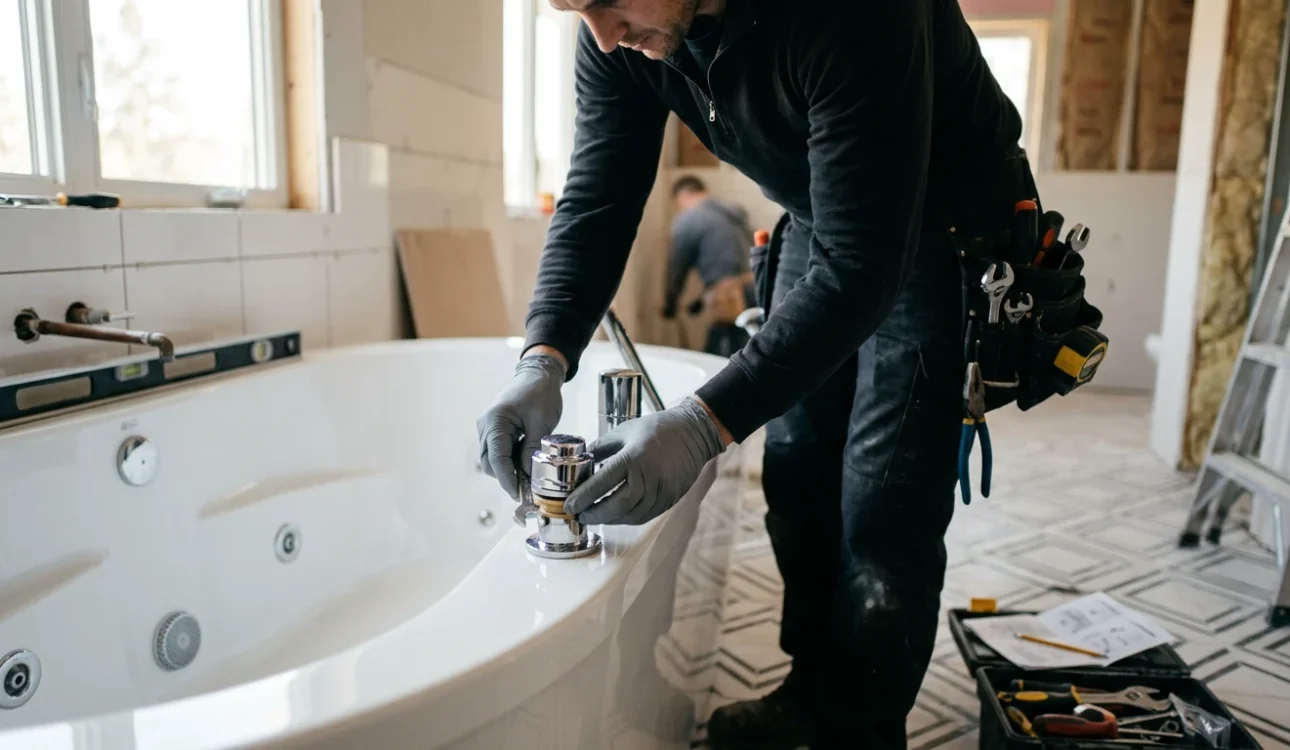
Installing a modern jacuzzi bathtub demands far more than simply placing a fixture in an existing bathroom. The transition from standard tub to hydrotherapy-equipped soaking vessel introduces structural, electrical, and plumbing requirements that fundamentally reshape your remodeling timeline and budget. Understanding these technical demands before breaking ground separates a seamless installation from costly mid-project discoveries.
Electrical Requirements and Safety
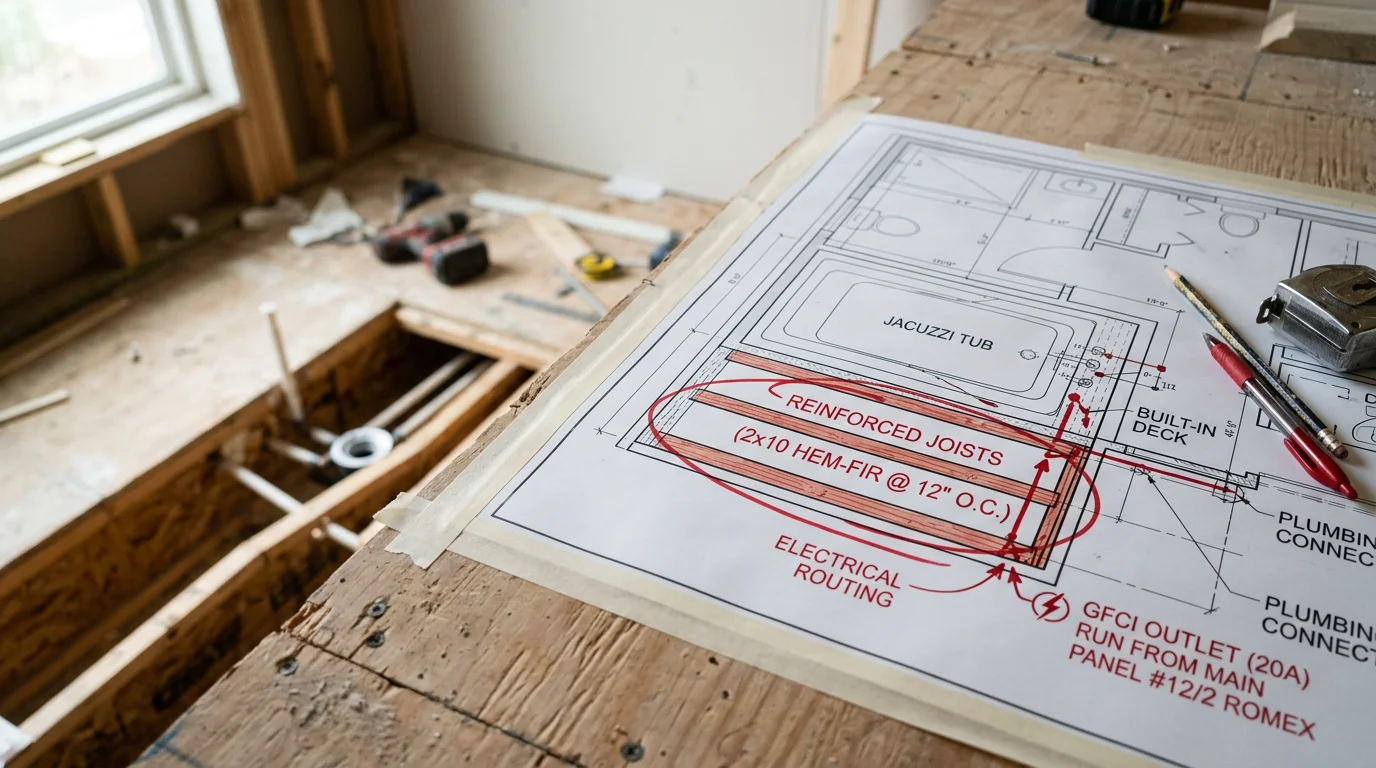
Modern jacuzzi bathtubs require dedicated GFCI-protected circuits, with most traditional models needing 240-volt/50-amp service for safe electrical operation, according to Master Spas' installation guidelines. This isn't negotiable—the jets, heating elements, and control systems demand substantial power delivery. Your home's existing electrical panel may lack sufficient capacity, necessitating a service upgrade before installation begins. A licensed electrician must assess your current infrastructure and determine whether you need additional breaker capacity. Budget roughly 2–4 weeks for electrical permits and installation, and expect costs ranging from $1,500 to $3,500 for panel upgrades alone. Skip this step, and you risk equipment damage, fire hazards, or system failures within months.
Plumbing Simplicity With Strategic Planning
Contrary to common misconception, no special plumbing is required to install jacuzzi hot tubs—they can simply be filled with a garden hose and water balanced as needed. However, this simplicity doesn't eliminate planning requirements. You must locate the tub near accessible water supply lines and ensure adequate drainage capacity. Drain placement matters significantly; jacuzzi bathtubs typically hold 50–80 gallons and need reliable slope toward your home's main drain line. If your bathroom's existing drain infrastructure sits far from the proposed tub location, relocating plumbing can easily exceed $2,000. Additionally, hard water conditions demand consideration—mineral deposits accumulate faster in jet systems, requiring more frequent flushing cycles and descaling treatments.
Structural Support and Floor Reinforcement
A filled jacuzzi bathtub weighs 500–1,200 pounds depending on material and capacity. Most bathroom floors, designed for standard 50–150 pound fixtures, lack adequate support. Structural engineers often recommend reinforcing floor joists with additional support beams beneath the tub's footprint. This typically costs $800–$2,500 and requires temporary floor removal. Failure to address structural inadequacy results in sagging floors, cracked tile, plumbing stress, and eventual system failure. Stone resin and cast iron models demand more robust support than lighter acrylic alternatives—factor this into your material selection decisions.
Ventilation and Humidity Management
Jacuzzi bathtubs generate substantial steam and moisture during use. Existing bathroom exhaust fans rarely handle this volume adequately. Most installations require upgrading to commercial-grade ventilation systems capable of exchanging the bathroom's entire air volume 8–12 times hourly. Install ducting that vents directly outdoors rather than into attic spaces, which promotes mold growth and structural damage. Budget $600–$1,500 for proper ventilation upgrades.
Working With Professional Contractors
When partnering with remodeling specialists like WAREMODEL, discuss these technical requirements explicitly before signing contracts. Ask contractors whether they've installed your chosen bathtub model previously. Request written specifications covering electrical upgrades, structural reinforcement details, and ventilation plans. Verify that all work complies with local building codes and includes proper permitting. A thorough pre-installation site assessment typically adds $300–$500 to project costs but prevents expensive surprises.
Maintenance and Care Tips for Long-Lasting Performance
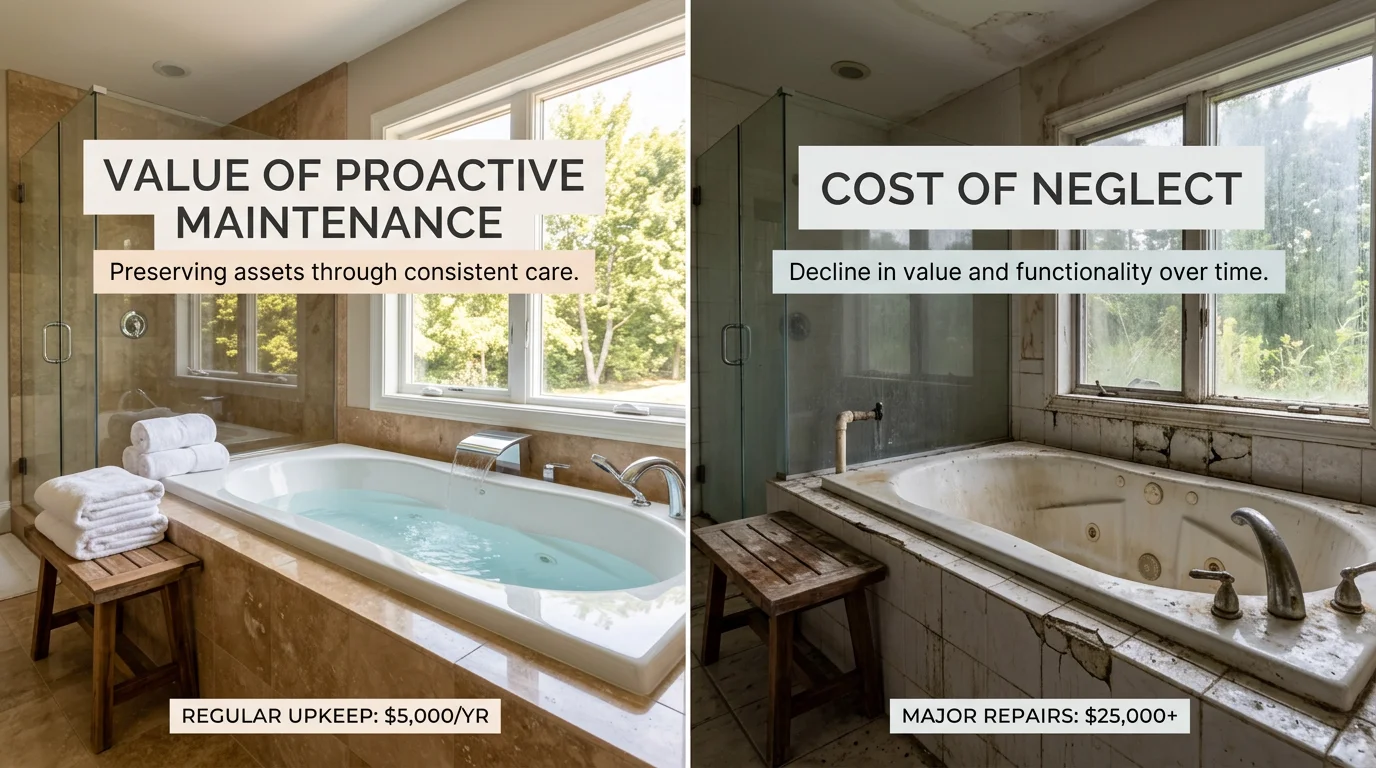
Your jacuzzi bathtub represents a substantial investment in home comfort and wellness—one that demands consistent attention to preserve its performance and extend its operational lifespan. Neglect during the early months of ownership often cascades into expensive repairs and diminished hydrotherapy effectiveness. The difference between a jacuzzi that performs flawlessly for fifteen years and one that deteriorates within five typically comes down to disciplined maintenance routines.
Weekly Cleaning and Water Management
Establish a non-negotiable weekly cleaning schedule that addresses both the tub surfaces and the water chemistry. After each use, drain the tub completely and rinse the interior with fresh water, paying particular attention to the jet openings where mineral deposits and biofilm accumulate rapidly. Wipe down acrylic or stone surfaces with a soft microfiber cloth—never use abrasive scrubbers that scratch protective finishes. For the water itself, test pH levels twice weekly using reliable test strips, maintaining a range between 7.2 and 7.8. Imbalanced water chemistry accelerates corrosion of internal plumbing components and creates an environment where bacteria and algae thrive. Add appropriate sanitizers—chlorine or bromine-based products work equally well, though bromine generates fewer harsh odors and irritants.
Filter Maintenance and Jet System Care
Your jacuzzi's filtration system works continuously to remove debris and contaminants from the water. Inspect the filter cartridge monthly and clean it with a garden hose whenever water pressure through the jets noticeably decreases. Replace the cartridge entirely every twelve to eighteen months, depending on usage frequency. Jets themselves require periodic deep cleaning to prevent clogging from mineral buildup. Run the jets at maximum pressure for five to ten minutes weekly with a commercial jet cleaner product added to the water—this forces accumulated deposits out of the nozzles and internal piping. If jets begin producing uneven or weak spray patterns despite regular maintenance, you may need professional descaling, which typically costs $200–$400.
Seasonal Care and Extended Storage
If you live in a climate with harsh winters or plan to leave your jacuzzi unused for more than a month, prepare it properly to prevent freeze damage and bacterial growth. Drain the tub completely, flush all lines with a specialized line flush product, and leave the pump running briefly to expel residual water from internal passages. Cover the tub with a fitted, breathable cover that allows moisture to escape while protecting against debris and UV exposure. When reopening the tub after storage, refill slowly while monitoring for any leaks, then run the circulation system for several minutes before adding bathers.
Proper maintenance transforms your remodeling investment into a reliable wellness feature that enhances your home's value and your daily quality of life for years to come.
Budget Planning: Price Ranges and Value Considerations
Understanding the financial commitment required for a modern jacuzzi bathtub installation demands more than glancing at fixture prices alone. The total investment encompasses the tub itself, labor, plumbing modifications, electrical work, and ancillary materials—each contributing meaningfully to your bottom line. According to research from This Old House, a typical jacuzzi bath remodel ranges between $11,000 and $20,000 total, with standard tub replacements starting around $11,000 and full bathroom remodels with premium features reaching $20,000 or more.
Breaking down the fixture cost alone reveals three distinct market tiers. Entry-level models with basic jet systems and minimal smart features begin around $1,500, making them accessible for budget-conscious homeowners willing to accept fundamental hydrotherapy functionality without technological bells. Mid-range units, positioned between $3,000 and $6,000, introduce enhanced jet configurations, superior insulation, chromotherapy lighting, and integrated sound systems—the sweet spot for most residential applications seeking genuine therapeutic benefit without extravagance. Premium models exceed $8,000, featuring advanced technologies like heated seating surfaces, aromatherapy dispensers, smartphone-controlled jet patterns, and luxury materials such as stone or composite finishes that elevate the bathroom into a personal wellness sanctuary.
Installation labor comprises approximately one-third of your total budget, a substantial expense that homeowners often underestimate. Bathtub installation alone runs $1,200–$3,000 depending on existing plumbing complexity, structural modifications, and local wage scales. If your remodel requires relocating water supply lines, upgrading drainage capacity, reinforcing floor joists, or installing dedicated electrical circuits for high-amperage pump systems, anticipate additional costs climbing quickly.
| Price Tier | Fixture Cost | Installation Labor | Total Remodel Range | Best For |
|---|---|---|---|---|
| Entry-Level | $1,500–$2,500 | $1,200–$1,800 | $5,000–$8,000 | Budget remodels, basic hydrotherapy |
| Mid-Range | $3,000–$6,000 | $1,500–$2,500 | $11,000–$15,000 | Most homeowners, balanced features |
| Premium/Luxury | $8,000+ | $2,000–$3,000 | $16,000–$20,000+ | High-end bathrooms, smart features |
Beyond the obvious expenses, factor in hidden costs that accumulate during installation. Structural repairs, tile work, vanity modifications, ventilation upgrades, and permit fees typically add $2,000–$5,000 to your project. When planning how to design your bathroom space, consider whether existing infrastructure supports your chosen model or whether upgrades are necessary.
Long-term ownership expenses merit equal attention during budget planning. Annual maintenance, water heating costs, and occasional repairs typically average $300–$600 yearly. Premium models with complex jet systems and smart controls may incur higher service costs if components require professional repair. Conversely, selecting a quality mid-range unit often delivers superior value—you gain meaningful therapeutic features without premium pricing, while maintenance remains straightforward and affordable.
The value equation ultimately depends on your priorities and usage patterns. A $4,000 mid-range jacuzzi delivering consistent daily wellness benefits represents superior value to a $12,000 luxury model sitting unused in a rarely-visited guest bathroom. Evaluate your household's genuine hydrotherapy needs, frequency of use, and integration with your overall home remodeling vision before committing capital to the most expensive option available.
Design Integration: Making Your Jacuzzi Tub the Centerpiece
A modern jacuzzi bathtub deserves more than a utilitarian placement in a corner—it should command attention as the defining statement piece of your bathroom sanctuary. Thoughtful design integration transforms a luxury fixture from a functional amenity into an architectural focal point that elevates the entire space. This requires deliberate decisions about spatial composition, lighting strategy, material harmony, and visual balance that work together to create an immersive spa-like environment.
Start by evaluating your bathroom's proportions and natural sightlines. Position your jacuzzi where it captures attention upon entry—ideally centered on the longest wall or positioned to be the first element visible when the door opens. This placement strategy naturally draws the eye and establishes visual hierarchy. If your bathroom layout constrains traditional positioning, consider how an angled installation or strategic use of architectural elements like a raised platform can redirect focus toward your tub. The goal is ensuring that the jacuzzi functions as a visual anchor rather than an afterthought tucked into available space.
Lighting design dramatically amplifies a jacuzzi's visual impact and therapeutic appeal. Layered lighting—combining ambient overhead fixtures with accent lighting positioned around the tub's perimeter—creates depth and drama. Recessed lighting in the ceiling provides general illumination, while adjustable wall sconces flanking the tub add a spa-like warmth. Consider installing dimmable controls so you can modulate intensity based on mood and time of day. Underwater LED lighting within the tub itself creates a luxurious glow that transforms the fixture into a glowing centerpiece, particularly striking during evening use. This multidimensional lighting approach prevents harsh shadows and creates an inviting atmosphere that enhances both the visual appeal and the relaxation experience.
Material selection and surrounding finishes establish coherence between your jacuzzi and the broader bathroom aesthetic. When planning how to design your bathroom space, select complementary wall treatments, flooring, and architectural details that harmonize with your tub's finish. A white acrylic jacuzzi pairs beautifully with soft neutrals, natural stone accents, and warm wood tones. Conversely, a dark stone or composite tub benefits from minimalist surroundings with contrasting textures—perhaps matte black fixtures against pale tile or natural wood paneling. Avoid competing design elements that fragment visual attention. Cohesive material choices—whether through a unified color palette or carefully orchestrated textural contrast—create the perception of intentional design rather than random fixture placement.
Spatial breathing room matters considerably. Avoid cramping your jacuzzi against walls or surrounding it with excessive cabinetry. Leave at least 12-18 inches of clear space on accessible sides, allowing users to move comfortably and preventing the tub from feeling claustrophobic. This open approach also enhances the visual prominence of the fixture itself. If your remodeling project involves spatial constraints, work with design professionals to maximize perceived openness through strategic mirror placement, vertical storage solutions, and uncluttered sightlines that keep attention focused on the jacuzzi itself.
Finishing touches—towel bars positioned at ideal height, a small side table for beverages or aromatherapy products, potted greenery strategically placed to frame the tub—complete the composition. These elements shouldn't overwhelm the space but rather support the jacuzzi's starring role. When executed thoughtfully, design integration transforms your modern jacuzzi bathtub from a standalone luxury fixture into the unmistakable centerpiece that defines your entire bathroom environment.
Frequently Asked Questions About Modern Jacuzzi Bathtubs
How much water does a modern jacuzzi bathtub use?
Water consumption depends on tub size and configuration. According to Horow's comprehensive bathtub capacity guide, single-person jetted jacuzzi tubs typically hold between 60 to 100 gallons of water, while larger models designed for two or more people can accommodate 80–120 gallons. This represents a notable consideration during your home remodel, particularly if you're concerned about water usage patterns or municipal restrictions. Many modern systems now feature adjustable fill levels, allowing you to use less water for shorter soaks while maintaining full therapeutic jet function when desired.
Are jacuzzi bathtubs noisy?
Contemporary jacuzzi models operate considerably quieter than their predecessors, with most reputable manufacturers engineering systems to run at 60–70 decibels—comparable to normal conversation volume. Premium units incorporate advanced pump insulation, variable-speed motors, and vibration-dampening technology that minimize operational noise. If noise remains a concern during your selection process, request decibel ratings from manufacturers and listen to demonstration models before committing. Proper installation also plays a crucial role; securing the tub to the floor structure and ensuring plumbing isolation prevents sound transmission through walls and adjacent spaces.
What are the ongoing energy costs for operating a jacuzzi tub?
Monthly energy expenses vary based on usage frequency, water temperature maintenance, and your regional electricity rates. A typical jetted bathtub used three times weekly consumes approximately 30–50 kilowatt-hours monthly when accounting for heating and jet operation. Budget roughly $15–35 monthly for electricity, though high-efficiency models with better insulation and advanced heating controls can reduce this figure significantly. Keeping your tub covered when not in use and maintaining proper water temperature settings substantially lowers operational costs. During your bathroom remodel planning, factor these expenses into your long-term investment assessment alongside initial purchase and installation costs.
Do modern jacuzzi bathtubs add value to a home?
Jacuzzi tubs appeal to luxury-conscious buyers and can enhance perceived home value, though the return on investment varies by market, neighborhood demographics, and overall bathroom quality. A well-designed bathroom featuring a high-end jacuzzi as part of a comprehensive remodel typically sees stronger appreciation than an isolated tub installation. The fixture's value proposition strengthens when integrated thoughtfully into the overall design narrative—paired with quality materials, proper ventilation, and complementary finishes that suggest intentional planning rather than impulse addition. Real estate professionals increasingly recognize wellness amenities as compelling selling points, particularly in competitive markets where differentiation matters.
What warranty coverage should I expect?
Reputable manufacturers typically offer five to ten-year warranties covering jets, pumps, and structural defects, with limited coverage extending to fifteen years on acrylic shells. Warranty terms vary considerably between brands and retailers, so comparison during your selection process proves essential. Many warranties require professional installation documentation and adherence to maintenance schedules, making proper care and record-keeping critical for coverage protection. Clarify what constitutes covered versus non-covered damage before purchase, and understand whether warranty transfers if you sell your home—this detail can influence buyer perception during future transactions.
Can I install a jacuzzi tub in a small bathroom?
Space constraints require creative problem-solving, but modern compact models make jacuzzi installation feasible in modest bathrooms. Corner units and alcove designs maximize utility within tight footprints, while careful spatial planning—similar to the principles discussed in our guide on jack and jill door design for modern home remodeling—ensures functionality without overwhelming the environment. Ventilation becomes particularly important in smaller spaces, as jacuzzi operation generates significant moisture. Work with experienced remodeling professionals who understand how to integrate the fixture without sacrificing accessibility or creating claustrophobic conditions.
How often should I drain and refill the water?
Industry standards recommend complete water changes every three to four months for regularly used tubs, though frequent users may benefit from monthly draining. Proper chemical balance and filtration systems extend intervals between complete drains, but periodic replacement remains necessary to prevent bacterial accumulation and mineral buildup. Your specific maintenance schedule depends on water hardness, usage frequency, and whether you employ supplementary filtration technology. Always consult manufacturer guidelines, as recommendations vary by system design and regional water quality conditions.
Creating Your Ideal Spa Experience: Next Steps for Your Remodel
The decision to invest in a modern jacuzzi bathtub represents far more than a fixture upgrade—it's a commitment to transforming your daily routine into a sanctuary of wellness and relaxation. Throughout this guide, you've explored the technological innovations, design possibilities, material durability, installation requirements, and financial considerations that define today's jacuzzi market. Now comes the most important step: taking action to bring your vision to life.
Your choice ultimately hinges on three interconnected factors working in harmony. First, clarify your personal wellness priorities—whether you seek therapeutic hydrotherapy for muscle recovery, aromatherapy integration for mental restoration, or simply the luxury of heated water and jet massage. Second, assess your physical space with precision, understanding that a modern jacuzzi tub functions best when bathroom layout, plumbing capacity, electrical infrastructure, and ventilation are properly evaluated before installation begins. Third, establish a realistic budget that accounts not only for the fixture itself but for professional installation, ongoing maintenance, and potential structural modifications your remodel may require.
The professionals at WAREMODEL specialize in precisely this integration—creating bathroom environments where jacuzzi installations become the centerpiece of your home's relaxation narrative rather than an afterthought squeezed into existing space. Their approach to remodeling ensures that your spa experience aligns seamlessly with your home's overall design language and functional requirements.
Your next move should be straightforward. Contact a remodeling specialist who can conduct an in-home assessment of your current bathroom, evaluate structural and mechanical feasibility, and present options tailored to your specific needs. Schedule a showroom visit to experience different jet configurations and water temperature controls firsthand—specifications on paper never capture the tactile reality of how a tub will feel during actual use. Request detailed quotes that itemize fixture costs, installation labor, plumbing modifications, electrical upgrades, and ventilation solutions, allowing you to make informed financial decisions without hidden surprises.
Begin your research immediately with manufacturer specifications and customer reviews, but prioritize conversations with certified installers who understand local building codes and can identify potential complications before they become costly problems. Your investment in a quality modern jacuzzi bathtub will reward you with years of therapeutic benefit, enhanced home value, and the irreplaceable luxury of personal spa time—provided you approach the selection and installation process with the same care and expertise you'd apply to any major home improvement.