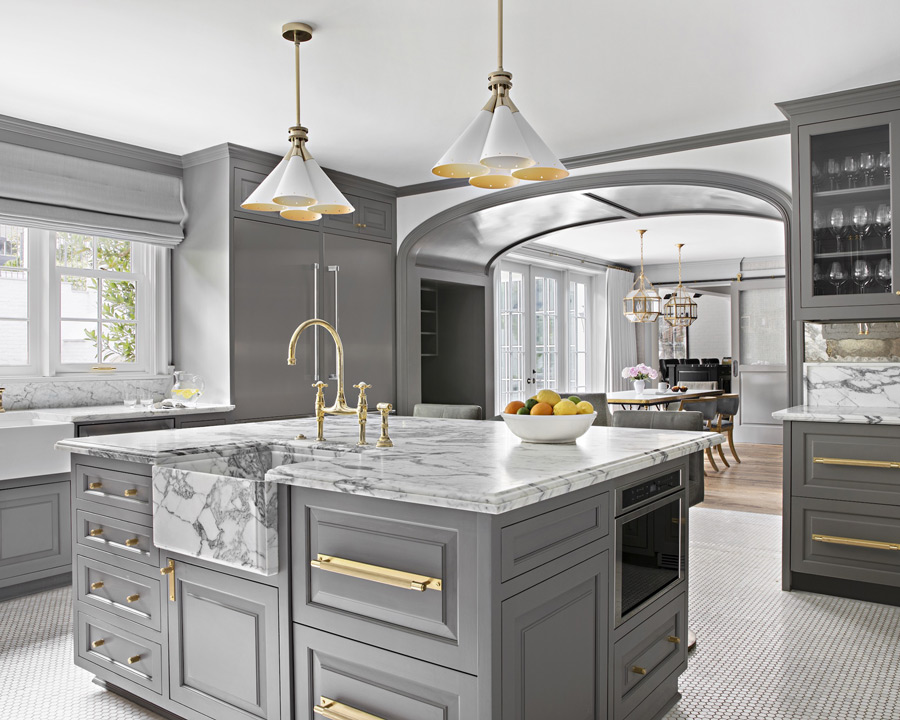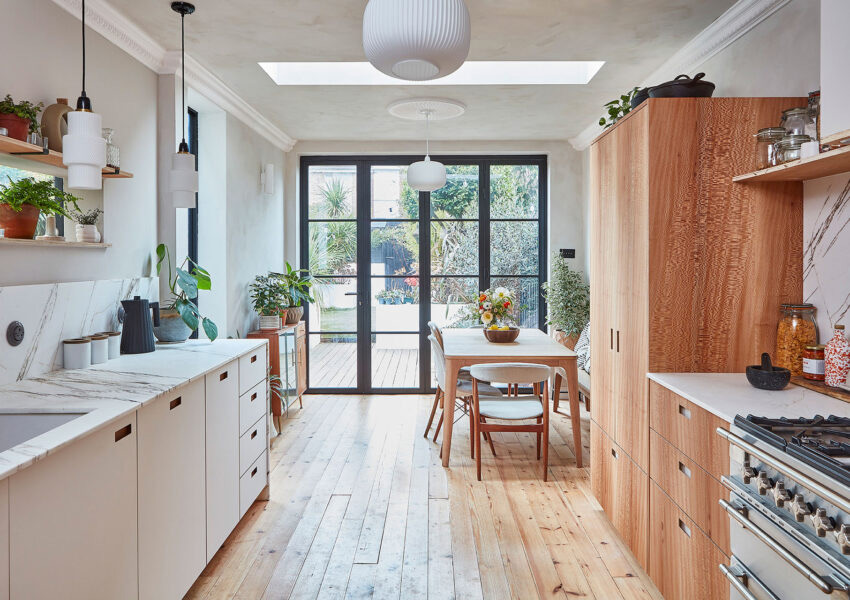

The Seattle housing market moves fast. Your kitchen was modern in 2010. Your bathroom hasn't changed since 2005. Meanwhile, your home's value is climbing, but its functionality lags behind what today's families actually need. This is the moment when Seattle remodeling stops being a distant dream and becomes a practical investment in your home—and your life.
Whether you're staring at a 1980s kitchen with oak cabinets or a bathroom that feels cramped every morning, you're not alone. According to a recent survey from Volcano Builders, 70% of Seattle homeowners plan on undertaking a major remodeling project in the next two years. That surge in demand reflects something real: Seattle homes are aging, families want better functionality, and property values make renovation ROI compelling.
But here's what most guides won't tell you: Seattle remodeling isn't like remodeling in Denver or Austin. Your climate, your local building codes, the premium labor costs, and your neighborhood's aesthetic expectations all factor into the timeline and budget. This guide walks through everything you need to know—from realistic cost projections to the actual process, common pitfalls, and how to work with contractors who understand the Seattle market specifically.
Quick Answer:
Seattle remodeling projects average $250–$450 per square foot, significantly higher than the national average of $198–$307. A midrange bathroom remodel costs around $32,758, while an upscale kitchen averages $175,000. Most homeowners should expect 4–8 months for a kitchen remodel and 6–10 weeks for a bathroom, depending on scope and permit timelines. Work with a contractor who understands Seattle's specific building codes, climate challenges, and design preferences.Key Takeaways:
- Cost Reality: Seattle remodeling runs 15–30% higher than national averages due to labor, permits, and materials
- Market Momentum: Nearly 3 in 4 Seattle homeowners are planning renovations—expect longer contractor timelines
- Design Matters: Pacific Northwest aesthetics, moisture resistance, and natural light are essential considerations
- Process Clarity: A design-build approach (design + construction under one team) reduces friction and surprises
Table of Contents
- What Makes Seattle Remodeling Unique?
- Seattle Remodeling Costs: Kitchen vs. Bathroom
- The Booming Market: What's Driving Growth in 2025
- Kitchen Remodeling in Seattle: Design & Execution
- Bathroom Renovation: From Budget to Luxury
- The Complete Seattle Remodeling Process
- Common Mistakes Seattle Homeowners Make
- Choosing the Right Contractor for Your Project
- FAQ: Your Most Common Seattle Remodeling Questions
- Next Steps: Getting Started Today
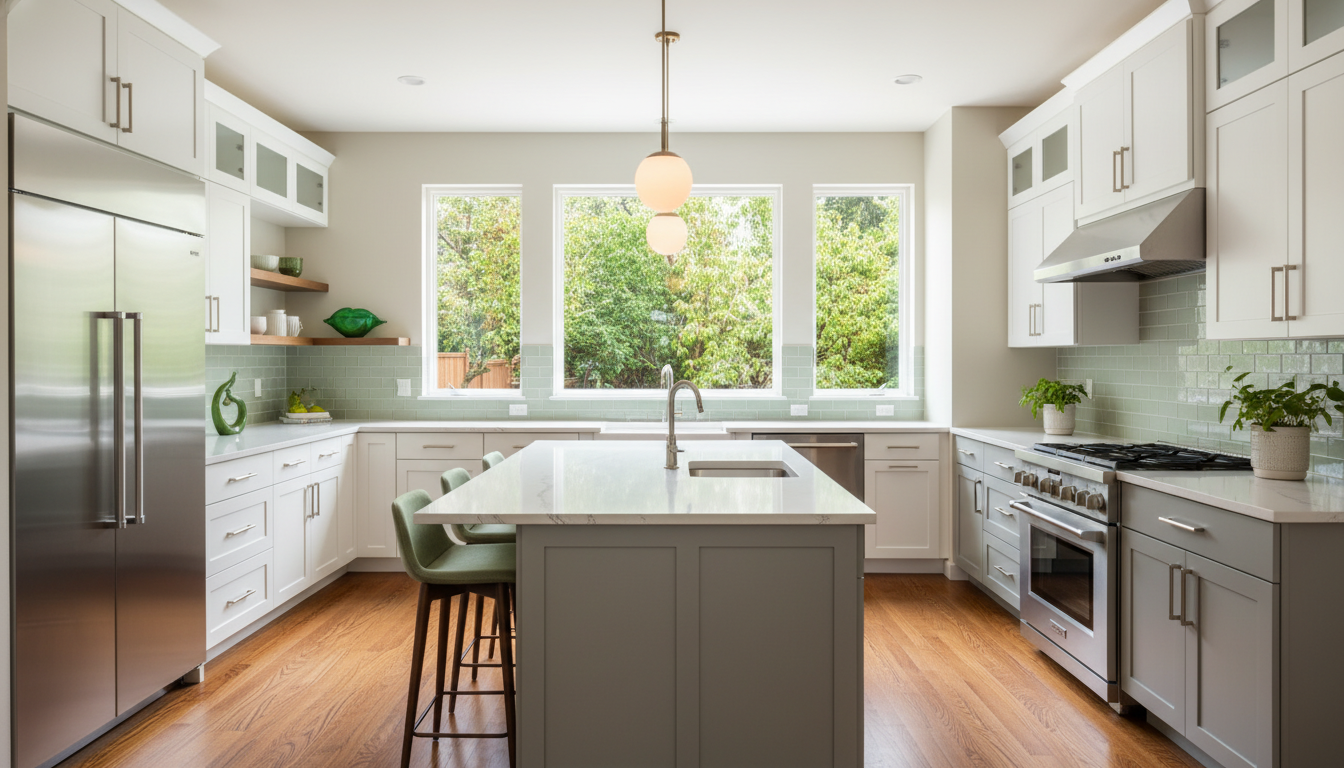
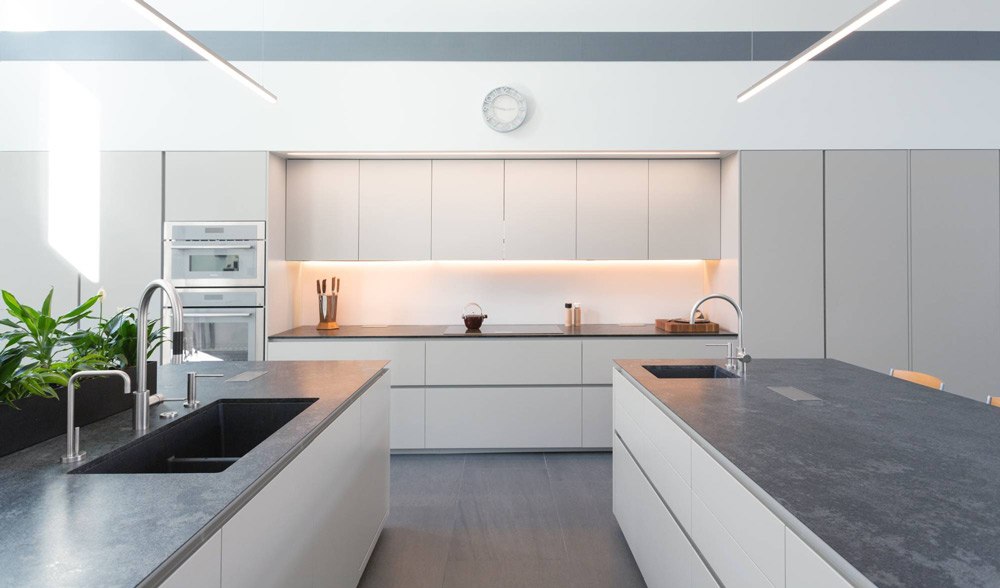
A contemporary Seattle kitchen remodel emphasizing natural light and clean lines—hallmarks of Pacific Northwest design.
What Makes Seattle Remodeling Unique?
Seattle's remodeling market has its own personality. Walk through neighborhoods like Green Lake, Wallingford, or West Seattle, and you'll notice something consistent: mid-century and craftsman homes with owners who want to preserve character while adding modern amenities. The typical Seattle homeowner isn't chasing granite countertops and gold fixtures—they're chasing functionality, energy efficiency, and designs that fit the rainy climate and outdoor-focused lifestyle.
The Pacific Northwest aesthetic emphasizes durability, natural materials, and connection to the outdoors. Large windows that capture mountain and water views. Materials that age gracefully rather than demand constant maintenance. Kitchens and bathrooms positioned to maximize daylight and reduce the gloom of winter months. This shapes every remodeling decision in the region, which is why hiring a contractor who gets Seattle's culture and climate is so important.
But Seattle remodeling has another characteristic: cost. Labor expenses run higher here than in most U.S. markets. Permit and inspection processes are thorough (which is good—it ensures quality). Material delivery takes longer because supply chains concentrate on larger markets. All of this means that the price tag for a Seattle kitchen or bathroom renovation exceeds the national average by a significant margin.
The good news? The region's strong real estate market means your investment usually pays back in increased home value and immediate quality-of-life improvements. You're not just spending money; you're upgrading your daily experience and positioning your home for future resale.
Seattle Remodeling Costs: Kitchen vs. Bathroom
Understanding what you'll actually spend is the first step in any remodeling project. Seattle's cost structure differs from national averages, and the gap widens at higher-end projects.
Kitchen Remodeling Costs in Seattle
Kitchen remodels dominate the Seattle remodeling conversation, and rightfully so. A kitchen is typically the highest-ROI remodel and the most visible renovation in a home.
According to the 2023 Cost vs. Value Report from Model Remodel, the average cost of an upscale kitchen remodel in Seattle is around $175,000, compared to the national average of $155,000. That's a 13% premium for the Seattle market. A midrange kitchen remodel (still high-quality but more moderate fixtures and finishes) typically runs $85,000–$120,000 in the Seattle area.
What's driving these costs? Primarily labor. Seattle's tight labor market means skilled carpenters, electricians, and plumbers command higher rates. Permit fees are also substantial—Seattle's Department of Construction and Inspections requires detailed plans, and inspections happen at multiple stages. Add in premium materials (many Seattle homeowners prefer higher-end finishes), and the total climbs quickly.
Bathroom Remodeling Costs in Seattle
Bathrooms are more variable. The size of your bathroom, whether you're relocating plumbing, and the quality of finishes create a huge range.
Per the Remodeling 2024 Cost vs. Value Report cited by Real Build Insider, a midrange bathroom remodel in Seattle averages around $32,758, while an upscale remodel costs closer to $97,814. Notice the spread—this reflects the flexibility in bathroom renovation scope. A basic update to fixtures and flooring might stay under $20,000, while a complete gut renovation with structural changes can exceed $100,000.
Full Home Remodeling Costs
If you're considering a larger renovation or multiple rooms simultaneously, per-square-foot pricing gives you a realistic anchor.
According to Block Renovation's analysis, most full home remodels in Seattle currently range between $250 and $450 per square foot, noticeably higher than the nationwide average range of $198 through $307. This 25–40% premium reflects Seattle's specific labor costs, building codes, and market conditions.

Seattle remodeling costs vary widely by scope, but generally run 15–30% higher than national averages.
The key takeaway: Don't be shocked when a contractor gives you a quote higher than national averages you've seen online. Seattle's market genuinely costs more, and a reputable contractor pricing at market rate isn't overcharging—they're being honest.
The Booming Market: What’s Driving Growth in 2025
The Seattle remodeling market isn't just active—it's accelerating. Understanding the broader market context helps explain why contractor timelines are stretching and why planning ahead matters.
Market Expansion
The home improvement industry has experienced sustained growth. According to Fixr.com's analysis of industry data, the home improvement market expanded by 3.7% to $574.3 billion in 2024, and is projected to grow by an additional 3.4% in 2025, bringing the market size to $593.8 billion. That's nearly $600 billion flowing into home renovations across the United States.
What's fueling this? Multiple factors converge in 2025. Remote work has made homes more valuable to their occupants—if you're spending more time at home, you invest in making it better. Rising interest rates have made moving expensive (since you'd refinance at higher rates), so people stay put and renovate instead. And aging homes across the country simply need updates.
Contractor Availability
This growth has a practical consequence: contractor availability is tight. As of 2025, there are 726,026 remodeling businesses in the U.S., representing a 4.2% increase from 2024, according to Fixr.com. While that sounds like plenty of contractors, demand has outpaced supply growth. Many contractors are booked 3–6 months out. In Seattle's competitive market, the best contractors often book even further ahead.
What this means for you: Start planning your remodel now if you want to begin work in 2025 or early 2026. The earlier you connect with a contractor, the better chance you have of locking in a timeline that works for your family.
Kitchen Remodeling in Seattle: Design & Execution
A kitchen remodel is the most involved project most homeowners undertake. It touches multiple trades—carpentry, electrical, plumbing, potentially HVAC and gas lines. It affects the home's heart, where families gather daily. Getting it right matters.
The Seattle Kitchen Aesthetic
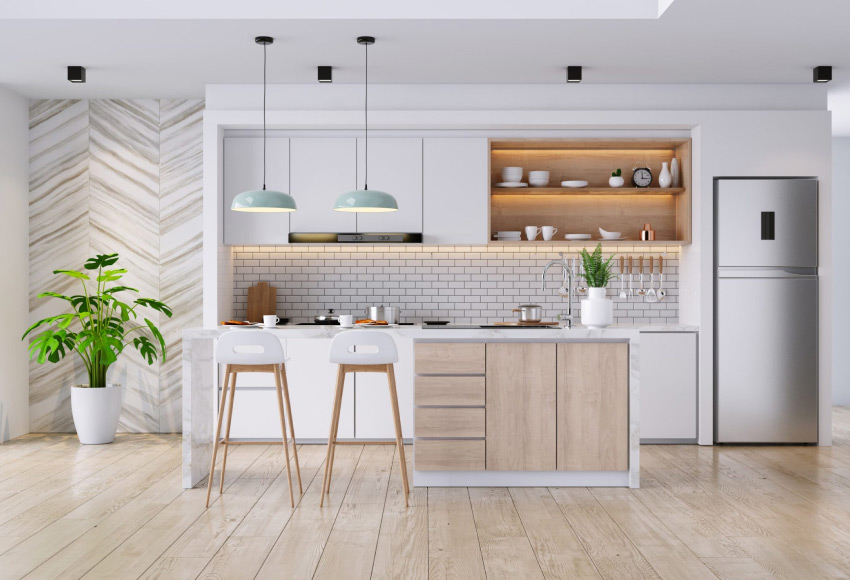
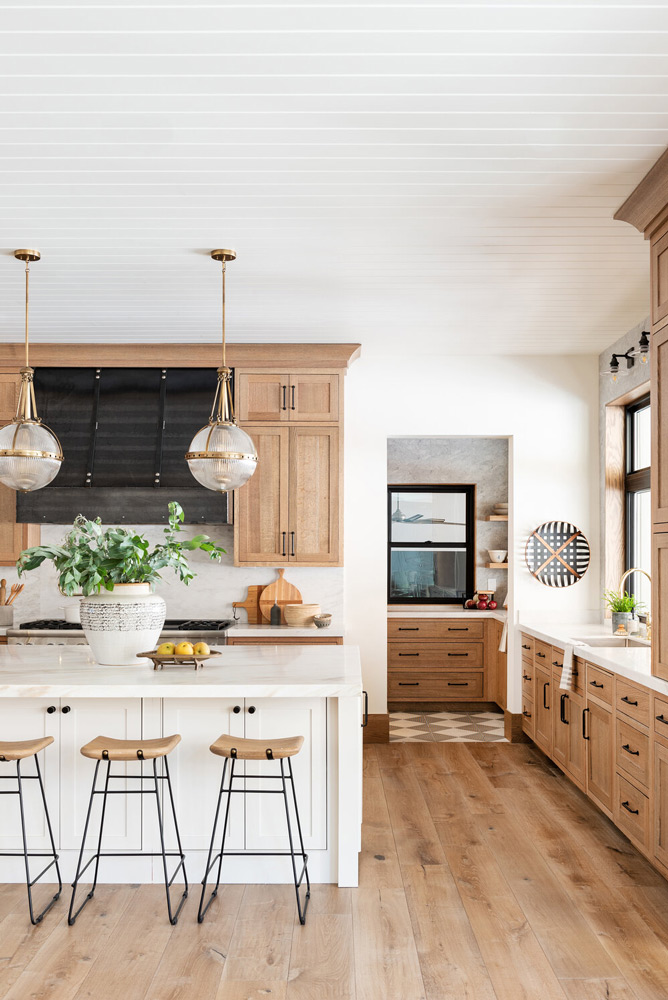
Seattle kitchens have evolved. Ten years ago, the trend was dark cabinetry and heavy styles. Today, the Seattle aesthetic leans toward light, bright kitchens with natural materials. Think white or soft gray cabinetry, large islands that function as gathering spots, open shelving mixed with closed storage, and abundant windows or skylights.
Why? The Seattle climate. Winter months have limited natural light. A kitchen that's bright and open feels larger, warmer, and more welcoming during gray winter days. Materials reflect this too—local architects and designers favor durable woods, stone countertops, and finishes that age gracefully rather than show grime.
Layout Considerations
The kitchen layout shapes your remodel budget. If you're keeping existing locations for the sink, stove, and refrigerator (the "work triangle"), costs stay moderate. Relocating these utilities—moving the sink to an island, relocating the stove to a different wall—requires new plumbing, electrical, and gas runs. Seattle's inspection requirements mean these changes demand permits and multiple inspections, which add both timeline and cost.
Many Seattle homeowners choose to update finishes and appliances within an existing layout, then invest savings in higher-quality materials. A stunning quartz island countertop and professional-grade appliances within a thoughtful existing layout often delivers better results than a complete layout overhaul with standard materials.
Appliances and Fixtures
Seattle's climate influences appliance choices too. Convection ovens work well in dry climates; in the Pacific Northwest's humidity, some prefer traditional radiant heat. Range hoods need to exhaust effectively—Seattle kitchens often feature more robust ventilation than national standards require, simply because the region experiences more moisture and cooking odors linger in humid air.
For fixtures, durability matters. High-quality faucets with reliable seals prevent drips that accumulate into water damage in a region that's already managing moisture concerns. Finishes that resist hard water spotting (common in Seattle) are practical choices.
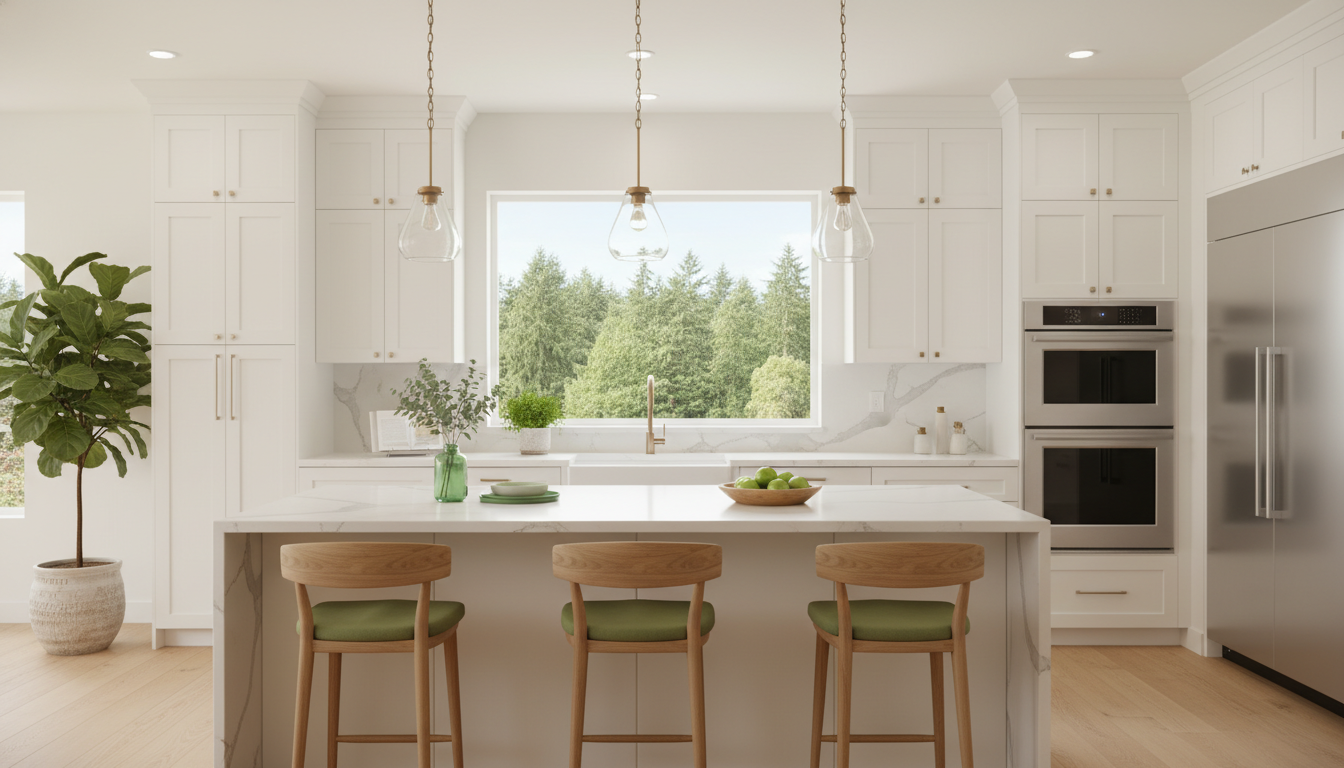
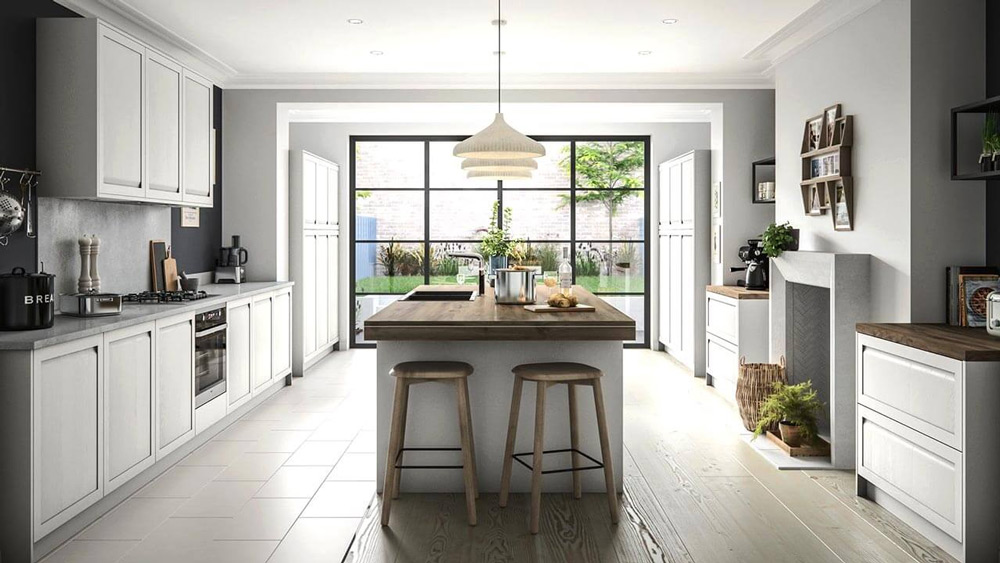
Contemporary Seattle kitchens prioritize natural light and functional islands—this design keeps the workspace efficient while creating a gathering space for families.
Bathroom Renovation: From Budget to Luxury
Bathroom remodeling in Seattle ranges from cosmetic updates to complete gut renovations. The scope you choose dramatically affects timeline and budget.
Cosmetic vs. Structural Updates
A cosmetic bathroom remodel addresses surface finishes: new vanity, updated flooring, fresh paint, new fixtures. This might take 3–4 weeks and cost $15,000–$30,000. It refreshes the space without addressing deeper structural or moisture issues.
A structural bathroom remodel digs deeper. It might involve moving the toilet, relocating plumbing, addressing moisture barriers in walls (critical in Seattle's climate), replacing flooring substrate if water damage exists, or expanding the shower. These projects take 6–10 weeks and cost $35,000–$100,000 or more.
Seattle's climate makes moisture management essential. Bathrooms that aren't properly sealed trap moisture in walls, leading to mold and structural damage over time. A bathroom remodel is an opportunity to address this—waterproofing shower walls, installing proper ventilation, and using moisture-resistant materials prevents costly problems down the road.
Shower vs. Tub Decisions
Many Seattle homeowners convert old bathtubs to walk-in showers. It's practical for aging in place, saves space in smaller bathrooms, and aligns with modern usage patterns. A tub-to-shower conversion typically costs $8,000–$15,000 and takes 2–3 weeks.
However, if you have young children or plan to age in place for decades, a combination approach—a smaller tub paired with a walk-in shower—offers flexibility. Discuss your family's actual needs with your contractor; the trendy choice isn't always the right choice for your household.
Ventilation and Moisture Control
This is where Seattle bathroom renovations differ from those in drier climates. Proper exhaust ventilation (ducted outside, not into an attic) is non-negotiable. Waterproofing behind tile and around the tub/shower is essential. Some contractors use membrane systems; others use traditional cement board with quality sealants. Discuss moisture control explicitly with your contractor—it's not glamorous but it's foundational to a bathroom that lasts.
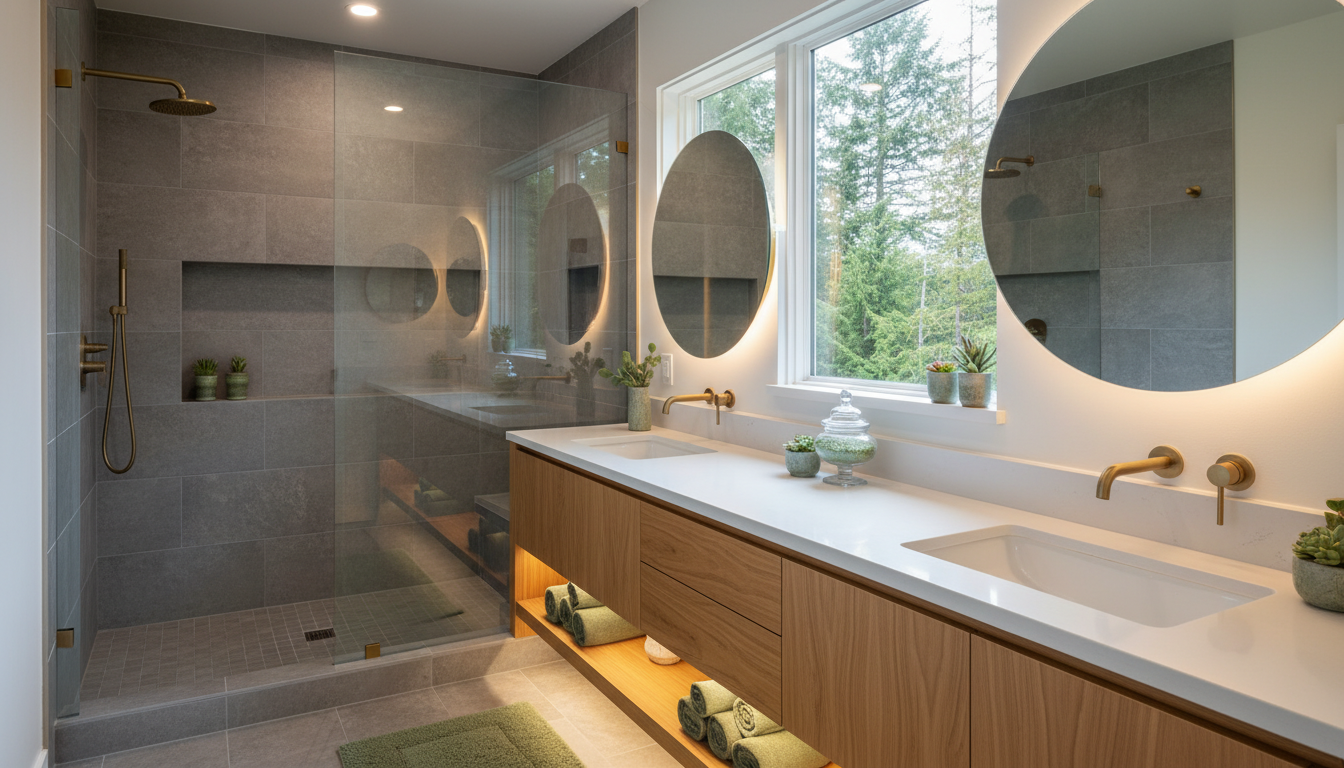
A thoughtfully designed bathroom combines Seattle's appreciation for natural materials with practical moisture management—essential in the Pacific Northwest.
The Complete Seattle Remodeling Process
Understanding the timeline and steps involved reduces surprises. A typical kitchen remodel follows this trajectory:
Phase 1: Planning and Design (2–4 weeks)
You meet with a contractor or designer, discuss your vision, and develop detailed plans. In Seattle, this phase is crucial because final designs determine whether permits will be straightforward or complicated. Work with a contractor who's experienced with Seattle's specific code requirements.
Phase 2: Permitting (2–6 weeks)
Seattle's permitting process is thorough. Your contractor submits detailed plans to the Department of Construction and Inspections. They review for code compliance, structural integrity, and safety. This isn't bureaucratic friction—it ensures quality and safety. However, it adds timeline and cost ($500–$2,000 in permit fees for a kitchen remodel).
Phase 3: Construction (4–8 weeks for kitchen, 2–4 weeks for bathroom)
Work begins. A well-run project has clear sequencing: demolition, structural/mechanical work, rough-ins (electrical, plumbing, HVAC), wall repairs, finishing, and final installation of cabinets and fixtures. Seattle contractors who've worked together know the dance; teams that don't coordinate often experience delays.
Phase 4: Inspections (throughout, final at end)
Inspectors check work at key stages. Rough electrical, plumbing, and framing are inspected before walls close. The final inspection confirms everything meets code. Plan for these appointments and accept that inspections sometimes reveal issues requiring rework—this is normal and actually protective.
Phase 5: Final Walkthrough and Closeout (1 week)
You and your contractor walk through the completed project. You document any punch-list items (small fixes or adjustments), get final invoices paid, and receive warranties and documentation.
Timeline Reality Check
A complete kitchen remodel in Seattle typically takes 4–8 months from start to finish (planning through final walkthrough). Bathrooms take 2–4 months. Multiple factors affect this: permit complexity, contractor availability, material delays, and discovered issues during construction (common in older Seattle homes).
Budget extra time. If a contractor promises a 12-week kitchen remodel, they're either inexperienced, working with simplified scope, or setting you up for frustration when reality diverges from the estimate.
Common Mistakes Seattle Homeowners Make
Remodeling is complex. Most mistakes are preventable with forethought.
Underestimating permits and inspections. Homeowners often think permits are optional or bureaucratic overhead. In Seattle, permits are required for nearly any structural change, electrical work, or plumbing. They cost money and time. Budget for them and accept them as part of the process—they protect your home's safety and future resale value.
Choosing contractors solely on price. The cheapest bid usually reflects corner-cutting somewhere—rushed installation, lower-quality materials, or inexperience with Seattle-specific challenges. The best contractors charge fairly because they do quality work slowly and deliberately.
Ignoring moisture management. Seattle's climate means moisture intrusion damages homes. A cheap bathroom remodel that skips proper waterproofing creates expensive problems later. Spend the money on proper vapor barriers, ventilation, and sealants upfront.
Poor communication during construction. When unexpected issues arise—and they will—how you and your contractor communicate determines whether you work through them together or become adversarial. Choose a contractor you trust to communicate clearly and honestly about problems and solutions.
Overscoping too late. Starting a remodel with a defined scope, then adding "while we're at it" requests mid-project, blows budgets and timelines. Decide on scope during planning. Minor adjustments are fine; major additions require resetting timeline and budget expectations.
Selecting finishes based on trends rather than durability. That trendy matte-black faucet might look stunning in a showroom but shows water spots in Seattle's mineral-heavy water. Finishes that age gracefully and resist maintenance in the Pacific Northwest are practical choices worth making.
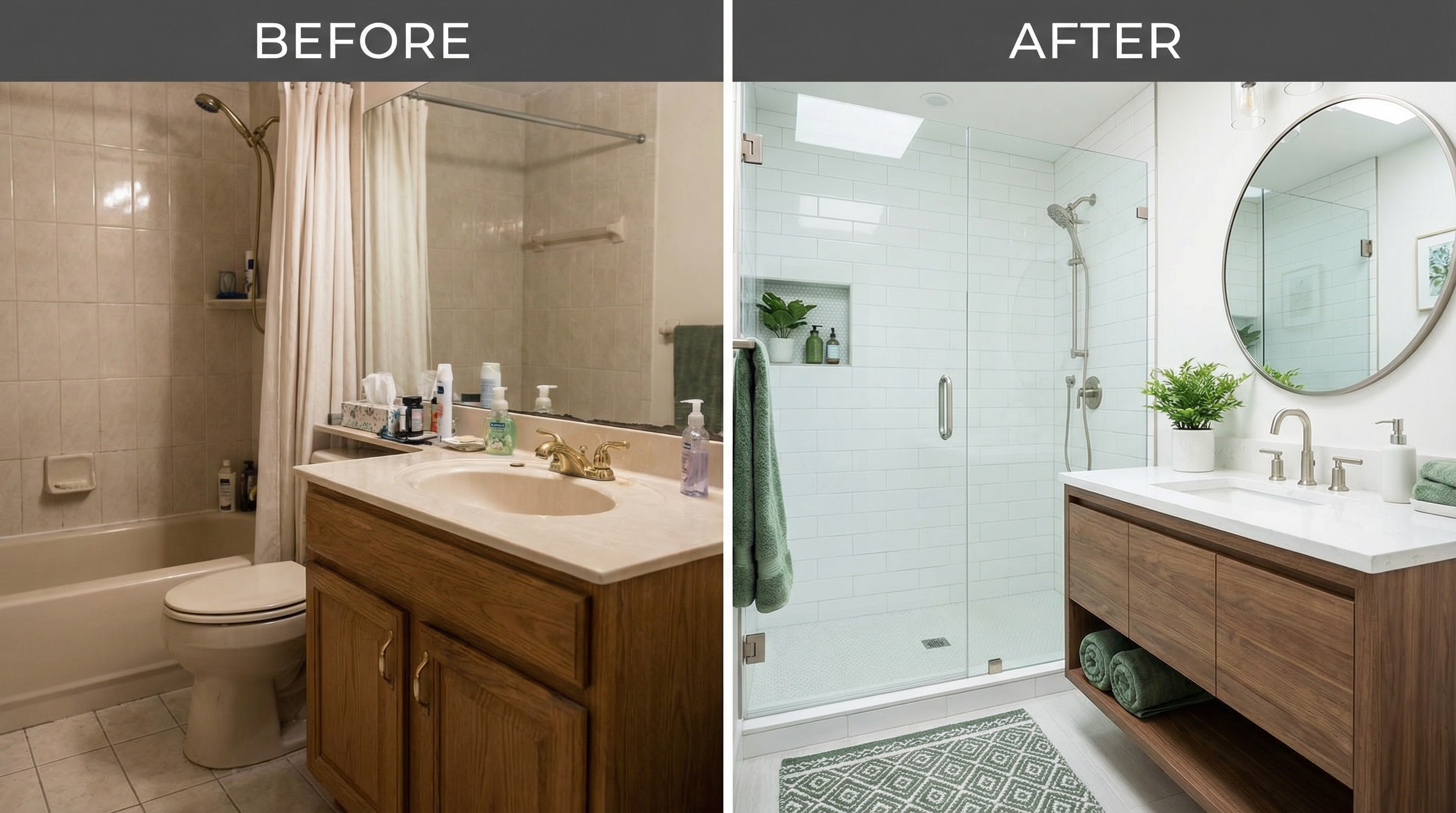
A complete bathroom transformation requires careful planning and execution—the difference between quality work and rushed work is visible for years to come.
Choosing the Right Contractor for Your Project
Your contractor makes or breaks a remodeling project. In Seattle's competitive market, the best contractors have full schedules. How do you choose?
Experience with Seattle specifically. A contractor who's done 100 remodels in Phoenix won't understand Seattle's building codes, climate challenges, or inspectors' expectations. Look for someone with 5+ years of experience in King County or Pierce County specifically.
Design-build approach. The design-build model combines design and construction under one team. This reduces miscommunication and creates accountability. One entity is responsible for the entire vision and execution, not a designer, a contractor, and subcontractors pointing fingers at each other.
References and portfolios. Ask for 3–5 recent Seattle projects you can visit or see photos of. Call past clients and ask specific questions: Did the project finish on timeline? Did costs stay within budget? How did the contractor handle unexpected issues?
Clear communication and detailed estimates. A quality estimate includes line-item costs, a detailed timeline, permit and inspection contingencies, and clear assumptions about what's included. If an estimate is vague ("Kitchen remodel: $85,000"), dig deeper.
Warranty and follow-up. Quality contractors stand behind their work. They offer warranties on materials and labor, and they're available for post-project adjustments. If something isn't quite right after completion, you should feel comfortable calling them back without it being adversarial.
Working with WAREMODEL, we bring this philosophy directly to Seattle homeowners. Our design-build approach combines 3D design consultation with professional installation across all trades—cabinets, tile, flooring, drywall, painting. We've built our reputation on clear communication, transparent pricing, and family-centered design that respects your home's character while modernizing functionality. We understand Seattle's specific building codes, climate challenges, and the Pacific Northwest aesthetic that makes homes here special.
FAQ: Your Most Common Seattle Remodeling Questions
How long does a kitchen remodel typically take in Seattle?
A complete kitchen remodel takes 4–8 months from first design meeting to final walkthrough. This includes 2–6 weeks for permitting and 4–8 weeks of active construction. Bathroom remodels typically take 2–4 months for the complete process.
What's the average cost of a kitchen remodel in Seattle?
Kitchen remodels in Seattle range from $85,000 for a solid midrange project to $175,000+ for upscale finishes. The cost depends heavily on your existing layout, your finish choices, and whether you relocate utilities. Budget approximately $250–$450 per square foot for a full home remodel.
Do I need permits for my kitchen remodeling project?
Yes, almost certainly. Any structural changes, electrical work, plumbing changes, or appliance installation requires a permit in Seattle. Permits ensure your remodel meets current building codes and is safe. Budget $500–$2,000 for permit fees and plan for 2–6 weeks of permitting time.
Can I live in my home during a remodel?
For kitchen remodels, living in your home during construction is possible but challenging. You'll lose kitchen access for weeks. Some families move temporarily; others stay and manage with a makeshift kitchen in another room. For bathroom remodels, especially if you have multiple bathrooms, you can usually live in the home.
What's the best contractor to hire in Seattle?
Look for contractors with 5+ years of Seattle-specific experience, a portfolio of recent projects you can reference, clear communication, and a design-build approach when possible. Get detailed estimates from 2–3 contractors and check references thoroughly.
How much does a bathroom remodel cost in Seattle?
Bathroom remodel costs in Seattle range from $15,000 for a cosmetic update to $100,000+ for a complete gut renovation. A midrange remodel (replacing fixtures, flooring, and finishes without major structural changes) typically costs $35,000–$50,000.
What's the difference between a designer and a contractor?
A designer creates plans and vision; a contractor executes the work. A design-build contractor does both, reducing miscommunication and creating accountability. When you hire separately, ensure clear handoffs between the designer's plans and the contractor's execution.
Will my Seattle home value increase after a remodel?
Kitchen remodels return approximately 60–70% of their cost in resale value. Bathroom remodels return 50–60%. However, the primary ROI for most homeowners is immediate quality-of-life improvement—a functional, beautiful kitchen or bathroom you enjoy daily.
What permits do I need for a Seattle bathroom remodel?
Any plumbing changes, structural modifications, electrical updates, or ventilation changes require permits. Even cosmetic-only updates might require permits if you're changing the ventilation system. Your contractor will determine permit requirements during the planning phase.
How do I choose between different contractors' proposals?
Don't just compare price. Compare scope (what's included), timeline, warranty, and the contractor's communication style. The cheapest proposal often reflects lower quality or scope. Choose the contractor who clearly understands your project, communicates confidently, and offers fair pricing for their experience level.
What should I budget for unexpected issues during construction?
Plan for a 10–15% contingency fund. Older Seattle homes often hide issues—rotted framing, outdated wiring, plumbing issues—that surface during demolition. Having a financial buffer prevents project delays while these are addressed.
Should I do a kitchen remodel or bathroom remodel first?
If you have a limited budget, kitchen remodels typically offer better quality-of-life return. Kitchens are used multiple times daily. However, if you have plumbing issues or moisture problems in a bathroom, prioritize that for safety reasons. Ideally, plan both projects and sequence them strategically.
Next Steps: Getting Started Today
A Seattle remodeling project transforms your home and how you live in it. But getting started requires clarity on three things: what you want, what it will cost, and who you trust to execute it.
Start with a vision. Spend time thinking about your ideal kitchen or bathroom. Browse photos on platforms like Houzz or Pinterest. Notice what appeals to you—bright or warm? Modern or traditional? Open or cozy? This vision guides conversations with contractors and designers.
Get multiple estimates. Reach out to 2–3 reputable Seattle contractors. Provide the same scope and ask for detailed, itemized estimates. You'll start seeing where costs overlap and where they diverge. This informs realistic budgeting.
Interview contractors, not just proposals. A detailed estimate is important, but equally important is the conversation. Does the contractor ask good questions about your lifestyle and family? Do they understand Seattle-specific challenges? Can they clearly explain their process and timeline?
Lock in scope and timeline early. The biggest source of frustration comes from scope creep and timeline surprises. Get a clear, written agreement on what's included, what's excluded, the expected timeline, contingency plans for permit delays, and how unexpected issues will be handled.
Plan for the timeline impact. Remodeling projects disrupt your home. Plan for this. If you're remodeling a kitchen, arrange a temporary cooking solution. If it's a bathroom, ensure alternative facilities. Good contractors will warn you clearly about timeline phases; honor those warnings in your family planning.
Seattle remodeling doesn't have to be stressful if you go in prepared. Choose your contractor thoughtfully, communicate clearly, trust the process, and remember why you started—a home that works better for your family and a space you genuinely enjoy.
Ready to start your Seattle remodeling project? Contact WAREMODEL for a free 3D design consultation. We serve King County and Pierce County, and we specialize in kitchen and bathroom remodeling that combines beautiful design with practical execution. Let's transform your home.