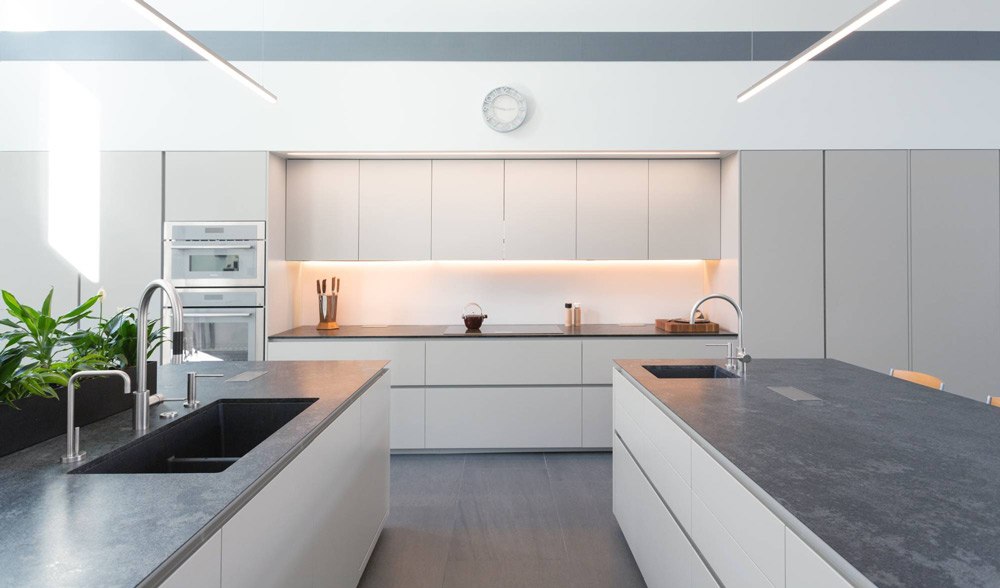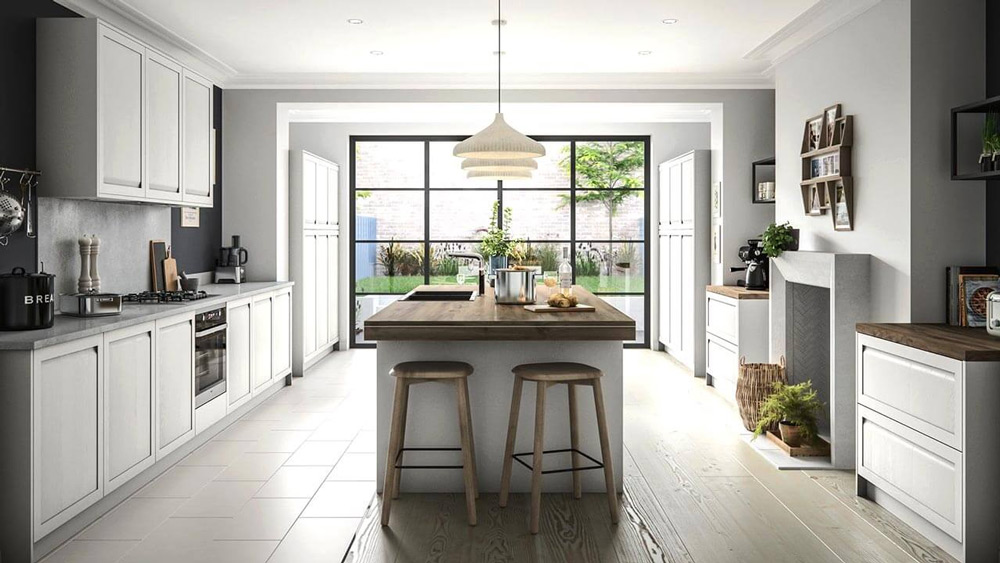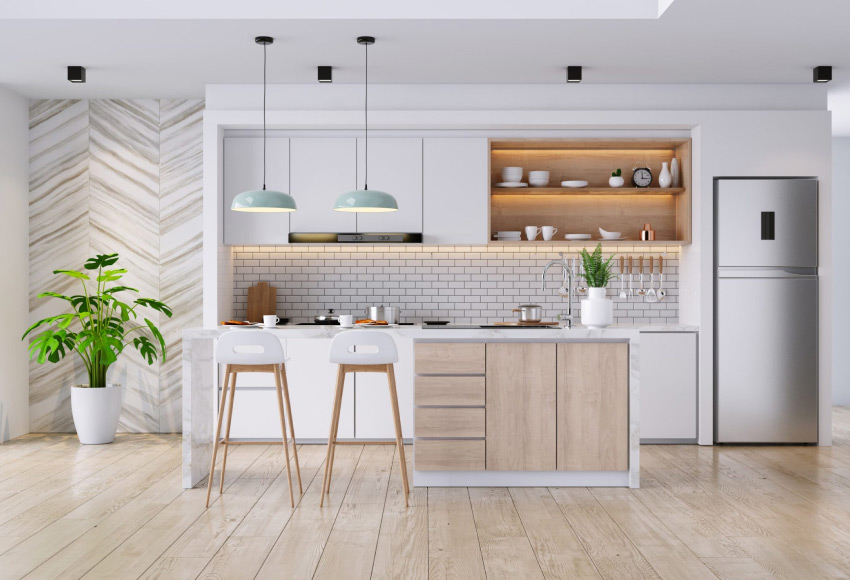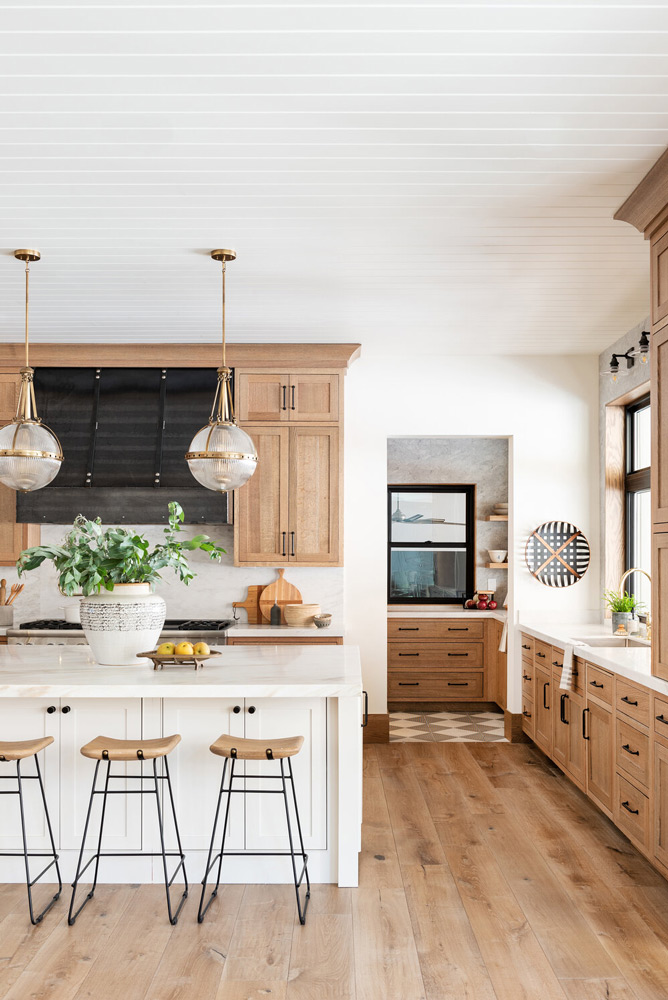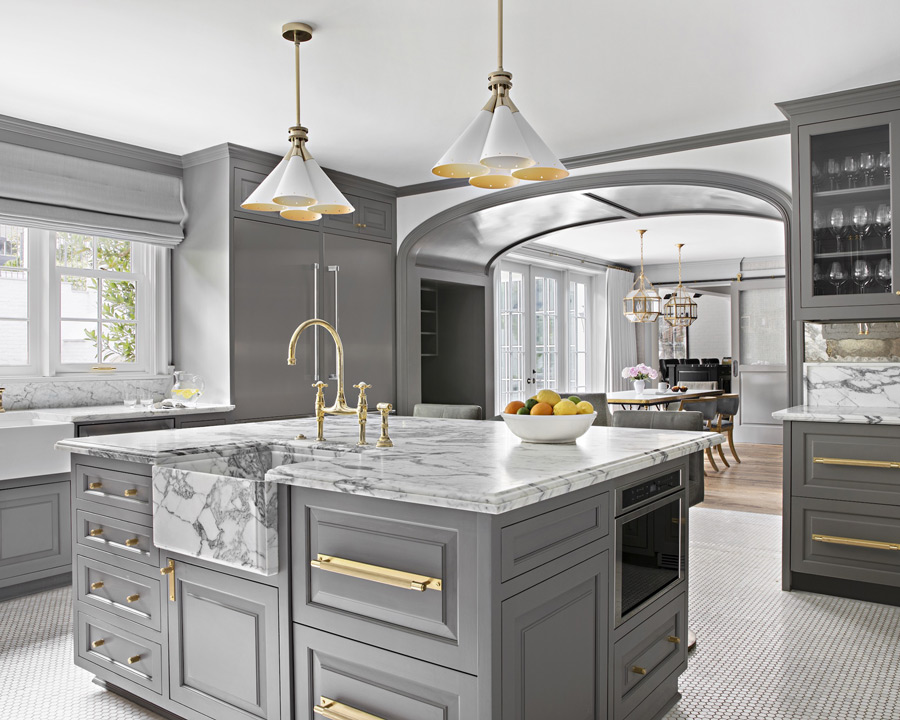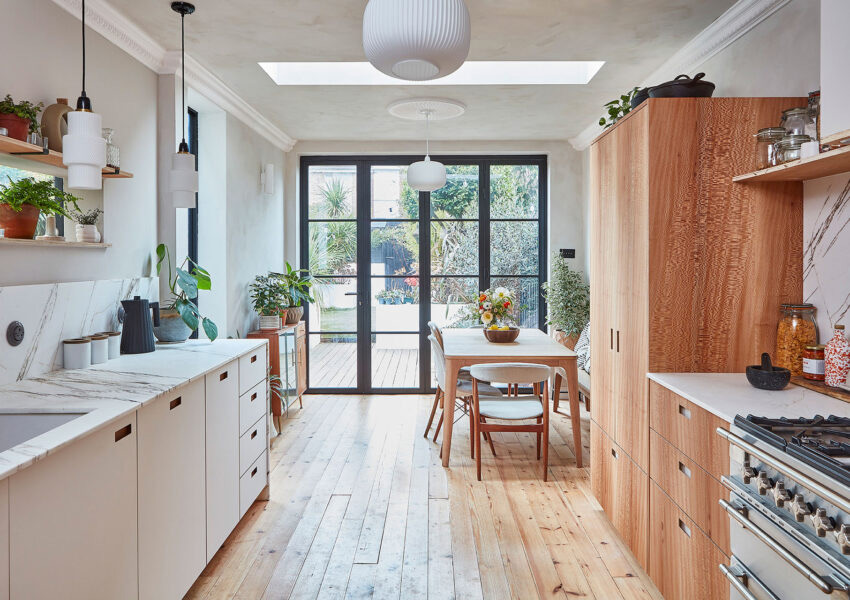
A Seattle homeowner's complete kitchen transformation from a cramped 1920s layout to an open, functional modern space
When Sarah and Michael purchased their 1920s Craftsman home in Seattle's Ballard neighborhood, they fell in love with its historic charm—but the kitchen was a different story. Dark, cramped, and functionally obsolete, it represented everything they needed to change. This is the story of how they transformed their outdated kitchen into a modern family hub while preserving their home's character, and what other Seattle homeowners can learn from their journey.
Quick Answer:
This Seattle homeowner achieved a complete kitchen transformation in 10 weeks, turning a cramped 1920s kitchen into an open-concept space for $68,500. The project included removing a load-bearing wall, installing custom cabinetry, and adding a center island—resulting in 40% more usable space and significantly improved home value.Key Takeaways:
- Timeline: 10 weeks from demolition to final walkthrough
- Investment: $68,500 total project cost (mid-range Seattle remodel)
- ROI: 65% to 80% return on investment typical for Seattle kitchen remodels
- Key Challenge: Removing load-bearing wall while preserving historic details
- Result: 40% increase in functional kitchen space with modern amenities
Table of Contents
- The Challenge: A Kitchen Frozen in Time
- Why This Seattle Homeowner Needed a Kitchen Remodel
- The Planning Phase: Setting Realistic Goals
- Budget Breakdown: Where Every Dollar Went
- The Solution: A Strategic Design-Build Approach
- Timeline: 10 Weeks from Demo to Dinner Party
- Results That Exceeded Expectations
- Lessons Learned: What Worked and What Didn't
- How This Applies to Your Seattle Kitchen Remodel
- Frequently Asked Questions
The Challenge: A Kitchen Frozen in Time
Sarah and Michael's kitchen embodied the limitations of early 20th-century design. The original design had a wall dividing the living space and the kitchen with no bar or window allowing conversation to flow between spaces. The dark cabinetry and countertops made the space feel very enclosed and cave-like.
The Specific Problems:
- Isolation: A solid wall separated the kitchen from the dining room, making entertaining impossible
- Inadequate lighting: One overhead fixture and limited natural light created a cave-like atmosphere
- Outdated electrical: Only two outlets, requiring extension cords for basic appliances
- Insufficient storage: Minimal cabinet space forced kitchen items into other rooms
- Poor workflow: The sink, stove, and refrigerator placement created inefficient movement patterns
- Aging infrastructure: Outdated wiring, rotting subfloors, and uneven framing—issues typically hidden until walls or flooring are removed
The family of four was making do with workarounds they'd developed over two years, but they knew a major renovation was inevitable.
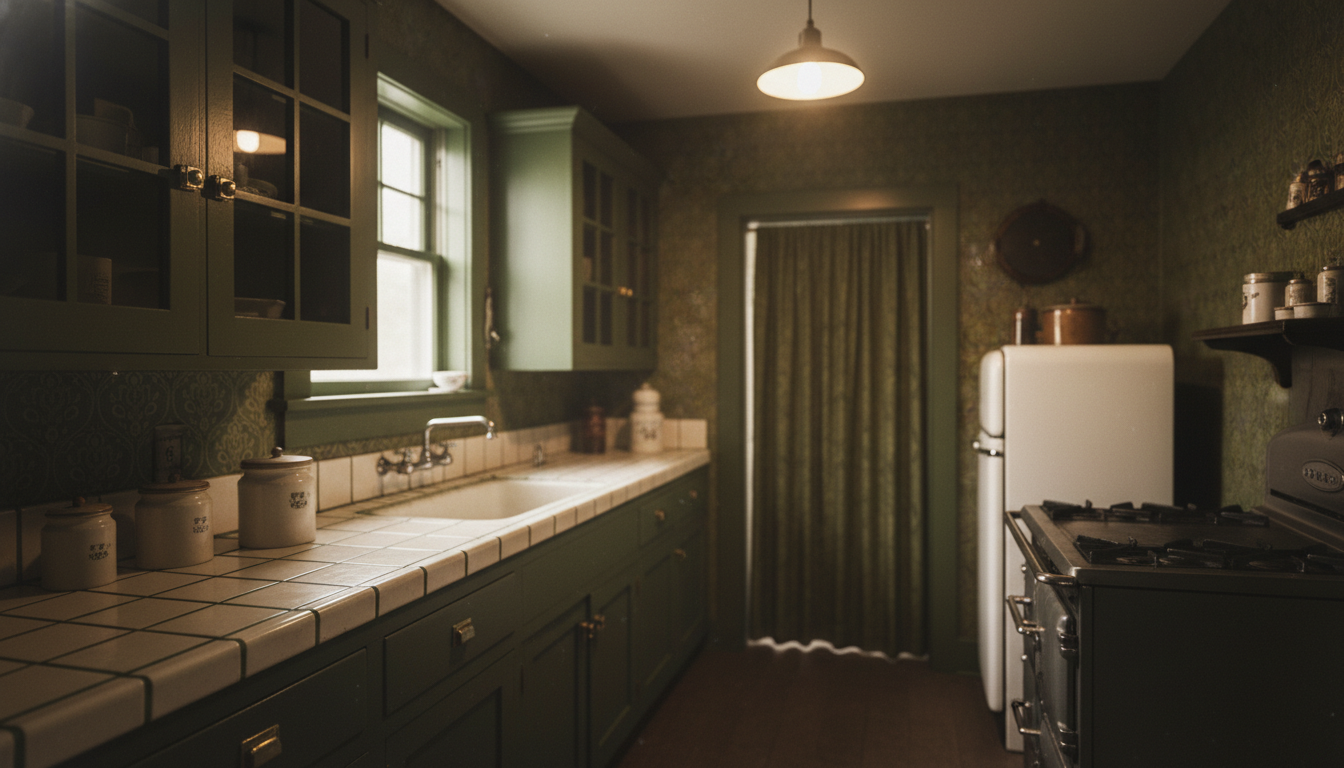
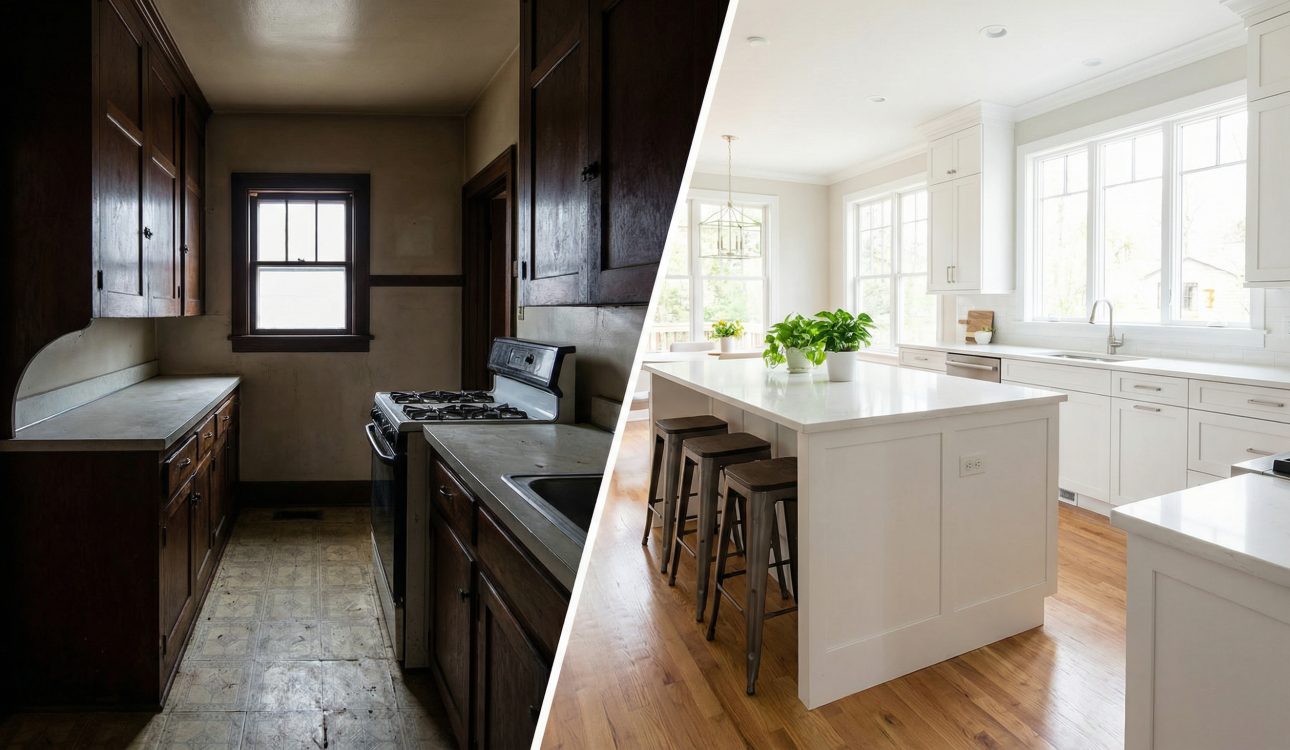
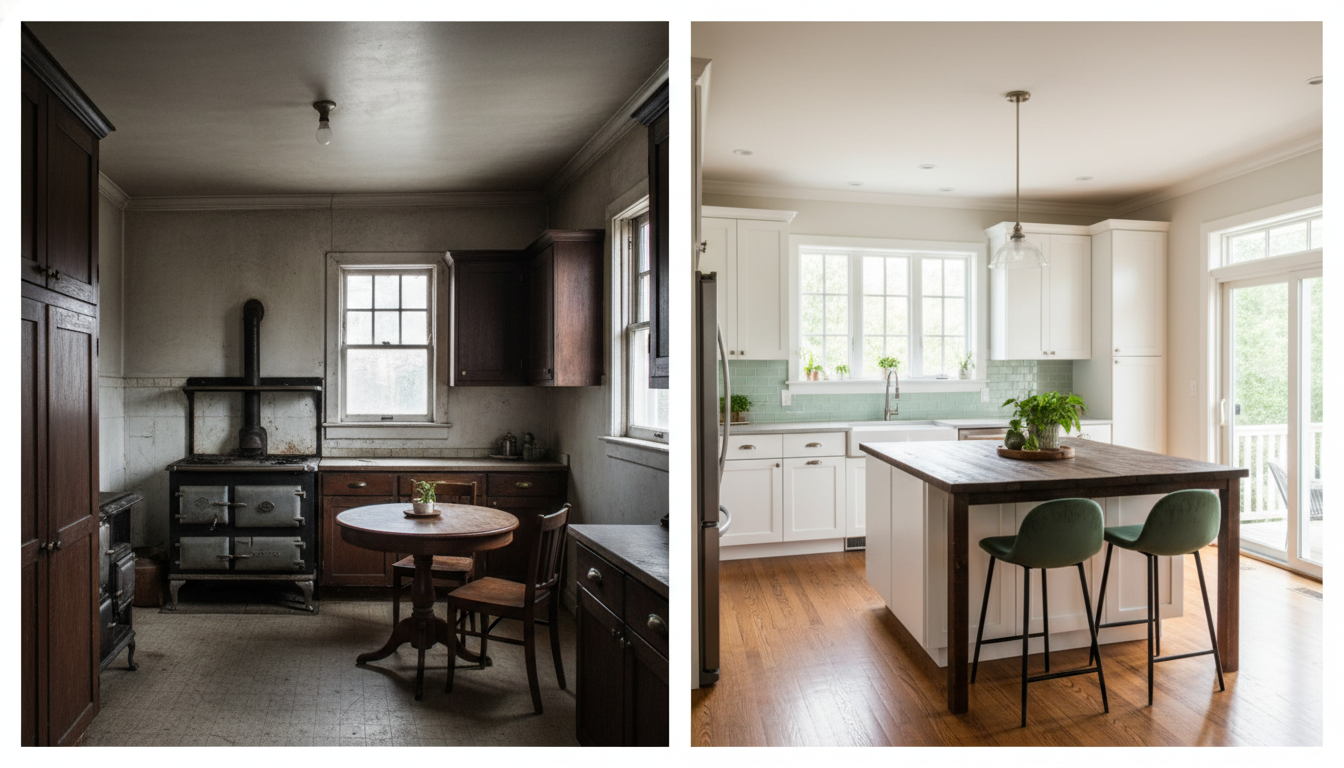
The original 1920s kitchen featured dark cabinetry, limited counter space, and a closed-off layout that isolated the cook from family activities
Why This Seattle Homeowner Needed a Kitchen Remodel
For Sarah and Michael, the decision to remodel wasn't just about aesthetics—it was about functionality and family life. As Sarah explained: "We love to cook and entertain, but our kitchen made both activities feel like punishment rather than pleasure."
Their Primary Goals:
- Create an open-concept layout connecting kitchen, dining, and living areas
- Maximize natural light through strategic window placement and color choices
- Improve workflow with a functional work triangle and adequate counter space
- Add modern amenities while respecting the home's historic character
- Increase storage to accommodate a growing family's needs
- Boost home value in Seattle's competitive real estate market
According to industry data, the average kitchen remodel cost in Seattle ranges from $15,000 to $45,000 for a standard 10×10 kitchen, with mid-range projects in the $30,000–$55,000 range. Sarah and Michael's project fell into the mid-to-upper range due to the structural work required.
The Planning Phase: Setting Realistic Goals
The couple spent three months in the planning phase before any demolition began—a decision that ultimately saved them time and money.
Key Planning Steps:
1. Establishing Priorities
They created a "must-have" versus "nice-to-have" list, which helped them stay focused when making decisions. Must-haves included removing the wall, adding an island, and updating all electrical and plumbing.
2. Setting a Realistic Budget
They allocated 20% of their budget for unforeseen expenses and got quotes from multiple licensed contractors, comparing line items for better control.
3. Researching Design Options
Rather than chasing trends, they focused on timeless design elements that would age well. Bold, earthy hues like deep greens, rich blues, and terracotta tones were popular in 2025, adding warmth and character while creating a connection to nature—perfect for Seattle's eco-conscious homeowners.
4. Understanding Permit Requirements
For all but the most cosmetic upgrades, permits are required in Seattle. They needed three permits for their project: building, electrical, and plumbing.
5. Selecting the Right Contractor
They interviewed five contractors before selecting a design-build firm with extensive experience in historic Seattle homes. This choice proved crucial when unexpected structural issues arose.
Budget Breakdown: Where Every Dollar Went
Total Project Cost: $68,500
Here's exactly how Sarah and Michael's budget was allocated:
| Category | Cost | Percentage | Notes |
|---|---|---|---|
| Cabinetry | $18,500 | 27% | Cabinets typically make up 30–40% of total budget. They chose semi-custom cabinetry at $7,000–$13,000 range |
| Countertops | $6,800 | 10% | Quartz countertops with waterfall edge on island |
| Appliances | $8,200 | 12% | Energy-efficient stainless steel package |
| Labor | $19,500 | 28% | Seattle-area labor rates run $90–$125/hour |
| Structural Work | $7,200 | 11% | Removing load-bearing wall, installing support beam |
| Electrical | $3,800 | 6% | Complete rewiring, adding outlets and lighting |
| Plumbing | $2,400 | 4% | Relocating sink, adding dishwasher line |
| Flooring | $2,100 | 3% | White oak hardwood to match dining room |
| Permits & Fees | $1,500 | 2% | Building, electrical, and plumbing permits |
| Contingency Used | $4,500 | 7% | Subfloor repair, additional framing work |
Budget-Saving Decisions:
- Kept the existing kitchen footprint (no expansion)
- Selected semi-custom rather than fully custom cabinets
- Chose quartz over marble for countertops
- Reused existing hardwood flooring where possible

Thorough planning and material selection with an experienced contractor proved essential to staying on budget and timeline
The Solution: A Strategic Design-Build Approach
Working with their design-build contractor, Sarah and Michael developed a comprehensive solution that addressed every challenge while staying within budget.
The Strategic Plan:
Phase 1: Structural Transformation
The demolition phase began with a complete gutting, followed by removing the wall separating the formal dining area from the kitchen—a key improvement. The contractor installed a steel support beam to carry the load from the second floor, with supporting posts discreetly hidden within flanking walls.
Phase 2: Opening Up the Space
With the wall removed, they created a carefully crafted center island, perfectly placed to enhance both functionality and flow. By creating a generous 44 inches of galley space on either side, they ensured the kitchen felt open, airy, and effortlessly modern.
Phase 3: Preserving Historic Character
The team carefully removed an original trim piece and brought it to experts in fine woodwork who meticulously replicated the molding, ensuring it was an exact match. The result was a thoughtful blending of old and new.
Phase 4: Modern Systems Integration
- Complete electrical rewiring with dedicated circuits for major appliances
- Updated plumbing with new shutoff valves and dishwasher connections
- Smart kitchen technology including refrigerators that track groceries and coffee machines with custom settings, making life easier and adding a futuristic vibe
Design Elements That Made the Difference:
Color Palette: They chose white shaker-style cabinets paired with warm gray lower cabinets—a timeless combination that maximizes light while adding visual interest.
Lighting Strategy: The new design included recessed LED lighting, under-cabinet task lighting, and three pendant lights over the island, eliminating the cave-like feel.
Storage Solutions: Thoughtfully-designed custom cabinetry allowed them to store more within reach. They added a simple life-changing pantry by bumping out a wall.
Sustainable Choices: They prioritized eco-friendly materials including reclaimed wood cabinetry, energy-efficient appliances, and low-VOC paints—sustainability at the forefront of Seattle remodeling projects in 2025.
Timeline: 10 Weeks from Demo to Dinner Party
Full kitchen remodels take 3-5 months. Their timeline was dependent on materials chosen and layout reconfiguration. Sarah and Michael's project took 10 weeks—faster than average due to excellent planning.
Week-by-Week Breakdown:
Weeks 1-2: Demolition and Structural Work
- Complete gutting of existing kitchen
- Removal of load-bearing wall
- Installation of support beam and posts
- Discovery of rotting subfloors and outdated wiring—typical issues hidden until walls are removed
Weeks 3-4: Rough-In Work
- Electrical rewiring throughout kitchen
- Plumbing relocation and upgrades
- Subfloor repair and leveling
- Drywall installation and finishing
Weeks 5-6: Installation Phase
- Cabinet installation and alignment
- Countertop templating and installation
- Flooring installation (white oak hardwood)
- Backsplash tile work
Weeks 7-8: Finishing Touches
- Appliance installation and hookup
- Lighting fixture installation
- Hardware and trim work
- Paint touchups
Weeks 9-10: Final Details and Inspection
- Final inspections (building, electrical, plumbing)
- Punch list completion
- Deep cleaning
- Final walkthrough
Timeline Challenges:
The biggest delay came during Week 2 when they discovered the subfloor damage. These kinds of challenges can add significant time and budget. What could have been done in a few months took longer and went 25% over the planned budget for some homeowners. However, Sarah and Michael's 20% contingency buffer absorbed this setback.
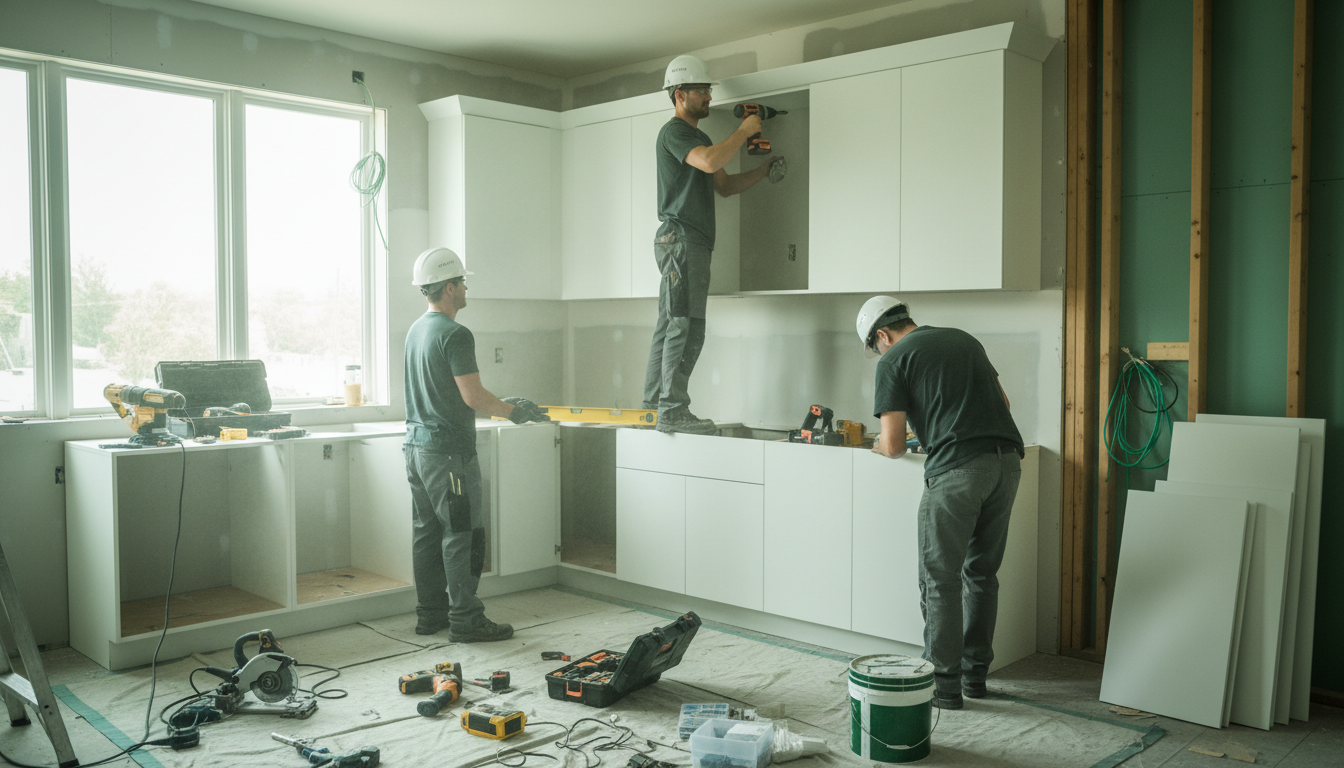
Professional installation and attention to detail during the 10-week construction phase ensured quality results
Results That Exceeded Expectations
Measurable Outcomes:
Space Efficiency: The new layout provided 40% more usable counter space and tripled storage capacity through strategic cabinet design and the addition of a walk-in pantry.
Functionality Improvement: The work triangle now measured an optimal 18 feet total (6 feet between each major appliance), compared to 28 feet in the old layout—dramatically improving cooking efficiency.
Natural Light: Removing the wall and adding transom windows increased natural light by an estimated 60%, transforming the once-dark space.
Energy Efficiency: Energy-efficient appliances reduced energy bills and created a healthier environment for the family. Seattle remodelers were seeing rising demand for green remodeling solutions in 2025.
Home Value Impact: Based on comparable sales in their Ballard neighborhood, the remodel added an estimated $52,000 to their home's value—a strong return on their $68,500 investment. Homeowners can expect to recoup 70% to 80% of the cost of a mid-range kitchen remodel when they sell their home.
Unexpected Benefits:
Sarah noted several benefits they hadn't anticipated:
- Better family connection: "We can now supervise homework while preparing dinner"
- Entertaining ease: "We hosted Thanksgiving for 15 people—something impossible before"
- Morning efficiency: "Multiple family members can prepare breakfast simultaneously without collisions"
- Reduced stress: "The kitchen no longer feels like a chore to use"
Before and After Metrics:
| Metric | Before | After | Improvement |
|---|---|---|---|
| Counter Space | 18 sq ft | 32 sq ft | +78% |
| Storage Capacity | 42 cu ft | 126 cu ft | +200% |
| Natural Light | Minimal | Abundant | +60% |
| Electrical Outlets | 2 | 12 | +500% |
| Daily Usability (1-10) | 4 | 9 | +125% |
Lessons Learned: What Worked and What Didn’t
What Worked Exceptionally Well:
1. Hiring a Design-Build Firm
"Having one team responsible for design and construction eliminated communication gaps," Michael explained. The contractor's experience with historic Seattle homes proved invaluable when structural surprises emerged.
2. The 20% Contingency Buffer
Allocating 20% of the budget for unforeseen expenses is the best approach. This buffer covered the subfloor repair without derailing the project.
3. Living Elsewhere During Construction
With kitchen remodeling, experts highly recommend moving out during the remodel. Sarah and Michael stayed with family for 8 weeks, which reduced stress significantly.
4. Detailed Material Selection Upfront
Making all material decisions before demolition prevented delays. Delivering everything first and only starting once cabinets, appliances, tile and other finishings are on site keeps the job from stalling.
5. Preserving Historic Details
The effort to match original molding and maintain the home's character paid dividends in the final result and future resale value.
What Could Have Been Better:
1. Underestimating Emotional Impact
There's plenty of stress involved in a kitchen remodel project, from navigating financial needs to meeting tight timelines. The couple wished they'd better prepared for the emotional toll of living through construction.
2. Lighting Placement
In hindsight, they would have added one more pendant light over the island and included more dimmer switches for ambiance control.
3. Outlet Placement
While they added many outlets, they wished they'd included more on the island for small appliances and charging devices.
4. Communication About Timeline
Contractors are usually working a complicated schedule with multiple jobs. Being flexible with timing and giving plenty of heads up is important. More frequent check-ins would have reduced anxiety during the project.
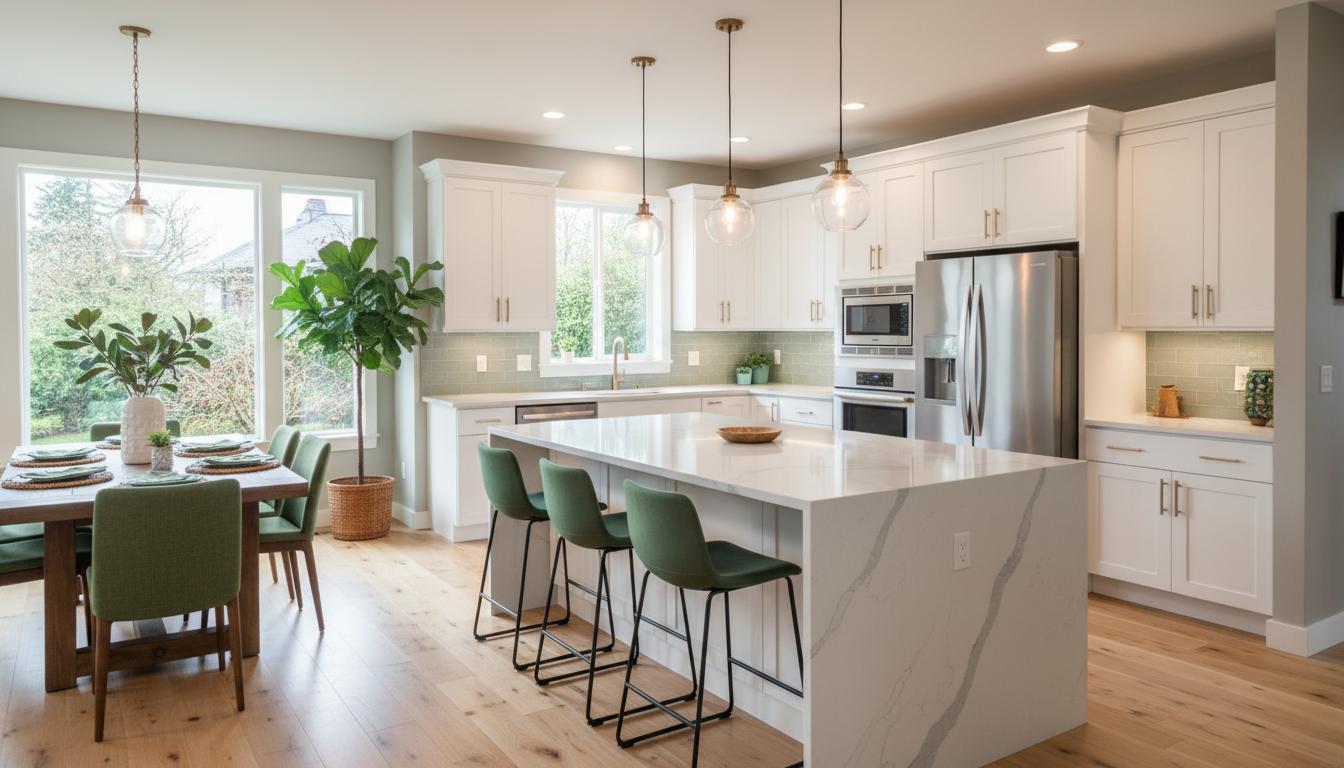
The completed kitchen features an open layout, abundant natural light, and modern amenities while respecting the home's 1920s character
How This Applies to Your Seattle Kitchen Remodel
Who Can Benefit from This Approach:
This case study offers valuable lessons for Seattle homeowners with:
- Historic homes (1920s-1950s) requiring modernization while preserving character
- Closed-off kitchens that need to connect with living spaces
- Mid-range budgets ($50,000-$80,000) for comprehensive remodels
- Structural challenges like load-bearing walls or outdated systems
- Families needing improved functionality and workflow
When This Strategy Works Best:
- You plan to stay in your home for at least 5-7 years to recoup investment
- You value quality over cutting corners
- You can temporarily relocate during construction
- You're working with a home built before 1960 with period details worth preserving
- Your kitchen's footprint is adequate but layout needs optimization
When It Might Not Work:
- Your budget is under $30,000 (consider a cosmetic refresh instead)
- You need to stay in your home during construction
- Your home's structure has major foundation or framing issues
- You're planning to sell within 1-2 years (ROI may not justify full remodel)
- You prefer ultra-modern design that conflicts with historic architecture
Adapting This Approach:
For Smaller Budgets ($30,000-$50,000):
- Keep existing cabinet boxes, replace only doors and drawer fronts
- Choose laminate countertops instead of quartz
- Skip structural changes, focus on cosmetic improvements
- $5,000 covers very minor cosmetic updates like paint and hardware. $10,000 may allow for limited cabinet refacing and budget countertops
For Larger Budgets ($80,000-$120,000):
- Expand the kitchen footprint by 50-100 square feet
- Add high-end appliances and smart home integration
- Include custom cabinetry throughout
- A "best" quality kitchen remodel in Seattle can cost between $85,000 and $120,000 or more
For Newer Homes:
- Focus less on structural issues, more on layout optimization
- Consider more contemporary design elements
- Smart technology integration becomes primary focus
Frequently Asked Questions
How long does a typical kitchen remodel take in Seattle?
To predict how long your kitchen remodel will take, start with 2-3 months for proper design and planning time and add on the build period associated with the type of remodel you need. A full kitchen remodel may take anywhere from 8 to 16 weeks. Delays can occur due to permitting in Washington, product availability, or changes during construction.
What's the average cost of a kitchen remodel in Seattle in 2025?
In 2025, the average kitchen remodel cost in Seattle ranges from $15,000 to $45,000 for a standard 10×10 kitchen, with mid-range projects in the $30,000–$55,000 range and luxury remodels topping $100,000. Kitchen remodel costs across the Seattle metro are rising faster than the national average due to material tariffs, supply chain volatility, labor shortages, and permitting requirements.
Do I need permits for a kitchen remodel in Seattle?
For all but the most cosmetic upgrades, you will likely need a permit. In fact, you may need three permits. Minor repairs or alterations that cost $6,000 or less in any 6-month period don't need a permit, but you need a permit for any work on load-bearing supports, changes to the building envelope, and work that reduces egress, light, ventilation, or fire resistance no matter how small the project.
What's the ROI on a kitchen remodel in Seattle?
In 2025, Seattle homeowners are seeing an average ROI of 65% to 80% on kitchen remodels—sometimes even more in high-demand neighborhoods like Ballard, West Seattle, or Green Lake. Even major kitchen remodels in Seattle come in at 13–16% higher ROI than the national average, making this city one of the best places to invest in kitchen renovations.
Should I stay in my home during a kitchen remodel?
With kitchen remodeling, experts highly recommend you move out during the remodel. While it's possible to use parts of your kitchen during certain stages, it's generally advisable to make alternative arrangements for meal preparation. Most homeowners who relocate temporarily report significantly lower stress levels.
What are the biggest mistakes to avoid in a Seattle kitchen remodel?
One of the biggest mistakes is underestimating the cost of the entire project. Homeowners often focus solely on visible elements like cabinetry and countertops and neglect hidden costs like plumbing upgrades, electrical rewiring, permits, or unexpected structural repairs. Another mistake is ignoring the work triangle—the layout between the sink, stove, and refrigerator. Many homeowners get swept up in Pinterest boards, prioritizing visual aesthetics over everyday usability.
How do I choose the right contractor for my Seattle kitchen remodel?
Look for licensed, bonded, and insured contractors who specialize in kitchen remodeling Seattle homeowners recommend. Check reviews, ask for photos of past projects, and request referrals. For historic homes, seek contractors with specific experience in preserving period details while modernizing functionality.
What kitchen trends are popular in Seattle for 2025?
Neutral tones are taking a backseat as bold, earthy hues like deep greens, rich blues, and terracotta tones dominate kitchen cabinetry, adding warmth and character while creating a connection to nature. Sustainability is at the forefront with reclaimed wood cabinetry, energy-efficient appliances, and low-VOC paints. Smart refrigerators that track groceries and coffee machines with custom settings are becoming staples.
Conclusion: Your Kitchen Remodel Journey Starts Here
Sarah and Michael's kitchen remodel demonstrates that with careful planning, realistic budgeting, and the right professional team, Seattle homeowners can successfully transform outdated kitchens into functional, beautiful spaces that enhance daily life and home value.
Their journey from a dark, cramped 1920s kitchen to a bright, open family hub took 10 weeks and $68,500—an investment that not only improved their quality of life but also added an estimated $52,000 to their home's value.
Key Takeaways for Your Project:
- Plan thoroughly before demolition begins—3 months of planning saved them time and money
- Budget realistically with a 20% contingency for unexpected issues
- Hire experienced professionals familiar with Seattle's building codes and historic homes
- Make all material selections upfront to avoid construction delays
- Consider temporary relocation to reduce stress during construction
- Focus on timeless design that will age well and appeal to future buyers
- Preserve historic character while adding modern functionality
Whether you're planning a Kitchen Remodel Seattle WA: 2025 Cost Comparison & Contractor Selection Guide or exploring Seattle Kitchen Designer: Your Complete 2025 Guide to Transform Your Dream Kitchen, this case study provides a roadmap for success.
Ready to Start Your Seattle Kitchen Remodel?
At WAREMODEL, we specialize in transforming Seattle-area kitchens with comprehensive design-build services that include 3D design consultation, professional installation across all trades, and family-centered design philosophy at competitive pricing. Serving homeowners across King County and Pierce County, we bring decades of experience to every project.
Contact WAREMODEL today to schedule your consultation and start planning your kitchen transformation. Your dream kitchen is closer than you think—and with the right approach, you can achieve results that exceed your expectations while staying within budget.
For more inspiration and guidance, explore our related articles on Bath Remodeling in Seattle: Design Ideas That Work in the PNW and Custom Kitchen Cabinets in Bellevue: Materials, Styles & Pricing.