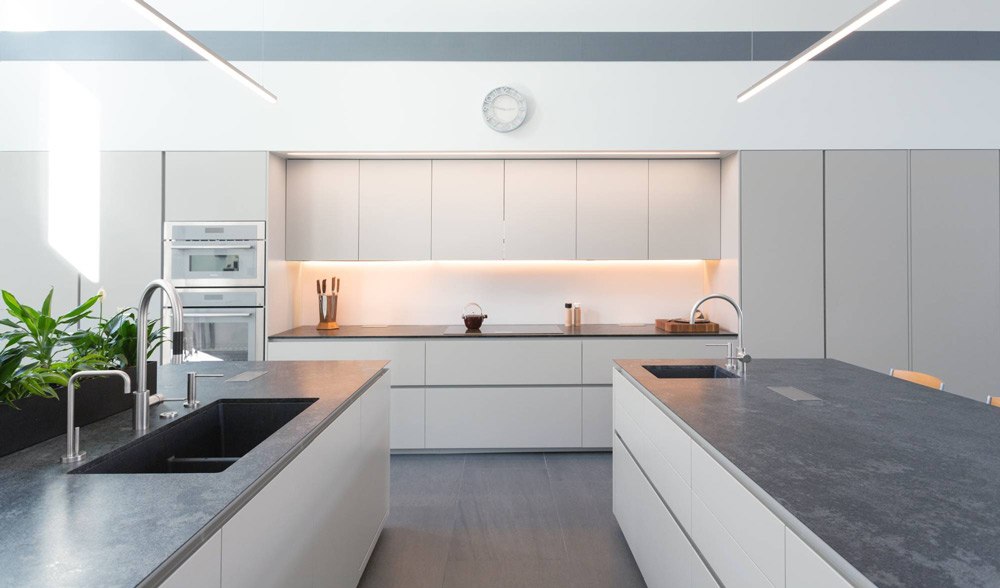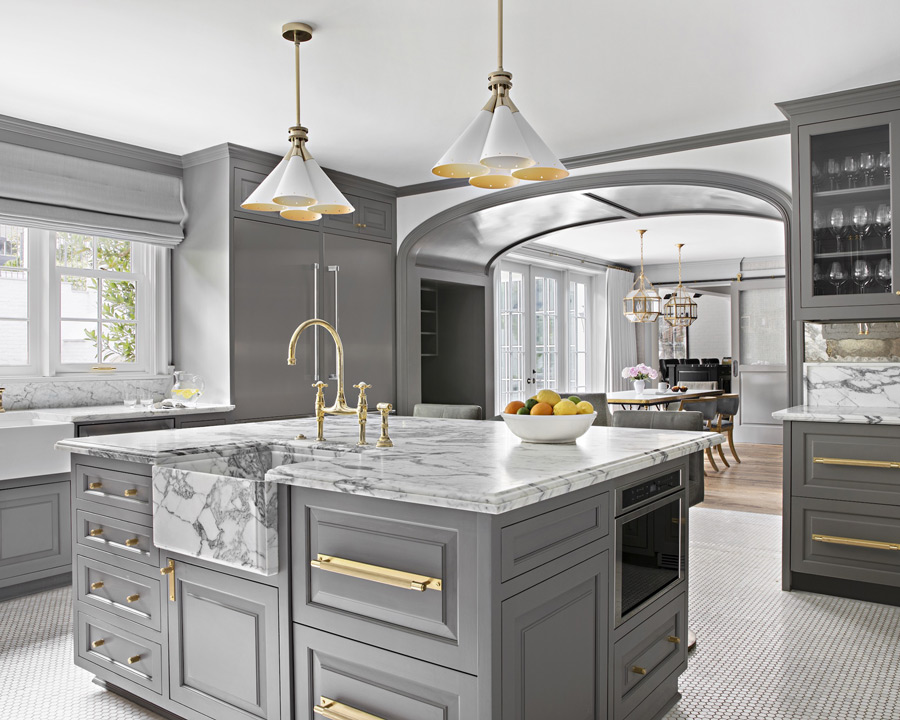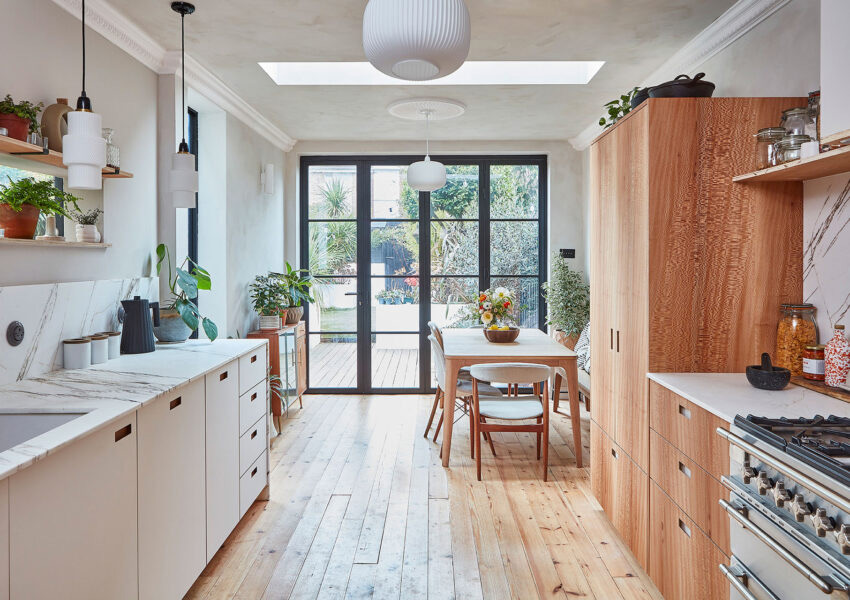
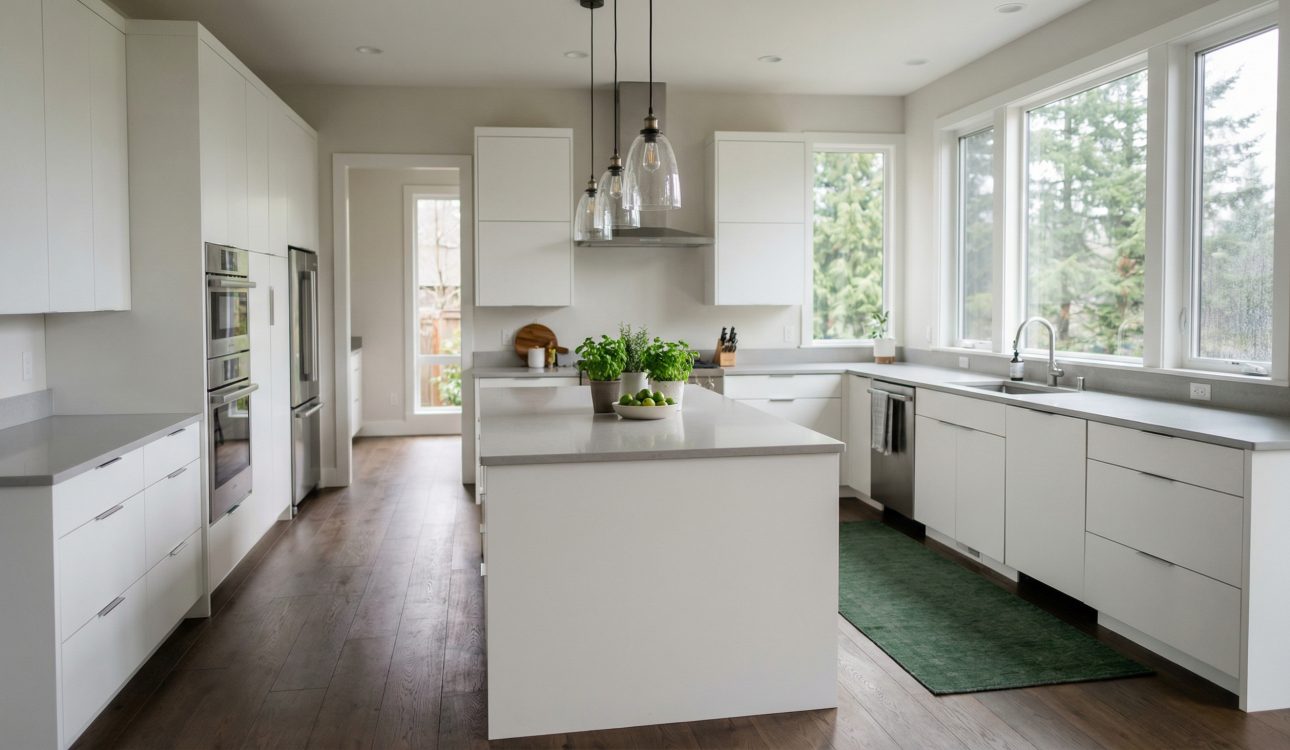
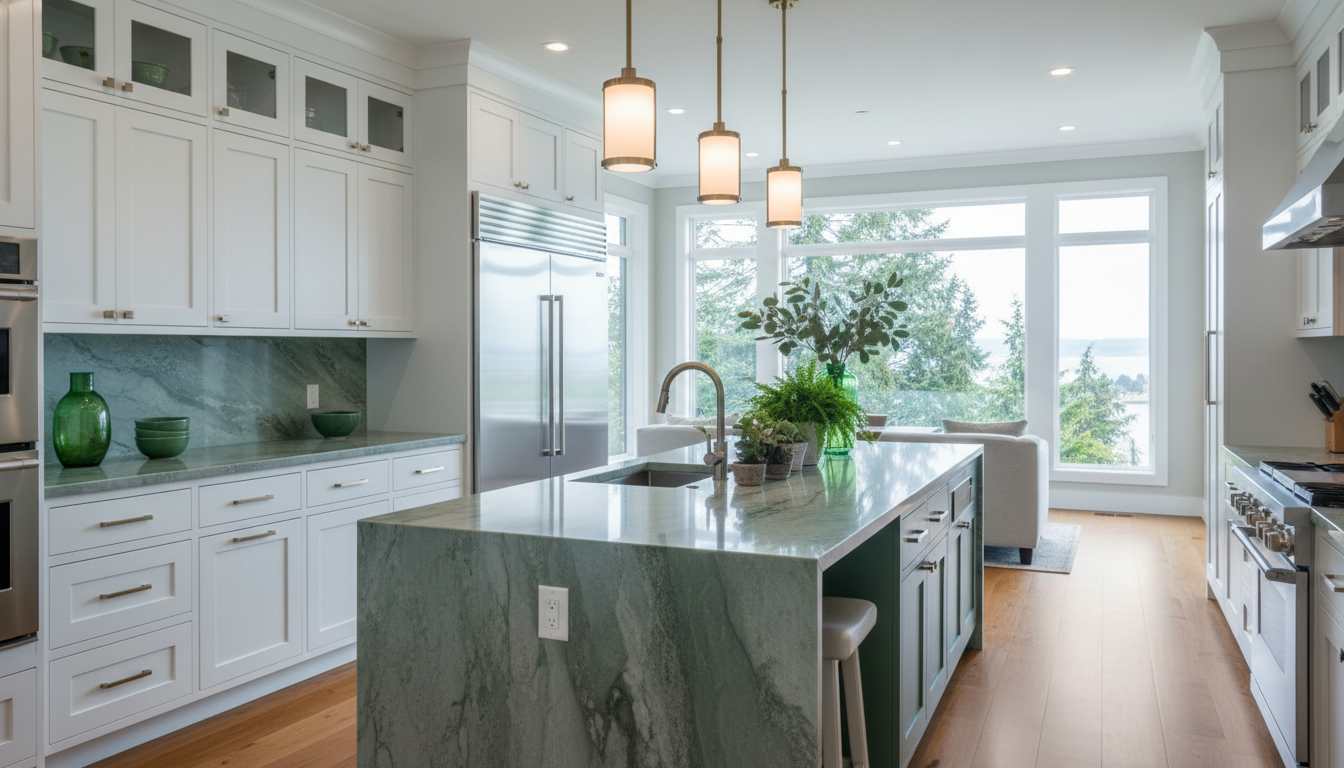
A professionally designed Seattle kitchen showcasing custom cabinetry, functional layout, and modern aesthetics that increase home value.
Finding the right seattle kitchen designer can transform your cooking space from outdated to extraordinary. Whether you're in Bellevue, Tacoma, or anywhere across King County and Pierce County, choosing a skilled seattle kitchen designer means the difference between a stressful renovation and a seamless transformation that adds both beauty and value to your home. With Seattle's competitive real estate market and unique design preferences, working with a local seattle kitchen designer who understands regional trends, building codes, and family-centered functionality is essential for success.
Quick Answer:
A qualified seattle kitchen designer combines 3D design expertise, comprehensive project management, and knowledge of local building codes to create functional, beautiful kitchens. The best designers offer full design-build services, transparent pricing (typically $45,000-$125,000+ for full remodels), and handle everything from initial consultation through final installation across all trades.Key Takeaways:
- Design-Build Advantage: Seattle kitchen designers who offer complete services (design + installation) reduce coordination headaches and timeline delays by 30-40%
- Local Expertise Matters: Understanding Seattle's permit requirements, seismic codes, and neighborhood aesthetics prevents costly mistakes
- ROI Potential: Professional kitchen design delivers 60-80% return on investment in Seattle's competitive housing market
Table of Contents
- Why Hiring a Seattle Kitchen Designer Is Essential in 2025
- What Makes a Great Seattle Kitchen Designer
- Seattle Kitchen Design Trends for 2025
- The Complete Kitchen Design Process: What to Expect
- Cost Breakdown: Seattle Kitchen Designer Fees and Project Budgets
- Design-Build vs. Design-Only: Choosing Your Approach
- Questions to Ask Before Hiring Your Seattle Kitchen Designer
- Common Kitchen Design Mistakes and How to Avoid Them
- Maximizing Your Kitchen's Functionality and Value
- Conclusion
- FAQ
Why Hiring a Seattle Kitchen Designer Is Essential in 2025
The kitchen is where families gather, meals are created, and memories are made. In 2025, Seattle homeowners are seeing an average ROI of 65% to 80% on kitchen remodels, making professional design expertise not just a luxury but a strategic investment. In almost every circumstance, doing a full remodel of your Seattle kitchen will require permits and a full series of inspections, which is why working with an experienced seattle kitchen designer who understands local regulations is crucial.
Beyond financial returns, a professional seattle kitchen designer brings critical local knowledge. The city of Seattle does not require permits for minor repairs or alterations that cost a total of $6,000 or less, but most substantial remodels exceed this threshold and require navigating Seattle's complex permitting landscape. A qualified designer handles these complexities while ensuring your project meets seismic codes, zoning requirements, and neighborhood standards specific to King County and Pierce County.
The value of professional design extends beyond paperwork. The demand for professional kitchen design in 2025 has never been more relevant as homeowners need efficiency, smart storage, and adaptability. Seattle's competitive housing market means that poorly designed kitchens can significantly impact resale value, while professionally designed spaces become major selling points that attract buyers willing to pay premium prices.

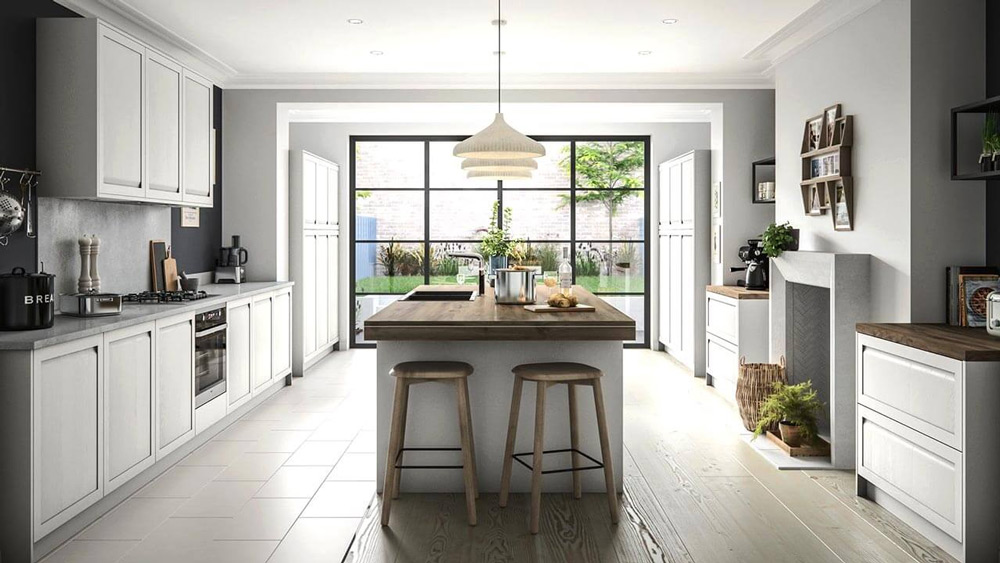
Professional kitchen designers provide 3D visualization and expert guidance throughout the entire remodeling process.
What Makes a Great Seattle Kitchen Designer
Not all kitchen designers are created equal. When searching for a seattle kitchen designer, look for these essential qualifications and attributes:
Professional Certifications: The most respected credential is the Certified Kitchen Designer (CKD), which demonstrates extensive knowledge of building codes, appliances and mechanical systems. Certified Kitchen Designers write specifications and draw plans that are easily interpreted by plumbers, electricians, and installers. The Certified Kitchen & Bath Designer (CKBD) specializes in the design, planning and execution of residential kitchens and bathrooms, demonstrating knowledge, skills and experience necessary to design and document residential kitchen and bath solutions.
Local Market Knowledge: A seattle kitchen designer must understand regional specifics—from Seattle's unique seismic building codes to the Pacific Northwest's moisture considerations. They should know which materials perform best in our climate and understand neighborhood-specific design preferences across Bellevue, Tacoma, Renton, and other King County communities.
3D Design Capabilities: Modern kitchen design requires sophisticated visualization tools. Professional designers use advanced 3D rendering software that lets you see exactly how your finished kitchen will look before construction begins, reducing costly mid-project changes and buyer's remorse.
Complete Trade Coordination: The best seattle kitchen designer doesn't just create pretty pictures—they coordinate all trades including cabinetry, tile work, plumbing, electrical, flooring, drywall, and painting. This holistic approach ensures seamless execution and prevents the common problem of design elements that look great on paper but prove impossible to install.
Seattle Kitchen Design Trends for 2025
Understanding current design trends helps ensure your kitchen remains stylish and functional for years to come. Seattle kitchen designers are well-versed in the latest trends sweeping through Ballard, Kirkland, and surrounding areas, seamlessly integrating local flair into designs.
Pacific Northwest Aesthetic: Natural elements like stone, wood, and plants are becoming more popular in kitchen design, creating a warm and inviting atmosphere while also being eco-friendly and sustainable. This regional preference reflects Seattle's connection to the outdoors, with designs blending urban chic with the charm of the Pacific Northwest, promoting open concepts that embrace natural beauty.
Color Palettes for 2025: According to 76% of design and remodeling professionals, green will be the most popular color to incorporate in the kitchen this year, with blue (63%) and brown (56%) rounding out the top three. These shades reflect a shift away from once-dominant grays and whites toward nature-inspired palettes. Given Seattle's gray skies and evergreens, Northwest light tends to bring out green and blue tones, so designers use softer, warmer whites and grays in cabinetry to balance this.
Sustainable Materials: As environmental awareness grows, the demand for sustainable materials in kitchen design continues to rise, with Pacific Northwest homeowners seeking locally sourced and eco-friendly materials. This trend aligns perfectly with Seattle's green initiatives and environmental consciousness.
Functional Design Features: In 2025, concealed storage is replacing open shelving, with 87% of kitchen professionals reporting that homeowners prefer pantry designs concealed behind cabinet doors to maintain a polished look. Tech is taking over kitchens in 2025, with motion-sensor faucets, WiFi-enabled ovens and fridges that track groceries making cooking and cleaning easier.
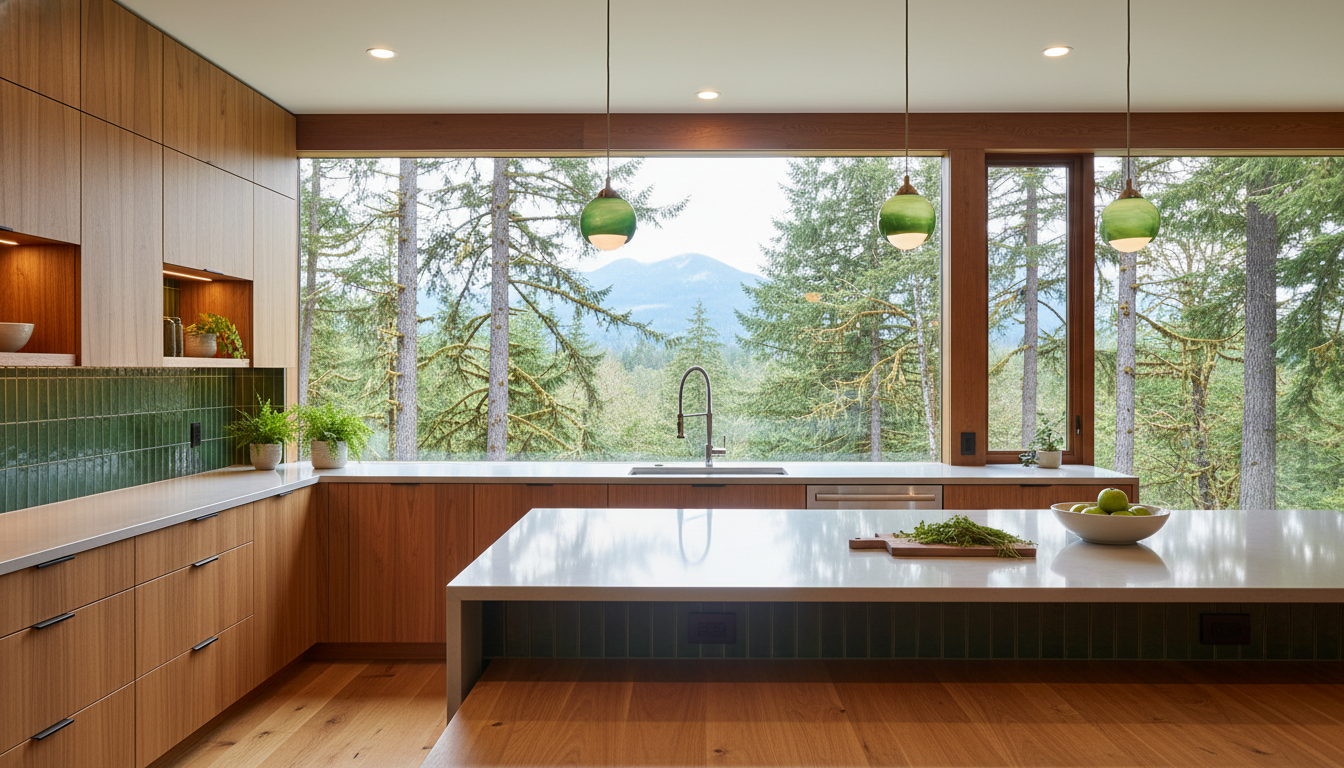
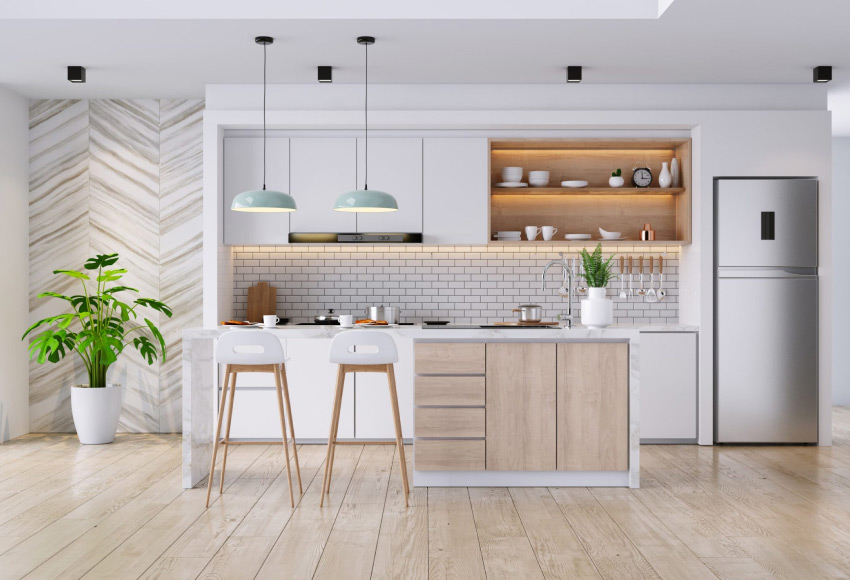
Pacific Northwest kitchen design embraces natural materials, sustainable choices, and connection to the outdoors.
The Complete Kitchen Design Process: What to Expect
Working with a professional seattle kitchen designer follows a structured process that ensures your vision becomes reality without costly surprises or delays.
Phase 1: Initial Consultation (Week 1) Your designer will assess your current space, discuss your lifestyle needs, cooking habits, and aesthetic preferences. They'll measure every dimension, photograph existing conditions, and discuss your budget honestly. This is when you should share inspiration images from Pinterest, Houzz, or magazines to help your designer understand your style.
Phase 2: Concept Development (Weeks 2-3) The designer creates initial layout options using 3D rendering software. You'll see multiple floor plan configurations, cabinet arrangements, and appliance placements. This phase includes selecting cabinet styles, countertop materials, backsplash options, flooring, lighting fixtures, and hardware. Your designer will provide material samples and cost estimates for each option.
Phase 3: Design Refinement (Weeks 3-4) Based on your feedback, the designer refines the chosen concept. They'll create detailed drawings showing exact dimensions, electrical outlet locations, plumbing fixture positions, and lighting plans. This is when you'll finalize all selections and receive a comprehensive project quote.
Phase 4: Permitting (Weeks 5-7) Your designer or design-build firm handles all permit applications with the Seattle Department of Construction and Inspections. For a kitchen remodel, you can usually get a STFI (subject to field inspection) permit, which is faster than full plan review. Most kitchen remodels require building, electrical, and plumbing permits.
Phase 5: Ordering & Pre-Construction (Weeks 8-10) All materials are ordered—cabinets typically have 6-8 week lead times, while custom elements may take longer. Your project manager schedules all trades and confirms delivery dates.
Phase 6: Construction (Weeks 11-18) Demolition begins, followed by rough-in work (plumbing, electrical, HVAC), then installation of cabinets, countertops, backsplash, flooring, and fixtures. A design-build seattle kitchen designer coordinates all trades, conducts inspections, and keeps you updated on progress.
Phase 7: Final Inspection & Completion (Week 19) City inspectors verify all work meets code requirements. Your designer conducts a final walkthrough, addressing any punch list items before project completion.
For those interested in complementary bathroom updates, explore our guide on Bathroom Remodel Seattle: Your Complete 2025 Guide to Transform Your Space to see how coordinated design across multiple rooms creates cohesive home value.
Cost Breakdown: Seattle Kitchen Designer Fees and Project Budgets
Understanding the financial investment required for a seattle kitchen designer and complete remodel helps you budget appropriately and avoid surprises.
Designer Fee Structures:
According to kitchen design services cost anywhere from $5,000–$31,650, depending on scope and designer experience. The most common fee structures include:
-
Hourly Rates: Independent kitchen designers typically charge $65 to $250 per hour, with most averaging $125 to $150 per hour. This rate applies to design time, meetings, phone calls, and site visits.
-
Flat Fees: For comprehensive design blueprints, flat fees range from $500 to $10,000, with typical investment of $2,500 to $3,500. Conceptual consultations average $350 to $500.
-
Percentage of Project Cost: Some designers charge 10% to 20% of total remodeling costs. For example, on a $60,000 kitchen budget, design fees would be $6,000.
-
Design-Build Inclusive Pricing: Many seattle kitchen designer firms include design services within their comprehensive project pricing, eliminating separate design fees while providing complete accountability.
Total Project Costs in Seattle (2025):
Kitchen remodels in Seattle range from $25,000 to $150,000, depending on scope. In Seattle, kitchen remodeling tends to cost about 15% more than in many other cities due to higher local labor rates and stricter permit requirements. Here's the realistic breakdown:
| Project Scope | Cost Range | What's Included |
|---|---|---|
| Minor Refresh | $15,000 – $35,000 | Cabinet refacing, countertop replacement, new fixtures, painting, minor updates |
| Mid-Range Remodel | $45,000 – $95,000 | New cabinets (semi-custom), quartz countertops, mid-range appliances, flooring, backsplash, lighting |
| Full Custom Remodel | $85,000 – $150,000+ | Custom cabinetry, premium countertops, high-end appliances, layout changes, structural modifications |
Cost Breakdown by Component:
Cabinets are usually the single biggest expense, often making up 30–40% of the total budget. In Seattle, cabinet costs range from $5,000–$8,000 for stock options, $7,000–$13,000 for semi-custom, and $12,000–$30,000+ for fully custom cabinetry. Countertops and appliances are typically the next most expensive categories, with Seattle-area labor rates running $90–$125/hour.
For homeowners in Bellevue considering coordinated upgrades, our Custom Kitchen Cabinets Bellevue: Your Complete 2025 Guide to Luxury Kitchen Transformation provides detailed guidance on cabinet selection and budgeting.
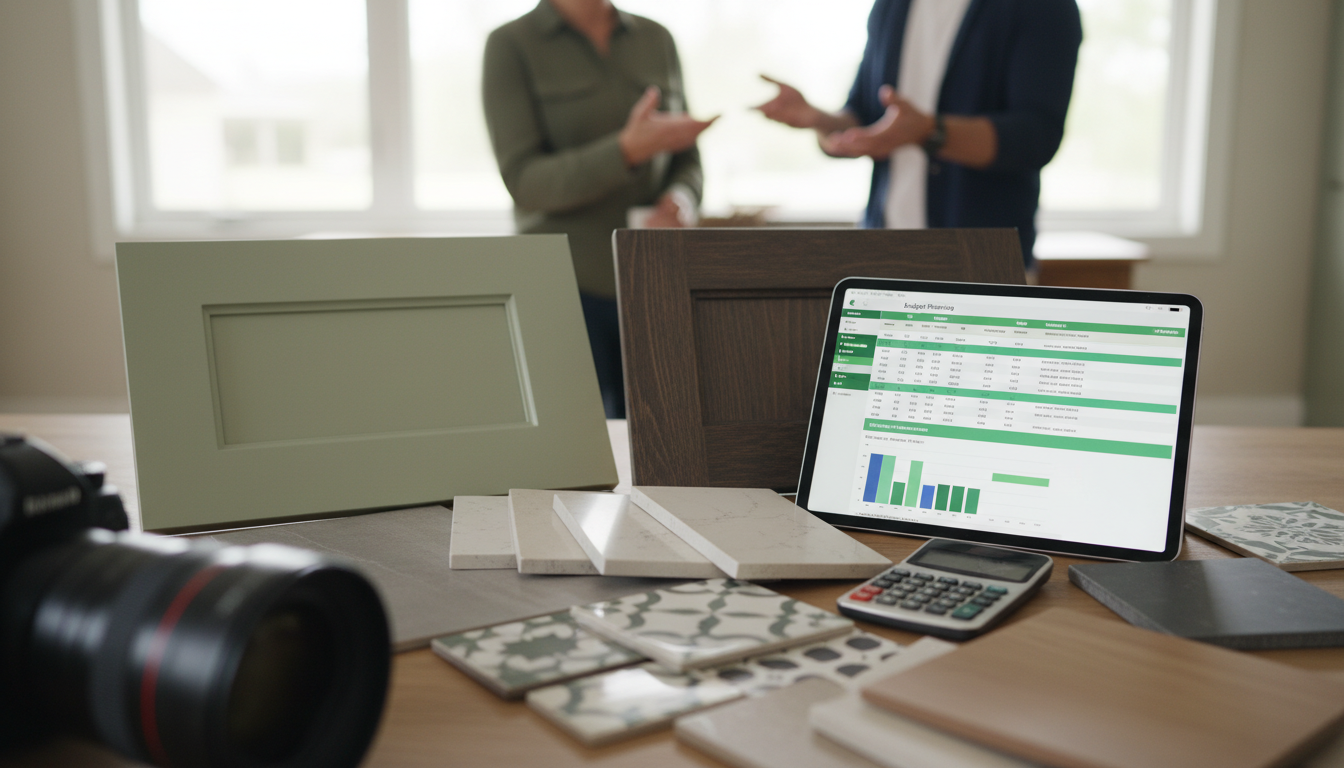
Understanding cost breakdowns and material options helps homeowners make informed budget decisions.
Design-Build vs. Design-Only: Choosing Your Approach
One of the most important decisions when hiring a seattle kitchen designer is whether to choose a design-build firm or a design-only approach.
Design-Build Approach:
A design-build firm is a one-stop shop, staffed with designers and craftsmen who handle everything from inception to completion. Design-build has several unique benefits for a complicated project like a full custom kitchen remodel, offering a single point of accountability where you'll never get into a situation where the designer and general contractor blame each other for deficiencies.
Benefits:
- Unified Accountability: The same team handles design and construction, eliminating finger-pointing if problems arise
- Streamlined Communication: With the design and construction teams under one roof, everyone shares the same goal, fostering open communication and minimizing misunderstandings
- Cost Predictability: Because the budget is set in-house during the design phase, change orders are reduced
- Faster Timelines: This approach greatly shortens both the planning and construction phases, making it a more efficient financial solution
- Ongoing Collaboration: Your designer is on the same team as your lead carpenter, who can easily consult throughout the build
Design-Only Approach:
This traditional method involves hiring an independent designer or architect to create plans, then separately hiring contractors to execute the work.
Benefits:
- Competitive Bidding: You can solicit multiple contractor bids on the completed design
- Specialized Expertise: Access to designers who focus exclusively on design without construction concerns
- Flexibility: Freedom to choose different contractors for different phases
Drawbacks:
- Coordination Challenges: You become the project manager coordinating between designer and contractors
- Potential Conflicts: Designers and contractors may disagree on feasibility or costs
- Budget Surprises: Designs may exceed budget when contractors actually price the work
- Extended Timelines: The bidding process and coordination add weeks or months
WAREMODEL's Design-Build Advantage:
WAREMODEL operates as a comprehensive design-build firm, delivering complete kitchen and bathroom remodeling services across King County and Pierce County. This approach provides:
- 3D design consultation showing exactly how your finished kitchen will look
- Professional installation across all trades (cabinets, tile, flooring, drywall, painting)
- Family-centered design philosophy ensuring functionality meets aesthetics
- Competitive pricing through direct sourcing and efficient project management
- Single point of contact throughout the entire process
For homeowners considering bathroom upgrades alongside kitchen remodels, Bathroom Remodel Bellevue WA: Your Complete 2025 Guide to Luxury Transformation demonstrates how coordinated design-build services create cohesive whole-home transformations.
Questions to Ask Before Hiring Your Seattle Kitchen Designer
Choosing the right seattle kitchen designer requires asking the right questions during initial consultations. Here are the essential inquiries that separate exceptional designers from mediocre ones:
Credentials & Experience:
- Are you certified (CKD, CKBD, or AKBD)?
- How many years have you been designing kitchens specifically in the Seattle area?
- Can you provide references from recent clients in King County or Pierce County?
- Do you have a portfolio showing completed projects similar to my style and budget?
Design Process:
- What does your design process look like from consultation to completion?
- Do you provide 3D renderings so I can visualize the finished space?
- How many revision rounds are included in your fee?
- How do you incorporate my lifestyle needs and cooking habits into the design?
Project Management:
- Are you design-only or design-build?
- If design-only, which contractors do you recommend and why?
- Who will be my primary point of contact during construction?
- How do you handle unexpected issues that arise during construction?
Permits & Compliance:
- Do you handle all permit applications with Seattle SDCI?
- Are you familiar with Seattle's specific building codes and seismic requirements?
- What's your experience with STFI permits for kitchen remodels?
- Have you had projects red-tagged or delayed due to permit issues?
Budget & Timeline:
- What is your fee structure (hourly, flat fee, percentage)?
- Can you provide a detailed cost estimate before I commit?
- What's the typical timeline from design approval to project completion?
- How do you handle cost overruns or change orders?
Material Selection:
- Do you have relationships with local suppliers that provide better pricing?
- Can I source my own materials, or do you require using specific vendors?
- How do you select materials that perform well in Seattle's climate?
- What warranties come with cabinets, countertops, and appliances you specify?
Common Kitchen Design Mistakes and How to Avoid Them
Even with professional help, certain pitfalls can derail kitchen remodels. A skilled seattle kitchen designer helps you avoid these costly errors:
Mistake #1: Insufficient Storage Planning
Many homeowners underestimate their storage needs. Your designer should account for every pot, pan, appliance, and pantry item you own, plus 20% growth. Solutions include pull-out pantry systems, corner carousels, and hidden compartments that maximize every inch.
Mistake #2: Poor Lighting Design
Relying solely on overhead lighting creates shadows in work areas. Professional designers layer ambient, task, and accent lighting—under-cabinet LED strips for countertop work, pendant lights over islands, and recessed ceiling lights for overall illumination.
Mistake #3: Ignoring the Work Triangle
The classic work triangle (refrigerator, sink, stove) remains relevant. Your designer ensures these three points form an efficient triangle with 4-9 feet between each, minimizing steps while cooking.
Mistake #4: Choosing Trendy Over Timeless
While bold colors and unique materials can be tempting, they may feel dated quickly. Experienced designers balance current trends with timeless elements, perhaps using trendy colors in easily replaceable items like hardware or backsplash while keeping cabinets and countertops more neutral.
Mistake #5: Inadequate Ventilation
Seattle's moisture-prone climate demands excellent ventilation. Your designer should specify range hoods with adequate CFM ratings (typically 100 CFM per linear foot of cooking surface) that vent to the exterior, not recirculate.
Mistake #6: Forgetting About Appliance Clearances
Refrigerators need space to open fully, dishwashers require clearance for loading, and ovens need heat-resistant surroundings. Professional designers know exact clearance requirements and plan accordingly.
Mistake #7: Skimping on Outlets
Modern kitchens need numerous outlets for appliances, charging stations, and devices. Code requires outlets every 4 feet along countertops, but smart designers add even more, including USB charging ports and dedicated circuits for high-draw appliances.
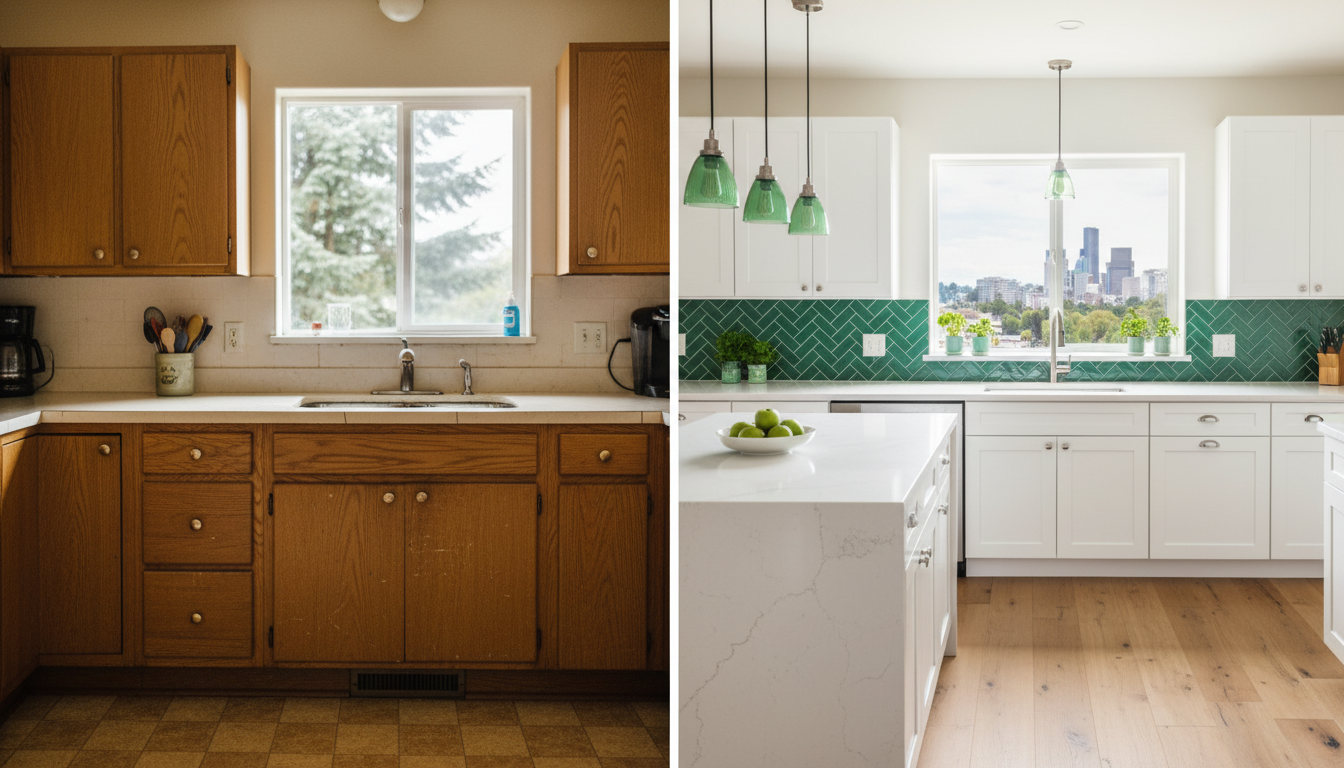
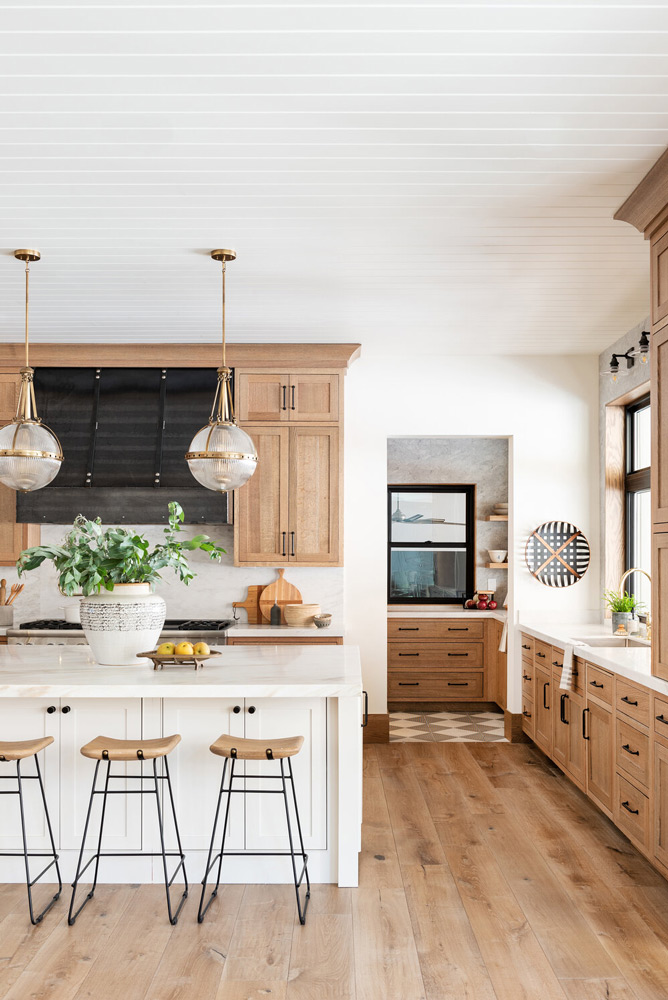
Professional kitchen design transforms outdated spaces into functional, beautiful gathering places for families.
Maximizing Your Kitchen’s Functionality and Value
A great seattle kitchen designer doesn't just create beautiful spaces—they maximize both daily functionality and long-term home value.
Universal Design Principles:
In 2025, we're seeing even more thoughtful upgrades—like soft-close drawers with integrated lighting, touch-to-open cabinets and lowered countertops—that help create a home that works beautifully for every generation. These features accommodate aging in place while appealing to buyers of all ages.
Smart Home Integration:
Tech is taking over kitchens in 2025, with motion-sensor faucets, WiFi-enabled ovens and fridges that track groceries making cooking and cleaning easier. Your designer should plan for adequate outlets, WiFi coverage, and integration with home automation systems.
Sustainable Choices:
Seattle's environmentally conscious homeowners increasingly seek locally sourced and eco-friendly materials. Sustainable kitchens feature bamboo cabinets, reclaimed wood accents, recycled glass countertops, and energy-efficient appliances that reduce environmental impact while lowering utility bills.
Resale Value Considerations:
Professional kitchen design delivers 60-80% return on investment in Seattle's competitive housing market. The best designers balance personal preferences with broad market appeal, ensuring your kitchen attracts future buyers while serving your current needs.
Workflow Optimization:
Beyond aesthetics, exceptional designers create kitchens that work efficiently. This includes placing the dishwasher near the sink for easy loading, positioning the microwave at a comfortable height, creating dedicated zones for prep, cooking, and cleanup, and ensuring adequate landing space beside all appliances.
For those planning coordinated upgrades, Kitchen and Bath Showroom Seattle: Your Complete 2025 Guide to Transform Your Space provides insights into selecting complementary fixtures and finishes that create cohesive design throughout your home.
Conclusion
Hiring a qualified seattle kitchen designer represents one of the smartest investments you can make in your home. With Seattle homeowners seeing 65-80% ROI on kitchen remodels and professional design preventing costly mistakes, the value extends far beyond aesthetics.
The best seattle kitchen designer brings local expertise—understanding Seattle's permit requirements, seismic codes, and Pacific Northwest design preferences—while providing 3D visualization, comprehensive trade coordination, and either design-build integration or contractor collaboration. Whether you choose WAREMODEL's complete design-build services or another qualified professional, prioritize certifications (CKD, CKBD), local experience, and a proven portfolio.
Your kitchen is where memories are made, meals are shared, and daily life unfolds. Don't leave its transformation to chance. Partner with a seattle kitchen designer who understands both the technical requirements of King County and Pierce County remodeling and the aesthetic preferences that make Seattle homes unique.
Ready to transform your kitchen? WAREMODEL delivers comprehensive kitchen and bathroom remodeling services across Bellevue, Seattle, Kent, Renton, Tacoma, Fife, Federal Way, Gig Harbor, Bremerton, Poulsbo, Bainbridge Island, and Kingston. Our family-centered design philosophy, 3D consultation process, and complete design-build approach ensure your project exceeds expectations while staying on budget and schedule.
Contact WAREMODEL today to schedule your complimentary design consultation and discover how professional kitchen design can transform your home.
FAQ
How much does a seattle kitchen designer cost?
Seattle kitchen designer fees typically range from $2,500 to $10,000 depending on project scope. Hourly rates run $125-$150, while flat fees for complete design packages average $2,500-$3,500. Design-build firms like WAREMODEL often include design services within comprehensive project pricing, providing better value and unified accountability. Total project costs in Seattle range from $45,000 for mid-range remodels to $150,000+ for custom transformations.
What certifications should I look for in a kitchen designer?
The Certified Kitchen Designer (CKD) and Certified Kitchen & Bath Designer (CKBD) certifications demonstrate extensive knowledge of building codes, appliances and mechanical systems. These professionals write specifications and draw plans that are easily interpreted by plumbers, electricians, and installers. The Associate Kitchen and Bath Designer (AKBD) certification indicates a minimum of two years of experience and knowledge in safety, building codes, space planning, and product selection.
Do I need permits for a kitchen remodel in Seattle?
Yes, in almost every circumstance, doing a full remodel of your Seattle kitchen will require permits and a full series of inspections. The city of Seattle does not require permits for minor repairs or alterations that cost a total of $6,000 or less, but most substantial remodels exceed this threshold. You'll typically need building, electrical, and plumbing permits. A qualified seattle kitchen designer or design-build firm handles all permit applications with Seattle SDCI.
What's the difference between design-build and design-only services?
Design-build firms provide both design and construction services under one roof, offering unified accountability, streamlined communication, and faster timelines. Design-only services involve hiring an independent designer to create plans, then separately hiring contractors for execution. While design-only allows competitive bidding, design-build eliminates coordination challenges and prevents situations where designers and contractors blame each other for problems. For complex kitchen remodels, design-build typically delivers better results with less homeowner stress.
How long does a Seattle kitchen remodel take?
The average kitchen remodel in Seattle takes 6–12 weeks once work begins, with timelines depending on scope. Minor updates may take 3–4 weeks, while full remodels with custom cabinets, layout changes, or major plumbing/electrical modifications can stretch to several months. The upfront planning and design process typically takes 1-2 months, and permitting can add 2-7 weeks. Most kitchen remodels take 4-6 months from initial consultation to final completion.
What kitchen design trends are popular in Seattle for 2025?
According to 76% of design professionals, green will be the most popular color to incorporate in kitchens this year, with blue and brown rounding out the top three. Pacific Northwest homeowners favor natural materials like stone, wood, and plants, creating warm atmospheres while being eco-friendly. Concealed storage is replacing open shelving, with 87% of professionals reporting homeowners prefer pantry designs concealed behind cabinet doors. Smart technology including motion-sensor faucets and WiFi-enabled appliances is also gaining momentum.
Should I choose a design-build firm or hire a designer and contractor separately?
For most Seattle kitchen remodels, design-build offers superior results. This approach provides a single point of accountability, eliminates coordination headaches, and reduces timeline delays by 30-40%. Design-build firms handle everything from 3D design consultation through final installation across all trades. While design-only services allow competitive bidding, they require homeowners to manage coordination between designers and contractors, often leading to miscommunication, budget surprises, and extended timelines. WAREMODEL's design-build approach delivers comprehensive services with competitive pricing and unified project management.
How can I maximize ROI on my Seattle kitchen remodel?
Professional kitchen design delivers 60-80% return on investment in Seattle's competitive housing market. To maximize ROI, work with a certified seattle kitchen designer who understands local preferences, invest in quality cabinets (which make up 30-40% of budgets but define your kitchen's look), choose timeless finishes over trendy ones, ensure excellent functionality through proper workflow design, and incorporate universal design features that appeal to all generations. In Seattle specifically, eco-friendly materials and energy-efficient appliances add particular value given the region's environmental consciousness.