Seattle's real estate market has transformed dramatically over the past five years, and homeowners across King County and Pierce County are increasingly recognizing that strategic renovations deliver both immediate lifestyle improvements and long-term property value. But when budgets are limited—and they almost always are—choosing between kitchen and bathroom renovations becomes one of the most consequential decisions a homeowner can make. This guide breaks down the costs, timelines, and real-world outcomes of both projects to help you decide which renovation makes the most sense for your home and your family's needs.
Quick Answer:
In Seattle, midrange kitchen remodels average $87,697 while midrange bathroom remodels cost around $32,758. Kitchen renovations typically offer greater ROI and impact on daily living, but bathroom remodels are faster to complete and more affordable. The right choice depends on your current space's condition, family priorities, and available budget.Key Takeaways:
- Kitchen costs are 2.7x higher than bathroom remodels in Seattle, but deliver significantly better return on investment
- Bathroom remodels take 4-8 weeks, while kitchens typically require 10-16 weeks
- Budget trends show 53% of homeowners plan to spend $5,000+ on renovations in 2025
- Professional installation is non-negotiable in Seattle's climate and housing market
- Strategic choice matters: Kitchen if you're staying long-term; bathroom if you're selling soon
Table of Contents
- Understanding Seattle's Renovation Market
- Kitchen Remodeling in Seattle
- Bathroom Remodeling in Seattle
- Head-to-Head Comparison
- Budget Planning & Cost Breakdown
- Why Professional Contractors Matter
- Choosing Your First Project
- Common Renovation Mistakes
- The WAREMODEL Difference
- Frequently Asked Questions
Understanding Seattle’s Renovation Market
Seattle's renovation landscape reflects broader trends affecting homeowners nationwide, but with distinct regional characteristics. According to Houzz's 2024 U.S. Houzz & Home Study, the median spend on home renovations reached $24,000 in 2023, which was 60% higher than the median spending in 2020 ($15,000). This dramatic increase reveals shifting homeowner priorities: rather than moving, people are upgrading their existing homes.
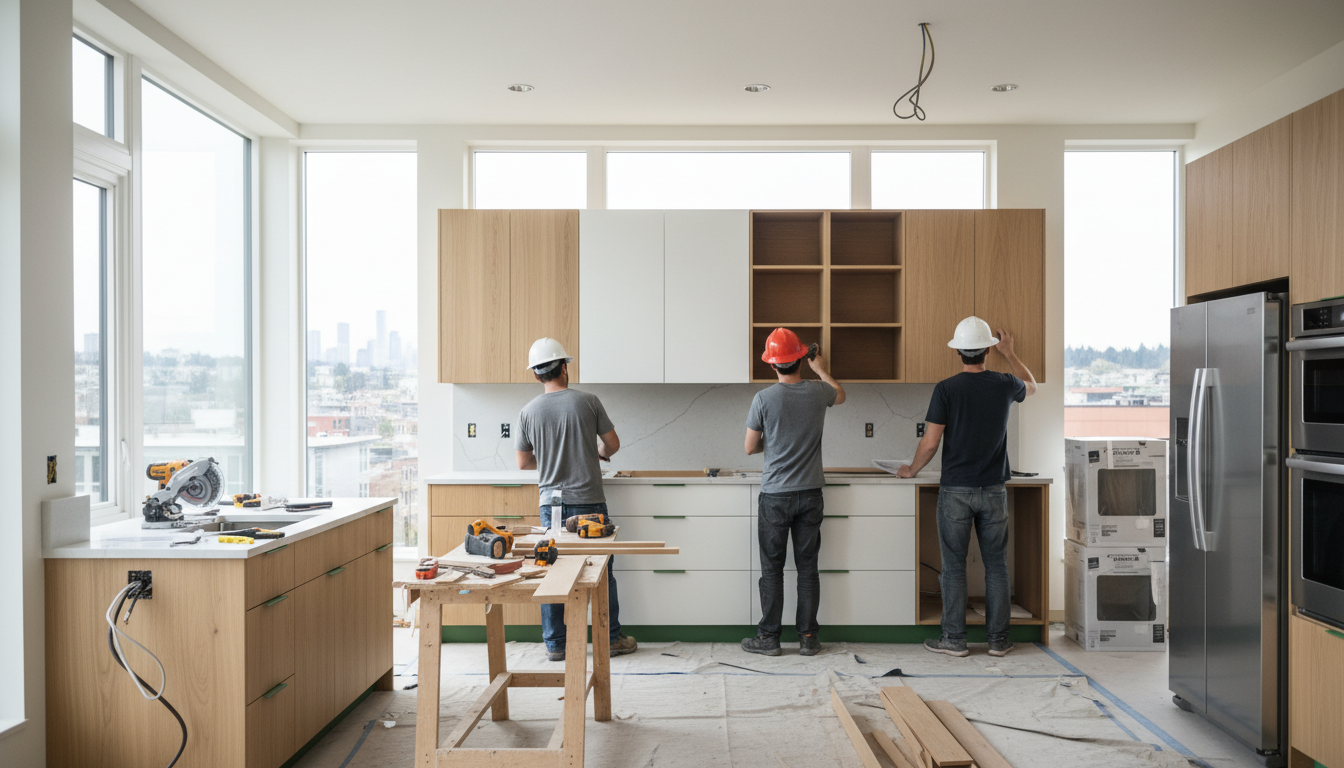
Kitchen renovations remain Seattle's most popular home upgrade, accounting for over 40% of renovation spending.
The Pacific Northwest specifically has experienced renovation cost inflation that outpaces national averages. Most full home remodels in Seattle currently range between $250 and $450 per square foot, noticeably higher than the nationwide average range of $198 through $307. This cost premium reflects Seattle's higher labor rates, stricter building codes, rainy climate challenges, and the prevalence of older homes requiring extensive structural or electrical work.
What's particularly striking is homeowner sentiment heading into 2025. According to Clever Real Estate, about 44% of homeowners say they're spending more on renovations in 2024 than they did in 2023, and 53% of homeowners say they plan to spend $5,000 or more in 2025. This signals sustained appetite for home improvements despite economic uncertainty—a trend driven by remote work flexibility, family needs evolving post-pandemic, and recognition that home improvements deliver both quality-of-life and financial returns.
Kitchen Remodeling in Seattle
Kitchens have remained the crown jewel of home renovations for nearly two decades, and Seattle's renovation market reinforces why: kitchens command the highest spend, deliver the strongest ROI, and create the most meaningful change in daily living. The space functions as command center, entertainment hub, and gathering place—making kitchen quality deeply tied to homeowner satisfaction.
According to the Remodeling 2024 Cost vs. Value Report, a midrange kitchen remodel in Seattle averages around $87,697, while an upscale kitchen remodel can cost as much as $173,669. That wide range reflects the dramatic variability in kitchen scope. A midrange remodel typically includes new cabinetry, countertops (usually quartz or solid surface), new appliances, updated lighting, and modest layout changes. An upscale remodel adds custom cabinetry, high-end stone countertops, integrated smart appliances, complete electrical and plumbing reconfiguration, and premium finishes throughout.
The timeline for kitchen remodeling typically stretches 10-16 weeks. This extended timeline isn't just about installation complexity—it's driven by the kitchen's integrated systems. Modern kitchens require coordination between electrical upgrades, plumbing modifications (for new sink locations or water filter systems), gas line work, ventilation installation, cabinet fabrication, and finish work. Unlike a single-trade project, kitchens demand tight sequencing to avoid costly rework.
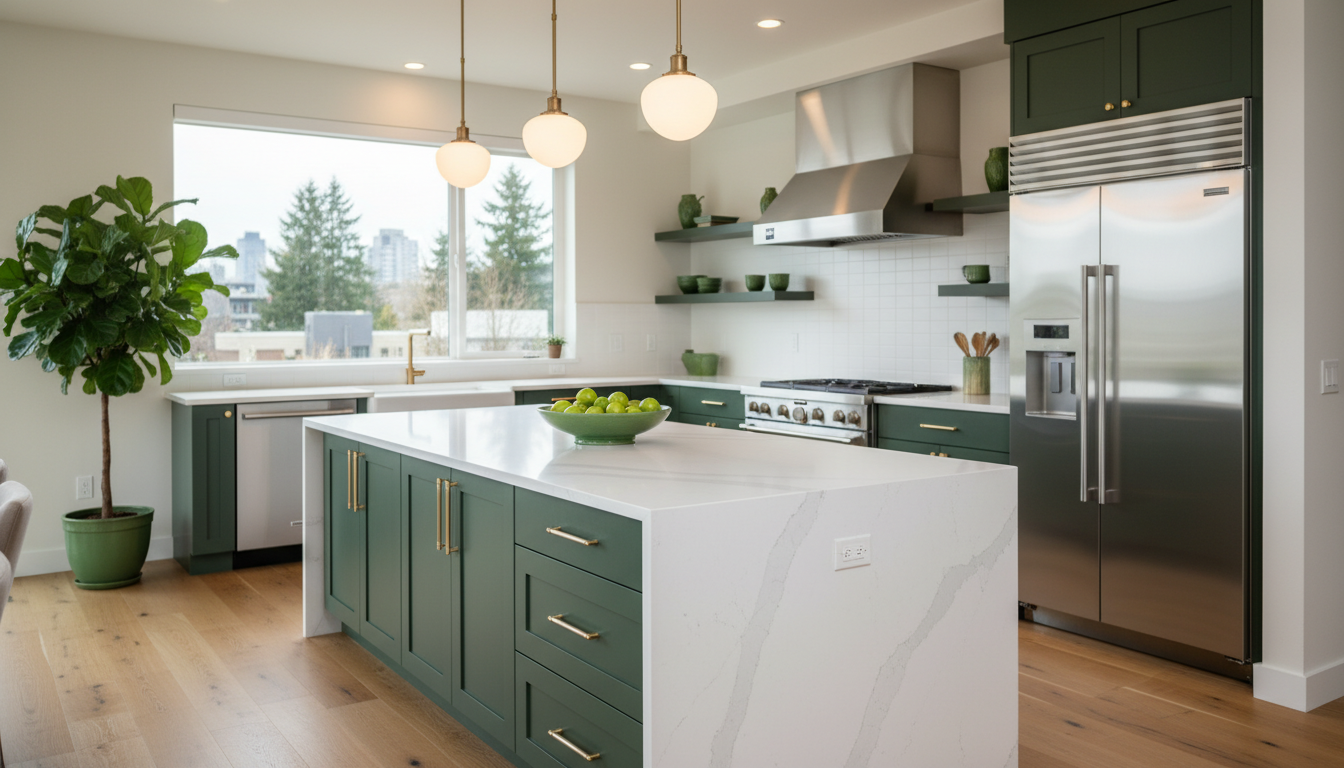
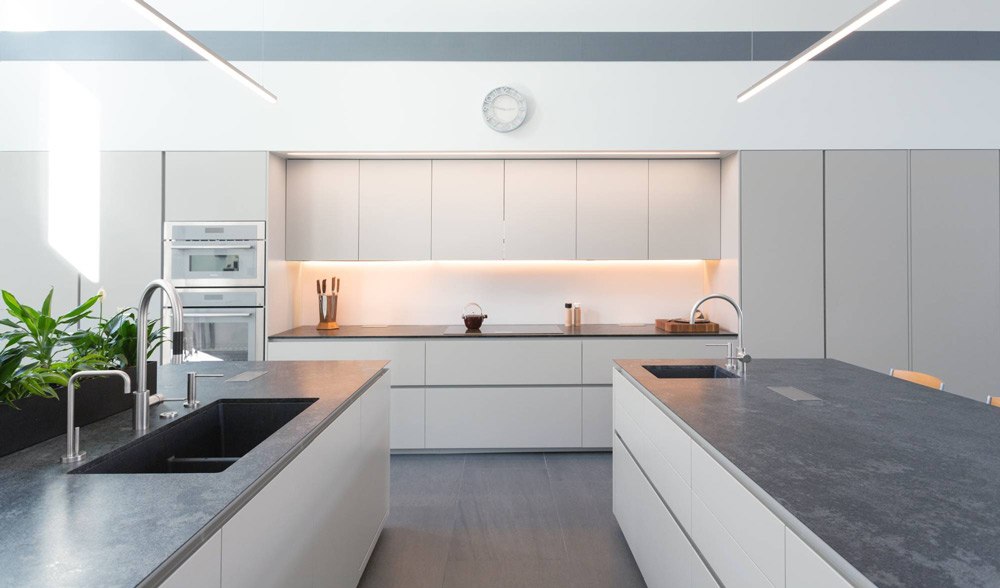
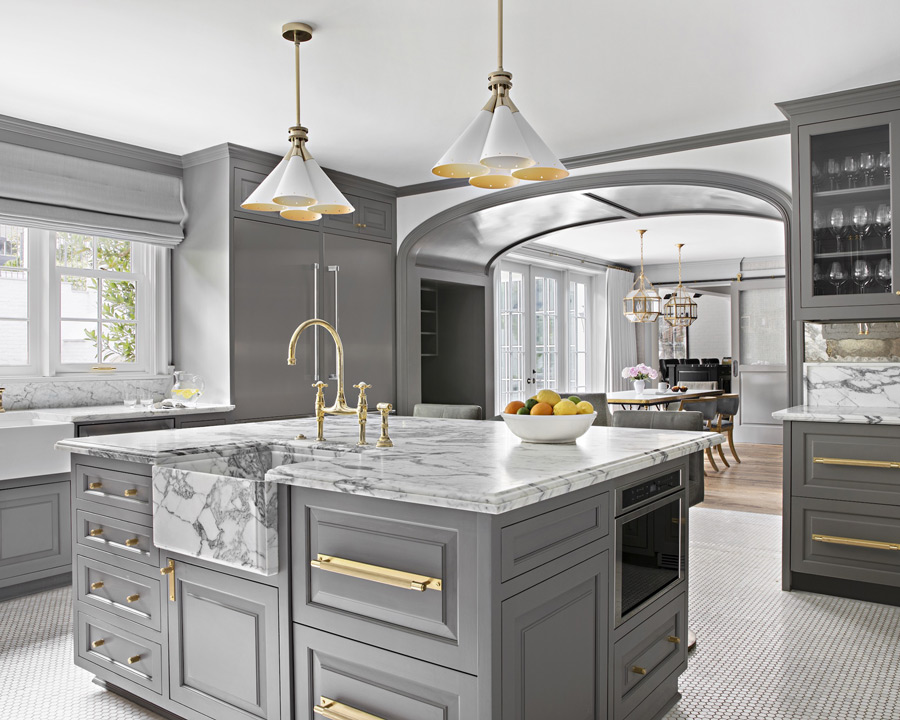
Upscale kitchen renovations in Seattle average $173,669, featuring premium cabinetry, stone countertops, and integrated smart home technology.
What makes kitchens compelling from an investment perspective is their influence on home valuation and usability. Kitchens rarely go unnoticed by home appraisers, real estate agents, or potential buyers. A kitchen that looks dated, functions poorly, or has aged appliances immediately signals neglect elsewhere in the home. Conversely, a well-executed kitchen renovation can anchor a home's perceived value well beyond the actual renovation spend.
Bathroom Remodeling in Seattle
Bathrooms represent the opposite profile: they're faster, less expensive, and deliver outsized satisfaction relative to their cost. While kitchens are about function and entertainment, bathrooms are intimate spaces where daily routines happen. A poorly functioning bathroom disrupts the entire household; a beautiful bathroom becomes a personal sanctuary.
According to the 2024 Cost vs. Value Report, a midrange bathroom remodel in Seattle costs around $32,758, while an upscale bathroom remodel averages $97,814. That $65,000 gap between midrange and upscale is significantly narrower than the kitchen range, reflecting that bathrooms—even luxury ones—have more constrained spatial complexity.
The typical bathroom remodeling timeline is 4-8 weeks, depending on whether you're working with an existing footprint or reconfiguring the space entirely. A straightforward bathroom remodel might include new vanity, updated fixtures, fresh tile, new flooring, paint, and lighting. An upscale version adds heated floors, luxury fixtures from high-end manufacturers, custom tile work, heated towel racks, spa-like features, and premium ventilation systems.
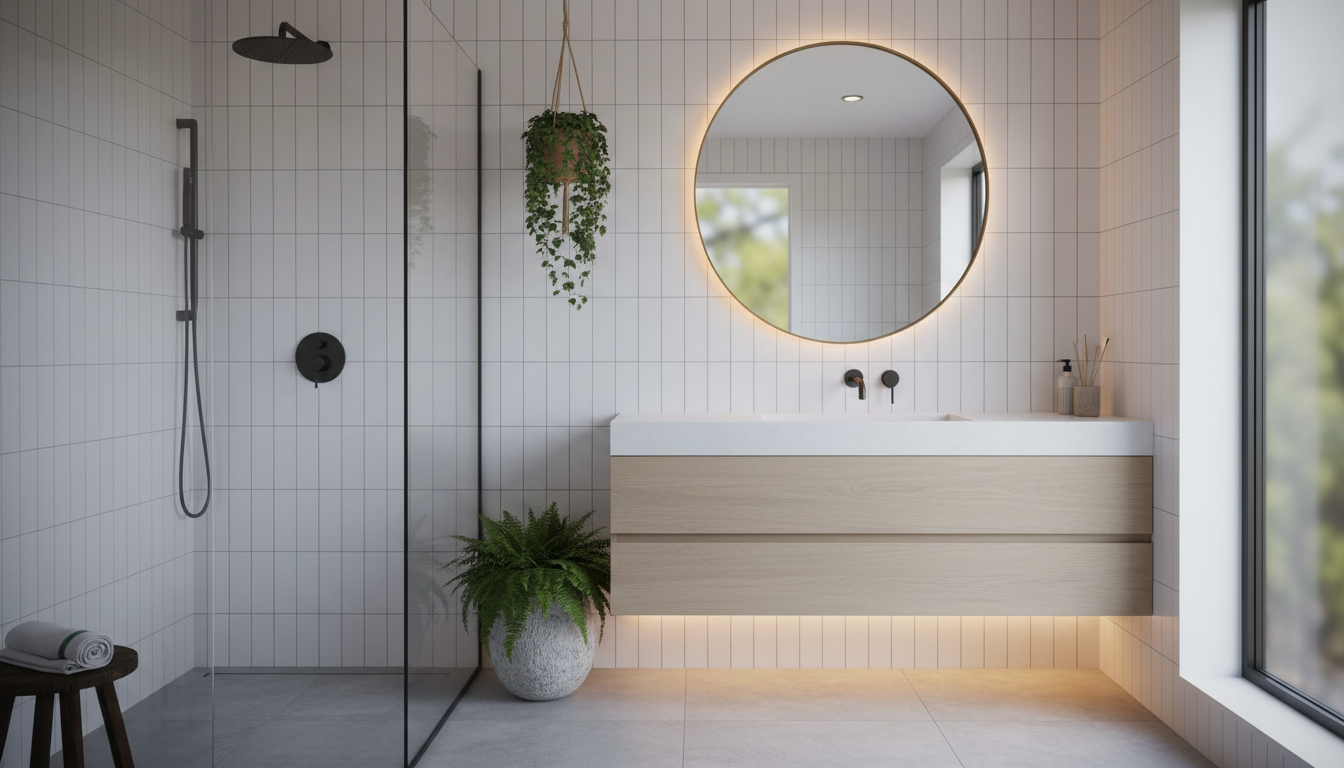
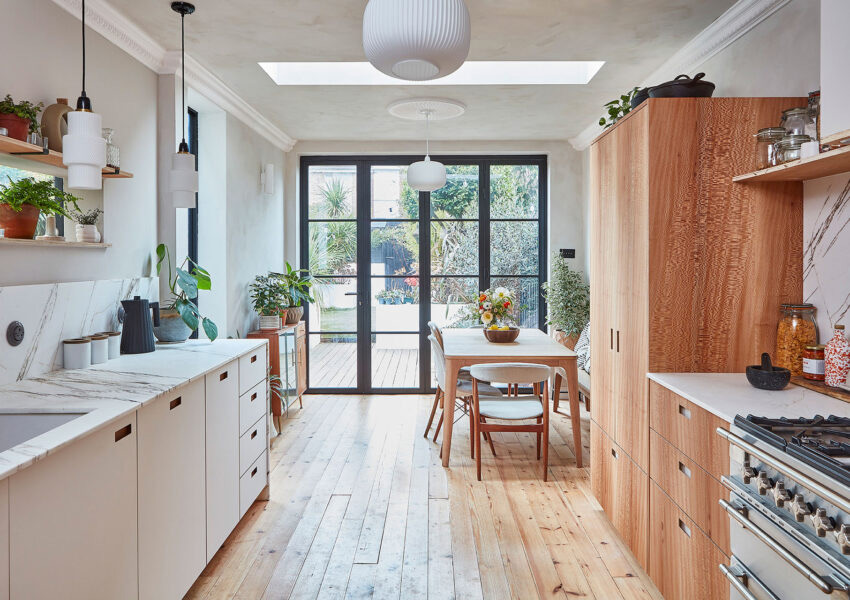
Midrange bathroom remodels in Seattle average $32,758 and typically complete in 4-8 weeks, making them ideal for homeowners with limited time or budget.
Bathrooms offer particular advantages in the current market. Homebuyers consistently rate bathroom quality as a key decision factor—often more than kitchen for some demographics. A bathroom with modern plumbing, updated fixtures, and fresh finishes signals that the home has been maintained. Multiple bathrooms (or updated guest bathrooms) add resale appeal disproportionate to their cost. For families with young children or aging parents, bathrooms are safety-critical spaces where accessibility modifications matter enormously.
Head-to-Head Comparison
The decision between kitchen and bathroom renovations isn't purely financial—it's about lifestyle priorities, family circumstances, and life-stage timing. Let's compare them across the dimensions that matter most.
| Dimension | Kitchen Remodeling | Bathroom Remodeling |
|---|---|---|
| Average Cost (Midrange) | $87,697 | $32,758 |
| Typical Timeline | 10-16 weeks | 4-8 weeks |
| Return on Investment | 50-60% | 60-70% |
| Daily Impact | Very high (multiple times daily) | High (morning/evening routines) |
| Resale Appeal | Extremely strong | Very strong |
| Complexity Level | High (electrical, plumbing, gas) | Moderate (plumbing, ventilation) |
| Project Disruption | Significant (weeks without kitchen) | Moderate (bathroom outage likely) |
| Customization Options | Extensive | Substantial |
| Timeline Reliability | Variable (often extends) | Generally predictable |
| Multi-project Potential | Usually single project | Can do multiple bathrooms |
Kitchen remodeling dominates when you're planning long-term residence in your home. The substantial investment pays dividends through years of improved functionality, better entertaining capability, and daily lifestyle enhancement. Kitchens also affect home valuation more significantly—appraisers weight kitchen condition heavily in their valuations.
Bathroom remodeling makes strategic sense when you have limited budget, are selling within 2-3 years, have multiple bathrooms (allowing you to upgrade one while others remain functional), or are addressing specific functional issues like outdated plumbing or accessibility concerns. The faster timeline also appeals to homeowners who can't tolerate extended disruption.
Budget Planning & Cost Breakdown
The broader renovation economy provides context for how kitchen and bathroom costs fit into your overall planning. According to the Leading Indicator of Remodeling Activity (LIRA), homeowners spent $463 billion on renovations in the first quarter of 2024, though that's $26 billion less than the peak in Q3 2023. This suggests a market that's stabilizing after significant growth, with prices plateauing rather than declining sharply.
For Seattle specifically, the cost structure breaks down as follows for a midrange kitchen renovation ($87,697 average):
Cabinetry and cabinet hardware typically consume 30-35% of the budget. This includes both the cabinets themselves and installation labor. In Seattle's market, semi-custom cabinetry (which offers better quality than stock but costs less than fully custom) is increasingly popular, ranging from $25,000-$35,000. Countertops and backsplash account for another 15-20%, with quartz being the dominant material choice at $15,000-$20,000 installed. Appliances represent 10-15% ($8,000-$13,000), with mid-range stainless steel packages being the Seattle standard. Flooring, if included, runs 10-15% ($9,000-$13,000) for quality vinyl plank or tile. Electrical work, plumbing, and structural modifications—the hidden complexity—typically consume 15-20% of the budget.
For bathrooms, the proportions are different. Cabinetry/vanity is 15-20% of budget ($5,000-$7,000). Tile and finishes dominate at 25-30% ($8,000-$10,000) because tile work is labor-intensive and material costs vary dramatically. Fixtures (toilet, sink, shower hardware) are 20-25% ($6,500-$8,000). Plumbing and electrical work accounts for 15-20% of budget, and structural or waterproofing work can add considerably if needed.

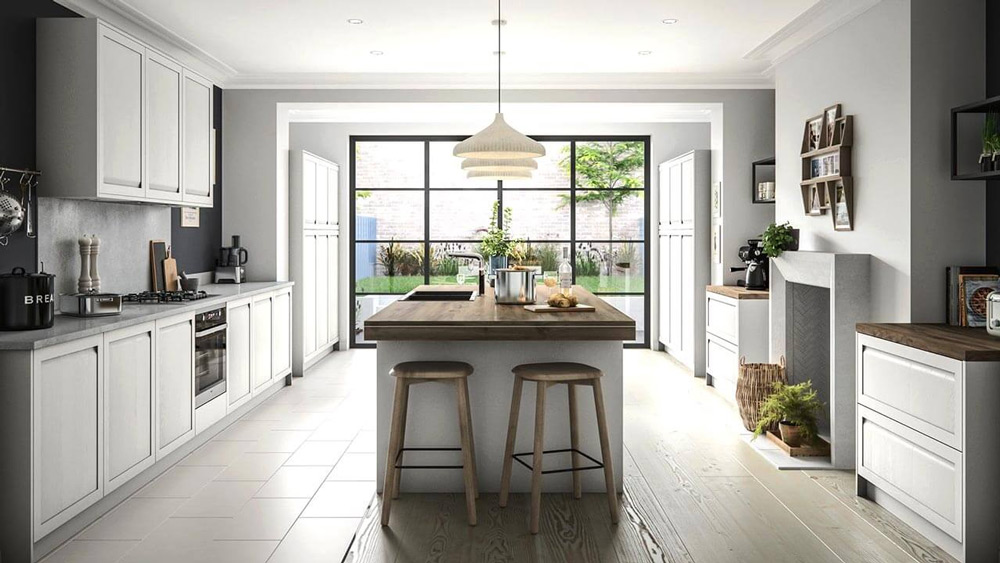
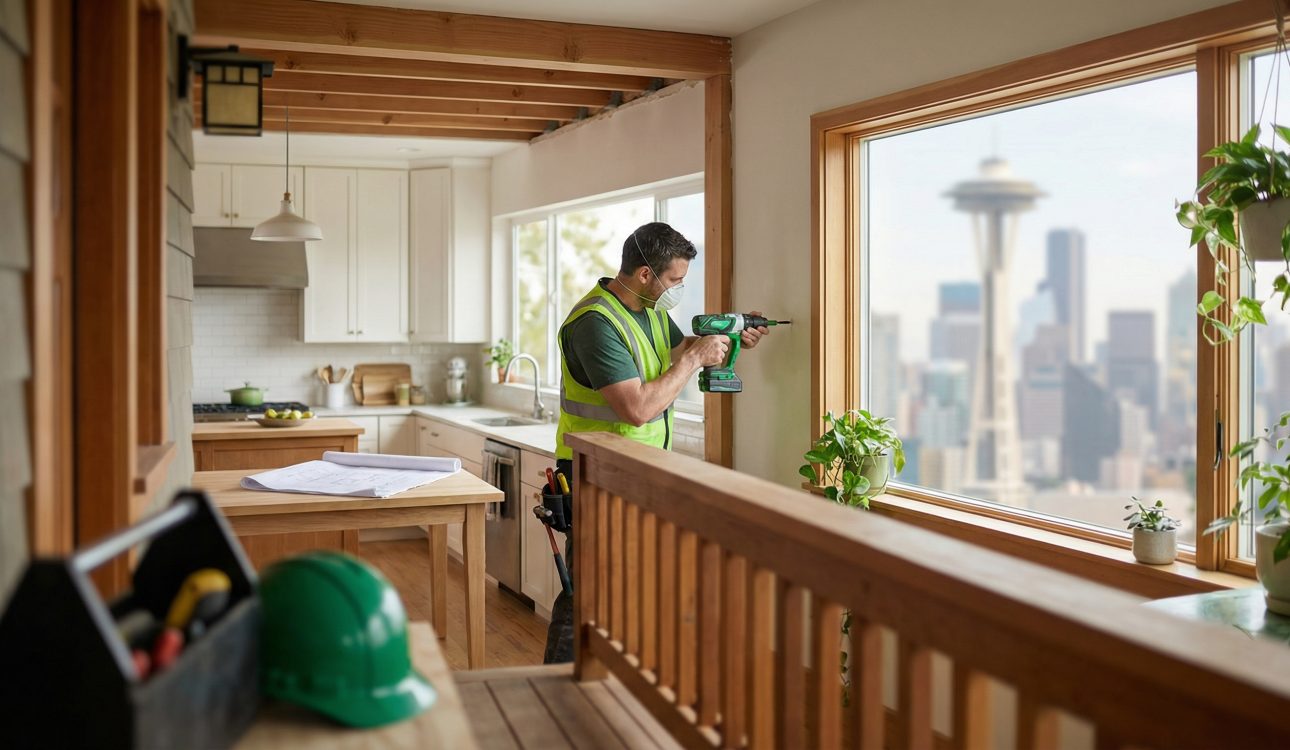
3D design visualization helps Seattle homeowners plan renovations accurately, reducing costly changes during construction.
A critical budget consideration unique to Seattle is the seasonal nature of renovation work. Spring through early fall offers the best weather and contractor availability, but also commands 10-15% premium pricing. Winter projects move slower due to rain and shorter daylight, but contractors often offer modest pricing discounts. Planning your renovation timing strategically can yield meaningful savings.
Why Professional Contractors Matter
The temptation to DIY or hire unlicensed contractors is particularly acute when renovation costs are this substantial. But in Seattle, this temptation is precisely the mistake that costs homeowners the most money.
Seattle's building codes are among the nation's most stringent, driven by seismic requirements and moisture management demands. The region's rainy climate creates unique waterproofing challenges unknown in drier states. Older homes—which comprise a large percentage of Seattle's housing stock—often contain hidden structural, plumbing, or electrical issues that become apparent only once work begins. A contractor inexperienced in Seattle's specific conditions may underestimate scope, create code violations requiring expensive correction, or leave moisture problems that cause rot or mold years later.
Professional contractors carry the credentials, insurance, and experience to navigate these complexities. They understand what city inspectors expect, know how to address common issues like foundation settling or outdated knob-and-tube wiring, and carry bonding and liability insurance that protects you if something goes wrong. That professional overhead—which feels like an unnecessary cost when you're comparing quotes—is actually catastrophic-failure insurance.
The difference between a $80,000 kitchen remodel and a $95,000 kitchen remodel often isn't the materials—it's that the more expensive contractor has built in contingency for unknowns, uses properly licensed subcontractors, and guarantees their work through insurance and warranty backing. Choosing the cheapest contractor for a $87,697 project to save $7,000 risks a $25,000+ problem when something goes wrong.
Choosing Your First Project
The question "Should we renovate the kitchen or bathroom first?" has no universal answer, but the right choice depends on your specific circumstances.
Choose a kitchen remodel first if: You're staying in your home for 10+ years; your kitchen is outdated, dysfunctional, or a focal point of family gatherings; you entertain frequently or work from home; your kitchen layout wastes space or creates workflow problems; or you're approaching a major life stage change (early retirement, young children transitioning to active years, aging parents moving in). Kitchens deliver the highest quality-of-life improvement and strongest resale positioning for long-term residents.
Choose a bathroom remodel first if: You're selling your home within 2-3 years; you have multiple bathrooms and one is particularly dated; you have budget constraints and want to maximize impact per dollar spent; your primary bathroom has functional problems like poor ventilation, inadequate storage, or plumbing issues; or you want a completed project quickly. Bathrooms are safer choices when selling soon because they don't require buyer compromise—a well-executed bathroom appeals to nearly everyone.
Consider simultaneous work if: You're doing a major home renovation and can coordinate contractors to optimize sequencing; you're addressing significant structural issues that affect both spaces; you're doing a whole-home systems upgrade (electrical, plumbing, HVAC) where splitting projects wastes efficiency; or your budget allows for it without compromising quality on either project.
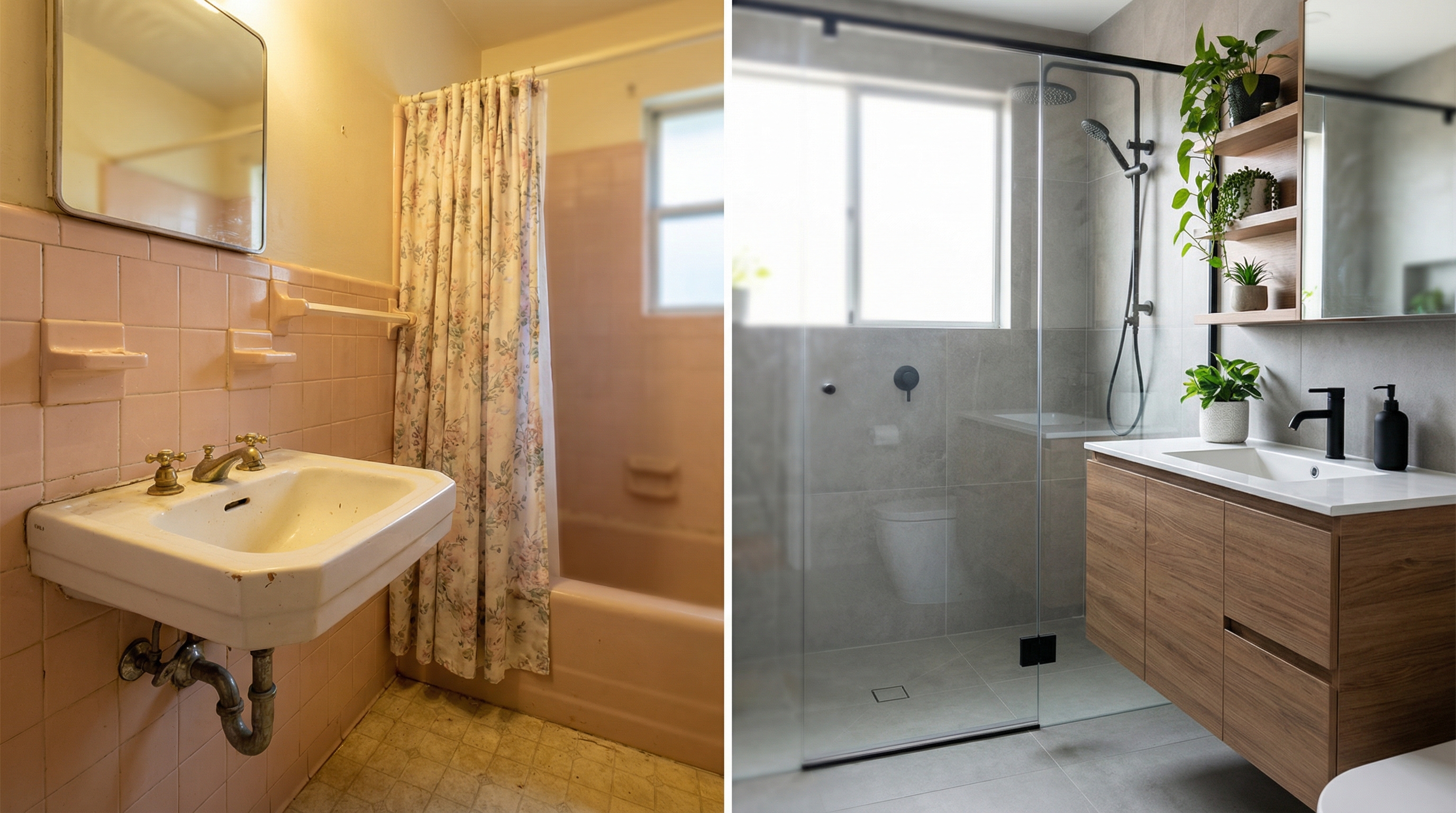
Professional bathroom renovations transform both functionality and home value, with most projects completing in 4-8 weeks.
Common Renovation Mistakes
After years of renovation work in Seattle, certain mistakes appear repeatedly. Recognizing them can save tens of thousands of dollars.
Underestimating hidden complexity is perhaps the most common. A kitchen that looks straightforward—cabinets and countertops—becomes complicated when the installer discovers the walls aren't square, the electrical panel is in the kitchen (requiring rerouting), or the existing plumbing is cast iron with pinhole leaks. Planning a 10% contingency for unknowns is reasonable; expecting zero surprises is fantasy. Professional contractors factor in contingency; many homeowners don't.
Choosing aesthetics over function sabotages long-term satisfaction. Trendy cabinet colors that seemed perfect during selection feel dated after three years. Designer tile that's beautiful but impossible to clean creates resentment. Selecting materials partly for aesthetics but primarily for durability, cleanability, and functionality pays dividends for decades.
Skimping on ventilation and lighting is another frequent misstep. A kitchen that looked bright during the day design consultation feels dim in morning shade without adequate undercabinet lighting. A bathroom without proper exhaust ventilation develops mold within months. These systems don't feel like the "main event" of a renovation, but they define daily user experience far more than most homeowners expect.
Extending timelines and changing plans mid-project directly correlate with cost overruns. When a homeowner decides mid-remodel that they actually want to move the sink two feet over, that creates $3,000-$5,000 of rework costs. Material selections should happen before demolition starts, not during framing inspection.
Neglecting to get permits seems like a cost-saving move until you're selling your home and the title company discovers unpermitted work. Then you're either hiring a contractor for expensive after-the-fact inspections, negotiating a lower sale price, or pulling permits retroactively. Seattle requires permits for nearly all kitchen and bathroom work—budget for it.
The WAREMODEL Difference
WAREMODEL approaches Seattle renovations through a philosophy that aligns with the challenges we've outlined: professional execution, honest budgeting, and family-centered design. Rather than treating kitchen and bathroom remodels as interchangeable projects, we recognize their distinct demands and opportunities.
Our process begins with 3D design consultation, where you're not choosing from abstract drawings—you're seeing your actual space transformed with your actual selections. This visualization eliminates the surprise and regret that come from imagining something conceptually. You see cabinet heights, lighting placement, material colors, and spatial flow before a single nail gets driven. For families with strong opinions about their spaces, this clarity is invaluable.
The design-build approach that WAREMODEL provides means one company manages cabinets, tile, flooring, drywall, electrical, plumbing, and painting. This integrated responsibility creates accountability. When your tile is delayed, the cabinet team isn't sitting idle charging you daily rates—they're coordinating with your timeline. When plumbing modifications are needed, the same company handling drywall isn't pointing fingers at the electrical contractor.
Competitive pricing in Seattle's market doesn't mean cheapest—it means fair value for professional execution. WAREMODEL works directly with homeowners rather than through design markup, uses established subcontractor relationships to optimize costs, and provides transparent budgeting that identifies likely contingencies upfront rather than surprising you mid-project.
The family-centered design philosophy recognizes that kitchens and bathrooms serve emotional and functional purposes far beyond their apparent scope. A kitchen becomes functional when the family actually uses the layout repeatedly. A bathroom works when aging parents can safely use it, young children can reach sinks, and daily routines flow naturally. This philosophy shapes recommendations about spacing, accessibility, material selection, and workflow.
Frequently Asked Questions
How long does a typical kitchen remodel take in Seattle?
Kitchen remodels typically require 10-16 weeks. The timeline depends heavily on permit processing (which can add 2-4 weeks in some King County jurisdictions), existing structural issues discovered during demolition, and material lead times. A straightforward kitchen with no layout changes might complete in 10 weeks; a kitchen requiring plumbing or electrical reconfiguration typically needs 14-16 weeks.
Can I use my kitchen while it's being renovated?
Fully renovating a kitchen while remaining functional requires careful planning, and usually it's not realistic. Most kitchens are non-functional for 4-8 weeks during the active remodel. Some contractors can create temporary kitchen setups in adjacent spaces to maintain basic functionality, but this adds cost and complexity. Planning for restaurant meals or temporary cooking arrangements is standard practice.
What's the real ROI on kitchen renovations in Seattle?
Kitchen renovations typically recover 50-60% of costs at resale, meaning a $90,000 kitchen renovation might add $45,000-$54,000 to home value. However, this understates their true value for resident homeowners who enjoy them for 10+ years. Over a decade, daily functional and aesthetic improvements are worth far more than their recovery percentage suggests.
Should I do both bathrooms at once or separately?
If you have two or more bathrooms, doing one at a time lets you maintain household functionality and spread costs across budgets. If you have one bathroom, you must either relocate during the remodel or finish quickly. Multiple bathroom renovations can often negotiate contractor discounts and streamlined coordination, but not always. A professional contractor can assess whether simultaneous work makes financial sense for your situation.
How much does it cost to move plumbing in a kitchen remodel?
Moving plumbing is one of the largest contingency items in kitchen remodels. Moving a sink to a new location might cost $1,500-$3,500 depending on complexity. Adding a new sink or island sink could cost $3,000-$5,000+. Budget for plumbing work as a separate line item, and assume modifications are likely if you're changing your layout.
What's the best time to do a kitchen remodel in Seattle?
Spring through early fall offers the best weather and shortest timelines. Winter remodels move more slowly and cost slightly less. If timeline is critical, spring is preferable. If budget is the priority, winter negotiation offers modest savings. Most professional contractors recommend avoiding December remodels due to scheduling challenges and holiday disruptions.
Is it worth custom cabinetry versus semi-custom or stock?
For Seattle's market, semi-custom cabinetry offers the best value for most homeowners. It provides quality above basic stock, customization for your specific space, and reasonable pricing ($25,000-$40,000 range). Fully custom cabinetry ($40,000+) makes sense if you have unusual space constraints or truly distinctive aesthetic requirements. Stock cabinets ($15,000-$25,000) work for specific situations but often feel thin on quality and customization.
How much does a bathroom remodel impact home value?
Bathroom remodels typically recover 60-70% of costs at resale, making them slightly better ROI than kitchens proportionally. A $35,000 bathroom remodel might add $21,000-$24,500 to home value. For homeowners selling within 2-3 years, bathroom remodels are strategically smart because they signal home maintenance to buyers at a price point that's usually achievable.
The decision between kitchen and bathroom remodeling in Seattle isn't about finding a universally correct answer—it's about understanding your family's needs, home's condition, timeline, and financial capacity, then making an intentional choice aligned with those realities. Both projects transform your home and lifestyle. Kitchens deliver broader family impact for long-term residents; bathrooms offer faster results and strong resale positioning for homeowners with shorter timelines.
Whatever you choose, professional execution matters enormously in Seattle's environment. The regional climate, building codes, and renovation complexity demand contractors who understand local conditions and carry the credentials and insurance backing their work. When you're investing $30,000-$90,000 in your home, the difference between an average contractor and an excellent one isn't the cost difference—it's the difference between satisfying results and problems that cost far more to correct.
If you're ready to explore kitchen or bathroom renovations for your King County or Pierce County home, connect with WAREMODEL for a 3D design consultation that shows exactly what your project could look like before you commit to anything. We handle the complete design-build process, coordinate across all trades, and deliver transparent budgeting so you can make confident decisions about your home's future.