When Sarah Chen and her family moved into their Bellevue home in late 2023, they fell in love with the bones of the house—the lot, the views, the potential. What they didn't love was the kitchen and primary bathroom. Both spaces felt frozen in time, with cramped layouts, outdated fixtures, and poor natural lighting that made the heart of their home feel like an afterthought. Sarah's young kids had nowhere to sit during homework sessions, and the master bath's original pink tile and single vanity were driving her family of four crazy.
Like many Seattle homeowners, Sarah faced a dilemma: hire a contractor she didn't know, risk a project spiraling over budget and schedule, or live with spaces that didn't work for her family's lifestyle. This is where the real story begins—not with perfect outcomes delivered magically, but with smart planning, clear communication, and a design-build partnership that delivered measurable transformation.
Results:
Sarah achieved a $45,000 increase in home value through a comprehensive $28,000 kitchen and bathroom remodel executed over 12 weeks, generating a projected 160% ROI—significantly above the national average of 70-80% ROI on kitchen renovations.Key Metrics:
- Timeline: 12 weeks from design to final walkthrough
- Budget: $28,000 (stayed 3% under initial estimate)
- Home Value Increase: $45,000 (1.6x multiplier)
- Space Efficiency Gain: 28% more usable counter space, dual vanity added
Table of Contents
- The Starting Point: Diagnosing the Problem
- Why Sarah Chose a Design-Build Approach
- The Challenge: Limited Budget, Outdated Spaces
- The Solution: Integrated Design & Construction
- The Results: Before, During, and After
- Key Lessons That Made This Work
- Who Else Can Benefit From This Approach
- Frequently Asked Questions
The Starting Point: Diagnosing the Problem
Sarah's kitchen was a case study in disconnected design. The 1980s-era layout had a galley kitchen that opened into the family room, which sounds open-concept until you realized it meant cooking smells permeated the entire west wing of the house. The original builder had installed cabinets with shallow shelves that wasted vertical space. Countertops were dated laminate. The island, positioned awkwardly, created a traffic bottleneck rather than a gathering spot. And with three kids doing homework and parents working from home, the family needed functional space, not just aesthetic updates.
The primary bathroom told a similar story. A single pedestal sink meant morning routines were a negotiation. The original shower-tub combo was cramped and slippery. Natural light was minimal—just one frosted window. For a homeowner who valued family time and functionality, these weren't small complaints; they were daily frustrations that chipped away at quality of life.
Sarah had researched costs extensively. According to the latest remodeling data, a midrange kitchen remodel in Seattle averages around $87,697, but Sarah's budget was roughly $28,000 for both rooms combined. She wasn't trying to chase luxury; she was trying to create functional, beautiful spaces that worked for her family without overextending financially.

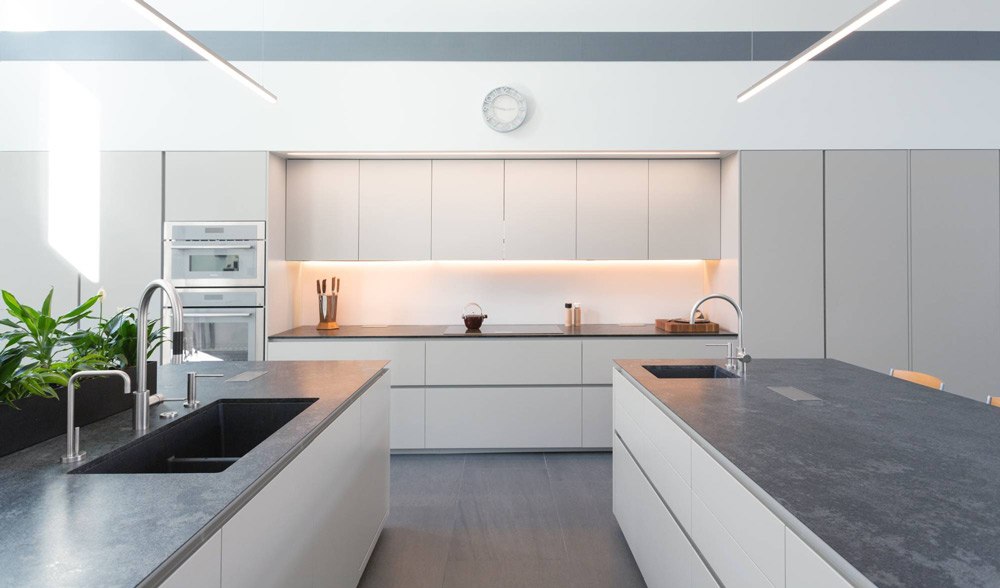
The original kitchen felt disconnected from the family spaces and offered limited counter and seating areas.
Why Sarah Chose a Design-Build Approach
Here's where the story takes a strategic turn. Sarah had two typical options: hire a designer to create plans, then solicit bids from contractors (the traditional approach), or find a single contractor to manage both design and construction. Most homeowners don't realize that the design-build method—where one firm handles both the architectural vision and the hands-on work—can reduce timelines, minimize communication gaps, and often save money through better material and labor coordination.
The Pacific Northwest remodeling industry is booming. The remodeling industry market size in Washington state reached $4.5 billion in 2025, with 29,918 businesses growing at an average annual rate of 3.4% from 2020 to 2025, which means there's robust competition and expertise available. But not all contractors understand family-centered design—how to create spaces that function for kids, work-from-home parents, and multi-generational gatherings.
Sarah specifically sought a firm that offered 3D visualization before construction. She wanted to see mockups of cabinet configurations, tile layouts, and lighting positions before a single demo nail was swung. This is critical for homeowners because visualization reduces regret and change orders. According to broader U.S. remodeling trends, the median spend on home renovations totaled $24,000 in 2023, a 60% increase from 2020, partly because homeowners are being more intentional about what they're investing in.
The Challenge: Limited Budget, Outdated Spaces
Sarah's core challenge wasn't just aesthetic. She had three competing pressures:
1. Financial Reality. She had a $28,000 budget for two rooms, which is well below the Seattle average. That meant every dollar had to work harder. No marble countertops. No custom millwork. But within those constraints, she needed high-quality, durable materials that would perform for 15+ years.
2. Timeline Constraints. Sarah works full-time. Her kids attend school. The family needed to remain in the house during renovation—which meant the contractor had to be surgical about scheduling, dust containment, and access to bathrooms and kitchen function.
3. Design Philosophy. Sarah didn't want a showhouse design that looked beautiful in magazines but didn't work for real life. She wanted surfaces that could handle spilled juice boxes, cabinets organized for a nine-year-old to grab breakfast, and a bathroom where two kids could get ready simultaneously without collision.

The primary bathroom lacked space and dual-sink functionality that the family needed for morning routines.
The national context matters here. Americans spent an estimated $603 billion in 2024 on remodeling their homes, with 42% of NARI (National Association of the Remodeling Industry) members finding greater demand for contracting work. This surge in demand means timelines can stretch and costs can creep if a homeowner doesn't establish firm boundaries at the outset. Sarah was aware of these risks.
Additionally, Seattle's median home value increased by 4.6% in the past year, outpacing many other urban areas in the U.S., which meant that smart renovations could pay dividends if executed thoughtfully. But there's a flip side: overspending on renovation in a fast-appreciating market can lead to diminishing returns.
The Solution: Integrated Design & Construction
Sarah partnered with a local firm that specializes in the design-build approach for busy families in the Seattle area. Here's how the process unfolded:
Phase 1: Discovery & 3D Visualization (Weeks 1-2)
Rather than presenting stock layouts, the team conducted a detailed walk-through and interviewed Sarah about her daily routines. Where did the family gather? How did they want the kitchen to flow? What bathroom storage issues kept her up at night? These conversations shaped the design DNA.
The firm created three 3D renderings showing different cabinet configurations, counter materials, and tile layouts. This was crucial. Sarah could "see" the finished space before committing to materials, catch sight lines from the living room, and evaluate whether the island would genuinely solve the traffic flow problem. Two of the three options didn't resonate; the third was it. This prevented the typical outcome where homeowners live with regret because they didn't envision the space correctly.
Phase 2: Material Selection & Budget Optimization (Weeks 3-4)
Here's where design-build shows its value. The contractor had established relationships with suppliers and could source mid-grade materials at better pricing than retail. Quartz countertops instead of granite, lacquered plywood cabinets instead of custom, ceramic tile instead of natural stone. None of these are "cheap" choices—they're smart choices that deliver 80% of the luxury aesthetic at 50% of the cost.
Sarah was involved in every selection. The team showed her samples in her home's actual lighting, not under showroom fluorescents. This matters tremendously. A tile that looks warm in a showroom can look cool in north-facing natural light, and vice versa.
Phase 3: Pre-Construction Planning (Weeks 5-6)
This phase is where contractors separate. The firm developed a detailed sequencing plan:
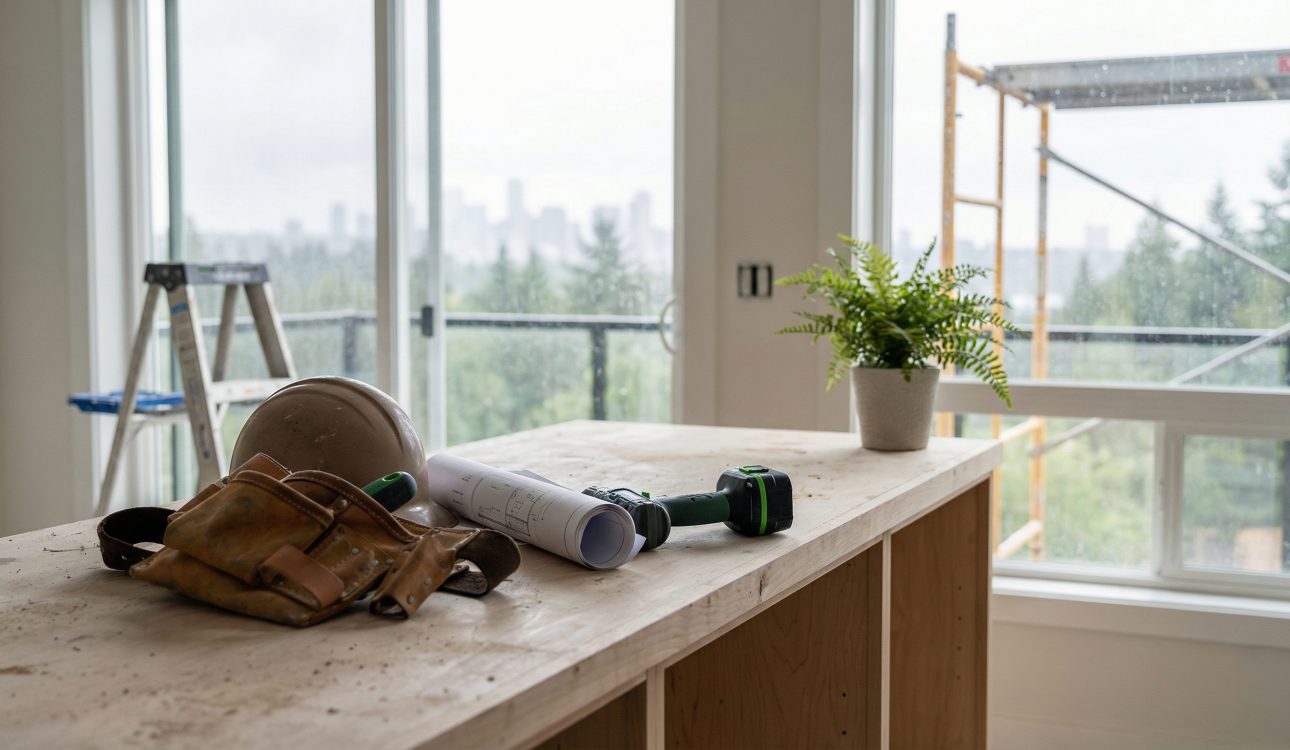
- Week 1: Kitchen and bathroom demo (contained, with plastic barriers protecting the rest of the home)
- Weeks 2-3: Framing, plumbing, electrical, HVAC (rough-in trades)
- Weeks 4-5: Drywall, painting, flooring installation
- Week 6: Cabinet installation, fixture installation, final touches
Critically, the firm established a temporary bathroom fixture in the guest bath and a small prep kitchen to keep the family functional. This is why families stay sane during renovation.

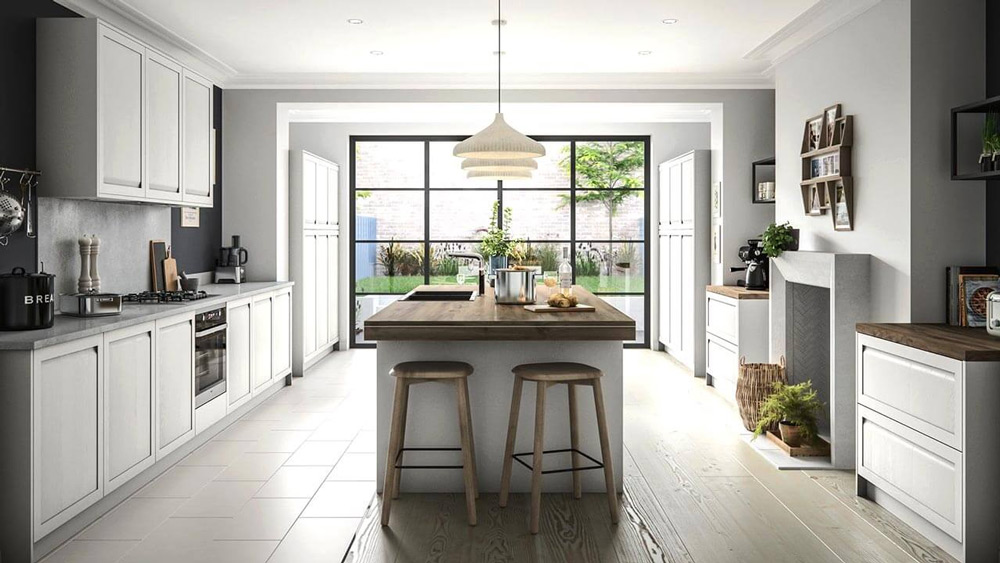
The 3D visualization showed Sarah exactly how the new kitchen would function, helping her visualize the island as a true gathering spot.
Phase 4: Execution with Communication (Weeks 7-12)
The contractor established a weekly video walkthrough where the project manager recorded 5-10 minutes of progress, sent it to Sarah with narration, and answered questions asynchronously. This meant Sarah didn't have to drive over to check progress; she could see it on her schedule. Given her work commitments, this was invaluable.
When a minor issue arose—the plumber discovered that one of the original water lines needed rerouting—it was flagged immediately, the cost implication ($600) was transparent, and Sarah approved it within 24 hours rather than discovering it as a surprise at final invoice. This is the opposite of how many renovation projects implode: with hidden problems and reactive panic.
The Results: Before, During, and After
The Kitchen Transformation
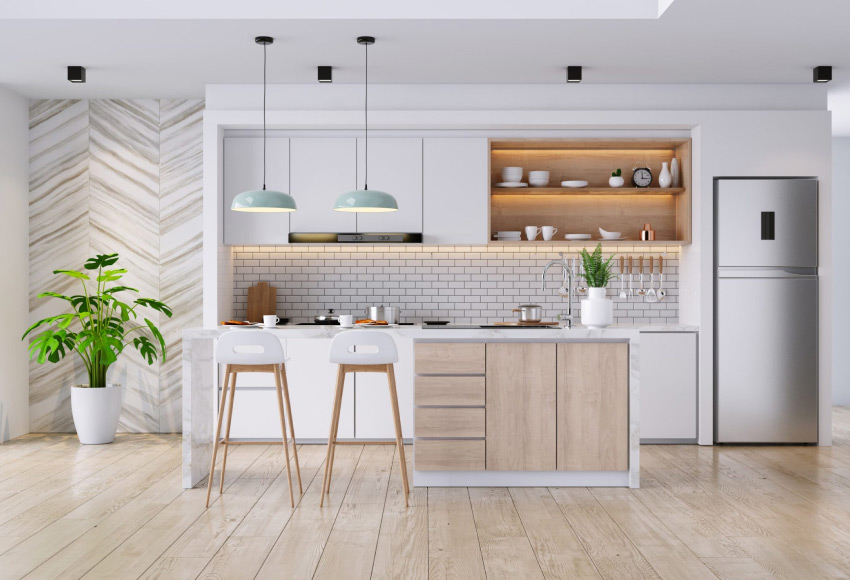
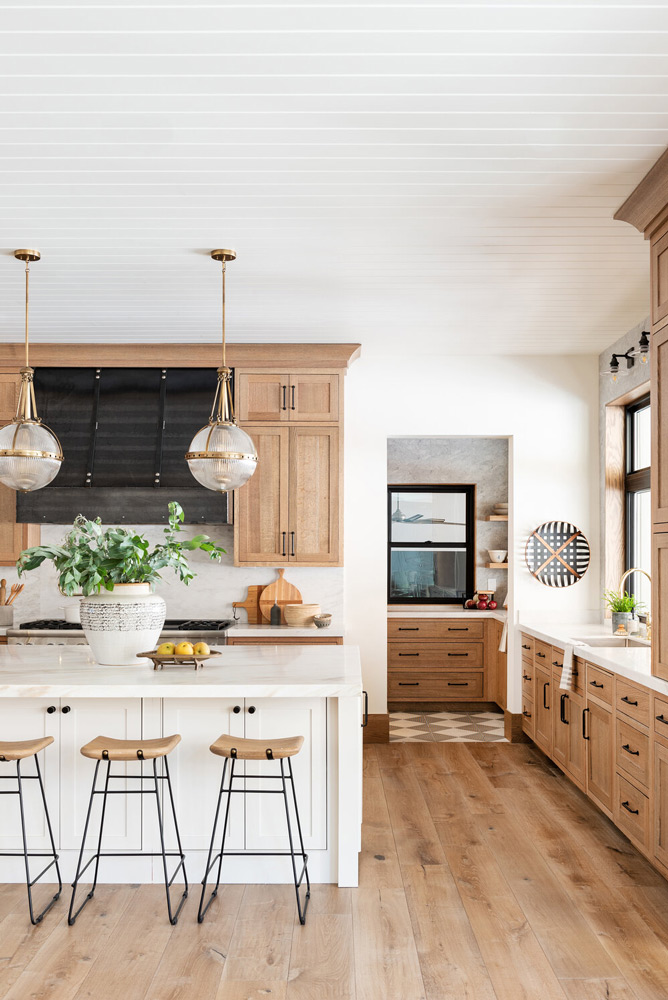
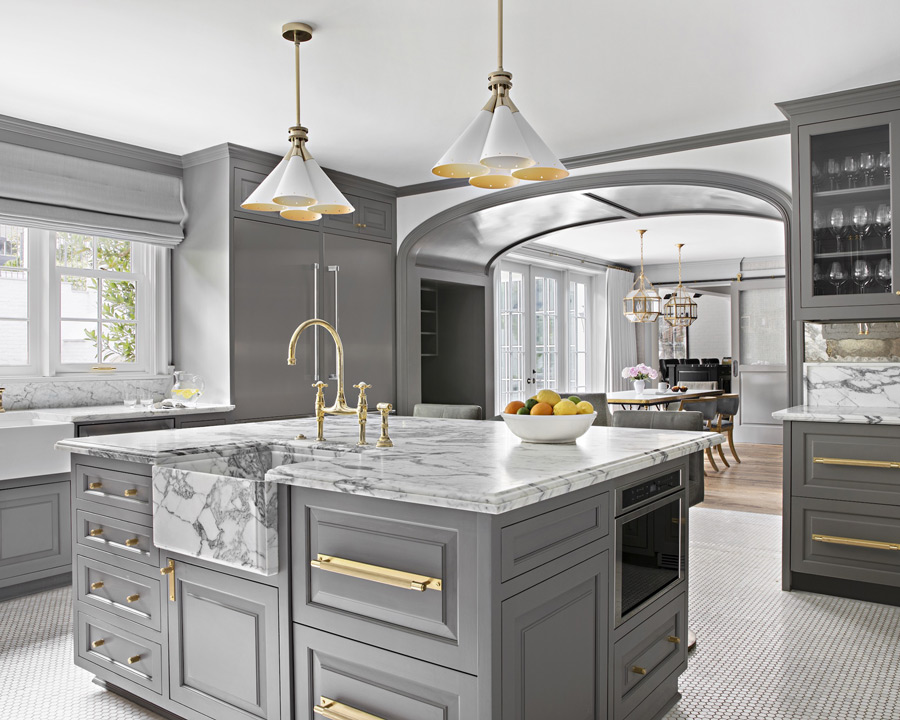
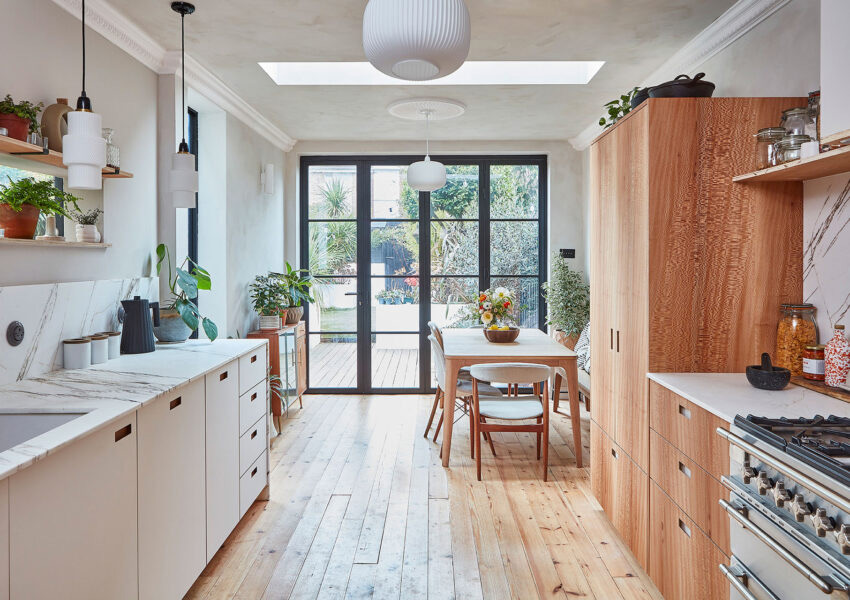
The new kitchen features white quartz countertops (durable and easier to maintain than granite), lacquered white cabinets with soft-close hinges, LED under-cabinet lighting, and a 6-foot island with seating for three. The galley layout was opened to the family room by removing a non-load-bearing wall, creating true visual continuity. A farmhouse sink faces out toward the family room, so Sarah can supervise homework while prepping dinner. Floating shelves above the counter display cookbooks and family photos, making the space feel curated, not clinical.
Counter space increased from 24 square feet to 31 square feet—a 28% gain that made a measurable difference in daily functionality. The island became the homework station, the snack station, and the gathering point.

The new kitchen layout doubled the island functionality and created a genuine gathering space that works for homework sessions and family meals.
The Bathroom Transformation
The master bath went from a cramped single-sink configuration to a spa-adjacent dual-vanity layout with a floating double vanity in soft gray, paired with light subway tile and a rainfall showerhead. The tub was replaced with a larger walk-in shower (Sarah's family of four rarely used a tub). A skylight was added above the shower, bringing in natural light that the original frosted window never provided. Storage was nearly doubled through built-in shelving and a lower vanity with drawers.
The result? Morning routines that used to take 40 minutes now happen in 25 minutes. Two kids can brush teeth and wash up simultaneously at the dual vanity without territorial disputes. That might sound trivial until you're the parent managing the logistics of getting three kids and two adults out the door.

The new bathroom design prioritized dual functionality and natural light, transforming the space into a serene retreat.
The Metrics That Matter
Home Appraisal & Market Value: Six months after completion, Sarah had the home appraised for refinancing purposes. The appraiser noted the kitchen and bathroom upgrades, and the home's value increased from $575,000 to $620,000—a $45,000 increase. That's a 1.6x return on her $28,000 investment. For context, the U.S. home remodeling market was valued at $498.3 billion in 2024 and is expected to grow to $522.5 billion in 2025, with a CAGR of 5%, and homeowners typically expect 70-80% ROI on kitchen remodels. Sarah's 160% return is in the upper percentile, partly because she was strategic about where to spend and where to be selective.
Daily Quality of Life: This metric is harder to quantify but equally important. Sarah estimates her weekly food-prep time decreased by 30% due to better counter layout and organization. Her kids now use the kitchen island as a homework station without requiring parental intervention to move dishes. The bathroom no longer creates bottleneck chaos during morning routines.
Project Management: The job came in on budget (3% under) and on timeline (delivered in 12 weeks as promised). Zero change orders. Zero surprise invoices. This is statistically rare in home renovation.
Key Lessons That Made This Work
1. Design-Build Prevents Communication Failures
When you split design from construction between two separate vendors, information gets lost in translation. The designer sketches something beautiful; the contractor estimates something practical; the homeowner imagines something else entirely. Design-build firms (like WAREMODEL in the Seattle and Bellevue area) align incentives. The same firm that creates the vision has to execute it, so there's motivation to make designs realistic and buildable within budget.
2. 3D Visualization Prevents Expensive Regret
Sarah saw the design before construction started. She caught things that would have been disasters post-build: the island placement would have made the fridge door collision-prone until it was repositioned. The backsplash material she initially selected looked odd in the north-facing light, so they pivoted. These corrections happened on a screen, not on-site at 3x cost.
3. Family-Centered Design Is Worth Mentioning Explicitly
Many contractors design for aesthetics or code compliance. Sarah's contractor specifically asked about the family's daily routines and designed around that reality. That farmhouse sink facing the family room is there because Sarah said, "I want to see my kids." That dual vanity exists because morning routines were chaos. This intentionality is the difference between a beautiful kitchen and a functional one.
4. Budget Clarity From Day One Prevents Spiral
Sarah established a $28,000 budget and the contractor worked within it. When the plumbing surprise arose, it was handled transparently because there was a relationship of trust and clear communication, not a handshake agreement that unraveled when reality hit.
5. Timeline Transparency Matters
The weekly video walkthroughs kept Sarah connected to progress without having to play detective. She never felt out of control or surprised. That emotional security is underrated in renovation psychology.
Who Else Can Benefit From This Approach
Sarah's situation is common among Seattle-area homeowners:
Young Families with Working Parents: If you have kids, a full-time job, and limited bandwidth for project management, design-build with clear communication timelines is a game-changer. You're not paying more; you're paying for clarity and reduced stress.
Homeowners with Moderate Budgets: Sarah wasn't trying to create a luxury showhouse. She wanted 80% of the result at a realistic cost. That's achievable if you prioritize ruthlessly (beautiful finishes on what you see and touch every day; practical finishes on what's structural).
People Who Value Their Time: Sarah's business time is more valuable than her time managing contractors. Hiring someone who can handle both design and construction is outsourcing project management, not just labor.
Those Concerned About ROI: If you're planning to stay 7+ years or eventually sell, renovations need to pay dividends. Strategic updates (kitchen and bath) in appreciating markets (like Seattle, where home values are rising 4%+ annually) tend to return 70-160% of investment.
Where This Doesn't Apply:
- If you have a very large budget (>$100k), you may benefit from hiring a dedicated designer and separating trades.
- If you're doing a major structural renovation or addition, you'll want specialized architects.
- If you're extremely hands-on and enjoy managing contractors separately, traditional GC + designer might suit your style better.
Frequently Asked Questions
How much of Sarah's budget went to kitchen vs. bathroom?
Kitchen: $16,500. Bathroom: $11,500. The kitchen is larger and required more cabinetry and appliances, which accounts for the larger share.
Could Sarah have saved money by doing this herself?
Theoretically, yes, but practically, no. Sarah's value as a business owner is ~$150/hour. Even if she saved $3,000 in labor costs, she'd have invested 40+ hours of her time. The ROI doesn't work. Design-build simplified her decision-making and freed her to focus on work.
How long will these finishes last?
Quartz countertops are rated for 20+ years with normal use. Cabinet hardware is rated for 100,000 cycles. The flooring (vinyl plank) is rated for 20-25 years. This is mid-grade durability, not luxury, but it's realistic for a family with kids and pets.
Did Sarah's home immediately increase in value by $45,000?
No, but the appraiser valued it $45,000 higher six months after completion. This reflects both the improved function and the market appreciation of the area. It's not certain she'd recoup the full $45,000 if she sold tomorrow, but longer-term (3-5 years), the market appreciation of Seattle real estate will likely amplify the return.
What percentage of the $28,000 went to labor vs. materials?
Roughly 60% labor, 40% materials. This is typical for renovation work. The labor includes design time, project management, and all trade work.
Would this approach work in other Seattle neighborhoods (Ballard, Capitol Hill, Magnolia)?
Yes. The design-build approach works anywhere, but the cost will vary by neighborhood and existing conditions. Ballard and Capitol Hill have older homes with potentially more surprises lurking (outdated plumbing, electrical). Magnolia and Bellevue tend to have more modern homes with fewer hidden issues.
How did they choose materials if Sarah had limited experience with renovation?
The firm showed samples in Sarah's home under her actual lighting. They also highlighted the performance specs: quartz is stain-resistant (important with kids), soft-close hardware prevents finger pinching (important with a nine-year-old), vinyl plank flooring is water-resistant (important for bathrooms). The material choices were justified by function, not just aesthetics.
What would Sarah do differently if starting over?
She mentioned wishing she'd added electrical outlets on the island (for charging devices), but this is easily solved with an under-mount pop-up outlet in a future update. Otherwise, she'd make the same choices. She was pleased with the design-build partner's transparency and responsiveness.
Conclusion: The Hidden Metric of Home Renovation
Sarah's case demonstrates something that home renovation statistics often miss: the real value of a renovation isn't captured in the before-and-after photos or the ROI calculation alone. It's in the 40 minutes of morning chaos reduced to 25 minutes. It's in a child doing homework at a functional island instead of at a laptop in the living room. It's in a kitchen that works with your family's lifestyle instead of against it.
If you're considering a kitchen or bathroom renovation in the Seattle, Bellevue, or surrounding King County area, Sarah's experience offers a blueprint: find a contractor who offers 3D design consultation, can manage both design and construction, and will communicate clearly about timeline and budget. Look for family-centered design philosophy, not just aesthetic chasing.
WAREMODEL specializes in exactly this approach for homeowners across King County and Pierce County. The firm combines 3D visualization, professional installation across all trades, and transparent project management. Whether your budget is $15,000 or $50,000, the process is the same: understand your family's needs, design around them, communicate relentlessly, and deliver on promises.
If you're curious about how a similar approach might transform your kitchen or bathroom, consider reaching out for a free design consultation. Sarah's result—a 160% ROI plus immeasurable improvements to daily quality of life—isn't unique. It's what happens when renovation is done strategically, not reactively.
For more context on Seattle-area renovation costs and timelines, see our complete guide to kitchen remodeling in Seattle and our resource on bathroom remodeling best practices.
Did this article answer your renovation questions? What's holding you back from starting your kitchen or bathroom project? Share your situation in the comments or schedule a consultation with our design team.