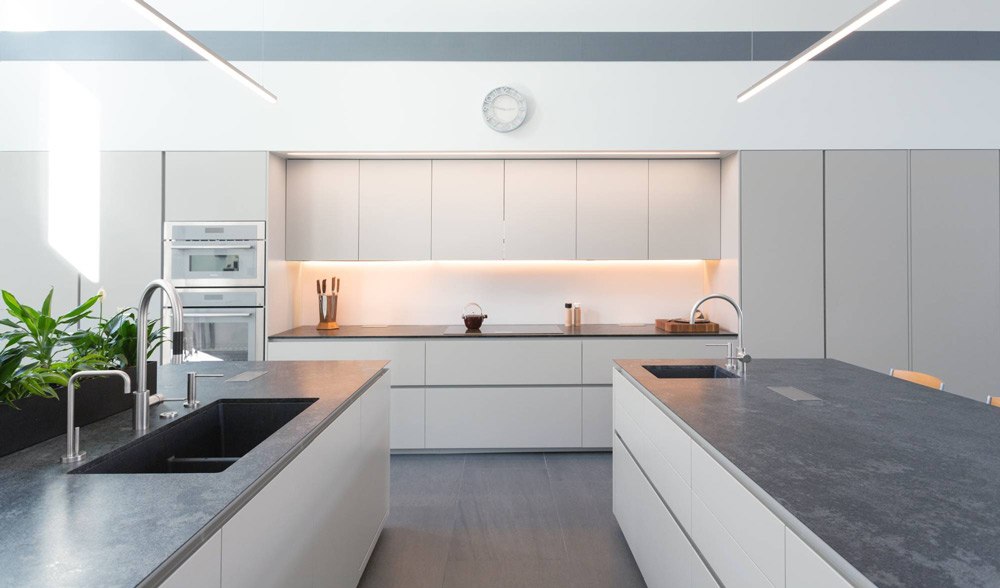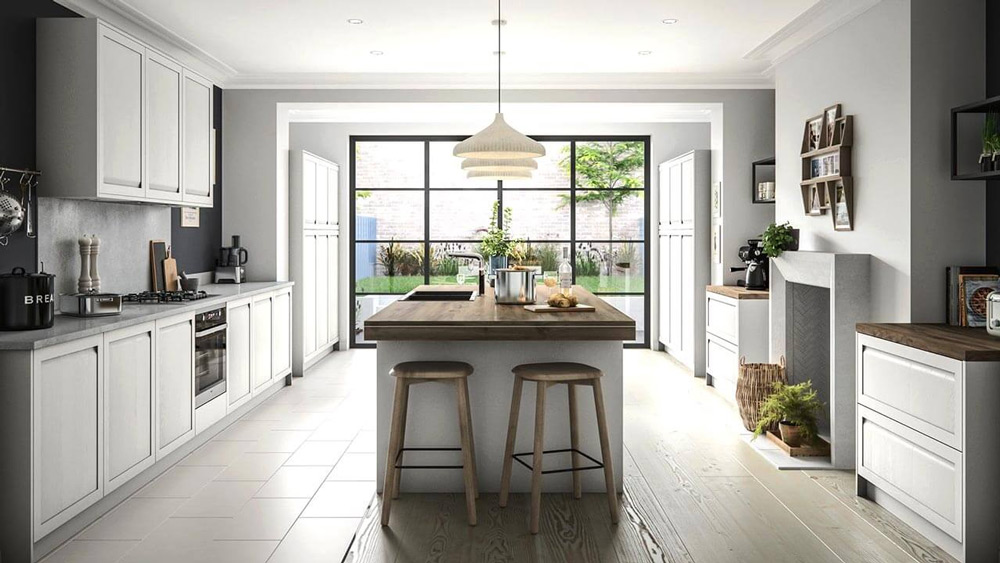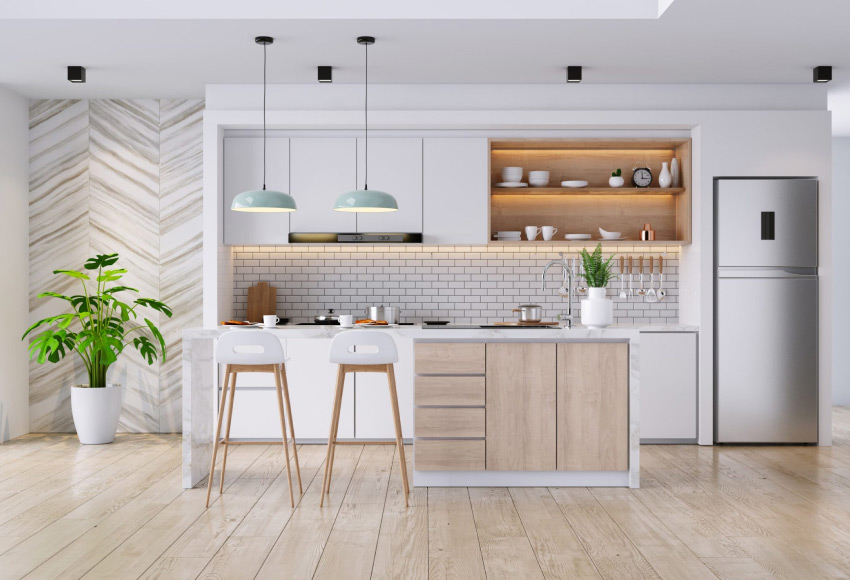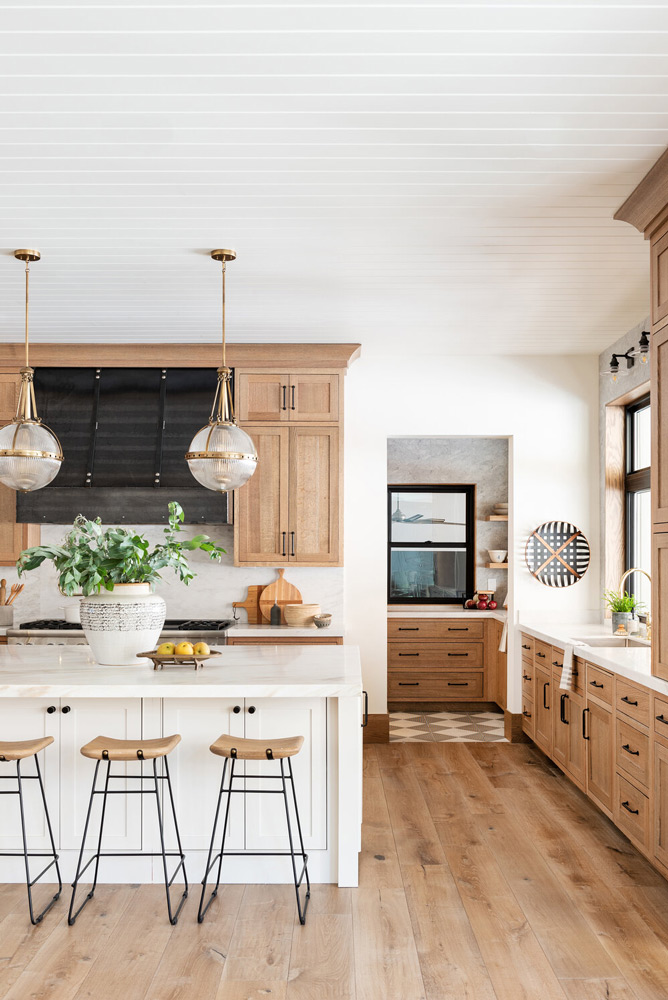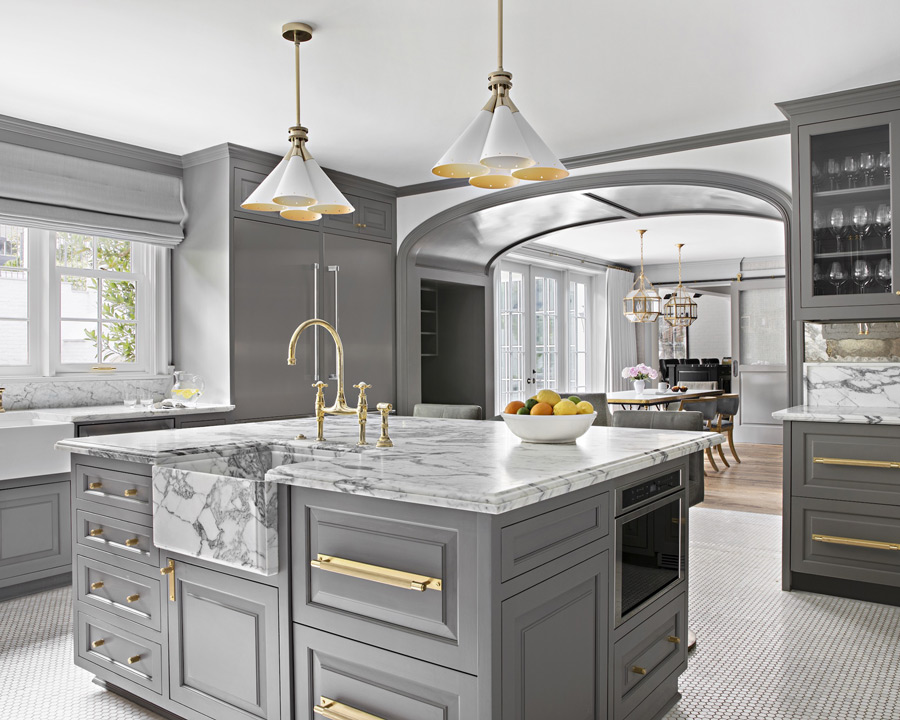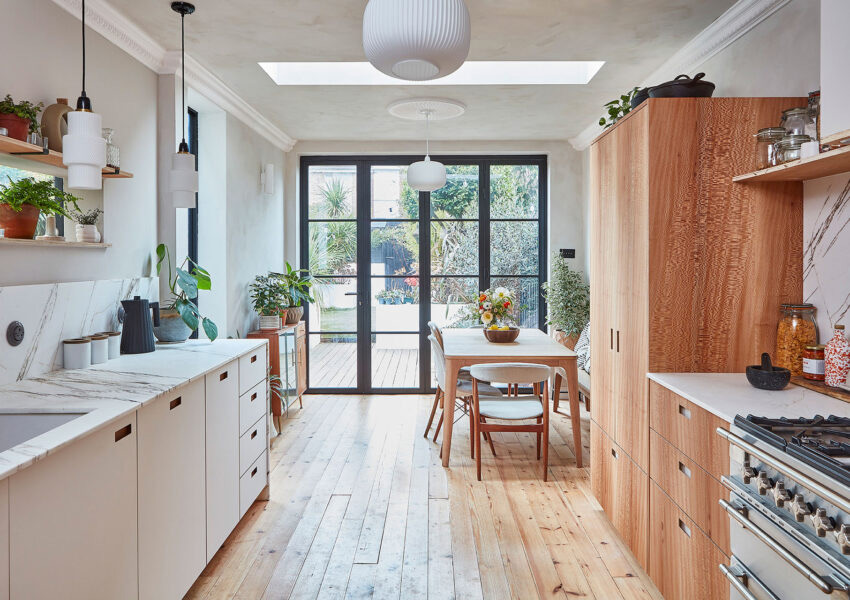
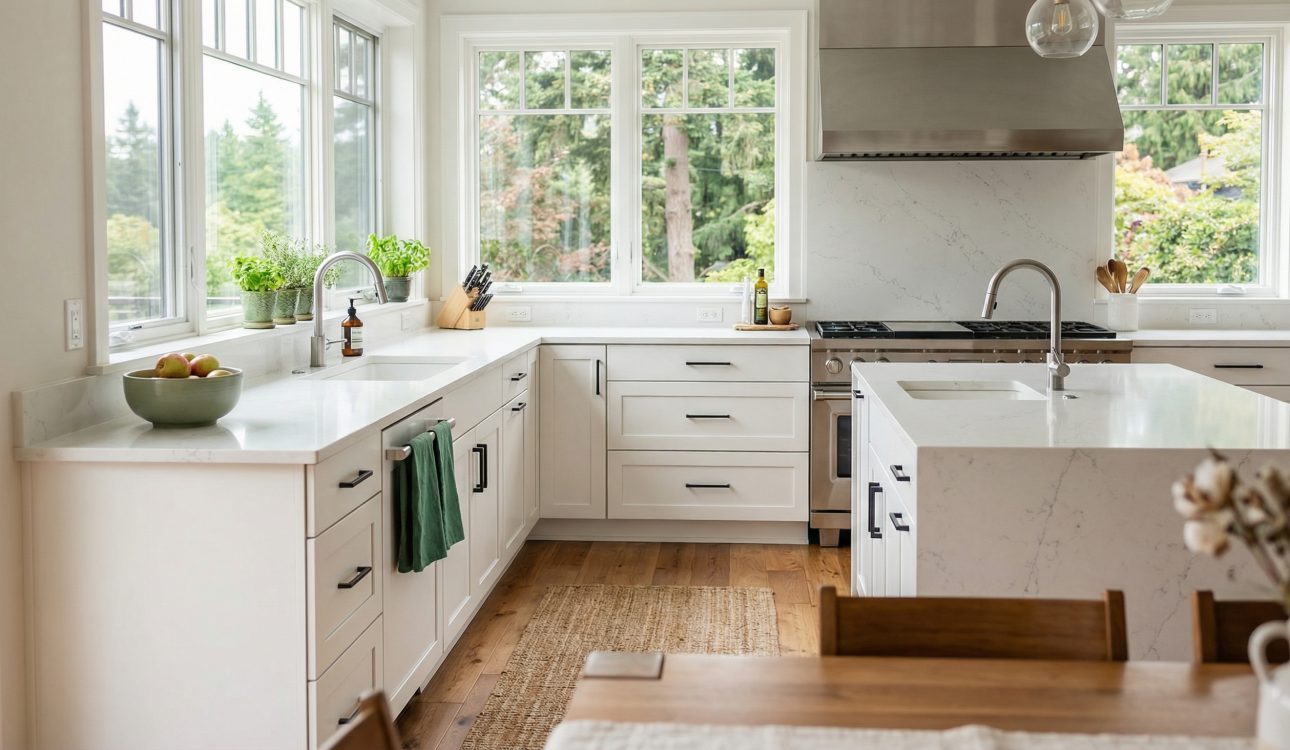
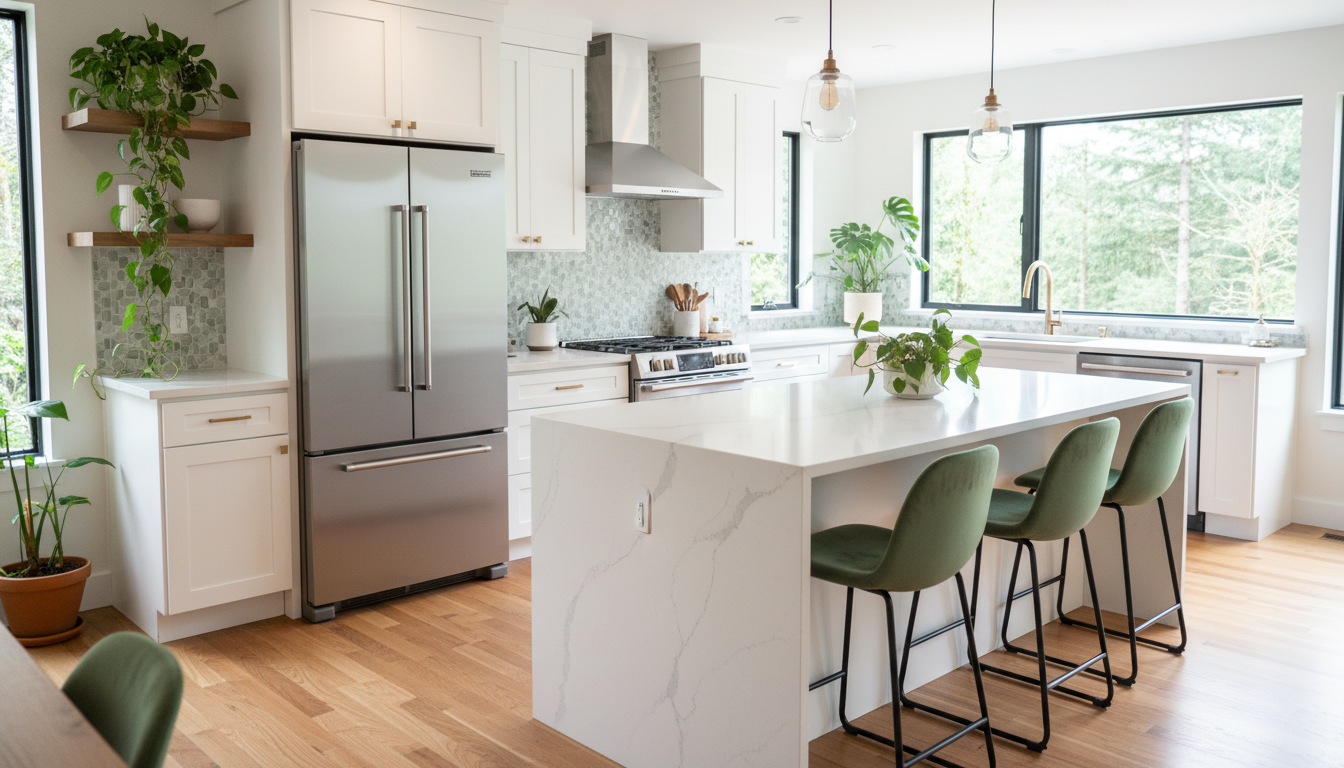
A typical mid-range kitchen remodel in Seattle featuring contemporary finishes and functional layout
You’re standing in your outdated Seattle kitchen, wondering if that 1980s oak veneer and laminate countertops are costing you more than just aesthetics. Here’s the truth: kitchen remodeling Seattle WA projects vary wildly in cost, and without understanding the real numbers, you’ll either overpay or end up with buyer’s remorse.
The Seattle metro area presents unique challenges—permit requirements in King County differ from Pierce County, labor costs reflect our competitive market, and material availability can shift project timelines. I’ve watched homeowners in Bellevue spend $85,000 on kitchens that should’ve cost $55,000, simply because they didn’t understand the cost structure.
Quick Answer:
Kitchen remodeling Seattle WA typically costs $25,000-$75,000 for most projects, with an average mid-range remodel running $45,000-$55,000. Budget refreshes start around $15,000-$25,000, while high-end custom renovations can exceed $100,000. Major cost drivers include cabinet quality (30-40% of budget), labor rates ($85-$150/hour), and Seattle-specific permit fees ($1,500-$3,500).Key Takeaways:
- Budget Tier: $15,000-$25,000 covers cosmetic updates with stock cabinets and basic appliances
- Mid-Range Sweet Spot: $45,000-$55,000 delivers semi-custom cabinets, quartz counters, and quality finishes
- Premium Investment: $75,000-$100,000+ includes custom cabinetry, designer fixtures, and structural changes
- Timeline Impact: Standard 6-8 week projects cost 15-20% less than rushed 3-4 week schedules
- Hidden Costs: Budget an additional 15-20% for permits, contingencies, and unexpected issues
Table of Contents
- Understanding Kitchen Remodeling Costs in Seattle’s 2025 Market
- Complete Cost Range Breakdown by Project Tier
- Detailed Cost Components: Where Every Dollar Goes
- Real Seattle Kitchen Remodel Examples with Actual Costs
- Labor Costs in King County and Pierce County
- Materials Cost Breakdown for Seattle Projects
- Permit Requirements and Associated Fees
- Cost-Saving Strategies That Don’t Sacrifice Quality
- What Drives Kitchen Remodeling Costs Higher
- Red Flags in Contractor Quotes and Pricing
- Financing Options for Seattle Kitchen Remodels
- Frequently Asked Questions
Understanding Kitchen Remodeling Costs in Seattle’s 2025 Market
The Seattle market presents unique cost dynamics. In 2025, the average kitchen remodel cost in Seattle ranges from $15,000 to $45,000 for a standard 10×10 kitchen, with mid-range projects in the $30,000–$55,000 range and luxury remodels topping $100,000. But those numbers don’t tell the whole story.
Licensed trades like electricians, plumbers, and tile installers charge $90 to $125 per hour in the Seattle metro, significantly higher than the national average. Material tariffs and supply chain volatility in 2025 have increased costs for imported cabinets, tile, and stone countertops. And then there’s the permitting maze.
Seattle doesn’t require permits for minor repairs under $6,000 in a 6-month period, but most kitchen remodels exceed that threshold. STFI (Subject to Field Inspection) permits typically cost 1.5-2% of project valuation—about $2,000 for a $100,000 kitchen. Add plumbing, electrical, and potential street use permits, and you’re looking at $2,000-$10,000+ in permitting fees alone.
But here’s what contractors won’t tell you upfront: older Seattle homes—especially those built in the 1950s-1960s—often hide surprises. Outdated wiring, galvanized pipes, or asbestos-containing materials can add $5,000-$15,000 to your budget. That’s why smart homeowners budget an extra 15-20% for contingencies.
Detailed cost planning is essential for Seattle kitchen remodels due to regional labor rates and permit requirements
Complete Cost Range Breakdown by Project Tier
Let’s cut through the marketing fluff. Kitchen remodeling Seattle WA costs break down into three realistic tiers, and understanding where you fall determines whether you’ll get value or regret.
| Project Tier | Total Cost Range | What’s Included | Best For |
|---|---|---|---|
| Budget Refresh | $15,000 – $25,000 | Stock cabinets, laminate counters, basic appliances, cosmetic updates | Rental properties, pre-sale updates, tight budgets |
| Mid-Range Remodel | $45,000 – $55,000 | Semi-custom cabinets, quartz counters, mid-grade appliances, some layout changes | Most Seattle homeowners, balanced investment |
| Premium Custom | $75,000 – $100,000+ | Custom cabinetry, designer finishes, high-end appliances, structural modifications | Luxury homes, major layout overhauls, top-tier materials |
In 2025, the average kitchen remodel in Seattle ranges from $15,000 to $45,000 for a standard 10×10 kitchen, with mid-range projects in the $30,000–$55,000 range and luxury remodels topping $100,000.
Budget Tier Reality Check ($15,000-$25,000):
Minor kitchen remodels involving cosmetic updates like cabinet refacing, countertop replacement, and updated fixtures range from $15,000 to $25,000. You’re getting stock cabinets from Home Depot or IKEA, laminate or basic granite counters, and builder-grade appliances. No layout changes. No moving plumbing or electrical. This tier works if your existing layout functions well and you’re simply refreshing aesthetics.
Mid-Range Sweet Spot ($45,000-$55,000):
This is where most Seattle homeowners land—and for good reason. Standard quality kitchen remodels in Seattle budget between $35,000 and $55,000, covering stock materials and basic plumbing fixtures. You get semi-custom cabinets with better construction, quartz or mid-grade granite counters, quality appliances (think Bosch, KitchenAid), and professional installation across all trades. Minor layout adjustments are possible. This tier delivers the best ROI for resale.
Premium Investment ($75,000-$100,000+):
Major kitchen remodels including structural changes, new layout design, high-end appliances, and custom cabinetry cost $40,000 to $80,000 or more. At this level, you’re getting fully custom cabinetry built to your exact specifications, exotic stone countertops, professional-grade appliances, and potentially structural changes like removing walls or adding skylights. Expect 3-6 months from design to completion.
Detailed Cost Components: Where Every Dollar Goes
Understanding the cost breakdown prevents contractor price inflation. Here’s where your money actually goes in a typical $50,000 mid-range Seattle kitchen remodel:
Cabinetry (30-40% of budget): $15,000-$20,000
Cabinets are usually the single biggest expense, often making up 30-40% of the total budget, ranging from $5,000-$8,000 for stock options, $7,000-$13,000 for semi-custom, and $12,000-$30,000+ for fully custom cabinetry. This includes cabinet boxes, doors, drawer fronts, hardware, and installation.
Pro tip: Semi-custom cabinets from regional manufacturers offer 80% of the customization at 60% of the cost of fully custom. Companies like Wellborn or Aristokraft provide solid construction without the boutique markup.
Countertops (10-15% of budget): $5,000-$7,500
Countertops are the second-largest budget driver, with Seattle-area homeowners typically choosing between quartz and granite, both affected by Seattle-area labor rates of $90-$125/hour and material delivery costs. Quartz runs $60-$100 per square foot installed, granite $50-$90, and marble $75-$150+. A typical 50-square-foot kitchen needs 60-65 square feet of material (including waste factor).
Labor (25-35% of budget): $12,500-$17,500
In typical Seattle-area kitchen remodels, labor accounts for 30-50% of total cost, with licensed professionals charging $90-$125/hour or more. This includes demolition, cabinet installation, countertop fabrication and installation, tile work, painting, and project management. General contractors typically mark up subcontractor labor by 15-25%.
Appliances (8-12% of budget): $4,000-$6,000
A new appliance package including fridge, stove, dishwasher, and microwave ranges from $3,000-$12,000. Mid-range packages (Bosch, KitchenAid, GE Profile) run $4,000-$6,000. Luxury brands (Sub-Zero, Wolf, Miele) start at $15,000+.
Flooring (5-8% of budget): $2,500-$4,000
Luxury vinyl plank (LVP) costs $4-$8 per square foot installed. Porcelain tile runs $8-$15 per square foot. Hardwood flooring (if matching existing) costs $10-$18 per square foot. A 150-square-foot kitchen averages $3,000-$3,500 for quality flooring.
Lighting & Electrical (3-5% of budget): $1,500-$2,500
Lighting upgrades including recessed lighting, pendants, and under-cabinet strips range from $1,500-$4,000. This includes new circuits, moving outlets to code-compliant locations, and GFCI protection.
Plumbing (3-5% of budget): $1,500-$2,500
Basic plumbing work (new faucet, garbage disposal, dishwasher hookup) runs $1,200-$2,000. Moving sink locations or adding gas lines adds $1,500-$3,000. Repiping from galvanized to PEX costs $2,000-$4,000 additional.
Permits & Fees (3-5% of budget): $1,500-$2,500
This is where Seattle differs dramatically from national averages. STFI permits cost approximately 1.5-2% of project valuation, meaning a $100,000 kitchen remodel requires about $2,000 in permit fees. Add electrical ($150-$300), plumbing ($200-$400), and potential street use permits ($100-$200).
Understanding where your remodel dollars go helps prevent overspending on less critical elements
Real Seattle Kitchen Remodel Examples with Actual Costs
Theory is useless without real-world data. Here are actual kitchen remodeling Seattle WA projects completed in 2024-2025:
Example 1: Capitol Hill Condo Refresh – $22,500
- Size: 90 sq ft galley kitchen
- Scope: IKEA semi-custom cabinets, quartz counters, new sink/faucet, LVP flooring, fresh paint
- Timeline: 3 weeks
- What worked: Keeping existing layout eliminated plumbing/electrical costs
- Surprise cost: $800 for asbestos testing (negative result, but required)
Example 2: Ballard Mid-Century Renovation – $58,000
- Size: 180 sq ft L-shaped kitchen
- Scope: Semi-custom cabinets, quartz counters, mid-range appliances (Bosch package), subway tile backsplash, new lighting, refinished hardwood floors
- Timeline: 7 weeks
- What worked: Contractor handled all permits ($2,100 total)
- Surprise cost: $4,200 for electrical panel upgrade (required by code when adding circuits)
Example 3: Queen Anne Historic Home – $94,000
- Size: 220 sq ft with island addition
- Scope: Custom cabinetry, marble counters, Wolf range, structural beam for wall removal, new hardwood flooring, designer lighting
- Timeline: 14 weeks
- What worked: Design-build firm streamlined permitting and scheduling
- Surprise cost: $8,500 for structural engineer and beam installation (wall was load-bearing)
Example 4: Renton Rental Property Update – $16,800
- Size: 120 sq ft
- Scope: Stock cabinets (painted), laminate counters, basic appliances, vinyl flooring
- Timeline: 2 weeks
- What worked: No permits required (under $6,000 threshold with DIY labor value excluded)
- Surprise cost: None—straightforward cosmetic refresh
Example 5: Bellevue Custom Remodel – $127,000
- Size: 350 sq ft with butler’s pantry
- Scope: Fully custom cabinetry, exotic quartzite counters, Sub-Zero/Wolf appliances, radiant floor heating, smart home integration
- Timeline: 18 weeks
- What worked: Detailed design phase prevented change orders
- Surprise cost: $6,700 for HVAC modifications to accommodate new layout
These examples demonstrate a crucial pattern: the more you deviate from the existing layout, the more your costs escalate. Moving plumbing 6 feet costs $1,500-$2,500. Removing a wall requires structural engineering ($1,200-$2,500) plus beam installation ($3,000-$8,000). Every decision compounds.
Labor Costs in King County and Pierce County
Labor is where Seattle’s premium pricing becomes unavoidable. Let’s break down what you’re actually paying for.
Hourly Rates by Trade (2025 Seattle Metro):
- General laborers: $23-$32/hour base rate
- Carpenters: $45-$75/hour
- Electricians: $90-$125/hour
- Plumbers: $95-$135/hour
- Tile setters: $50-$85/hour
- Cabinet installers: $60-$95/hour
- General contractors: Typically 15-25% markup on all labor
Licensed trades like electricians, plumbers, and tile installers often charge $90 to $125 per hour in the Seattle metro, driven by high demand, union labor, and skilled labor shortages.
Why Seattle Labor Costs More:
- Union Prevailing Wages: Many Seattle contractors employ union labor, which commands higher wages but delivers consistent quality.
- Licensing Requirements: Washington State requires specific licensing for trades, and maintaining those licenses costs money that gets passed to consumers.
- Cost of Living: Seattle’s housing costs force contractors to charge rates that support their own living expenses.
- Insurance & Bonding: Liability insurance for contractors in King County runs 20-30% higher than rural Washington due to higher claim values.
King County vs. Pierce County Differences:
Pierce County (Tacoma, Gig Harbor, Federal Way) typically runs 8-12% lower than Seattle proper. In Pierce County, homeowners paid between $9,758 and $48,790 for kitchen remodels in 2025, slightly below King County averages. However, the trade-off is often longer drive times for contractors, which can add travel charges.
Labor Breakdown for Typical $50,000 Remodel:
- Demolition: 2 days × 2 laborers = $1,200-$1,600
- Cabinet installation: 3-4 days × 2 installers = $3,600-$5,700
- Countertop fabrication/install: 1-2 days = $1,800-$2,800 (usually included in material cost)
- Electrical: 2-3 days × 1 electrician = $1,800-$3,000
- Plumbing: 1-2 days × 1 plumber = $1,200-$2,400
- Tile work: 2-3 days × 1 tile setter = $1,600-$2,550
- Painting: 2 days × 1 painter = $800-$1,200
- Flooring: 1-2 days × 1 installer = $800-$1,400
- Total direct labor: $12,800-$20,650
- GC markup (20%): $2,560-$4,130
- Final labor cost: $15,360-$24,780
This accounts for 30-50% of your total project cost—exactly in line with industry standards.
Materials Cost Breakdown for Seattle Projects
Material costs in Seattle run 10-15% higher than national averages due to freight costs and tariff impacts. Here’s what you’ll actually pay in 2025:
Cabinet Materials:
- Stock cabinets (Home Depot, Lowe’s): $75-$150 per linear foot
- Semi-custom (Wellborn, Aristokraft, Diamond): $150-$350 per linear foot
- Custom (local cabinet shops): $500-$1,200+ per linear foot
A typical 10×10 kitchen requires approximately 20 linear feet of cabinets (10 feet of base, 10 feet of wall). Budget $3,000-$7,000 for semi-custom quality.
Countertop Materials (per square foot, installed):
- Laminate: $25-$40
- Tile: $30-$60
- Granite: $50-$90
- Quartz: $60-$100
- Marble: $75-$150
- Quartzite: $90-$200+
Countertops are the second-largest budget driver, with homeowners in Seattle choosing between quartz and granite. Quartz has become the dominant choice in Seattle due to its low maintenance and moisture resistance—critical in the Pacific Northwest climate.
Appliance Packages:
- Budget (Frigidaire, GE): $2,500-$3,500
- Mid-range (Bosch, KitchenAid, GE Profile): $4,500-$7,000
- Premium (Thermador, Jenn-Air): $8,000-$12,000
- Luxury (Sub-Zero, Wolf, Miele): $15,000-$30,000+
Flooring Materials (per square foot, installed):
- Luxury vinyl plank: $4-$8
- Porcelain tile: $8-$15
- Hardwood (red oak, maple): $10-$15
- Exotic hardwood (Brazilian cherry, teak): $15-$25
Backsplash Materials (per square foot, installed):
- Ceramic subway tile: $8-$15
- Glass tile: $15-$30
- Natural stone: $20-$40
- Slab backsplash (matching counters): $40-$80
2025 Material Price Trends:
Material tariffs have increased costs for imported cabinets, tile, and stone countertops in 2025, with supply chain volatility keeping lead times unpredictable. Domestic materials (American-made cabinets, domestic stone) have seen more stable pricing but still increased 4-6% year-over-year.
Permit Requirements and Associated Fees
Seattle’s permitting process is more complex than most U.S. cities, and understanding the requirements prevents costly delays.
When You Need Permits:
Seattle doesn’t require permits for minor repairs or alterations costing $6,000 or less in a 6-month period. However, even projects under $6,000 require permits for work on load-bearing supports, changes to the building envelope, or work reducing egress, light, ventilation, or fire resistance.
Most kitchen remodels require three permits:
1. Building Permit (STFI or Full Review):
STFI (Subject to Field Inspection) permits are issued for relatively simple projects without full plan review, with Seattle issuing about 17,000 annually, allowing you to walk in and receive the permit the same day. STFI permits typically cost 1.5-2% of project valuation—approximately $2,000 for a $100,000 kitchen remodel.
Full review permits (required for structural changes, major layout modifications) cost 2-5% of project value and require plan submittal, review, corrections, and approval—adding 4-8 weeks to your timeline.
2. Electrical Permit:
Required for any electrical work beyond simple fixture replacement. Costs $150-$500 depending on scope (number of circuits, outlets, fixtures). Electrical permits are strictly enforced for safety, especially in wet kitchen environments.
3. Plumbing Permit:
In 2025, Seattle plumbing permits are calculated with a base fee of $132 plus $26 per fixture (up from $19 each). A typical kitchen with sink, dishwasher, and garbage disposal requires 3 fixtures = $132 + $78 = $210 base cost.
4. Street Use Permit (often overlooked):
Street use permits allow dumpsters and port-a-potties and don’t require inspections. Cost: $100-$200 depending on duration and location.
King County vs. Seattle vs. Pierce County Permitting:
- Seattle (city limits): Most expensive, strictest enforcement, fastest processing for STFI permits
- Unincorporated King County: Moderate costs, longer processing times (2-4 weeks typical)
- Pierce County: $50-$200 for small projects, $200-$1,000 for remodels, generally lower than Seattle
- Bellevue, Redmond, Renton: Each city has unique fee structures; typically 10-20% lower than Seattle
Total Permit Cost Example ($50,000 Kitchen Remodel in Seattle):
- STFI building permit: $1,000
- Electrical permit: $250
- Plumbing permit: $210
- Street use permit: $150
- Total: $1,610 (3.2% of project cost)
Inspection Requirements:
Permits include inspections at specific milestones:
- Demolition inspection: Verifies safe removal practices
- Rough-in inspection: Checks framing, electrical, plumbing before closing walls
- Final inspection: Verifies code compliance before certificate of occupancy
Missing an inspection or failing one adds 1-3 days to your timeline per occurrence.
Learn more about Seattle bathroom remodeling permit requirements which follow similar processes.
Seattle’s permitting process requires careful attention to building, electrical, and plumbing permits
Cost-Saving Strategies That Don’t Sacrifice Quality
After managing dozens of Seattle kitchen remodels, I’ve identified seven strategies that actually work—not the generic “shop around” advice you’ll find elsewhere.
1. Keep the Existing Layout (Saves $5,000-$15,000)
Every time you move a sink, you’re paying for new plumbing rough-in ($800-$1,500), potentially new drain lines ($600-$1,200), and modified electrical ($400-$800). Moving a range requires gas line relocation ($1,200-$2,500). Unless your current layout is genuinely dysfunctional, work within it.
2. Choose Semi-Custom Over Custom Cabinets (Saves $8,000-$20,000)
Semi-custom cabinets from quality manufacturers (Wellborn, Aristokraft, Diamond) offer 80% of the customization at 60% of the cost. You get custom sizing, multiple door styles, and quality construction without the 12-16 week lead times of fully custom work.
3. Time Your Project for Contractor Off-Season (Saves 10-15%)
Seattle contractors are slammed May-October. Book your project for November-March and many will offer 10-15% discounts to keep crews busy. Just avoid December holidays when material suppliers close.
4. Supply Your Own Appliances (Saves $500-$1,500)
Contractors mark up appliances 15-25%. Purchase directly from Seattle appliance dealers during holiday sales (Memorial Day, Labor Day, Black Friday) and have them delivered to your home. Your contractor installs them for a flat fee ($200-$400 per appliance).
5. Choose Quartz Over Marble (Saves $2,000-$5,000)
Seattle homeowners increasingly choose quartz for its low-maintenance, stain-resistant properties that handle Pacific Northwest moisture. It costs 30-40% less than marble and requires zero sealing or special maintenance.
6. Minimize Tile Work (Saves $1,500-$3,000)
Tile installation is labor-intensive. Instead of a full tile backsplash, consider a slab backsplash (same material as your counters) for $800-$1,500 less. Or use a 4-inch tile backsplash behind the range only.
7. Refinish Instead of Replace (Selectively)
If your existing hardwood floors are solid wood (not engineered), refinishing costs $3-$5 per square foot vs. $10-$18 for new. If cabinet boxes are solid but dated, reface them ($4,000-$8,000) instead of replacing ($12,000-$25,000).
What NOT to Cheap Out On:
- Plumbing and electrical work: Code violations create liability and resale problems
- Cabinet hardware: Cheap hinges and drawer slides fail within 2-3 years
- Underlayment: Skimping on proper subfloor prep causes tile cracks and floor failures
- Ventilation: Inadequate range hoods create moisture problems in Seattle’s climate
WAREMODEL’s Approach:
At WAREMODEL, we’ve streamlined kitchen remodeling Seattle WA projects through a design-build model that eliminates the markup layers of traditional general contractors. Our 3D design consultation ensures you see exactly what you’re getting before construction begins, preventing costly mid-project changes. We handle all permits, coordinate all trades in-house, and provide transparent pricing that breaks down every cost component. For more details on our process, explore our expert kitchen remodel strategies for Bellevue.
What Drives Kitchen Remodeling Costs Higher
Understanding cost drivers helps you make informed trade-offs. Here are the factors that most dramatically impact your final bill:
1. Age of Your Home
Homes in areas like Mountlake Terrace dating back to the 1950s-1960s often have nonstandard layouts or dated infrastructure, including outdated wiring, water damage, or layout issues that drive up labor hours and permit complexity. Pre-1970 homes frequently need:
- Electrical panel upgrades ($1,500-$4,000)
- Knob-and-tube wiring replacement ($3,000-$8,000)
- Galvanized pipe replacement ($2,000-$5,000)
- Asbestos abatement ($1,500-$5,000)
2. Structural Modifications
Removing walls sounds simple but gets expensive fast:
- Structural engineer assessment: $800-$2,500
- Steel beam or LVL beam: $1,200-$4,000
- Installation labor: $2,000-$4,000
- Drywall repair and finishing: $800-$1,800
- Total for single wall removal: $4,800-$12,300
3. Scope Creep (The Silent Budget Killer)
“While we’re at it…” are the five most expensive words in remodeling. Every mid-project change order adds:
- Design time to revise plans
- Material reordering (often at rush prices)
- Labor schedule disruption
- Permit amendments (if structural)
A $500 “simple” change typically costs $1,200-$1,800 by the time all factors are included.
4. Material Lead Times
Supply chain volatility keeps lead times for custom cabinetry and specialty finishes unpredictable, which can delay projects and increase labor costs. Delayed materials mean:
- Contractors move to other jobs, creating scheduling gaps
- Labor costs increase due to multiple mobilizations
- Storage fees for delivered materials
- Potential price increases if materials are reordered
5. Hidden Conditions
Expect the unexpected:
- Rotted subfloor under sink: $800-$2,000 to repair
- Mold remediation: $1,500-$5,000
- Outdated venting: $600-$1,500
- Non-code plumbing: $1,200-$3,000 to correct
Budget 10-15% contingency for homes over 30 years old, 5-10% for newer construction.
6. Design Complexity
Every angle, corner, and custom detail adds cost:
- Standard kitchen: $150-$200 per square foot
- Moderate complexity (angled island, multiple levels): $200-$275 per square foot
- High complexity (curved elements, mixed materials, intricate tile): $275-$400+ per square foot
7. Appliance Choices
The appliance tier you select cascades into other costs:
- Budget appliances: Standard electrical, basic ventilation = minimal additional cost
- Premium appliances: May require gas line addition ($1,200-$2,500), upgraded electrical circuits ($800-$1,500), heavy-duty ventilation ($1,500-$3,000)
- Professional ranges: Often require fire suppression systems ($2,000-$4,000) and makeup air systems ($3,000-$6,000)
Red Flags in Contractor Quotes and Pricing
Having reviewed hundreds of kitchen remodeling Seattle WA quotes, certain patterns scream “trouble ahead.” Here’s what to watch for:
Red Flag #1: Suspiciously Low Bids (20%+ Below Others)
If one quote is dramatically lower, they’re either:
- Planning to use unlicensed subcontractors
- Omitting permits and inspections
- Using inferior materials with brand-name labels
- Planning to hit you with change orders later
Homeowners can expect to recoup 70-80% of mid-range kitchen remodel costs when selling, while high-end remodels average around 60% ROI. Cheap work reduces this further.
Red Flag #2: No Itemized Breakdown
Legitimate contractors provide line-item quotes showing:
- Labor costs by trade
- Material costs with specifications
- Permit fees
- Contingency allowances
A single lump sum number with no breakdown prevents you from understanding where your money goes and makes change orders impossible to verify.
Red Flag #3: No Permit Discussion
Most building projects in Seattle require permits, with only minor repairs under $6,000 exempted. If a contractor suggests “saving money” by skipping permits, they’re:
- Exposing you to code violations
- Creating resale problems (unpermitted work must be disclosed)
- Potentially using unqualified labor
- Risking insurance claim denials if work causes damage
Red Flag #4: Pressure to Sign Immediately
“This price is only good if you sign today” is a classic high-pressure tactic. Quality contractors with full schedules don’t need to pressure you. They’re booked 4-8 weeks out and can wait 3-5 days for your decision.
Red Flag #5: Requesting Large Upfront Payment
Seattle requires 75% of plan review and permit fees when applications are accepted, with final fees due before permit issuance. But contractors should never request more than:
- 10-15% deposit to secure schedule
- 30-40% when materials are ordered
- Progress payments tied to milestones
- Final 10-15% upon completion
Requesting 50%+ upfront suggests cash flow problems or potential fraud.
Red Flag #6: No Written Contract
Washington State law requires written contracts for work over $1,000. Your contract must include:
- Detailed scope of work
- Payment schedule tied to milestones
- Timeline with start and completion dates
- Change order process
- Lien waiver requirements
- Warranty information
Red Flag #7: “We’ll Handle Everything” Without Specifics
When you ask about permits, inspections, or specific products, vague answers like “we’ll take care of it” or “we use the best materials” indicate:
- Lack of planning
- Potential bait-and-switch on materials
- No actual permit strategy
What Good Quotes Look Like:
A professional quote includes:
- Company license number (verify at Washington L&I)
- Insurance certificate
- Detailed scope with specific products (model numbers, colors, specifications)
- Timeline with key milestones
- Payment schedule
- Warranty terms (typically 1-2 years on labor, manufacturer warranties on materials)
- References from recent similar projects
Financing Options for Seattle Kitchen Remodels
Kitchen remodeling Seattle WA projects often exceed available cash savings. Here are your financing options, ranked by cost-effectiveness:
1. Home Equity Line of Credit (HELOC)
Pros:
- Lowest interest rates (7.5-9.5% in 2025)
- Interest may be tax-deductible
- Pay interest only on amount used
- Revolving credit for future projects
Cons:
- Requires 15-20% home equity
- Variable interest rates
- Home serves as collateral
- Closing costs ($500-$1,500)
Best for: Homeowners with significant equity planning multiple projects over time.
2. Home Equity Loan
Pros:
- Fixed interest rates (8-10.5%)
- Predictable monthly payments
- Interest may be tax-deductible
- Lump sum disbursement
Cons:
- Higher rates than HELOCs
- Home serves as collateral
- Closing costs ($1,000-$3,000)
- Must borrow full amount upfront
Best for: Homeowners who prefer fixed payments and know exact project cost.
3. Cash-Out Refinance
Pros:
- Potentially lowest rate if current mortgage rate is high
- Single monthly payment
- Interest may be tax-deductible
Cons:
- Only makes sense if refinancing improves overall mortgage terms
- Significant closing costs (2-5% of loan amount)
- Resets mortgage term
- Lengthy approval process (30-60 days)
Best for: Homeowners with high existing mortgage rates who want to refinance anyway.
4. Personal Loan
Pros:
- No collateral required
- Fast approval (1-7 days)
- Fixed rates and terms
- No closing costs
Cons:
- Higher interest rates (10-18%)
- Shorter terms (3-7 years) = higher monthly payments
- Lower borrowing limits ($50,000 typical maximum)
Best for: Smaller projects or homeowners without sufficient equity.
5. Contractor Financing
Many contractors offer financing through third-party lenders:
Pros:
- Convenient one-stop shopping
- Sometimes promotional 0% periods (12-24 months)
- Fast approval
Cons:
- Higher rates after promotional period (18-25%)
- Deferred interest traps (if not paid in full, interest backdated to day one)
- May limit contractor negotiation leverage
Best for: Small projects you can pay off during promotional period.
6. Credit Cards
Pros:
- Immediate access
- Rewards/cash back (1-2%)
- 0% introductory APR cards available (12-21 months)
Cons:
- High ongoing rates (18-28%)
- Credit limit constraints
- Can damage credit score if utilization exceeds 30%
Best for: Final payments, small overruns, or strategic use of 0% intro offers.
What NOT to Do:
- 401(k) loans: Opportunity cost of lost investment growth, potential tax penalties if you leave your job
- Payday loans or title loans: Predatory rates (300%+ APR)
- Unlicensed contractor “payment plans”: No consumer protections, potential mechanics liens
For a complete overview of bathroom remodeling costs and financing, check out our Seattle bathroom remodeling guide.

Understanding financing options helps Seattle homeowners afford quality kitchen remodels without overextending budgets
Frequently Asked Questions
How much does a typical kitchen remodel cost in Seattle WA?
In 2025, kitchen remodels in Seattle range from $15,000 to $45,000 for a standard 10×10 kitchen, with mid-range projects costing $30,000-$55,000 and luxury remodels exceeding $100,000. The average mid-range project runs $45,000-$55,000, which includes semi-custom cabinets, quartz countertops, quality appliances, and professional installation across all trades.
Why do kitchen remodels cost more in Seattle than other cities?
Kitchen remodeling in Seattle costs about 15% more than many other cities due to higher local labor rates and stricter permit and inspection rules. Licensed trades like electricians, plumbers, and tile installers charge $90-$125 per hour in the Seattle metro, compared to $60-$85 in most U.S. cities. Additionally, material tariffs on imported cabinets, tile, and stone countertops increased costs in 2025.
Do I need permits for a kitchen remodel in Seattle?
Yes, for most projects. Seattle doesn’t require permits for minor repairs or alterations costing $6,000 or less in a 6-month period, but permits are required for work on load-bearing supports, building envelope changes, or work affecting egress, light, ventilation, or fire resistance regardless of cost. Most kitchen remodels require building, electrical, and plumbing permits totaling $1,500-$3,500.
How long does a kitchen remodel take in Seattle?
The average kitchen remodel in Seattle takes 6-12 weeks once work begins, with minor updates taking 3-4 weeks and full remodels with custom cabinets or major changes stretching to several months. Add 1-3 months for design and material ordering, plus 2-4 weeks for permit approval if not using STFI permits.
What’s the biggest cost in a kitchen remodel?
Cabinets are usually the single biggest expense, making up 30-40% of total budget, ranging from $5,000-$8,000 for stock options, $7,000-$13,000 for semi-custom, and $12,000-$30,000+ for fully custom cabinetry. Labor is the second largest expense at 25-35% of total cost.
Should I choose quartz or granite countertops?
Seattle homeowners increasingly choose quartz for its low-maintenance, stain-resistant properties that handle Pacific Northwest moisture well. Quartz requires no sealing, resists stains better, and costs $60-$100 per square foot installed. Granite costs $50-$90 per square foot but requires annual sealing and is more porous. For Seattle’s climate, quartz is the smarter long-term investment.
How much do permits cost for a Seattle kitchen remodel?
STFI (Subject to Field Inspection) permits typically cost 1.5-2% of project valuation—approximately $2,000 for a $100,000 kitchen remodel. Add electrical permits ($150-$300), plumbing permits with a base fee of $132 plus $26 per fixture, and potential street use permits ($100-$200). Total permit costs typically run $1,500-$3,500 for mid-range remodels.
Can I save money by doing some of the work myself?
Yes, but strategically. Safe DIY tasks include demolition (saves $1,200-$1,600), painting ($800-$1,200), and simple flooring installation if you’re experienced. However, electrical work requires permits and should never be DIY for safety, especially in wet kitchen environments. Plumbing and cabinet installation also require professional skills. Most homeowners save 10-15% maximum through selective DIY without compromising quality.
What’s the ROI on a kitchen remodel in Seattle?
Homeowners can expect to recoup 70-80% of mid-range kitchen remodel costs when selling their home, while high-end remodels typically average around 60% ROI. Seattle’s competitive real estate market supports strong returns on quality renovations, especially in desirable neighborhoods like Ballard, Capitol Hill, Queen Anne, and Bellevue.
Conclusion: Making Your Kitchen Remodeling Seattle WA Investment Count
Kitchen remodeling Seattle WA projects demand more planning, higher budgets, and greater attention to detail than most U.S. markets. But they also deliver stronger ROI and dramatically improve daily quality of life in the heart of your home.
The key takeaways:
- Budget realistically: $45,000-$55,000 for mid-range quality that will last 15-20 years
- Account for Seattle premiums: Labor, permits, and materials all run 15-20% above national averages
- Keep existing layouts when possible: Saves $5,000-$15,000 and simplifies permitting
- Don’t skip permits: Short-term savings create long-term liability and resale problems
- Choose contractors carefully: Verify licenses, check references, and demand itemized quotes
- Budget 15-20% contingency: Older Seattle homes hide surprises
At WAREMODEL, we’ve refined kitchen remodeling Seattle WA projects into a streamlined process that eliminates uncertainty. Our design-build approach means one point of contact, transparent pricing, and no finger-pointing when issues arise. We handle everything from initial 3D design consultation through final inspection, coordinating all trades in-house to prevent the scheduling chaos that plagues traditional remodels.
Our family-centered design philosophy focuses on how you actually use your kitchen—not just how it photographs. We work throughout King County and Pierce County, bringing the same attention to detail whether you’re in Bellevue, Kent, Renton, Tacoma, or Gig Harbor.
Ready to stop wondering “how much will this really cost?” and get transparent, detailed pricing for your specific project? Contact WAREMODEL today for a complimentary consultation and 3D design preview. We’ll show you exactly what your investment delivers—before you commit a single dollar.
Your kitchen should work for your life. Let’s build it together.
For related remodeling insights, explore our guides on custom kitchen cabinets in Bellevue and bathroom remodeling costs in Bellevue.