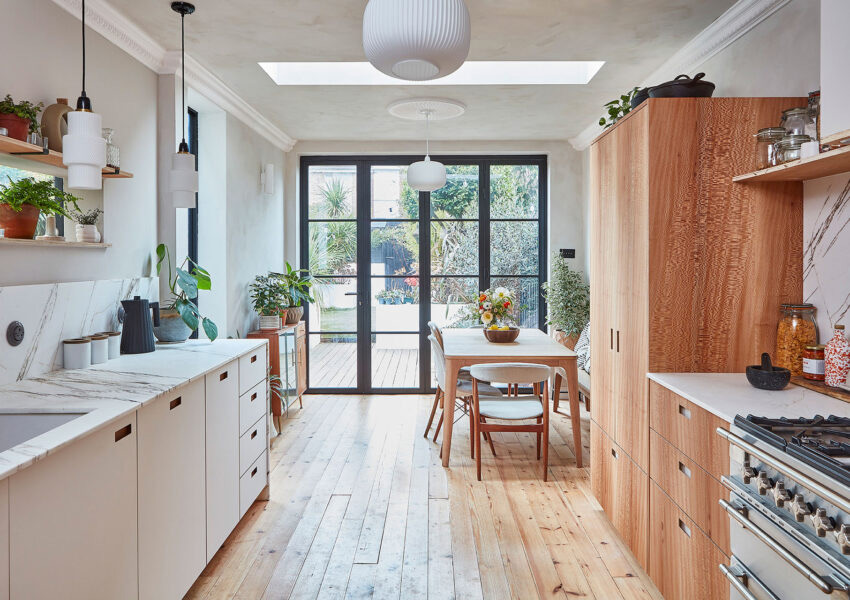
When Sarah Martinez started planning her Bethesda kitchen remodel in early 2025, she made a list of everything she thought she'd need to handle. What she didn't expect was discovering contractors who asked questions she'd never considered, design decisions that kept her up at night, and permit requirements that seemed to appear out of nowhere. By her third consultation, she realized that having a structured checklist would have saved her weeks of confusion and several expensive mistakes.
If you're planning a kitchen remodeling project in Bethesda, MD, you're not alone. According to research from Houzz, 54% of homeowners who completed renovations in 2024 prioritized kitchen projects above all other home improvements. The median kitchen remodel now costs $60,000, and that figure is climbing.
This comprehensive checklist breaks down every phase of your kitchen remodeling journey—from the initial planning stages through final inspection—so you won't miss critical steps, overspend, or face construction delays. Use this guide as your roadmap, whether you're working with a local Bethesda contractor or coordinating multiple trade professionals.
Essential Kitchen Remodeling Checklist:
- Budget & Timeline: Determine realistic budget ($40K-$100K+), set timeline (8-16 weeks), and secure financing
- Contractor Selection: Verify licenses, insurance, references, and local experience with Maryland permits
- Design Planning: Finalize layout, materials, colors, appliances, and cabinet styles before construction
- Permits & Compliance: Apply for building permits (4-6 weeks in Maryland), understand HOA requirements if applicable
- Construction Oversight: Weekly walkthroughs, payment schedules aligned with milestones, change order protocols
- Final Inspection: Verify all work meets code, document defects, schedule final payment release
Table of Contents
- Phase 1: Pre-Planning Checklist
- Phase 2: Contractor Selection Checklist
- Phase 3: Design & Material Selection Checklist
- Phase 4: Budget & Financing Checklist
- Phase 5: Permits & Legal Checklist
- Phase 6: Construction Management Checklist
- Phase 7: Final Inspection Checklist
- Common Kitchen Remodeling Mistakes to Avoid
- FAQ

Proper planning before construction begins prevents costly mistakes and ensures your vision becomes reality.
Phase 1: Pre-Planning Checklist
The planning phase is where your kitchen remodel succeeds or struggles. This is not the time to rush. Most kitchen remodeling projects in Bethesda take 8-16 weeks from contract signing to completion, but the pre-planning work can easily take 4-8 weeks if you're serious about getting it right.
Start by honestly assessing your home's current kitchen situation. How old is your kitchen? What specific problems are you trying to solve? Are you remodeling because the space is dysfunctional, because you want to improve home value, or because you're tired of outdated finishes? Your motivation matters because it directly impacts your budget allocation and material choices.
Pre-Planning Checklist Items:
-
Define your remodeling goals. Write down 3-5 specific problems your current kitchen has (poor lighting, insufficient storage, outdated appliances, dysfunctional layout). Be specific. -
Assess your home's kitchen use. How many people cook? Do you entertain frequently? Do you work from home and spend extended time in the kitchen? This shapes your priorities. -
Evaluate your current kitchen's structural limitations. Can your plumbing be relocated? Are there load-bearing walls? Is electrical service adequate? These answers prevent expensive surprises. -
Determine your budget range. Are you thinking $40K, $75K, or $120K+? According to the 2025 U.S. Houzz Kitchen Trends Study, the median kitchen remodel now costs $60,000, but Bethesda projects often run higher due to higher-end finishes common in the area. -
Set a realistic timeline. Don't assume your kitchen will be done in 6 weeks. Most comprehensive remodels take 12-16 weeks. Temporary kitchen arrangements need to be planned. -
Identify must-haves vs. nice-to-haves. What's non-negotiable (new appliances, island seating) versus what you'd like if budget allows (custom hardware, premium countertop edges)? -
Research local Bethesda contractors and designers. Collect names, check Google reviews, visit their websites. Look for contractors with specific kitchen remodeling experience. -
Understand your home's constraints. If you live in an HOA community in Bethesda (common in neighborhoods like Burning Tree or Congressional Country Club), check HOA guidelines for exterior changes, roofline modifications, or material restrictions. -
Create a Pinterest/inspiration board. Gather photos of kitchens you love. This visual language will guide designer conversations and prevent miscommunication. -
Review your home's value and neighborhood trends. A $100K kitchen in a $400K home has different ROI implications than in a $600K home. Research what kitchens in your price range typically feature.
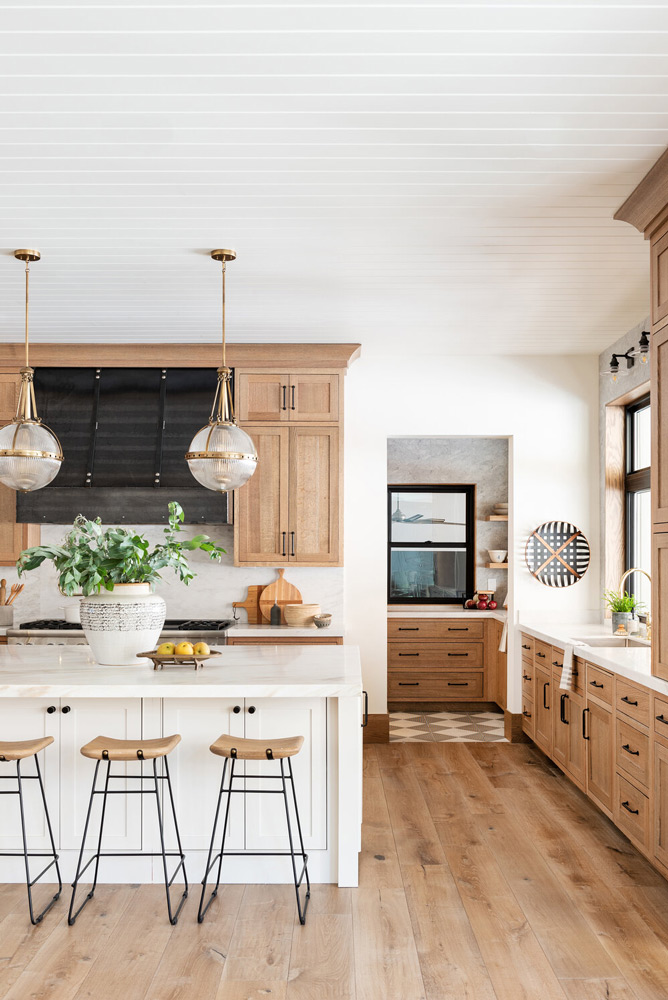
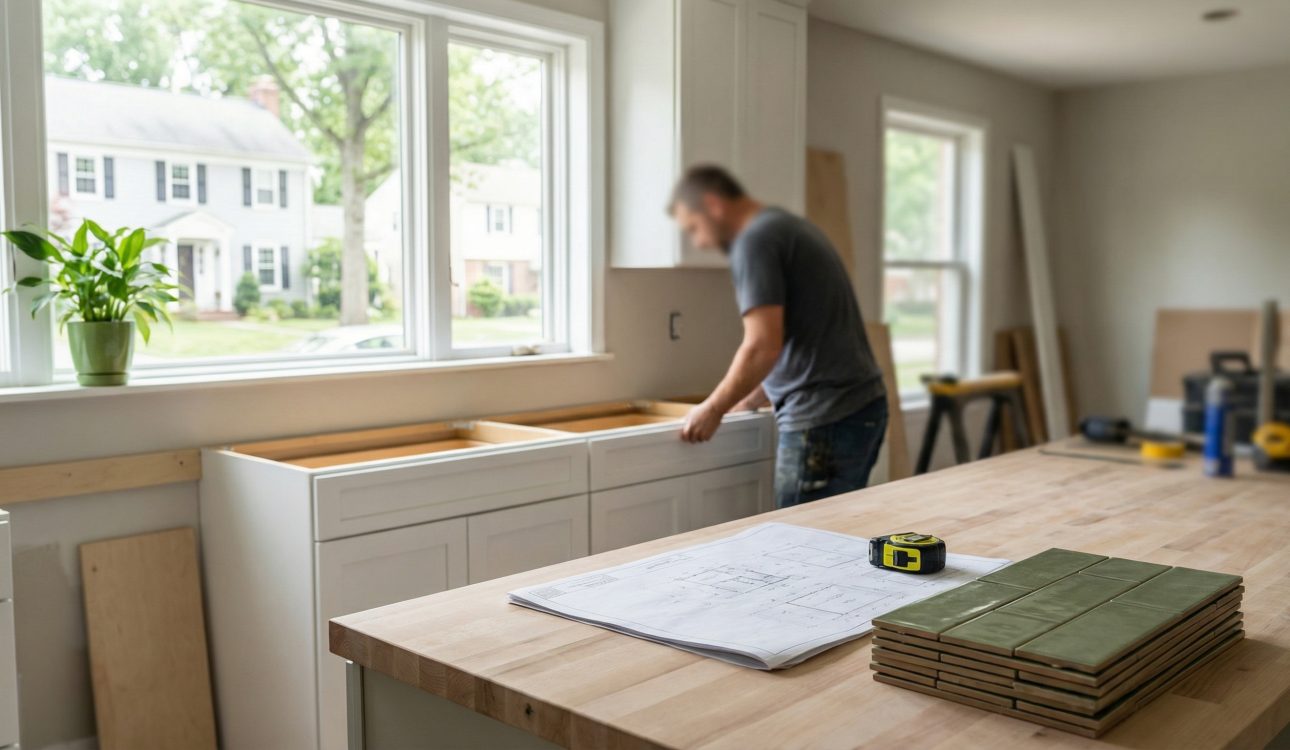
Reviewing design inspiration helps ensure your contractor understands your aesthetic preferences and functional needs.
Phase 2: Contractor Selection Checklist
Choosing the right kitchen remodeling contractor is arguably the most important decision you'll make. According to Houzz data, 86% of homeowners hire a professional for kitchen renovations, with general contractors comprising 50% of hires and kitchen designers at 25%. In Bethesda's competitive market, finding a contractor who combines skill, reliability, and local Maryland expertise is essential.
The contractor vetting process typically takes 2-4 weeks if you're thorough. This includes initial consultations, reference checks, and background verification. Don't rush this phase—a poor contractor choice costs far more than the time spent evaluating.
Contractor Selection Checklist Items:
-
Verify Maryland contractor license. Visit the Maryland Home Improvement Commission and confirm the contractor's MHIC number. This is non-negotiable for Maryland home improvement work. -
Confirm general liability and workers' compensation insurance. Request certificates of insurance directly from their insurance provider, not just printed copies. Minimum $1 million liability is standard. -
Check for complaints or legal issues. Search the MHIC database for complaints. Do a quick online search for "[Contractor Name] + lawsuit" or "[Contractor Name] + complaint." -
Request at least three local references. Not just names and numbers—request references for projects similar in size and scope to yours, completed within the last 18 months. -
Contact references directly. Ask specific questions: Did the project finish on time? Were there cost overruns? How did the contractor handle unexpected issues? Would you hire them again? -
Visit previous kitchen remodel projects. If possible, ask the contractor if you can see completed work. This shows quality better than photos. -
Verify Bethesda/Montgomery County experience. Ask how many kitchen remodels they've completed in Bethesda specifically. Local permit knowledge and inspector familiarity matters. -
Get detailed written estimates from multiple contractors. Minimum three bids. Estimates should itemize labor, materials, and timeline. Low bids aren't necessarily good—verify they include everything. -
Clarify contract payment terms. Understand the payment schedule (typically 50% deposit, 25% at rough-in, final 25% at completion). Avoid upfront payments exceeding 50%. -
Discuss how changes orders are handled. Your contract must outline how cost changes are documented, approved, and billed. Verbal agreements cause disputes. -
Confirm warranty coverage. What does the contractor guarantee? For how long (typically 1 year on labor, manufacturer warranties on products)? -
Verify they'll handle permits. Most contractors include permit acquisition in their services. Confirm who's responsible for permit applications and inspections.
Phase 3: Design & Material Selection Checklist
Design decisions made during this phase literally shape your kitchen for the next 15-20 years. Unlike paint color (easily changeable), cabinet style, countertop material, and appliance choices require significant investment and create the visual identity of your kitchen.
Many Bethesda homeowners work with professional kitchen designers during this phase, either as independent contractors or through their general contractor. According to Houzz, kitchen designers are hired in 25% of professional kitchen remodeling projects. The $3,000-$8,000 investment in professional design often saves that amount in averted mistakes.

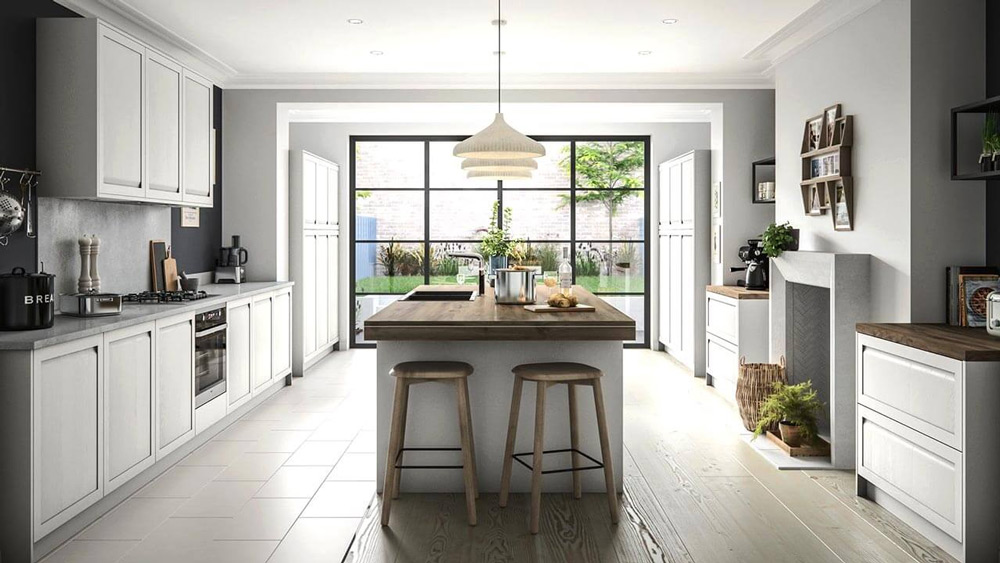
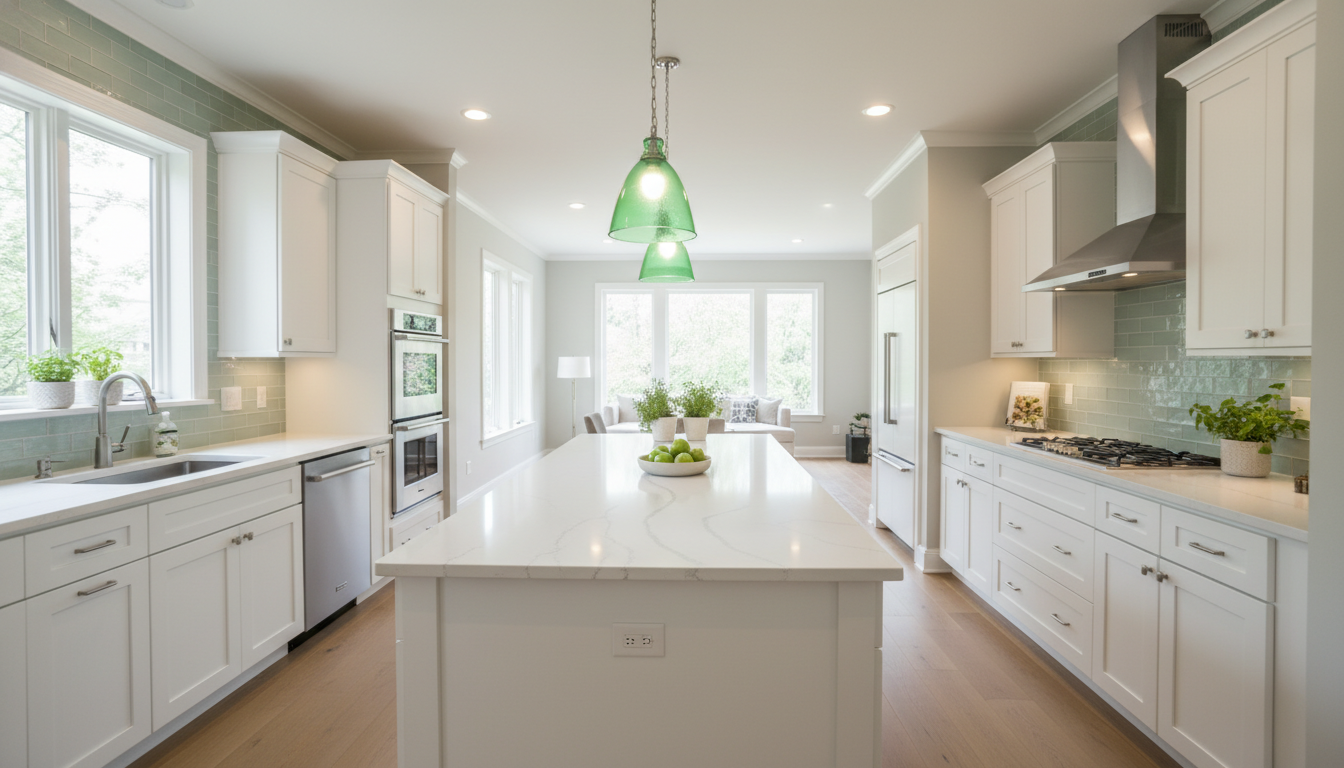
3D renderings help you visualize the final kitchen before construction begins, preventing costly design changes mid-project.
Design & Material Selection Checklist Items:
-
Finalize the kitchen layout. Decide on work triangle efficiency, island placement (if applicable), traffic flow, and zoning. This is difficult to change once construction starts. -
Choose cabinet style and finish. Cabinet costs typically represent 35-40% of kitchen remodel budgets. Decide between custom, semi-custom, or stock options. Pick finish (painted, stained, natural wood). -
Select countertop material and color. Compare options: quartz, granite, laminate, butcher block, engineered stone. Get samples and see them in your kitchen's lighting. Costs range from $40-$200+ per square foot installed. -
Determine backsplash style and material. This design element is highly visible. Tile, glass, stone, or stainless steel all have different costs and maintenance requirements. -
Choose flooring material. Kitchen flooring endures heavy wear. Consider durability alongside aesthetics. Tile, luxury vinyl, hardwood, and concrete each have different price points ($2-$12+ per square foot installed). -
Select appliances (stove, refrigerator, dishwasher, microwave). Decide between standard, mid-range, or high-end. Stainless steel remains popular but fingerprint-prone. Black stainless is trending in Bethesda homes. -
Plan lighting design. Kitchens need ambient (overall), task (counter/stove), and accent lighting. Budget separately for lighting fixtures, which are easy to change later. -
Choose cabinet hardware (pulls and knobs). These small details significantly impact the kitchen's style. Budget $800-$2,000 depending on finish and complexity. -
Decide on paint color and wall treatment. Walls are easier to update than cabinetry, but color choice still matters. Get paint samples and view them at different times of day. -
Plan for plumbing/electrical features. Decide on sink location, faucet style, garbage disposal, water filter system, electrical outlet placement for appliances and charging devices. -
Get design approval in writing. Once all selections are made, request a detailed design specification document showing exact product names, colors, finishes, and quantities. -
Review accessibility features if needed. Universal design elements (lower cabinets under sinks, pull-out shelving, accessible storage heights) add functionality for aging-in-place.
Phase 4: Budget & Financing Checklist
Budget challenges are the #1 source of kitchen remodel stress. Homeowners consistently underestimate costs, then face difficult decisions mid-construction when overages appear. This phase prevents that scenario.
Your kitchen remodel budget isn't just the contractor estimate. It includes design services, permits, unexpected structural issues, contingency (always), and post-project items (décor, new appliances you already own that need reinstalling, etc.). Most contractors recommend adding 10-20% contingency on top of quoted costs for unforeseen issues.
Budget & Financing Checklist Items:
-
Establish a detailed budget spreadsheet. Include cabinetry, countertops, flooring, appliances, labor, permits, design, and miscellaneous costs. Add 15% contingency buffer. -
Get written quotes breaking down costs by category. Don't accept a single line-item estimate. Understanding where money goes helps prioritize if budget cuts become necessary. -
Research financing options. Options include home equity line of credit (HELOC), home equity loan, personal loan, or contractor financing. Compare interest rates and terms. -
Check your credit score. HELOC and home equity loans offer better rates for strong credit. Know your starting point before applying. -
Understand homeowner's insurance implications. Some policies have limits on renovation coverage. Contact your insurer about temporary coverage during construction. -
Plan for tax deductions if applicable. Energy-efficient upgrades (qualifying HVAC, windows, insulation) may offer tax credits. Consult a CPA about your specific situation. -
Verify contractor payment schedule. Understand when deposits are due, when progress payments trigger, and what percentage is held until completion. Typical: 50% down, 25% at rough-in, 25% at completion. -
Never pay final invoice before inspecting work. Withhold final payment until you're completely satisfied and all defects are corrected. -
Budget for temporary kitchen setup. If your kitchen will be unusable, plan for microwave, portable cooktop, temporary sink, or eating out budget for 2-4 months. -
Track all change orders in writing. Every modification to the original contract must be documented with cost impact and approval before work begins. -
Budget for décor and finishing touches. Don't forget paint, lighting fixtures, window treatments, new rugs, or artwork. These typically add $3,000-$10,000. -
Consider appliance financing separately. High-end appliances may offer promotional financing directly. Compare this against your contractor's pricing.
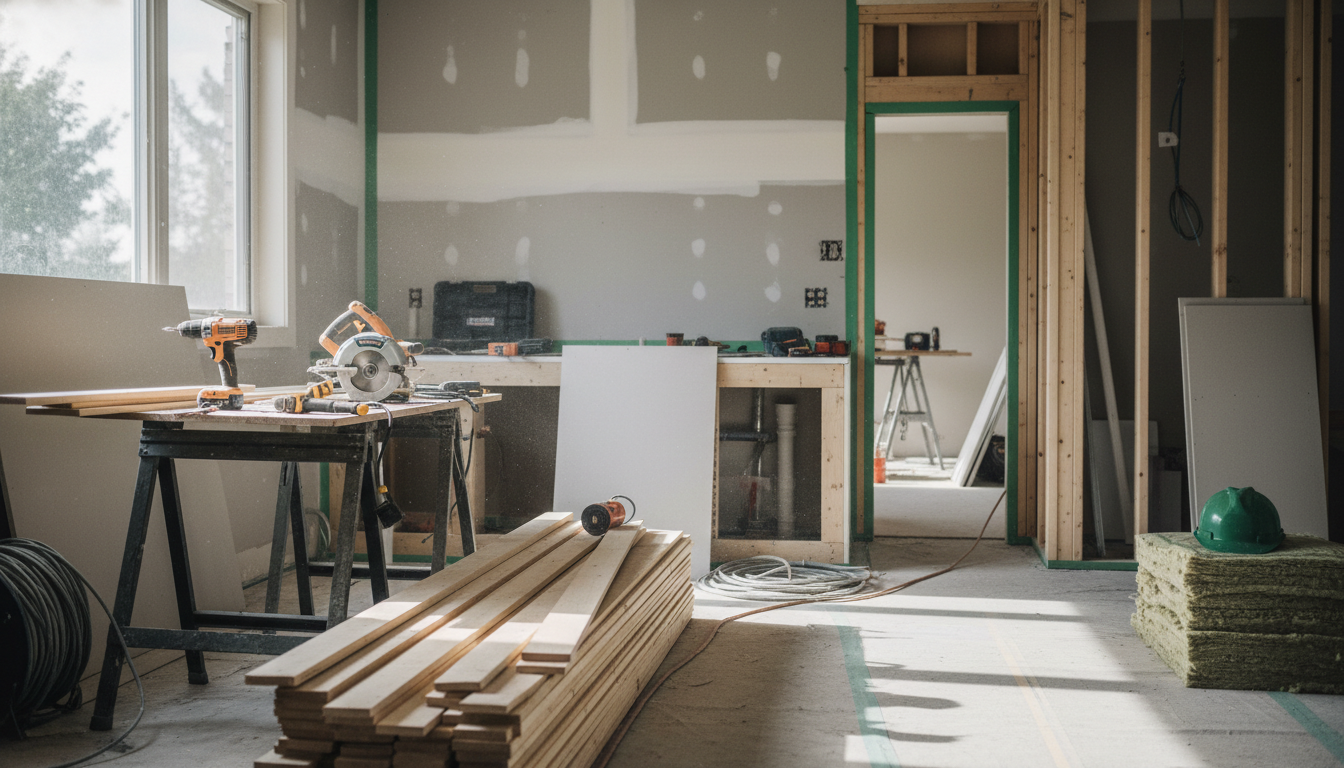
During construction, regular site inspections help catch issues early when they're less expensive to fix.
Phase 5: Permits & Legal Checklist
Kitchen remodeling permits in Bethesda, MD are required for most significant work—it's not optional. Maryland's Home Improvement Commission (MHIC) oversees these requirements. While the permit process seems bureaucratic, it exists to ensure your work meets building code, electrical code, and plumbing code standards.
The permit application process in Montgomery County typically takes 4-6 weeks from submission to approval. Plan accordingly. Most contractors handle permit applications, but verify this is included in your contract.
Permits & Legal Checklist Items:
-
Understand if permits are required for your project. Permit requirements vary by scope. Cabinet replacement may not require permits; electrical work, plumbing relocations, or structural changes definitely do. -
Confirm your contractor will obtain permits. Verify this in the written contract. Who pays for permit fees? (Usually the contractor, sometimes passed to homeowner.) Who manages the process? -
Get a detailed permit scope document. Your contractor should submit detailed plans showing electrical layouts, plumbing changes, and structural modifications. Ask to review before submission. -
Plan for inspection timeline. Expect at least two inspections: rough-in (before drywall) and final (after completion). Schedule these with your contractor. -
Know what inspections cover. Electrical inspection verifies code compliance for outlets, lighting, breakers. Plumbing inspection covers drain routing, venting, water supply. Structural inspection (if needed) verifies load-bearing wall work. -
Verify your contractor's MHIC status. The contractor must be properly licensed. You can verify on the Maryland MHIC website. -
Get homeowner acknowledgment paperwork. Maryland law requires homeowners to acknowledge MHIC rights and contractor information before work begins. Your contractor should provide this. -
Check HOA or historic district requirements. If your Bethesda home is in a historic district or HOA, additional approvals may be needed. Check before finalizing design. -
Understand lien laws in Maryland. Maryland allows contractors to file liens if unpaid. Understanding this protects both parties. -
Budget for permit fees. Montgomery County permit fees vary by project scope but typically range from $500-$2,000 for kitchen remodels. -
Get a final permit sign-off. After all inspections pass, request written confirmation that permits are closed and work is approved.
Phase 6: Construction Management Checklist
Construction phase typically lasts 8-16 weeks. During this time, your kitchen is largely unusable, your home is filled with workers and noise, and unexpected issues often arise. Effective project management keeps things moving and prevents costly delays.
Your role during construction is not to manage the contractor—that's their job—but to monitor progress, verify work quality, and maintain communication about any issues or changes.
Construction Management Checklist Items:
-
Establish communication protocol. Decide how often you'll receive updates (daily, weekly). Who's your point of contact for questions? -
Schedule weekly walkthrough inspections. These should be brief (15-30 minutes) and cover progress, quality, and any visible issues needing attention. -
Keep a photo/video log of progress. Take pictures at each phase (start, rough-in, drywall, finish). This documents work quality and timeline. -
Verify material deliveries. Confirm that ordered materials arrive correctly, match specifications, and show no damage. Document upon arrival. -
Protect your home during construction. Ensure contractor uses drop cloths, plastic sheeting, and dust barriers. Kitchen dust spreads throughout homes if not properly contained. -
Monitor trade-specific work. Understand when electricians, plumbers, tile professionals, and painters are scheduled. Know which inspections happen when. -
Document any defects or issues immediately. If you notice poor workmanship, missing materials, or code violations, photograph and report in writing to your contractor immediately. -
Discuss all change orders before work begins. If issues require modifications (rotted framing, outdated wiring, unforeseen obstacles), understand the cost impact before approving. -
Verify permits and inspections are completed. Your contractor should schedule and manage this, but verify it's actually happening on schedule. -
Keep all invoices, receipts, and change orders. File these carefully. You'll need them for final payment disputes, future warranty claims, and tax documentation. -
Address payment timing correctly. Make progress payments according to the contract schedule, but verify work is completed and approved before paying. -
Plan for site access and parking. Contractor crews need parking. Plan for potential driveway blockage, especially in Bethesda neighborhoods with limited street parking.

A thorough final inspection ensures all work meets code and your specifications before you release the final payment.
Phase 7: Final Inspection Checklist
The final inspection phase is critical. This is when you verify everything is complete, functional, and meets the contract specifications. Don't skip this phase or rush it—this is your last opportunity to request corrections before the final payment is released.
Most contractors schedule a formal walkthrough where you review the completed kitchen together. Document everything. If issues exist, request a punch list (list of items needing correction) with a completion deadline.
Final Inspection Checklist Items:
-
Conduct a detailed visual inspection. Check cabinetry for finish quality, door alignment, hardware installation. Look for gaps, scratches, or misalignment. -
Verify all appliances are installed correctly. Confirm refrigerator is level, stove has proper clearance, dishwasher opens and closes smoothly, microwave venting works. -
Test all electrical outlets and lighting. Flip every switch, test every outlet with a device, verify pendant lights and undercabinet lights work. -
Check all plumbing fixtures. Test sink faucet pressure and temperature mixing. Verify garbage disposal works. Check for leaks under sink and at drain connections. -
Verify countertop installation. Counters should be level, properly sealed at backsplash and sink. Run your hand along seams—they should be smooth. -
Inspect flooring for level installation. Look for high spots or gaps. Walk the space—flooring should feel solid without squeaks. -
Review cabinet and door alignment. Doors should close smoothly, and gaps between doors should be consistent (typically 1/8"). -
Verify paint and wall finishes. Check for drips, uneven coverage, or areas missed. Paint should be cleanly applied at trim and corners. -
Confirm backsplash grouting and tile work. Grout should be uniform and sealed properly. Tiles should be level and well-spaced. -
Test any special features. If you have a water filter system, ice maker, trash compactor, or specialized appliances, verify they work. -
Check HVAC function. Confirm ventilation works properly, range hood has adequate suction, and no HVAC systems were damaged during construction. -
Verify permit sign-off. Confirm the county has approved all inspections and permits are closed. Get documentation in writing. -
Document any defects in writing. Create a punch list with specific items needing correction. Photo document defects. Both you and contractor sign it. -
Understand warranty coverage. Get written documentation of all warranties (contractor labor warranty, appliance warranties, cabinet warranties). Store these safely. -
Plan post-construction care. Ask the contractor for specific care instructions for your new countertops, flooring, cabinets, and finishes. -
Schedule final payment only after approval. Never release final payment until you're completely satisfied and defects are corrected.
Common Kitchen Remodeling Mistakes to Avoid
Learning from others' mistakes saves money, stress, and time. Here are the most common kitchen remodeling errors Bethesda homeowners encounter, and how to prevent them.
Underestimating the budget. The majority of kitchen remodels exceed their initial budget by 10-25%. Hidden costs—updated electrical/plumbing codes, structural surprises, better finishes than originally planned—accumulate quickly. Solution: Add 15-20% contingency to your estimate and resist scope creep.
Choosing contractors solely on low bid. The cheapest bid often reflects cutting corners, using lower-quality materials, or underestimating the scope. A bid 15-20% lower than others is usually a red flag. Solution: Compare bids carefully, prioritize experience and local reputation.
Neglecting the design phase. Jumping directly to construction without professional design guidance often results in poor functionality or layout regrets. Solution: Invest in professional design, whether through a kitchen designer or a detailed contractor consultation.
Ignoring permit requirements. Unpermitted work creates problems when selling your home, violates county code, and may void insurance coverage. Solution: Insist that your contractor obtain all required permits and schedule inspections.
Changing your mind mid-construction. Design changes after construction begins are exponentially more expensive. A cabinet swap before installation costs $500; after framing costs $2,500. Solution: Finalize all design decisions before the contract is signed.
Forgetting about temporary kitchen arrangements. A kitchen remodel typically leaves your kitchen unusable for 6-12 weeks. Lack of cooking facilities creates stress and expense. Solution: Plan a temporary kitchen setup with a microwave, portable cooktop, and cooler with ice.
Skipping the final walkthrough. Some homeowners accept work without thorough inspection. Defects discovered after final payment is harder to get contractor to address. Solution: Conduct a detailed inspection with a checklist before releasing final payment.
Underestimating timeline. Expecting a comprehensive kitchen remodel in 8 weeks often sets you up for disappointment. Weather, permit delays, and unexpected issues extend timelines. Solution: Plan for 12-16 weeks and consider delays as likely rather than surprising.
According to the 2025 NKBA Kitchen Trends Report, 90% of industry respondents noted that homeowners increasingly want kitchens designed for improved functionality and aesthetics due to work-from-home trends. This makes planning even more critical—your kitchen is now your workspace as well as your cooking space.
Kitchen Remodeling ROI in Bethesda
Understanding return on investment helps you allocate budget wisely. Not all upgrades provide equal value.
According to Remodeling Magazine's Cost vs. Value Report, minor kitchen remodels (typical budget: $20,000-$40,000) return approximately 96% of costs at resale. Major remodels (typical budget: $70,000+) return approximately 50% of costs. This doesn't mean major remodels are bad—they provide years of improved functionality and enjoyment—but understand that resale value recovery differs from cost investment.
In the Bethesda market (higher-value homes), ROI percentages are often better than national averages. A $75,000 kitchen remodel in a $600,000 Bethesda home typically recovers 55-65% through increased resale value, versus 50% nationally.
Strategic spending for ROI prioritizes: quality appliances (strong ROI), improved layout and lighting (strong ROI), and durable materials (strong ROI). Lower-ROI splurges include: ultra-premium custom features, very trendy design elements that might feel dated in 5 years, and over-personalizing the space.
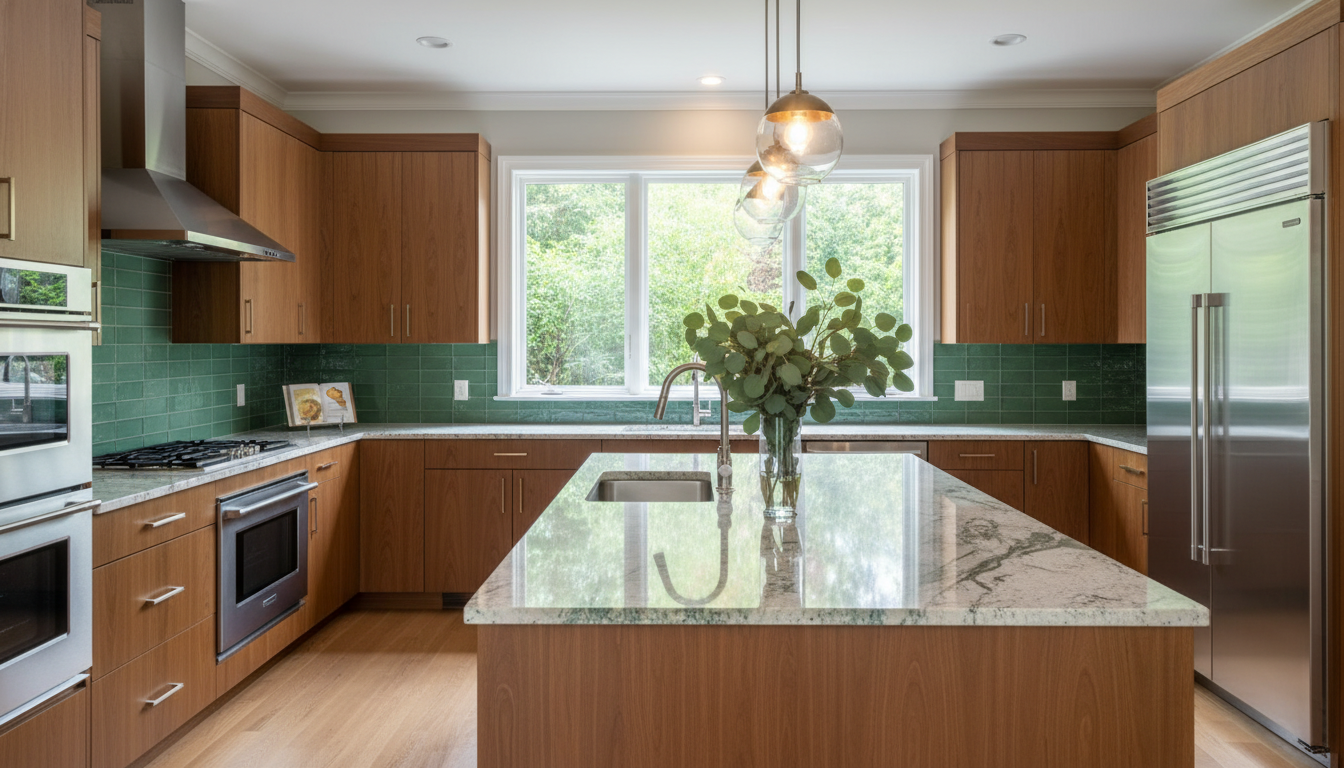
A well-executed kitchen remodel increases both your daily quality of life and your home's market value.
FAQ
What's the average kitchen remodel cost in Bethesda in 2025?
According to the 2025 U.S. Houzz Kitchen Trends Study, the median kitchen remodel now costs $60,000. However, Bethesda projects often run $70,000-$120,000+ due to higher-end finishes and materials common in the area. Your specific cost depends on scope (cabinets, countertops, appliances, structural changes), materials selected, and whether you're doing a minor refresh or major renovation.
How long does a kitchen remodel typically take?
Most comprehensive kitchen remodels take 12-16 weeks from start to finish. This includes planning, permit acquisition, construction, and final inspections. Simpler projects with minimal structural changes may take 8-12 weeks. Expect additional time if permit approvals are delayed or unexpected structural issues are discovered.
Do I really need permits for my kitchen remodel?
Yes, if your project involves electrical work, plumbing changes, structural modifications, or new appliance installations. In Maryland, most kitchen remodels do require permits. Unpermitted work creates problems when selling, violates county code, and may void insurance coverage. Check with Montgomery County if you're uncertain.
Should I hire a designer or work directly with the contractor?
Many homeowners work directly with kitchen contractors who provide design consultation. Others hire independent kitchen designers for $3,000-$8,000, which often saves this amount in avoided mistakes. For complex layouts or high-end remodels, professional design is valuable. For simpler updates, contractor design consultation may suffice.
What if I discover structural problems during construction?
Structural surprises (rotted framing, undersized beams, outdated wiring) occur in many Bethesda homes, especially older homes. This is why contingency budgets exist. Your contractor should document findings, explain options, and provide cost estimates for solutions before proceeding. Address these issues properly—shortcuts create long-term problems.
How much contingency budget do I need?
Budget 15-20% contingency on top of your contractor's estimate. For a $75,000 project, that's $11,250-$15,000 held in reserve. Contingency covers unexpected structural issues, code-required upgrades, and scope clarifications. Many projects don't use the full contingency, which becomes savings. But kitchens that attempt to start without contingency often exceed budget.
What's the best time of year to remodel my kitchen?
There's no "best" season—contractors work year-round. However, spring and fall are typically busier, with longer contractor schedules. Winter and early summer sometimes offer shorter timelines. Plan your project timing around your work schedule and family needs rather than season. Just confirm your contractor can handle your timeline.
Can I live in my home during a kitchen remodel?
Yes, though it's uncomfortable. Your kitchen will be unusable for 2-4 months. Plan for meals out, a temporary microwave setup, or reliance on a second kitchen. Dust and noise affect the entire home. Some families move temporarily; others adapt. Discuss realistic expectations with your contractor about daily work hours and site management.
How do I know if my contractor is making quality?
Regular visual inspections catch quality issues early. Visit your kitchen 1-2 times per week. Look for straight lines, proper alignment, clean finish work, and attention to detail. Ask your contractor about any concerns immediately—defects discovered post-completion are harder to correct. Take photos documenting progress and any issues.
What warranty should my contractor provide?
Standard is 1 year on labor and workmanship. Appliances carry manufacturer warranties (typically 1-5 years depending on brand). Countertops, flooring, and cabinetry sometimes have manufacturer coverage. Get all warranties in writing. Request care instructions for each material—some require specific maintenance.
Start Your Kitchen Remodeling Journey Today
Remodeling your Bethesda kitchen is a substantial project, but following this comprehensive checklist significantly reduces stress, prevents costly mistakes, and increases the likelihood of a successful outcome. The kitchen represents a core investment in your home's functionality, aesthetics, and long-term value.
The key phases—planning, contractor selection, design, budgeting, permits, construction management, and final inspection—each deserve proper attention. Rushing any phase typically costs money and creates regret.
According to the 2025 U.S. Houzz & Home Study, kitchens remain the most popular remodeling project, with 54% of homeowners prioritizing kitchen improvements over all other renovations. Join the majority of homeowners improving their kitchen spaces in 2025—but do it methodically with this checklist as your guide.
Your ideal kitchen is achievable. Print this checklist, work through each phase systematically, and you'll emerge with a beautiful, functional kitchen that meets your needs and enhances your home for decades to come.
Related Articles
Learn more about planning your kitchen remodeling project:
- Kitchen Remodel Seattle WA: 2025 Cost Breakdown & Budget Planning Guide
- Kitchen Remodeling Bellevue: Complete 2025 Planning & Budget Guide
- Top Kitchen Remodeling Services in Seattle: Expert Guide to Finding the Right Contractor in 2025
- Seattle Kitchen Remodel Success Story: From Dark 1920s Kitchen to Modern Family Hub
- Bathroom Remodeling in Seattle: Your Most Common Questions Answered by Local Experts