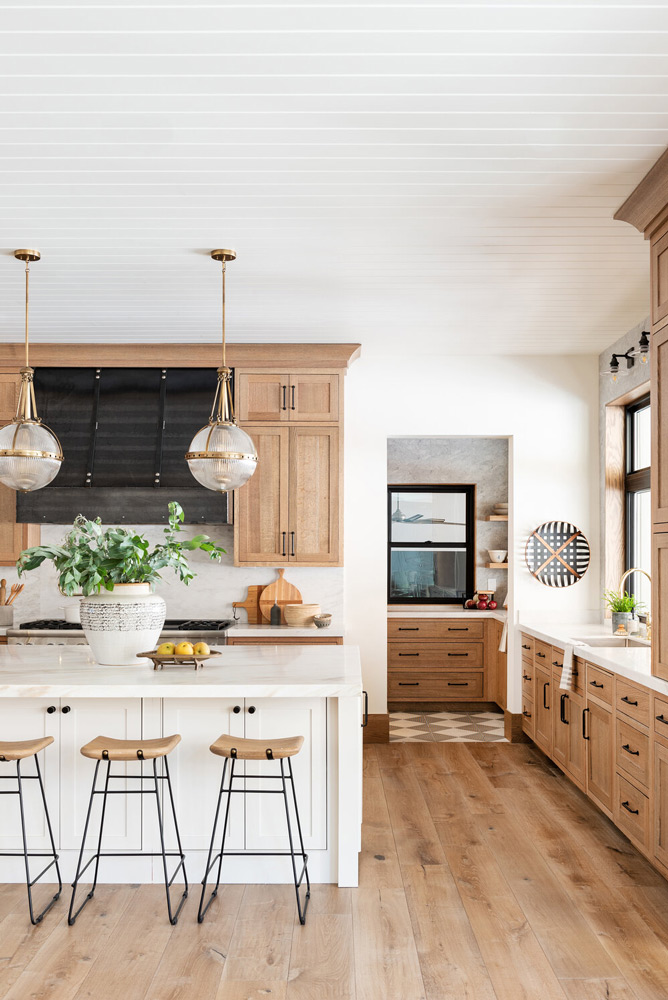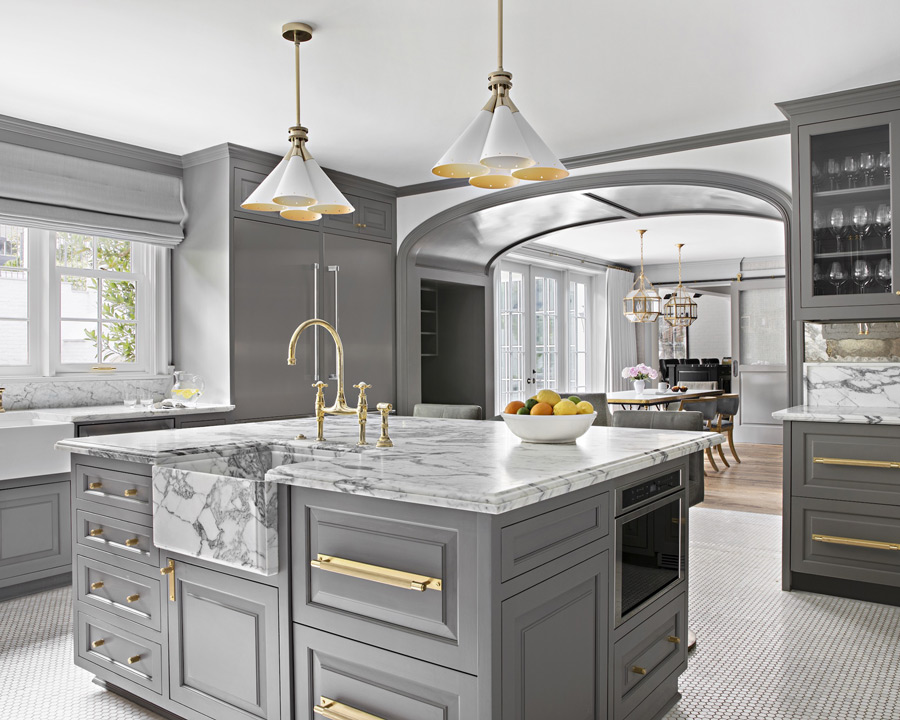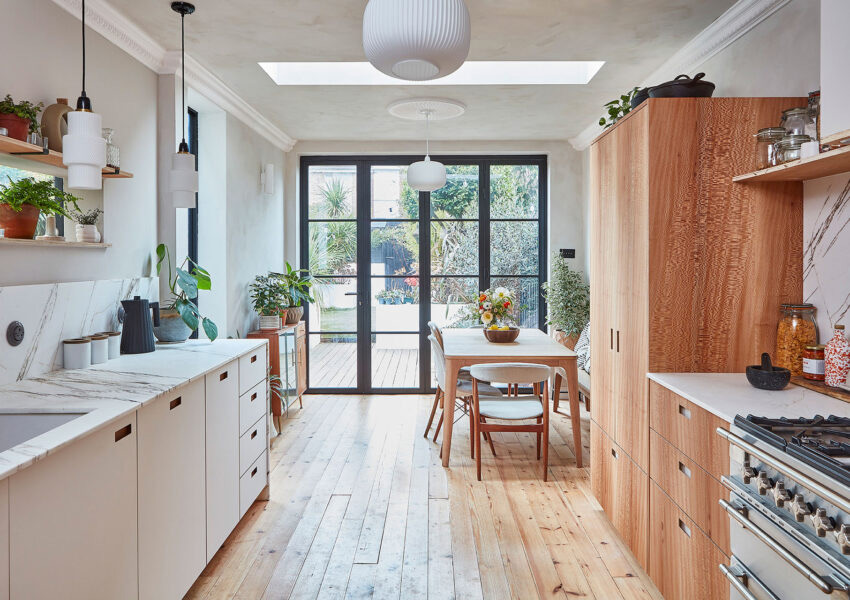
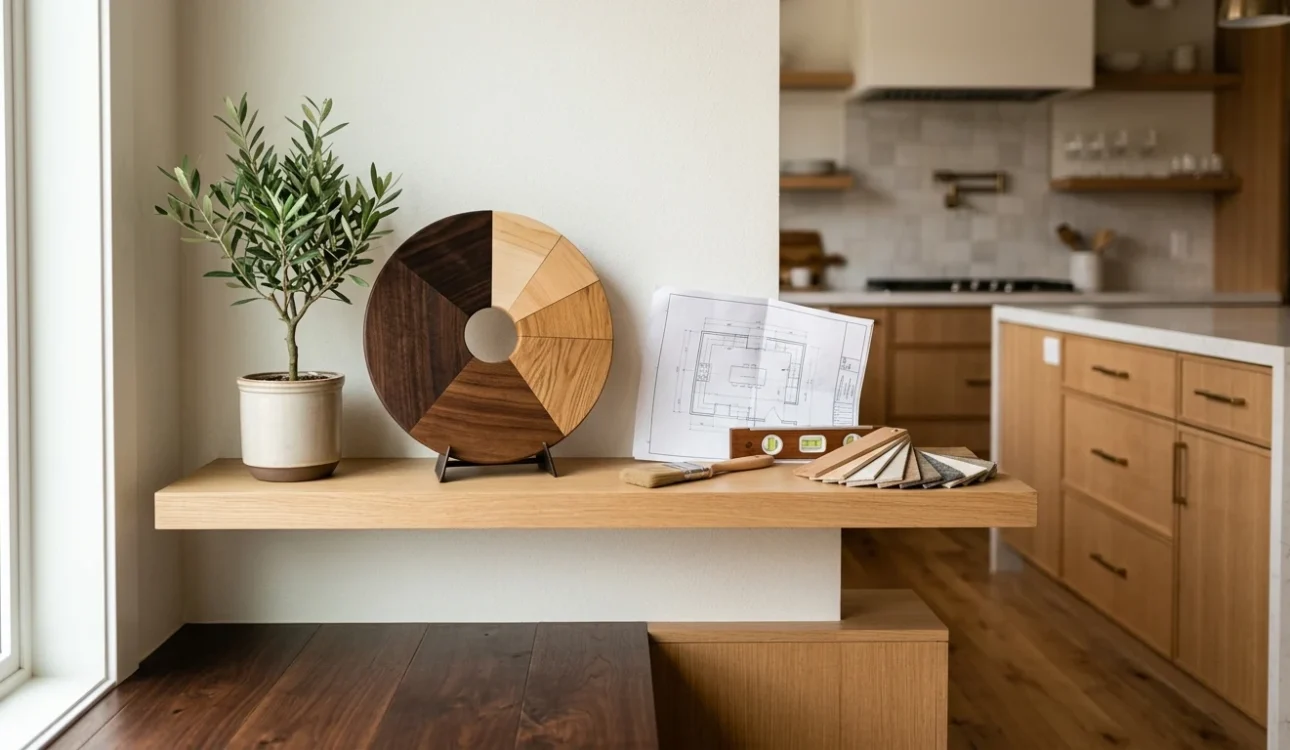
Dark floors and oak cabinets represent one of the most compelling design contrasts in modern kitchen remodeling. This pairing creates visual depth and sophistication by balancing the warmth of honey and amber oak tones against the dramatic anchor of deep charcoal, ebony, or espresso flooring. The combination works because these elements occupy opposite ends of the color spectrum while sharing natural, organic qualities that prevent them from clashing. Homeowners increasingly choose this approach to achieve contemporary elegance without sacrificing the timeless appeal of natural wood materials.
Quick Answer: Yes, dark floors and oak cabinets work beautifully together when you understand the principles of contrast and balance. The key is using the warm undertones in your oak to complement rather than compete with dark flooring, creating visual interest and depth. This pairing is particularly effective in modern kitchens where bold design choices define the aesthetic.
This guide walks you through selecting complementary shades, managing lighting to prevent the space from feeling cramped, and layering materials that bridge the two dominant elements. You'll discover how to use countertops, backsplashes, and hardware as transitional elements that harmonize your darker flooring with warm cabinetry. We'll also explore how understanding different types of dark hardwood floors helps you choose finishes that enhance rather than overwhelm your oak cabinetry. Whether you're planning a full kitchen transformation or refreshing an existing space, the strategies ahead will help you execute this sophisticated design direction with confidence.
Table of Contents
- Understanding Color Theory: Why Dark Floors Complement Oak Cabinets
- Best Dark Flooring Options to Pair with Oak Cabinets
- Step-by-Step Guide to Selecting Dark Floors for Your Oak Cabinet Kitchen
- Design Styles That Shine with Dark Floors and Oak Cabinets
- Common Mistakes to Avoid When Installing Dark Floors with Oak Cabinets
- Transform Your Kitchen: Making Dark Floors Work with Oak Cabinets
Understanding Color Theory: Why Dark Floors Complement Oak Cabinets
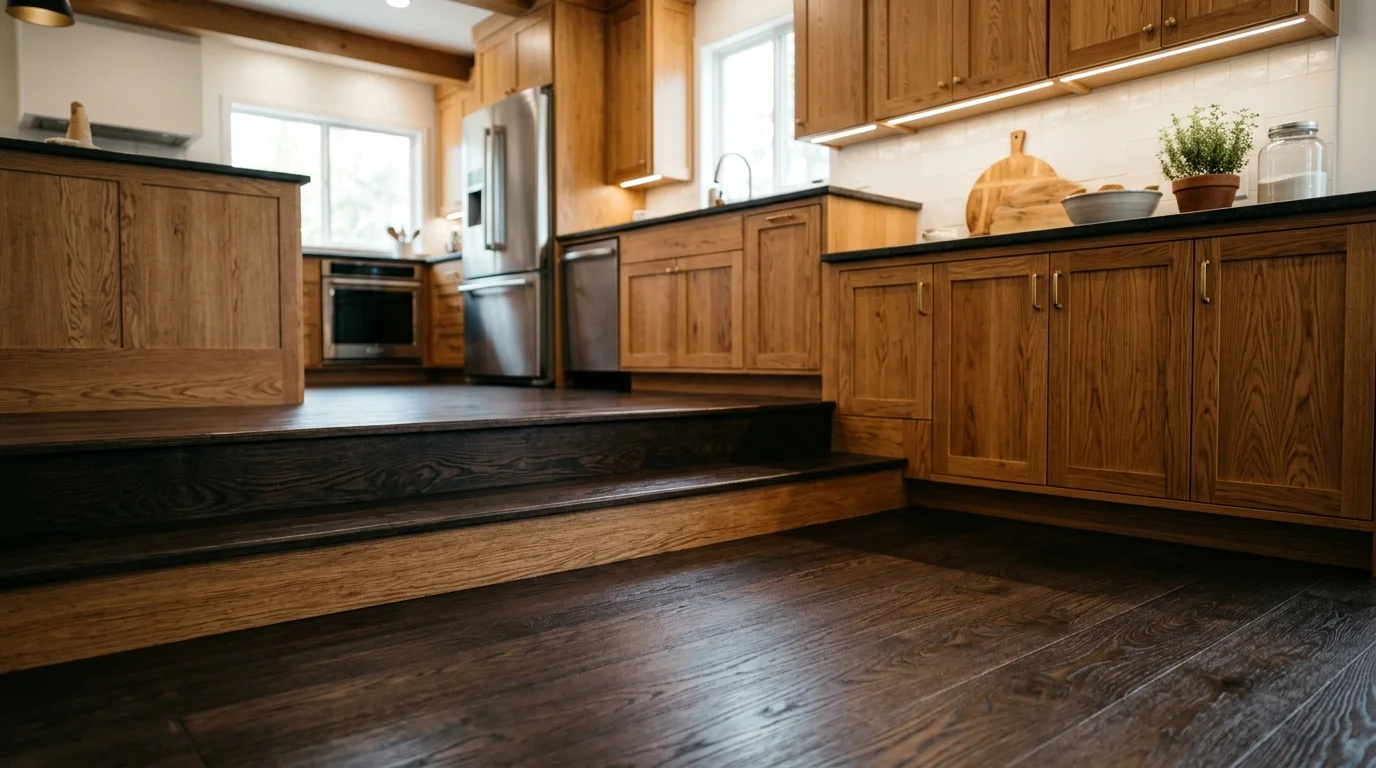
The pairing of dark flooring with oak cabinetry succeeds because it leverages fundamental principles of visual balance and contrast. On the color wheel, these elements occupy distinct positions—dark floors anchor the space with neutral, recessive tones, while warm oak cabinets advance visually, creating depth and preventing the kitchen from feeling flat or monotonous. This interplay is essential to modern kitchen design, where intentional contrast defines sophistication rather than chaos.
Warm undertones in oak naturally complement cool or neutral dark flooring because they don't compete for visual attention; instead, they establish a visual hierarchy. The dark floor becomes the foundation, grounding the space, while your cabinetry draws the eye upward and around the room. According to contrast principles in interior design, high contrast ratios between light and dark elements create strong visual separation and depth, with dark floors paired with lighter elements making ceilings appear taller—a critical advantage in kitchens where perceived spaciousness matters.
This contrast also affects how light moves through your kitchen. Dark floors absorb light, which could make a space feel confined, but warm oak cabinets reflect and scatter light, counterbalancing this effect. The result is a kitchen that feels intentional and layered rather than cramped. When you understand different types of dark hardwood floors, you can select finishes—matte versus semi-gloss—that control how much light bounces back, further refining this balance.
The psychological weight distribution matters too. Dark floors carry visual weight at the base of your kitchen, creating stability. Oak cabinets, positioned at eye level and above, provide warmth without heaviness. This arrangement feels grounded yet approachable—a hallmark of contemporary kitchen aesthetics where bold choices are tempered by careful spatial planning.
Best Dark Flooring Options to Pair with Oak Cabinets
Selecting the right dark flooring material is as critical as choosing your oak cabinets—the two must work together functionally and aesthetically. Each material brings distinct advantages in durability, maintenance demands, and visual compatibility with warm oak tones. Understanding these differences ensures your kitchen investment performs well for decades while maintaining that intentional contrast you're after.
| Material | Durability | Maintenance | Cost Range | Best Kitchen Style |
|---|---|---|---|---|
| Hardwood | 20–30 years with refinishing | Weekly sweeping, monthly cleaning, periodic sealing | $9–$25/sq ft installed | Traditional, transitional, warm contemporary |
| Luxury Vinyl Plank (LVP) | 20–50 years | Weekly sweeping, damp mopping, minimal sealing | $4–$16/sq ft installed | Modern, casual, budget-conscious |
| Luxury Vinyl Tile (LVT) | 20–50 years | Weekly sweeping, damp mopping, grout-free | $4–$16/sq ft installed | Contemporary, minimalist, waterproof-priority |
| Porcelain Tile | 25+ years | Weekly sweeping, damp mopping, grout maintenance | $15–$50/sq ft installed | Modern, industrial, high-traffic zones |
Hardwood flooring remains the gold standard for pairing with oak cabinets. Species like walnut, wenge, or dark-stained oak create visual harmony while maintaining warmth. According to HomeGuide's 2026 pricing data, hardwood installation runs $9–$25 per square foot. The trade-off: hardwood requires regular maintenance and periodic refinishing to preserve its finish, particularly in kitchens where moisture and foot traffic are constant. However, the authentic wood-on-wood pairing creates an undeniable sophistication that resonates with transitional and warm contemporary aesthetics.
Luxury vinyl plank (LVP) offers a practical alternative that mimics dark wood grain while delivering superior water resistance. According to HomeGuide, LVP costs $4–$16 per square foot installed and lasts 20–50 years with proper care. Visually, realistic wood-look LVP pairs beautifully with oak cabinets, and the material's durability makes it ideal for active kitchens. Maintenance is straightforward—weekly sweeping and damp mopping suffice. The slight plasticity of LVP is its only drawback for purists seeking authentic wood character.
Luxury vinyl tile (LVT) provides grout-free dark stone or slate aesthetics without the porosity concerns of natural tile. This option works exceptionally well in modern kitchens where oak cabinets serve as the primary warm element, allowing floors to anchor the space with cool, sophisticated tones. Installation and durability match LVP, making it cost-effective for contemporary designs.
Porcelain tile delivers maximum durability and design flexibility, though at a higher price point ($15–$50 per square foot installed). Dark porcelain—whether matte or polished—creates striking contrast with oak cabinets and handles moisture flawlessly. Grout maintenance and the potential for coldness underfoot are considerations, though radiant heating can mitigate the latter.
For kitchens where dark wood floors meet oak cabinetry, we at WAREMODEL recommend starting with your material choice based on lifestyle demands: hardwood for authenticity, LVP for practicality, or tile for maximum durability. Understanding different types of dark hardwood floors helps you make an informed decision, especially if you lean toward genuine wood. Your choice anchors the entire remodel's success.
Step-by-Step Guide to Selecting Dark Floors for Your Oak Cabinet Kitchen
Choosing the right dark flooring for a kitchen with oak cabinets requires deliberate evaluation across multiple dimensions. This process prevents costly mistakes and ensures your final design achieves both aesthetic harmony and functional longevity. Follow these six decision points before committing to installation.
1. Assess Your Kitchen's Natural Light
Natural light fundamentally shapes how dark floors interact with oak cabinetry. Kitchens with abundant south-facing windows can handle deeper, more dramatic flooring without feeling cave-like, while north-facing spaces demand careful consideration. Observe your kitchen at different times of day—morning, midday, and evening—to understand light patterns. Dark floors absorb light rather than reflect it, so inadequate natural illumination can make the space feel cramped. If your kitchen lacks windows, plan for supplemental lighting (recessed, under-cabinet, or pendant fixtures) to prevent the pairing from overwhelming the room.
2. Consider Your Kitchen Style and Overall Home Aesthetic
Dark flooring with oak cabinets works across multiple design languages—from transitional to modern farmhouse—but the specific shade and finish must align with your home's character. A contemporary kitchen benefits from matte-finish dark tile or engineered wood, while a traditional home suits hand-scraped or distressed dark hardwood. Walk through your adjoining living spaces and note the flooring, wall colors, and furnishings. Your kitchen shouldn't feel visually disconnected from the rest of your home. Consistency in design language creates flow and prevents the remodel from appearing jarring.
3. Evaluate Countertop and Backsplash Colors
Your countertops and backsplash act as visual bridges between dark floors and oak cabinets. Light countertops (white quartz, pale granite, or cream laminate) create breathing room and prevent the space from feeling too heavy. Conversely, dark countertops paired with dark floors risk visual monotony unless interrupted by lighter cabinetry or backsplash elements. Warm-toned backsplashes—cream subway tile, warm gray stone, or even soft wood tones—complement the warmth of oak while grounding dark flooring. Gather samples of your proposed countertop and backsplash materials and place them directly on your kitchen floor to preview the complete palette.
4. Review Cabinet Sheen and Finish
The finish of your oak cabinets influences how dark floors should perform. Glossy or semi-gloss oak cabinets reflect light and create visual lift, allowing darker floors to anchor without darkening the overall impression. Matte or flat-finish oak cabinets absorb light similarly to dark floors, requiring lighter accent colors elsewhere to maintain balance. Understanding different types of dark hardwood floors also helps you select a floor finish that complements your cabinet sheen—a matte floor pairs well with matte cabinets, while polished or semi-gloss floors create dynamic contrast.
5. Test Samples in Your Space
Never rely on showroom samples alone. Request large floor samples (at least 12" × 12") from your flooring supplier and place them in your actual kitchen under your existing lighting conditions. Leave samples down for several days, observing them at different times and under both natural and artificial light. This step reveals whether your chosen dark floor reads as sophisticated or oppressive, warm or cold, cohesive or jarring alongside your oak cabinets and existing décor.
6. Consult with a Remodeling Professional
Before finalizing your selection, engage a kitchen remodeling specialist who can assess structural requirements, installation feasibility, and long-term maintenance implications. At WAREMODEL, we guide homeowners through this exact decision-making process, ensuring your dark floor and oak cabinet pairing creates the sophisticated, functional kitchen you envision. Professional input prevents specification errors and confirms that your aesthetic choices align with practical durability standards for your household's traffic patterns and lifestyle.
Design Styles That Shine with Dark Floors and Oak Cabinets
The pairing of dark flooring with oak cabinetry transcends a single aesthetic—it adapts beautifully across multiple design movements, each amplifying the contrast and warmth in distinctly different ways. Understanding how this combination works within your preferred style ensures cohesion rather than visual discord.
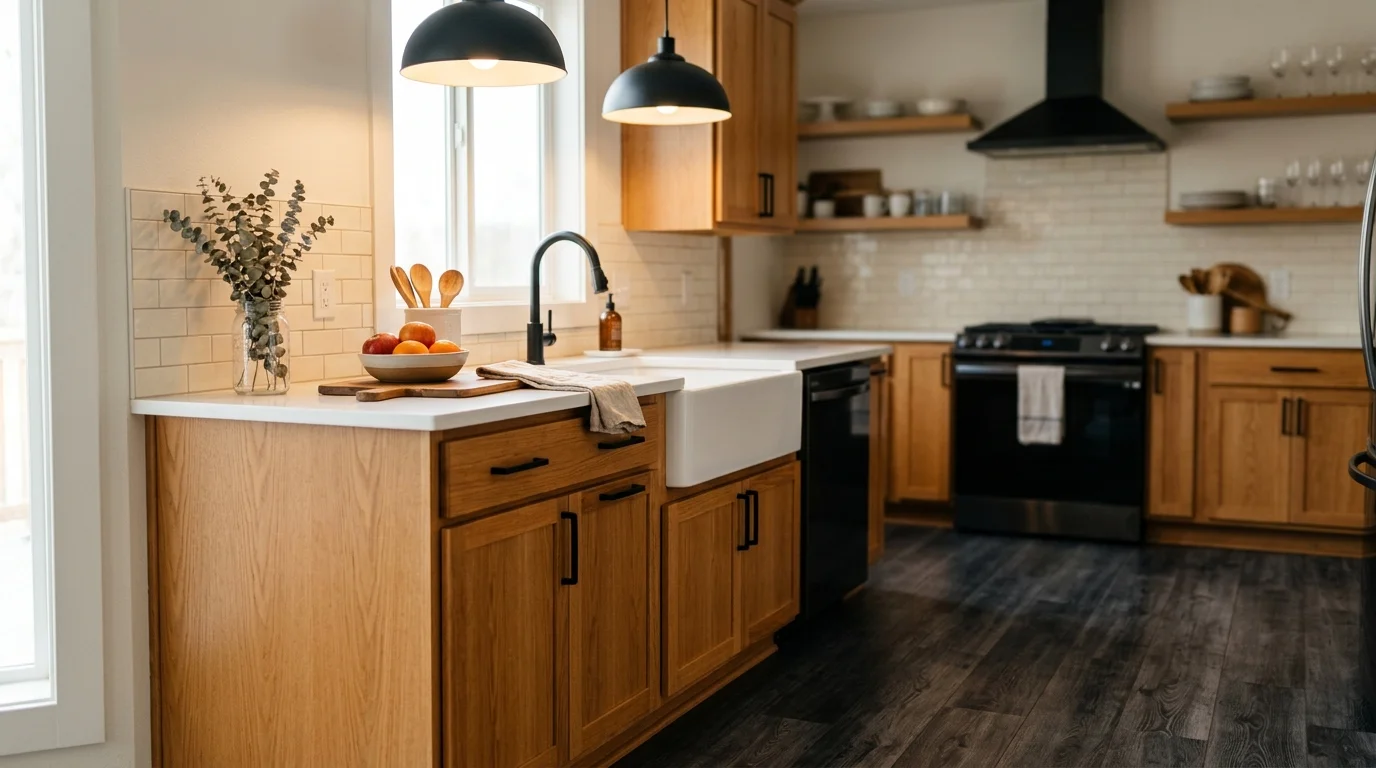
Modern Farmhouse remains one of the most popular kitchen aesthetics, and according to design trends emerging in 2026, the style is evolving toward a more elevated European farmhouse sensibility. Dark floors ground the space while oak cabinets provide organic warmth and texture. Pair this combination with matte black hardware, open shelving, and a subway tile or shiplap backsplash. Soft pendant lighting and vintage-inspired fixtures soften the contrast, creating an inviting yet refined kitchen. The dark floor anchors the room while oak brings approachability.
Transitional kitchens thrive on this pairing because they bridge traditional and contemporary elements. Here, the visual weight of dark flooring balances lighter countertops and a neutral palette. Incorporate brushed nickel or oil-rubbed bronze hardware, quartz or marble countertops, and recessed lighting. The oak cabinetry becomes the warm anchor that prevents the space from feeling too sterile, while dark floors add sophistication without overwhelming the room.
Contemporary design pushes the contrast further. Pair dark floors—especially slate-inspired greys or charcoal-tinted woods—with natural oak cabinets to create dramatic visual impact. Support this with minimalist hardware, sleek stainless steel appliances, and a monochromatic backsplash. The result reads modern and intentional rather than mismatched. Moody blues or deep greens in accents complement this palette beautifully.
Rustic and farmhouse-cottage styles celebrate the warmth inherent in oak while using dark floors to add gravitas. Distressed or hand-scraped oak cabinets paired with reclaimed-look dark flooring create authentic character. Add wrought iron hardware, open wood beams, and warm ambient lighting to complete the narrative.
When designing your kitchen remodel, WAREMODEL guides homeowners through these stylistic choices, ensuring your dark floors and oak cabinetry work together as a unified vision rather than competing elements. The key is selecting supporting materials—hardware finishes, lighting, and backsplash—that reinforce your chosen aesthetic direction.
Common Mistakes to Avoid When Installing Dark Floors with Oak Cabinets
Ignoring Lighting's Impact on Your Color Choices
Many homeowners select dark flooring and oak cabinetry based on showroom samples under bright LED lighting, only to discover the combination feels oppressive in their actual kitchen. Natural light, overhead fixtures, and ambient sources all interact differently with these materials. Dark floors absorb light, while oak's grain reflects it—but poor lighting can make the space feel cramped rather than sophisticated. Before committing, spend time in your kitchen at different times of day with actual samples. If your kitchen lacks windows, invest in layered lighting: task lighting under cabinets, ambient overhead fixtures, and accent lights to brighten corners.
Choosing the Wrong Shade of Dark
Not all dark flooring works equally with oak cabinetry. Charcoal or near-black floors can clash with warm oak tones, creating visual discord. Conversely, dark greys or espresso-toned woods harmonize beautifully because they share warmth with the cabinetry. The mistake happens when homeowners prioritize trendy colors over compatibility. Test multiple dark floor samples against your actual oak cabinets in your space for at least a week. This prevents costly mistakes after installation.
Neglecting Your Home's Existing Style
Forcing a contemporary dark-and-oak pairing into a traditional home—or vice versa—creates visual confusion. Dark floors with oak cabinets can work across styles, but supporting elements (hardware, backsplash, lighting) must align with your home's architecture. A farmhouse kitchen needs different accents than a minimalist modern space.
Overcrowding with Competing Colors
Adding too many accent colors alongside dark floors and oak cabinets overwhelms the palette. Limit yourself to two accent colors maximum. When WAREMODEL guides clients through kitchen remodels, we emphasize restraint: let the floor-cabinet contrast be your primary visual statement, then support it with neutral walls and selective pops of color through accessories.
Failing to Test Samples Before Installation
This is perhaps the most preventable error. Always request large samples and view them installed temporarily in your actual kitchen space before making final decisions.
Transform Your Kitchen: Making Dark Floors Work with Oak Cabinets
The pairing of dark flooring with oak cabinetry represents far more than a passing design trend—it's a sophisticated strategy that, when executed thoughtfully, transforms a kitchen into a space of genuine visual depth and modern elegance. The contrast between warm wood tones and deep floors creates a grounding effect that makes the entire room feel intentional and curated rather than assembled from disconnected pieces.
Success hinges on three foundational decisions: understanding how light interacts with both materials in your specific space, ensuring your supporting design elements (backsplash, hardware, countertops, and wall color) reinforce rather than compete with the floor-cabinet relationship, and committing to proper sample testing before any installation begins. When you select dark wood flooring alongside oak cabinets, you're establishing the visual anchor of your kitchen—everything else should amplify this primary statement, not distract from it.
The investment in this pairing pays dividends. According to research from CabinetSelect, kitchen remodels return between 61.2% and 96.1% of their cost in added home value, with thoughtful material selection being a primary driver of that return. When you combine this with hardwood flooring's proven ROI of 70-80%, the financial case for this classic pairing becomes as compelling as the aesthetic one.
At WAREMODEL, we guide clients through this decision by emphasizing restraint and coherence—letting the dark floor and oak cabinet contrast be your primary visual statement, then supporting it with carefully chosen accents. This approach creates more space for the important things in life by ensuring your kitchen functions beautifully for years to come. Whether you're drawn to contemporary minimalism or farmhouse warmth, the dark-and-oak foundation adapts gracefully when supporting elements align with your home's architectural character. The result is a kitchen that feels both timeless and thoroughly modern.