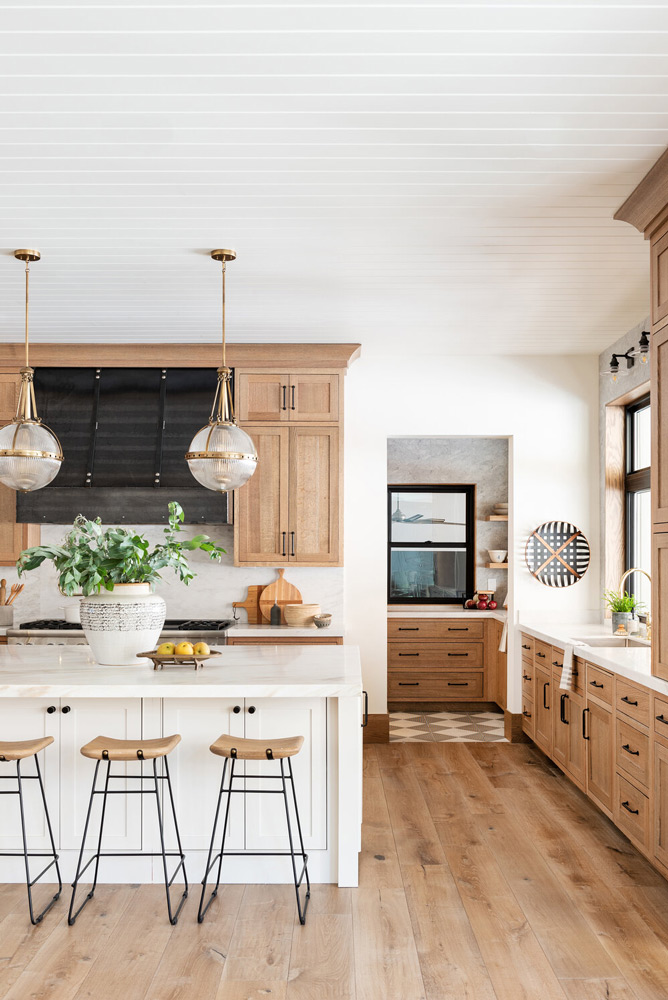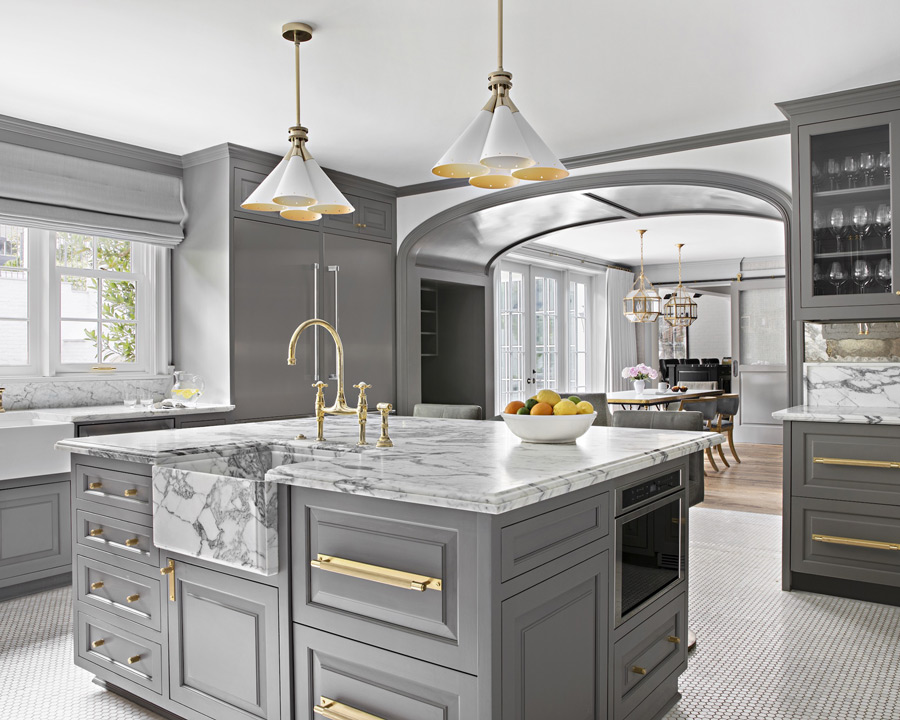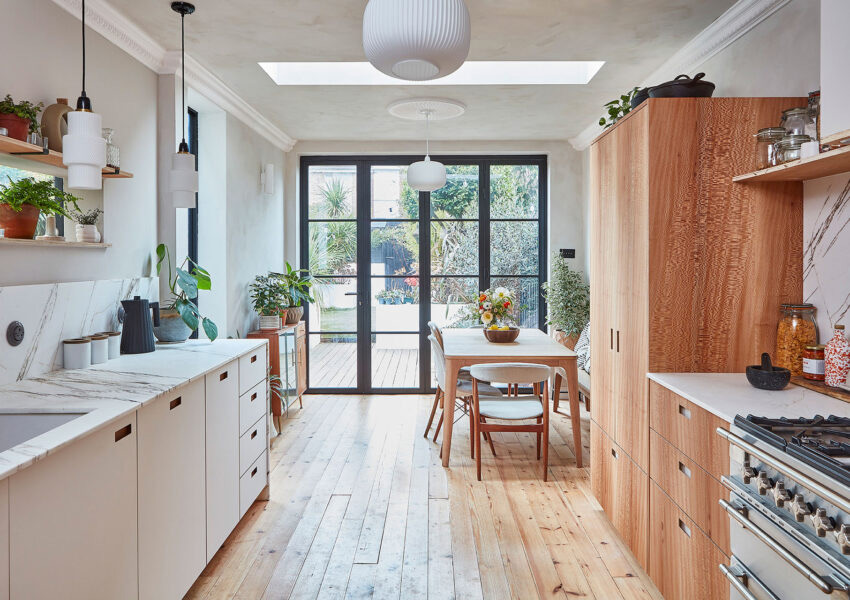
The kitchen remains the heart of American homes, yet its role has fundamentally shifted over the past few years. Today, homeowners aren't just looking for functional cooking spaces—they're investing in innovative kitchen and flooring solutions that balance aesthetics, technology, durability, and lifestyle. According to data from Market Data Forecast, homeowner spending on home improvements reached an all-time high of $420 billion in 2023, with flooring often constituting a major portion of these renovations, especially in kitchens and bathrooms. The convergence of innovative kitchen design and premium flooring has become one of the most impactful decisions homeowners make when remodeling their living spaces.
But here's the challenge: choosing the right combination of kitchen features and flooring materials involves navigating an overwhelming maze of options, price points, and design philosophies. Should you go with luxury vinyl or engineered hardwood? Which smart appliances actually deliver value? How do open-concept kitchens with various flooring transitions work in practice? This guide cuts through the noise and shows you exactly how to create a cohesive, innovative kitchen and flooring design that works for your home, your lifestyle, and your budget.
Quick Answer:
Designing an innovative kitchen and flooring requires aligning three core elements: understanding current market trends that favor open, connected spaces with sociable layouts; selecting flooring materials that offer durability and design flexibility like luxury vinyl tile (LVT) or engineered hardwood; and integrating smart appliances that enhance functionality without overwhelming the aesthetic. The process takes 6-12 weeks from concept to completion and typically yields a 50-70% return on investment.Key Takeaways:
Trend-Driven Design: Modern homeowners prioritize open, welcoming kitchens that connect to outdoor spaces with clean, minimal aesthetics
Flooring Innovation: Luxury vinyl tile is growing at an 8.4% CAGR and offers cost efficiency, durability, and design flexibility
Smart Integration: Nearly 44% of homeowners now want high-tech appliances, with 30% seeking Wi-Fi connectivity and smartphone control
Strategic Planning: A structured design process prevents costly mistakes and ensures cohesion between kitchen and flooring elements
Table of Contents
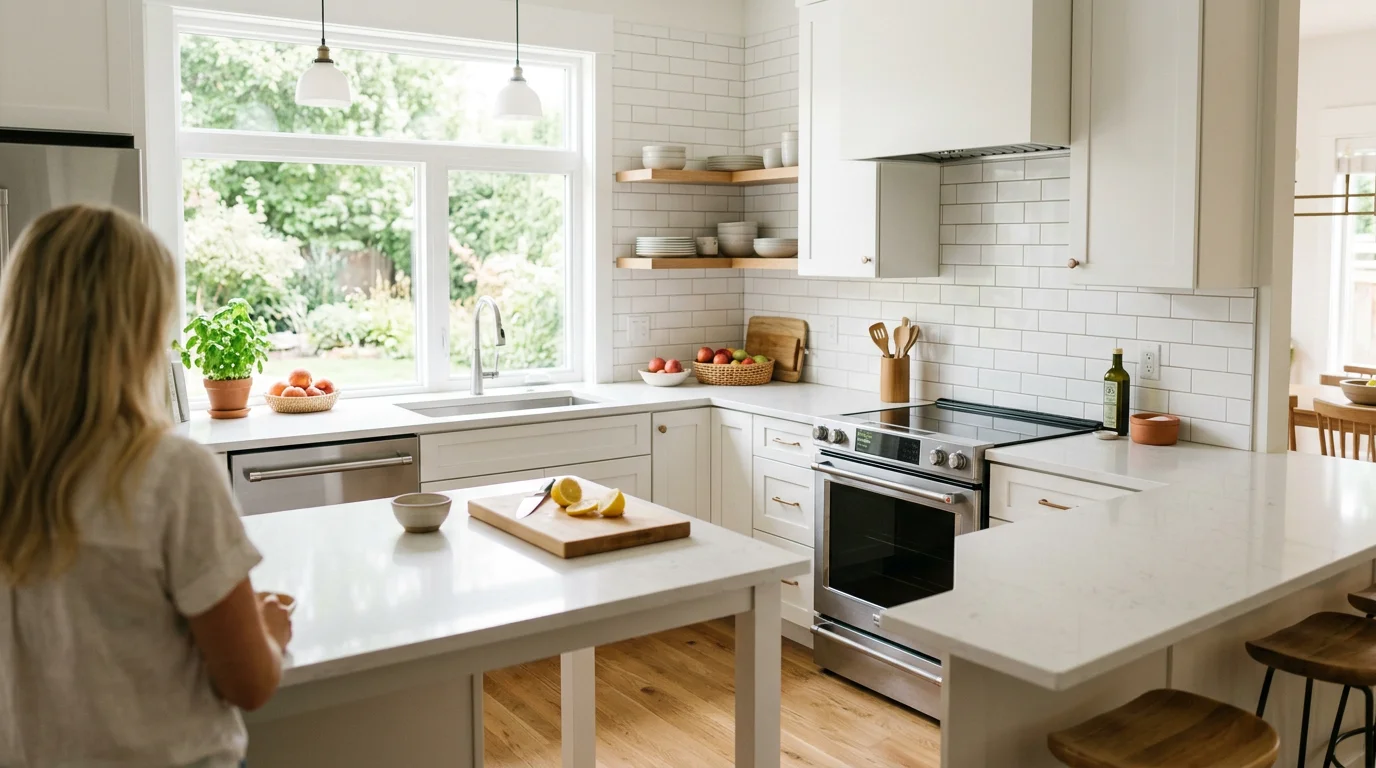
Why Innovative Kitchen and Flooring Design Matters
Investment in an innovative kitchen and flooring isn't merely about aesthetics—it's fundamentally about how your home functions and, ultimately, its market value. The global flooring market tells an important story: according to Fortune Business Insights, the flooring market was valued at USD 439.27 billion in 2025 and is projected to grow to USD 646.7 billion by 2034, exhibiting a compound annual growth rate of 5.70%. This explosive growth reflects consumer demand for advanced flooring solutions that offer durability, ease of maintenance, and aesthetic appeal.
More significantly, the residential segment now dominates the flooring market with 58.3% share in 2024, driven by urbanization and rising single-family home construction across the U.S. and Canada. What this means for you: flooring is no longer an afterthought in kitchen design—it's a primary driver of the entire space's visual impact and functional performance.
The kitchen-flooring connection matters because these elements either work in harmony or create visual discord. A poorly chosen flooring material can undermine even the most sophisticated cabinet design. Conversely, thoughtful flooring selection can elevate mediocre cabinetry and create a sense of intentionality throughout the space. Modern homeowners understand this intuitively, which is why innovative kitchen and flooring solutions command premium prices and inspire long-term satisfaction.
Current Market Trends Shaping Modern Kitchens
The kitchen has evolved into something far more social and intentional than it was a generation ago. According to the NKBA 2024 report cited by the Interior Designers Institute, more than 600 industry experts agreed that clients are prioritizing sociable, welcoming kitchens that encourage healthy habits with simple clean designs that connect to the outdoors. Nearly 60 percent of respondents indicated that a dedicated beverage area within the kitchen will be in demand. This represents a fundamental shift: kitchens are no longer just cooking zones—they're gathering spaces, wellness centers, and extensions of the home's outdoor environment.
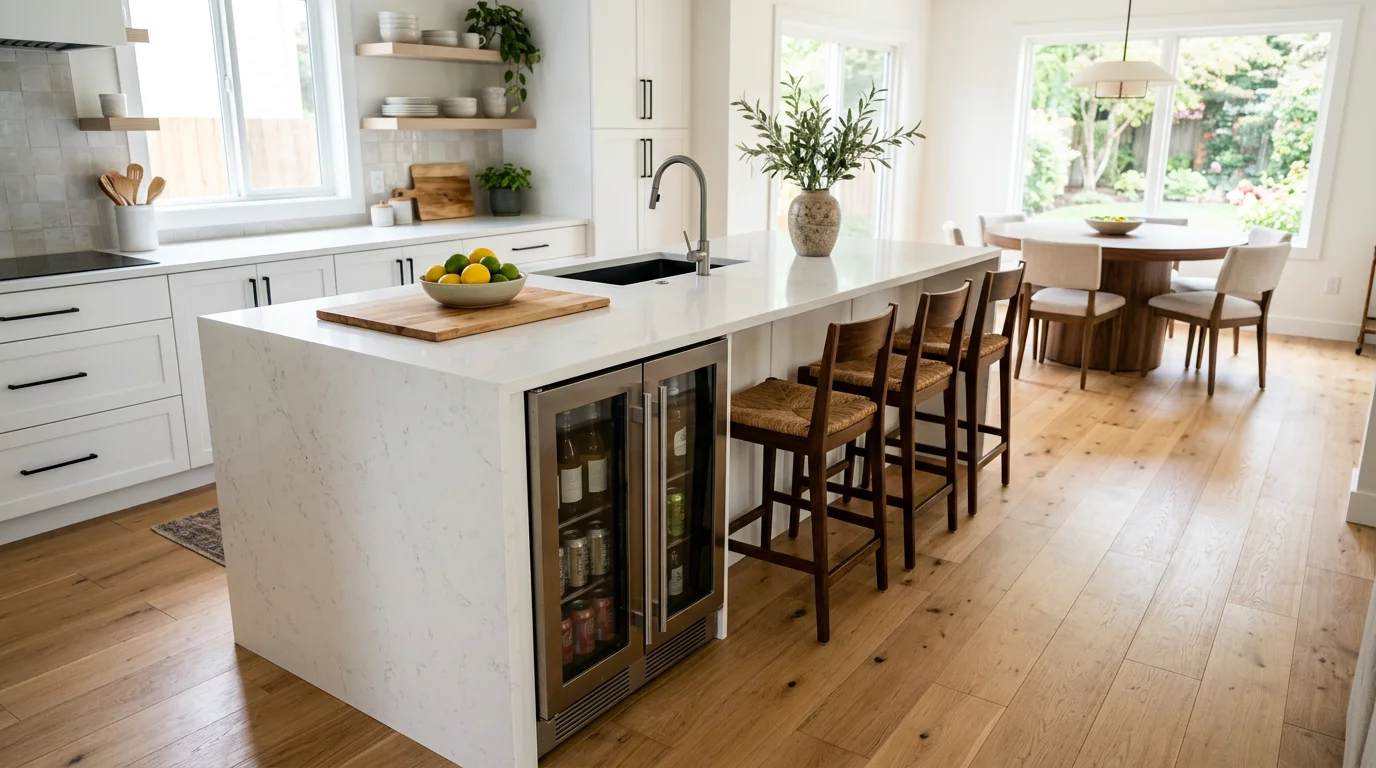
This trend manifests in several concrete ways. Open-concept layouts continue to dominate, but with strategic zoning that allows the cook to remain connected to family and guests without feeling isolated. Islands have evolved beyond simple prep surfaces into sophisticated command centers with integrated beverage stations, wine coolers, and subtle technology. Kitchen-flooring transitions between open spaces have become a sophisticated design challenge, with many homeowners opting for continuous, cohesive flooring materials rather than dramatic breaks between rooms.
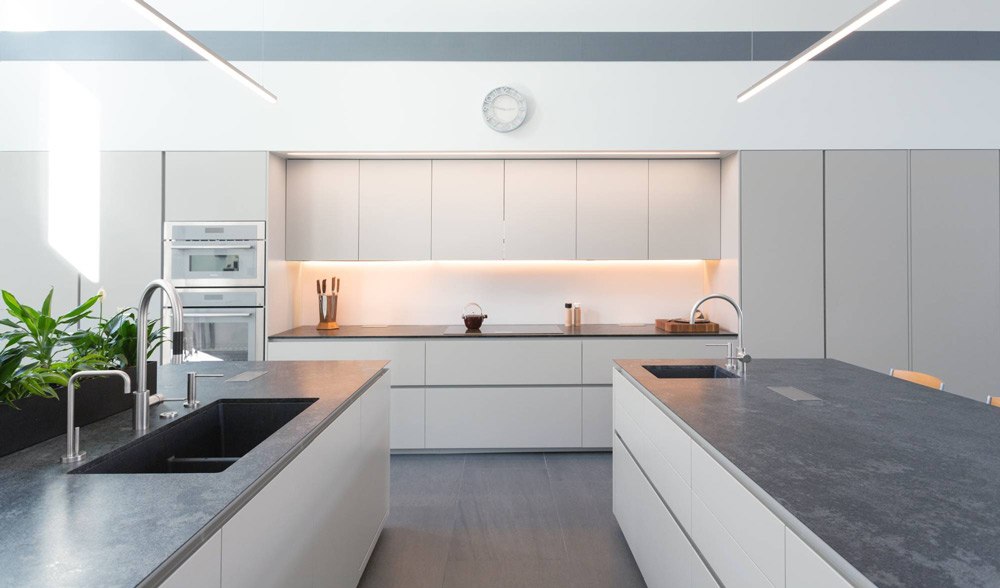
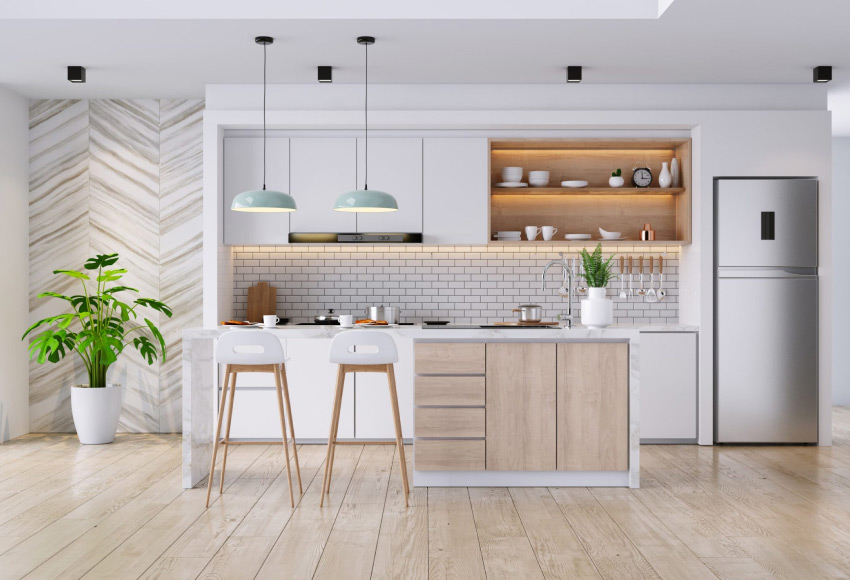
The emphasis on "clean designs" also reflects a broader minimalism aesthetic. This doesn't mean sterile or cold—rather, it means intentionality in every element. Open shelving displays carefully curated dishware. Hardware is either minimal and integrated or bold and intentional, never apologetic. Color palettes lean toward natural tones with strategic accent colors. For your flooring, this translates to selecting materials that feel warm and inviting without visual clutter or overly complex patterns.
The Flooring Revolution: Materials and Performance
Understanding the flooring landscape requires recognizing that innovation in this category goes far beyond cosmetics. Today's innovative flooring solutions deliver performance characteristics that would have seemed impossible a decade ago. Luxury vinyl tile (LVT) showed remarkable growth, increasing from 17% market share in 2022 to 26% in 2023, and is expected to grow at the fastest compound annual growth rate of 8.4% over the forecast period due to rising demand for durable, cost-efficient, and design-flexible flooring solutions.
Why the explosive growth in LVT? Because it fundamentally solved a problem that plagued homeowners for decades: the tension between genuine material aesthetics and practical durability. Modern LVT can convincingly replicate hardwood grain, stone texture, or concrete appearance while offering water resistance, scratch resistance, and installation flexibility that genuine materials simply cannot match. For kitchens specifically, this matters enormously. Spills, dropped dishes, and moisture are inevitable, yet you don't want a cold, institutional appearance.
Beyond LVT, several other materials deserve consideration for innovative kitchen and flooring applications. Porcelain tile has undergone its own revolution, with large-format tiles (24×48 inches or larger) creating a sense of spaciousness and minimizing grout lines that can trap dirt. Engineered hardwood offers the warmth of real wood with superior dimensional stability compared to solid hardwood—a practical advantage in the kitchen's humidity fluctuations. Even polished concrete has become a legitimate luxury option, offering an industrial-chic aesthetic when sealed and maintained properly.
The key principle uniting all these materials: they must balance three competing demands. First, aesthetic compatibility with your cabinet style and overall kitchen vision. Second, practical durability in a space where water, heat, and impact are daily realities. Third, reasonable cost, since kitchen and flooring investments shouldn't require a second mortgage. Learning to evaluate these trade-offs prevents the heartbreak of choosing a beautiful floor that stains easily, or a durable floor that clashes with your cabinetry.
Smart Appliances and Kitchen Technology
The integration of smart technology into kitchens represents one of the most significant shifts in how we design and use these spaces. The global smart kitchen appliances market was estimated at USD 18.75 billion in 2023 and is projected to reach USD 60.20 billion by 2030, growing at an impressive compound annual growth rate of 17.9% from 2024 to 2030. This isn't niche enthusiast territory anymore—it's mainstream.
More specifically, consumer adoption tells the real story. According to the 2024 Houzz Kitchen Trends Study, 44% of homeowners now want high-tech capabilities in their kitchens, showing a 5-point increase from the previous year. Nearly a third now choose appliances with Wi-Fi connectivity (30%), and 29% prioritize smartphone control. These aren't luxury percentages—they're approaching mainstream adoption.
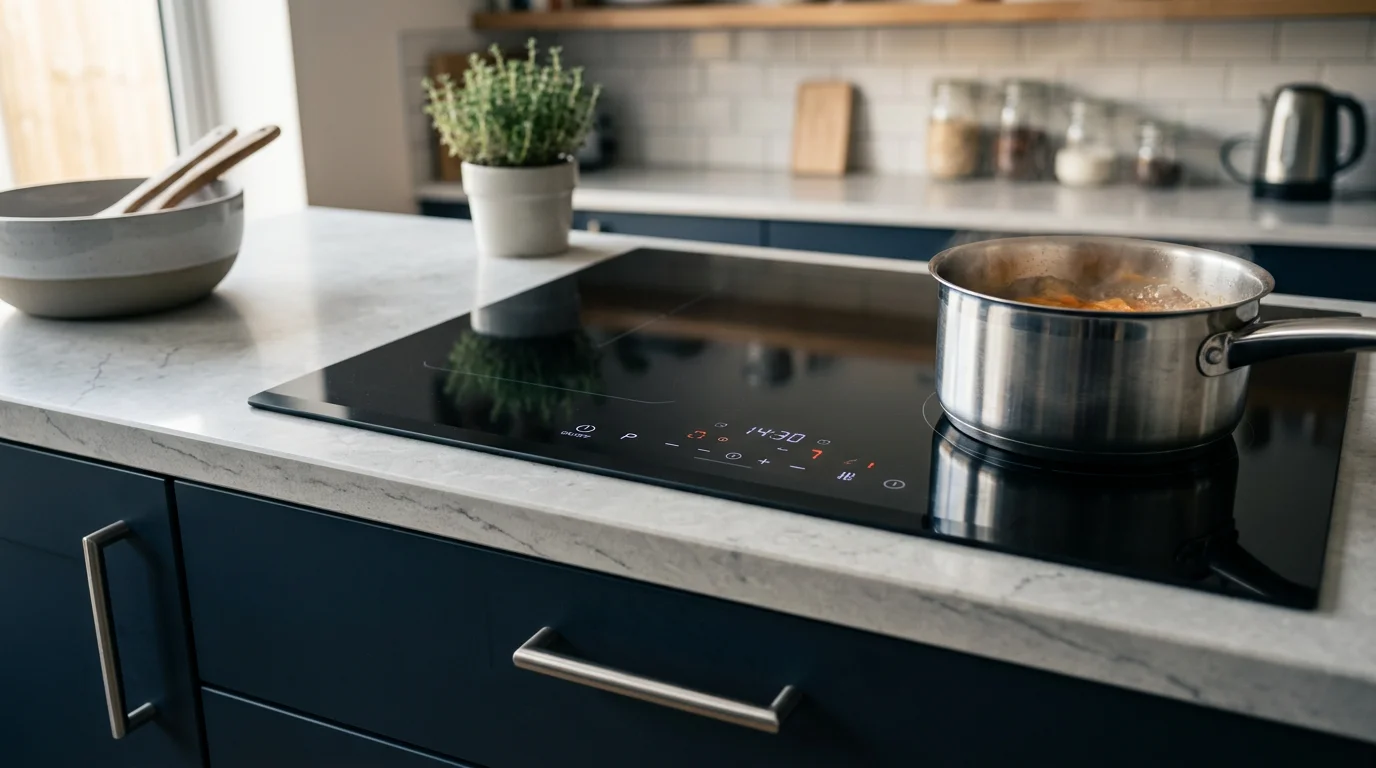
For an innovative kitchen and flooring design, this technology integration requires thoughtful planning. Smart refrigerators with internal cameras, induction cooktops with precise temperature control, and connected dishwashers that can be started remotely all sound appealing, but they come with real design implications. Electrical infrastructure needs to support additional connectivity. Kitchen islands now often require integrated power and data outlets—considerations that must be planned during the design phase, not retrofitted later. The flooring layout must accommodate new electrical conduit runs. Cabinetry may need modifications to house smart device charging stations or network equipment.
The best approach treats technology as an enhancement to functionality, not the primary design driver. A refrigerator with a smart display is useful only if its location makes sense in your kitchen workflow. Connected lighting is appealing only if your design aesthetic can accommodate the necessary components without looking utilitarian. The flooring you choose should complement these technological elements, not compete with them visually.
Step-by-Step Planning Process
Creating a truly innovative kitchen and flooring design isn't something to rush. A structured process prevents costly mistakes and ensures that every decision reinforces your overall vision rather than contradicting it.
Step 1: Define Your Lifestyle and Priorities. Begin by honestly assessing how you actually use your kitchen. Are you a serious home cook who needs restaurant-grade equipment, or do you primarily reheat prepared foods? Do you entertain frequently, requiring generous counter and seating space? Do you have young children whose mess-making must be factored into your material choices? Do you prefer a modern aesthetic or something more traditional? This foundational step determines everything that follows. A high-performance home chef kitchen with minimalist concrete floors and minimal counter space would be a disaster, regardless of how beautifully it photographs.
Step 2: Establish Your Budget and Timeline. Kitchen remodels are expensive—there's no way around it. However, cost doesn't correlate linearly with value. A $35,000 kitchen can deliver superior function and aesthetics to a $65,000 kitchen if dollars are allocated strategically. Before exploring specific materials and appliances, determine your realistic budget range. Additionally, establish a timeline. Are you renovating to prepare to sell, or do you intend to stay in your home for 10+ years? This affects material selection significantly. Trendy finishes that wow in 2026 may feel dated by 2031, whereas classic materials age gracefully.
Step 3: Research Flooring and Cabinet Materials. With priorities and budget established, research the specific materials that align with your vision. Collect samples of flooring you're considering—not just small swatches, but larger pieces that you can observe under various lighting conditions in your actual home. The way a flooring sample appears under the showroom's fluorescent lights will differ dramatically from how it looks in your kitchen's morning natural light. Similarly, cabinet finishes vary wildly based on lighting. A white cabinet door may look cool-toned next to north-facing windows and warm-toned under warm LED lighting.
Step 4: Plan Your Flooring Transitions. One of the most common aesthetic failures in innovative kitchen and flooring design is awkward transitions between flooring materials in open-concept spaces. If your kitchen opens directly to a dining room or living area, consider whether you'll continue the same flooring throughout or create intentional visual breaks. If you're using different materials (kitchen LVT with hardwood in the adjacent living room, for example), plan the transition carefully. Threshold strips should be elegant, not clunky. The color boundary should make sense visually rather than appearing accidental.
Step 5: Integrate Technology Planning. Before finalizing your design, identify which smart appliances or conveniences you actually want. This isn't about keeping up with trends—it's about genuine functionality. Plan electrical and data infrastructure accordingly. Work with your designer or contractor to identify where outlets, USB charging stations, and network connectivity should live. This planning prevents the scenario where you'd love a smart display in a particular location but didn't wire for it.
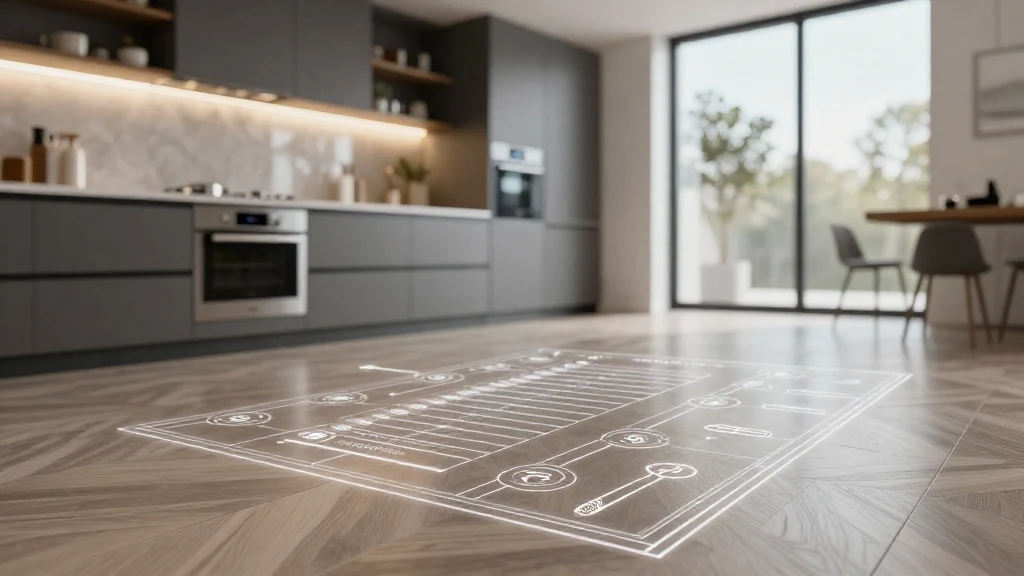
Step 6: Create a Visual Mockup. With materials selected and general layout decided, most professional designers will create a visual representation—either a detailed rendering or a physical mood board. This allows you to see your innovative kitchen and flooring design as a cohesive whole before any construction begins. This is your opportunity to step back and ask: does this feel like my home? Or does it feel like someone else's design imposed on my space?
Common Design Mistakes to Avoid
Even with careful planning, certain pitfalls appear repeatedly in kitchen remodeling projects. Understanding these mistakes prevents regrettable decisions.
Ignoring Practical Maintenance. The most stunning flooring material means nothing if you'll resent maintaining it daily. High-gloss finishes show every fingerprint. Grout lines in small-tile applications become dirt-trapping eyesores in a busy kitchen. Light colors look pristine in showrooms but may drive you to distraction in real life. Before committing to any flooring, ask yourself honestly: will I actually maintain this as shown in the inspiration photos? Or will I be frustrated by constant cleaning?
Creating Awkward Work Triangles. The classic kitchen work triangle—the imaginary line connecting sink, stove, and refrigerator—remains relevant even in innovative designs. A stunning island that blocks efficient workflow, or appliances arranged illogically across the space, undermines even premium finishes. Your innovative kitchen and flooring design means nothing if preparing a simple meal requires an Olympic obstacle course.
Choosing Trendy Finishes Over Timeless Foundations. It's easy to fall in love with a cabinet color or backsplash that's currently on trend. However, these elements age quickly. Instead, opt for timeless foundational elements (cabinetry style, flooring choice, counter material) and incorporate trendiness through easily changeable elements (paint, hardware, lighting, backsplash). In five years, you can paint walls and change hardware without financial devastation, but replacing flooring or cabinetry is a major undertaking.
Underestimating Hidden Costs. Flooring installation, cabinet customization, electrical upgrades, and permitting often cost more than homeowners anticipate. Smart budgeting reserves 10-20% of your total budget for unexpected expenses, because they will occur once construction begins and contractors discover issues hidden behind walls or under existing flooring.
Making It Cohesive: Flooring to Cabinetry Integration
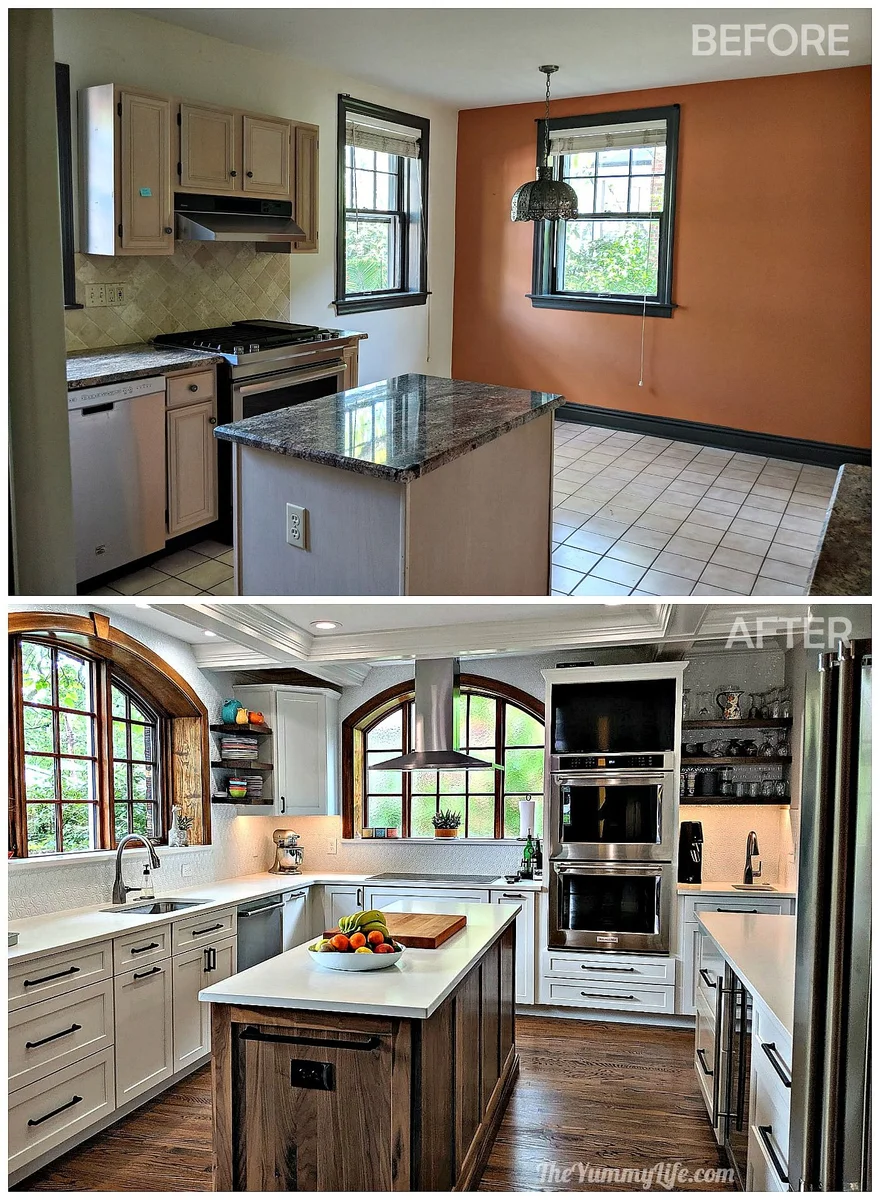
The true art of innovative kitchen and flooring design lies in how these elements speak to each other rather than existing independently. Professional designers think holistically about how cabinet color, finish, and undertones interact with flooring materials.
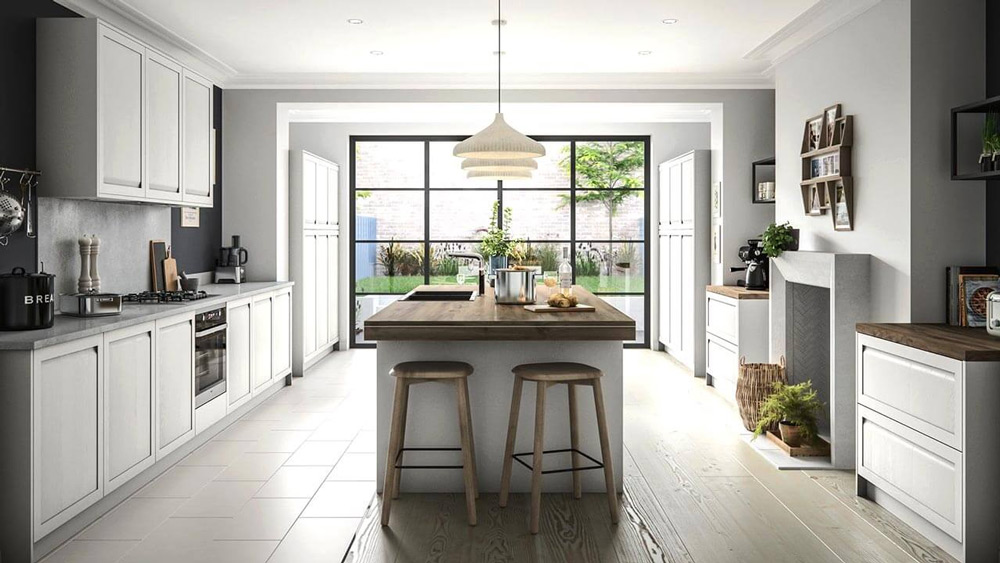
Consider a kitchen with white shaker-style cabinetry paired with warm honey-toned engineered hardwood flooring. This combination creates visual harmony through complementary warmth. Conversely, the same cabinetry with cool-toned gray LVT flooring creates a more contemporary, slightly edgy aesthetic. Neither is wrong—but the emotional impact differs dramatically.
Flooring colors should reflect rather than fight your cabinet choice. If you've selected cabinetry with strong visual presence—bold color, prominent grain, or distinctive hardware—use flooring as a grounding element that supports rather than competes. Conversely, neutral cabinetry allows flooring to become a design statement. A soft gray or taupe flooring with subtle texture can become the room's visual anchor.
The same principle applies to scale and pattern. Large-format tiles or wide-plank flooring feel expansive and modern, complementing contemporary cabinetry. Narrower wood planks or smaller tile formats create a more traditional aesthetic that pairs with classic cabinet styles. When kitchen and flooring work together rather than against each other, the entire space feels intentional and sophisticated rather than assembled from disparate elements.
Bringing Your Vision to Life
Creating an innovative kitchen and flooring design requires expertise you may not possess, and that's perfectly fine. This is where professional guidance becomes invaluable. Whether you're working with a kitchen designer, architect, or experienced remodeling contractor, the right partner brings years of experience navigating the exact challenges you're facing.
At WAREMODEL, we've spent years helping homeowners throughout King County and Pierce County transform their kitchen and flooring spaces. From Seattle to Tacoma, from Bellevue to Kent, we've seen what works and what disappoints. Our in-home consultation process begins with understanding your specific lifestyle, priorities, and aesthetic preferences. We take detailed measurements and create computer-generated designs based on your actual space, not generic templates. Most importantly, we're transparent about costs, timelines, and exactly what to expect throughout the renovation process.
The companies that deliver the best results understand that innovative kitchen and flooring design is personal. What works brilliantly for one homeowner might be completely wrong for another. Professional guidance ensures that your unique vision is realized with quality materials, expert craftsmanship, and attention to the details that separate a beautiful renovation from a disappointing one.
If you're considering an innovative kitchen and flooring project, we'd welcome the opportunity to discuss your vision. Our free expert consultations help you understand your options, establish realistic budgets, and make confident decisions about one of the most important investments you'll make in your home.
Frequently Asked Questions
What's the difference between LVT and traditional vinyl flooring?
Luxury vinyl tile (LVT) represents a dramatic improvement over older vinyl products. Modern LVT uses photographic technology to replicate authentic wood or stone appearance, and features a rigid core that prevents flexing and maintains a more authentic underfoot feel. Older vinyl flooring was thinner, softer, and often looked unmistakably artificial. LVT's durability, water resistance, and authentic appearance make it genuinely superior for kitchen applications.
How long does a typical kitchen remodeling project take?
This varies widely based on scope. A modest refresh with new cabinets and flooring typically takes 6-10 weeks. A complete gut renovation with electrical and plumbing upgrades can require 12-16 weeks or longer. Unexpected issues discovered during construction can add time. A realistic timeline accounts for design approval, material ordering, permit approval, construction, and final inspections.
Should I choose white or dark cabinetry?
This is personal preference, but consider maintenance and longevity. White cabinetry feels bright and contemporary but shows fingerprints and dust more readily. Dark cabinetry adds sophistication and hides minor blemishes but can feel heavy in smaller kitchens with limited natural light. Mid-tone cabinetry often represents a practical middle ground. What matters most is choosing a color you genuinely love, not what's currently trendy.
Is smart kitchen technology worth the investment?
For homeowners who stay in their homes long-term and genuinely benefit from the convenience, smart appliances can be worthwhile. However, if you change residences every 5-7 years, the premium cost may not return through resale value. Focus on smart features that enhance your specific workflow rather than adopting technology for its own sake.
What's the best kitchen flooring for homes with children or pets?
Luxury vinyl tile or porcelain tile are ideal choices because they're water-resistant, scratch-resistant, and easy to clean. Both can withstand the rigors of an active household without showing wear prematurely. Avoid natural stone or hardwood in heavily trafficked kitchens with young children, as they're more prone to staining and damage.
How do I choose between different flooring materials?
Start with your aesthetic preference, then evaluate durability, maintenance requirements, and cost. Create a matrix comparing materials on these criteria. Let practical considerations eliminate options that look beautiful but don't match your lifestyle. What remains is your answer. For innovative kitchen and flooring design, the best choice is the one you'll remain satisfied with five years from now.
Can I mix different flooring materials in an open-concept kitchen?
Absolutely, but plan the transition carefully. If your kitchen opens to a dining room, you might use LVT in the kitchen and hardwood in the dining area, connected with an elegant threshold. The color palette should feel intentional rather than random. Some homeowners successfully continue the same flooring throughout, which creates a sense of spaciousness.
What's the actual return on investment for a kitchen remodel?
According to recent data, homeowners typically recoup 50-70% of kitchen remodeling costs through increased home value. However, the real value is the enhanced functionality and satisfaction you experience while living in the space. Remodel for your own enjoyment first, and consider resale value a secondary benefit.