The allure of a home spa experience has transformed from luxury fantasy into an achievable reality for homeowners who understand how to blend functionality with indulgence. A jacuzzi bathroom represents far more than a simple upgrade—it's an investment in daily wellness, a sanctuary where the pressures of modern life dissolve with each therapeutic jet. When designed thoughtfully, a jacuzzi-equipped bathroom becomes the heart of relaxation in your home, creating more space for the moments that truly matter: unwinding after a demanding day, enjoying quality time with loved ones, or simply prioritizing your physical and mental well-being.
Quick Answer: Design a luxurious jacuzzi bathroom by assessing your available space, selecting an appropriately-sized modern bathroom with jacuzzi tub that fits your layout, positioning fixtures strategically to maximize flow, and finishing with spa-inspired materials like natural stone and soft lighting. The key is balancing aesthetic appeal with practical functionality while ensuring adequate plumbing and electrical infrastructure supports your vision.
The journey from concept to completion requires careful planning across several interconnected dimensions. First, you'll need to evaluate your existing space and understand how a jacuzzi installation reshapes your bathroom's layout and traffic patterns. Next comes the critical phase of fixture selection—choosing the right tub style, jet configuration, and accompanying amenities that align with both your lifestyle and spatial constraints. Finally, the finishing touches—from flooring and wall treatments to lighting and accessories—transform a functional bathroom into a personal retreat that reflects your design sensibilities.
Throughout this guide, we'll walk you through each phase of creating a jacuzzi bathroom that maximizes your space rather than consuming it. You'll discover how strategic design choices, informed fixture selection, and thoughtful material pairing create an environment where luxury and practicality coexist seamlessly. Whether you're working with a sprawling master bath or optimizing a more modest footprint, the principles remain consistent: intentional planning, quality components, and design cohesion.
Table of Contents
- Assessing Your Space: Layout Planning for Jacuzzi Installation
- Selecting the Right Jacuzzi Tub for Your Bathroom Design
- Creating the Perfect Atmosphere: Lighting, Materials, and Finishes
- Storage Solutions and Functional Elements in Jacuzzi Bathrooms
- Installation Steps: From Planning to Enjoying Your New Jacuzzi Bath
- Maintenance and Care for Long-Lasting Jacuzzi Performance
- Budget Planning: What to Expect When Investing in a Jacuzzi Bathroom Remodel
- Frequently Asked Questions About Jacuzzi Bathroom Design
- Transform Your Bathroom Into a Personal Wellness Retreat
Assessing Your Space: Layout Planning for Jacuzzi Installation
Before selecting a jacuzzi tub or committing to installation, you must conduct a thorough evaluation of your existing bathroom. This assessment determines whether your space can accommodate a luxury soaking experience or whether modifications are necessary. The difference between a seamlessly integrated jacuzzi and a cramped, problematic installation often comes down to the planning work done in this initial phase.
Measuring and Documenting Your Space
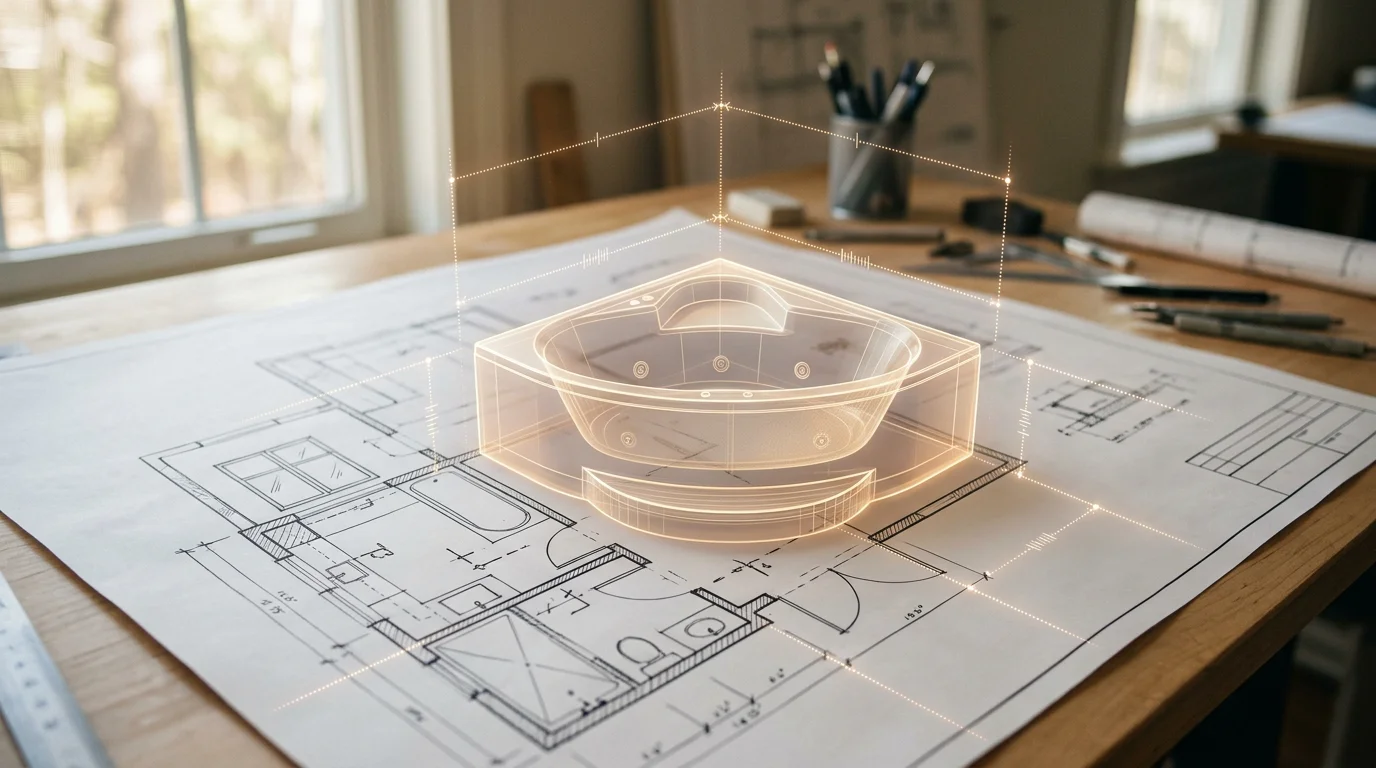
Start by measuring your bathroom's dimensions with precision. Record the length and width of the room, ceiling height, and the location of existing fixtures—toilet, vanity, shower enclosure, and doorways. Note the swing radius of your bathroom door; a jacuzzi installation sometimes requires repositioning entry points or choosing pocket doors to maximize usable floor space. Photograph the current layout from multiple angles and mark the positions of windows, vents, and any architectural features like sloped ceilings or alcoves. These details matter because jacuzzi tubs come in various sizes, from compact 48-inch models suitable for smaller bathrooms to expansive 84-inch installations that demand substantial square footage. Understanding your exact footprint prevents costly design mistakes and ensures the fixture you select actually fits your space without overwhelming it.
Evaluating Plumbing and Electrical Infrastructure
Your existing plumbing and electrical systems are critical constraints. Most full-size jacuzzi hot tubs require a dedicated 240-volt circuit with a 50-amp GFCI breaker, professionally installed by a licensed electrician according to Jacuzzi specifications. If your bathroom's electrical panel cannot support this demand, upgrading becomes a significant project—one that should factor into your budget and timeline. Similarly, assess your water supply and drainage. Jacuzzis demand adequate water pressure and drainage capacity; older homes with undersized pipes may require reinforcement. Check whether your water heater can maintain temperature during extended use, and confirm that your septic or municipal system can handle the volume of water displacement during drain cycles. These infrastructure realities are non-negotiable; ignoring them leads to performance issues or safety hazards.
Load-Bearing and Structural Considerations
A filled jacuzzi weighs considerably more than a standard bathtub—often exceeding 3,000 pounds when occupied. Verify that your bathroom floor can support this concentrated load. Homes built on solid foundations typically handle this without issue, but upper-floor bathrooms or older structures may need structural reinforcement. Consult a structural engineer if you have any doubt; the cost of a brief assessment is minimal compared to the expense of addressing floor damage after installation.
Maximizing Space in Compact Bathrooms
Smaller bathrooms demand strategic thinking. Consider corner-placement jacuzzis that nestle into alcoves, or compact soaking tubs designed for efficiency without sacrificing the jet experience. Vertical storage solutions, wall-mounted vanities, and recessed shelving preserve floor space. When planning your bathroom design, think about how a jacuzzi installation reshapes traffic patterns and whether adjacent spaces—like a walk-in closet or adjoining bedroom—could absorb some functional elements currently occupying bathroom square footage. This holistic approach to spatial planning, informed by principles discussed in guides on innovative kitchen and flooring design, ensures your jacuzzi becomes a focal point rather than a constraint.
Selecting the Right Jacuzzi Tub for Your Bathroom Design
The choice of jacuzzi tub fundamentally shapes both the aesthetic and functional character of your bathroom. Unlike selecting a standard soaking tub, choosing a modern bathroom with a jacuzzi tub requires understanding how different styles, materials, and jet configurations align with your space constraints and lifestyle expectations. The market offers distinct categories, each with particular advantages and trade-offs that deserve careful consideration.
Material Composition and Longevity
Acrylic has emerged as the dominant material for residential jacuzzi installations, and for good reason. According to research from Angi, acrylic bathtubs can last up to 30 years with proper maintenance, while fiberglass alternatives typically endure only 10 to 15 years. Acrylic resists scratching, fading, and cracking far more effectively than fiberglass, making it the more durable long-term investment despite a higher initial cost. Stone and composite materials offer premium aesthetics and exceptional durability but demand significant plumbing infrastructure and often require professional installation. Fiberglass remains a budget-conscious option for those prioritizing affordability over longevity, though its susceptibility to surface damage becomes evident within a few years of regular use.
Jacuzzi Design Configurations
Corner models maximize spatial efficiency in compact bathrooms, fitting snugly into alcoves while providing full jet functionality. These designs work particularly well when paired with vertical storage solutions and wall-mounted fixtures that preserve floor space. Freestanding soaking tubs with integrated jets offer sculptural appeal and flexibility in placement—ideal for master bathrooms with generous square footage where the tub becomes a design focal point. Built-in options, recessed into the floor or surrounded by tile, create seamless integration with your overall bathroom aesthetic but sacrifice repositioning flexibility. Portable and inflatable jacuzzis serve as temporary solutions for renters or those testing the concept before committing to permanent installation, though they lack the durability and jet power of fixed systems.
Jet Systems and Performance Variables
The number, placement, and intensity of jets directly influence the therapeutic experience. Entry-level systems feature 4 to 8 jets positioned primarily along the sides, while premium configurations include 12 to 20+ jets with adjustable pressure controls and directional nozzles targeting specific muscle groups. Hydrotherapy effectiveness depends not only on jet count but also on water circulation patterns and pump horsepower—a well-engineered system with fewer jets often outperforms a poorly designed one with many. Consider whether you prioritize full-body massage, targeted back relief, or gentle circulation, as this determines optimal jet placement and intensity requirements.
Matching Tub Selection to Your Lifestyle
Your daily routine and wellness priorities should guide your choice. Frequent users who view the jacuzzi as a therapeutic cornerstone benefit from acrylic corner or built-in models with robust jet systems and reliable pumps. Occasional users seeking luxury relaxation might prioritize aesthetic appeal and choose freestanding designs that double as bathroom sculpture. Families with children may prefer compact, safer configurations with adjustable jet intensity. When planning your jacuzzi design, consult with remodeling professionals who can assess your home's structural capacity, plumbing infrastructure, and electrical requirements—factors that often determine which tub styles remain feasible. Our innovative remodeling approach at WAREMODEL ensures your jacuzzi selection integrates seamlessly with your overall bathroom layout, maximizing both function and visual harmony within your available space.
Creating the Perfect Atmosphere: Lighting, Materials, and Finishes
The jacuzzi becomes the centerpiece of your bathroom remodel, but its impact depends entirely on the environment surrounding it. Strategic choices in lighting, wall materials, flooring, and color create a cohesive spa atmosphere that elevates the entire experience. These elements work synergistically—poor lighting can diminish even the most luxurious tub, while the right finishes amplify its appeal and functionality.
Lighting: Layering for Ambiance and Function
Effective bathroom lighting requires multiple layers. Ambient lighting provides general illumination and sets the relaxation tone; recessed ceiling fixtures or a central pendant work well, but dimmer switches are essential for adjusting intensity throughout the day. Task lighting near mirrors ensures grooming functionality, while accent lighting around the jacuzzi itself transforms it into a visual focal point. Consider waterproof LED strip lighting installed beneath the tub rim or along the base—this creates a floating effect while remaining practical. Warm color temperatures (2700K–3000K) promote relaxation, whereas cooler tones feel clinical. For modern bathroom design that maximizes luxury, incorporate a combination of overhead fixtures, wall sconces flanking the tub, and subtle accent lighting that you control independently. This layered approach prevents harsh shadows and allows you to shift from energizing morning light to calming evening ambiance.
Wall Materials: Durability Meets Design
Moisture resistance is non-negotiable in jacuzzi bathrooms. Ceramic or porcelain tile remains the gold standard—it withstands humidity, cleans easily, and offers endless aesthetic options. Large-format tiles (12×24 inches or larger) create visual continuity and reduce grout lines where mold can accumulate. Natural stone like marble, limestone, or slate adds elegance but requires sealing and more maintenance. For a softer, warmer aesthetic, consider wainscoting with waterproof beadboard or tile up to chair rail height, paired with moisture-resistant paint above. This hybrid approach balances durability with design flexibility. Glass tile or mosaic accents around the jacuzzi perimeter add shimmer and contemporary appeal without overwhelming the space.
Flooring: Safety and Sophistication
Slip resistance is critical around a water-filled tub. Textured tile with a matte or slightly raised surface finish prevents accidents while maintaining visual appeal. Porcelain pavers designed for wet areas offer durability and sophisticated aesthetics. If you prefer warmth underfoot, radiant floor heating beneath tile creates comfort without sacrificing safety. Avoid polished marble or glossy finishes near the jacuzzi—these become dangerously slippery when wet. The flooring should visually anchor the space; consider extending the same material throughout or using a contrasting border to define the jacuzzi zone.
Color Palettes for Relaxation
Neutral, cool-toned palettes—soft grays, warm whites, pale blues, and muted greens—promote tranquility. These colors reflect light, making compact bathrooms feel larger, and provide a calm backdrop for the jacuzzi. Accent colors through accessories, artwork, or a feature wall can introduce personality without overwhelming the senses. Avoid overly saturated or warm colors that feel energizing rather than restorative. When planning your modern bathroom remodeling strategy, WAREMODEL's design professionals help you coordinate these elements so lighting, materials, and finishes create a unified sanctuary rather than a collection of disconnected choices. The goal is a space where every surface, every light source, and every color choice reinforces the spa experience your jacuzzi promises.
Storage Solutions and Functional Elements in Jacuzzi Bathrooms
A luxurious jacuzzi bathroom demands more than visual appeal—it requires intelligent organization that keeps daily essentials accessible without cluttering the serene environment you've worked to create. The challenge intensifies in compact spaces, where every square inch must earn its place. Strategic storage and ventilation transform a beautiful bathroom design into one that actually functions for real life, where towels, bath products, and moisture management work seamlessly behind the scenes.
Integrated Storage Without Visual Clutter
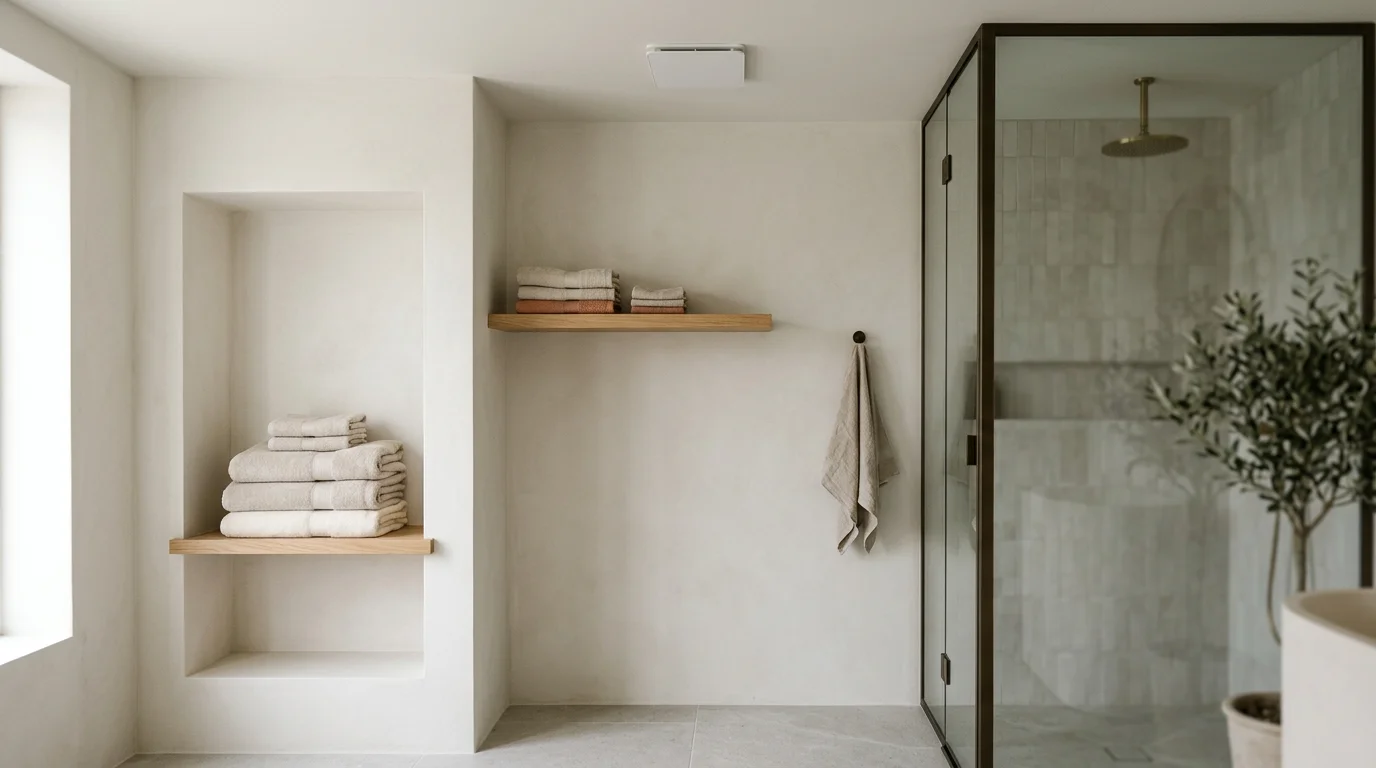
Wall-mounted shelving above the jacuzzi or adjacent to it maximizes vertical space while maintaining clean sightlines. Floating shelves in materials that echo your overall aesthetic—natural wood, brushed metal, or stone—create storage that feels intentional rather than afterthought. Recessed medicine cabinets and built-in niches carved directly into walls eliminate the footprint of traditional cabinets. For smaller bathrooms, consider corner shelving units that utilize otherwise wasted angles, or install a tall, narrow tower cabinet that provides substantial storage in minimal floor space. Drawer organizers with compartments keep bath products, grooming tools, and medications sorted and hidden from view. The key is choosing closed storage for daily clutter and reserving open shelving for display items—rolled towels, decorative bottles, or spa-quality products that enhance rather than detract from the atmosphere.
Towel Solutions That Balance Function and Luxury
Heated towel racks serve dual purposes: they warm towels to spa-like perfection while providing dedicated storage that prevents piles from accumulating on counters. Wall-mounted racks positioned near the jacuzzi keep towels within arm's reach without consuming floor space. For larger bathrooms, a freestanding heated towel ladder adds sculptural appeal while holding multiple towels. Recessed towel niches built into the wall beside the tub offer a minimalist alternative that feels integrated rather than added.
Ventilation: The Often-Overlooked Essential
Moisture from a jacuzzi creates challenges that standard bathroom ventilation cannot ignore. According to the Home Ventilating Institute, bathrooms up to 100 square feet require exhaust fans providing 1 CFM per square foot of bathroom area to achieve approximately eight air changes per hour. For bathrooms featuring jetted bathtubs, add an additional 100 CFM to this calculation to properly manage the extra moisture those systems generate. A high-capacity exhaust fan with humidity sensors automatically activates when moisture levels spike, preventing mold and mildew while protecting finishes and structural integrity. Ductwork should vent directly outside—never into attics or crawl spaces. Consider installing the fan away from the jacuzzi itself to avoid drafts that disrupt the relaxation experience, and choose models with low-noise operation so ventilation runs quietly in the background.
Vanity Organization and Counter Space
A streamlined vanity prevents the bathroom from feeling cramped while housing essential items. Deep drawers with dividers organize hair tools, skincare products, and grooming supplies by category. A small tray on the counter corrals daily-use items into a defined zone, keeping the rest of the surface clear. Wall-mounted faucets and undermount sinks maximize legible counter space. When planning your bathroom remodeling strategy, WAREMODEL's design professionals help integrate storage solutions that feel custom-built rather than retrofitted, ensuring every element serves both function and the overall luxury aesthetic.
Installation Steps: From Planning to Enjoying Your New Jacuzzi Bath
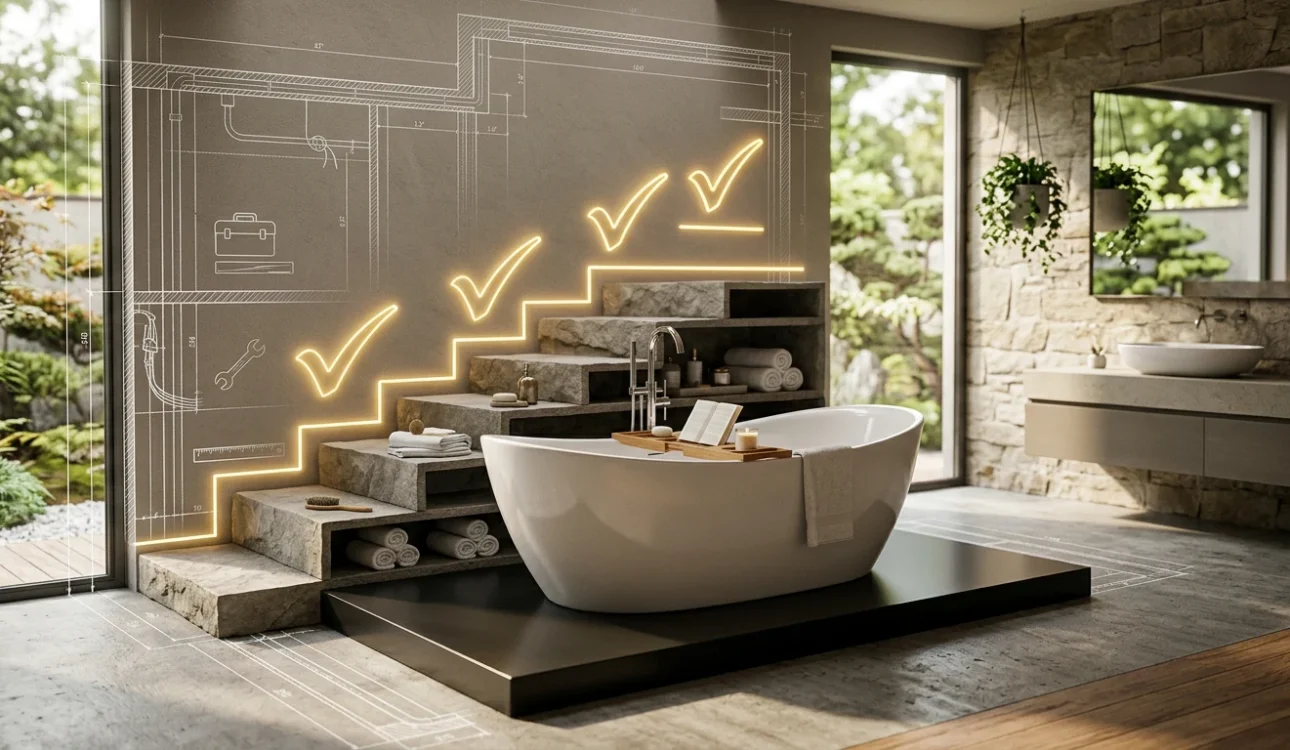
The transition from design concept to a fully functional jacuzzi bathroom requires a methodical approach broken into distinct phases. Understanding what each phase entails—and which tasks demand licensed professionals versus general oversight—ensures the installation proceeds safely, on schedule, and within budget. This is where your bathroom remodeling vision becomes reality, and the quality of execution determines whether your luxury spa experience delivers lasting satisfaction.
Phase 1: Preparation and Structural Assessment
Before any demolition begins, a structural engineer or experienced contractor evaluates the floor's load-bearing capacity. Jacuzzi tubs filled with water and multiple occupants can weigh 3,000 to 6,000 pounds, far exceeding the weight of a standard bathtub. If your bathroom sits on a second story or above a basement, reinforcement may be necessary—adding support beams or adjusting floor joists. This assessment typically takes 1–2 days and must be completed before scheduling demolition. Simultaneously, your contractor identifies existing plumbing and electrical lines to avoid costly and dangerous mistakes during removal. Take photographs of walls before opening them; these images guide the final phase when walls are closed and finishes applied.
Phase 2: Rough-In Plumbing and Electrical Work
This phase absolutely requires licensed plumbing and electrical professionals. Your plumber installs supply lines (hot and cold water), drain lines, and the dedicated circuit for the jacuzzi's pump and heating system. Most jacuzzis demand a 240-volt circuit with proper grounding—a non-negotiable safety requirement. The rough-in stage, lasting 3–5 days, includes running all lines within walls before drywall installation. Your electrician positions outlets away from water sources and installs GFCI (ground-fault circuit interrupter) protection on all bathroom circuits. This is not an area for DIY shortcuts; improper wiring or plumbing creates fire hazards, electrical shock risks, and water damage that far exceeds the cost of professional installation.
Phase 3: Jacuzzi Tub Installation
Once rough-in work passes inspection, the jacuzzi tub itself is positioned and secured. Delivery and placement typically occur over 1–2 days. The tub must be level—even a slight slope affects water distribution across jets and creates uncomfortable pooling. Your contractor connects supply and drain lines, tests water flow, and verifies jet function before walls are closed. This is your final opportunity to address any mechanical issues without opening finished surfaces.
Phase 4: Finishing Work and Surround Installation
Drywall installation, tile work, and fixture mounting happen next. Tile surrounding the tub should extend at least 60 inches up the wall to prevent moisture penetration. Grout must be sealed to resist water intrusion. Lighting fixtures, mirrors, and hardware are installed during this 2–3 week phase. WAREMODEL's design professionals coordinate these finishing details to ensure every element aligns with your luxury aesthetic while maintaining waterproofing integrity.
Phase 5: Final Testing and Commissioning
Before you fill the tub for the first time, your contractor conducts a pressure test on all plumbing connections, verifies electrical safety, and confirms jet operation across all settings. A full test cycle—filling, running jets, draining—typically takes 2–3 hours and reveals any leaks or mechanical issues while repairs remain accessible. Only after passing these tests should you begin enjoying your new jacuzzi bathroom.
Maintenance and Care for Long-Lasting Jacuzzi Performance
A well-maintained jacuzzi tub ensures years of relaxation and enhances the longevity of your bathroom design investment. Regular upkeep prevents buildup, protects mechanical components, and maintains water clarity and hygiene. Establishing a simple yet consistent maintenance routine is essential—especially in high-humidity environments where moisture can accelerate wear.
Begin with water chemistry. Test pH and sanitizer levels weekly using test strips; ideal ranges are 7.2–7.8 for pH and 1–3 ppm for bromine or chlorine. Imbalanced water corrodes jets and damages seals over time. Use non-foaming sanitizers specifically formulated for whirlpool systems to avoid clogging internal plumbing.
Clean the filter every two weeks under running water, replacing it every 6–12 months depending on use. A clogged filter strains the pump and reduces jet performance. For deep cleaning, soak the filter in a manufacturer-approved solution monthly to remove oils and mineral deposits.
Flush the jet system quarterly with a dedicated spa line cleaner. This removes biofilm and scale from hidden plumbing, preserving water flow and preventing odors. Never use household cleaners—they can degrade rubber seals and plastic components.
Drain and refill the tub completely every 3–4 months, even with regular chemical maintenance. Stagnant water loses balance over time, increasing bacterial risk. During extended absences, drain the system entirely and leave it dry to inhibit mold growth.
Common issues like weak jets or noisy pumps often stem from poor filtration or airlocks. Check water level and filter condition first before calling a technician. For persistent mechanical problems or electrical faults, contact a licensed professional—especially if your system includes smart controls or integrated lighting.
For comprehensive care guidance tailored to your specific model, refer to our detailed maintenance recommendations in The Best Modern Jacuzzi Bathtubs for Your Home Remodel in 2025, where WAREMODEL’s design experts align performance care with aesthetic longevity.
Budget Planning: What to Expect When Investing in a Jacuzzi Bathroom Remodel
A jacuzzi bathroom remodel represents a significant financial commitment, but understanding the cost structure transforms it from an intimidating expense into a manageable investment. According to This Old House, a jacuzzi bath remodel typically costs between $11,000 and $20,000 in 2026, with basic tub replacements starting around $11,000 and full bathroom remodels with premium features reaching $20,000 or more. This range reflects the diversity of project scope—a simple tub swap differs vastly from a complete bathroom redesign that includes structural changes, luxury finishes, and integrated smart systems.
Breaking down the budget reveals where your money flows. The jacuzzi tub itself comprises 25–35% of the total cost, depending on whether you select a standard jetted model or a luxury unit with chromotherapy lighting and heated surfaces. Labor costs make up approximately one-third of the budget, with bathtub installation alone running $1,200 to $3,000. Plumbing and electrical work—essential for proper drainage, water supply, and jet system integration—typically accounts for another 20–25%. Materials like tile, fixtures, cabinetry, and finishes fill the remaining budget. Building permits for plumbing jobs cost $30 to $500 and should always be obtained when electrical or plumbing work is involved, ensuring your project meets local codes and protects your investment.
| Budget Category | Percentage of Total | Typical Cost Range |
|---|---|---|
| Jacuzzi Tub | 25–35% | $2,750–$7,000 |
| Labor (Installation & Trades) | 30–35% | $3,300–$7,000 |
| Plumbing & Electrical | 20–25% | $2,200–$5,000 |
| Materials & Finishes | 15–20% | $1,650–$4,000 |
| Permits & Contingency | 5–10% | $550–$2,000 |
Prioritizing spending requires honest assessment of what matters most to your lifestyle. If daily relaxation is the goal, invest heavily in the tub quality and jet system—these directly impact your experience. If resale value drives the decision, allocate funds toward durable, timeless finishes and professional installation rather than trendy aesthetics that may date quickly. A jacuzzi bath remodel typically returns about 60–70% of its cost at resale while also making daily life more comfortable, making it a balanced investment between personal enjoyment and financial prudence.
Finding value without compromising quality means shopping strategically. Premium tub brands command higher prices, but mid-range models from reputable manufacturers deliver excellent performance at lower cost. Consider semi-custom finishes—selecting two or three high-impact materials (like natural stone for the surround) and balancing them with quality mid-range options elsewhere. Labor costs vary by region and contractor expertise; obtain three detailed quotes that itemize each service, allowing you to compare apples-to-apples rather than total price alone.
Contingency planning separates successful projects from budget disasters. Reserve 10–15% of your total budget for unexpected discoveries—hidden water damage, outdated plumbing that requires replacement, or structural adjustments needed during installation. This buffer prevents project delays and keeps financing stress manageable. Realistic timelines typically span 4–8 weeks from permit approval to completion, depending on complexity and contractor availability. During this period, you'll lose bathroom access, so plan accordingly if you have family or guests.
WAREMODEL's innovative remodeling approach focuses on maximizing your space while creating the luxurious environment you deserve. Our design experts help you allocate budget strategically, ensuring every dollar enhances both functionality and the spa-like atmosphere that makes a jacuzzi bathroom transformative. By understanding these costs upfront and planning methodically, your jacuzzi bathroom becomes not just a luxury upgrade, but a worthwhile investment in the important moments that happen at home.
Frequently Asked Questions About Jacuzzi Bathroom Design
Does a jacuzzi add value to my home?
A well-executed jacuzzi bathroom renovation typically adds measurable appeal to your property, particularly in markets where luxury amenities command premium pricing. Homebuyers increasingly view spa-like bathrooms as lifestyle investments rather than mere fixtures, which translates to stronger buyer interest and competitive positioning. The return on investment depends heavily on execution quality—a thoughtfully designed jacuzzi integrated into a cohesive modern bathroom design outperforms a hastily installed tub in an otherwise dated space. Your local real estate market matters significantly; luxury upgrades resonate more strongly in affluent neighborhoods and regions where spa culture is established.
Can I fit a jacuzzi in a small bathroom?
Absolutely. Compact jacuzzis and corner-installed models are engineered specifically for space-constrained environments, and strategic layout planning can accommodate one even in modest square footage. The key lies in prioritizing the tub as your focal point while minimizing competing elements—wall-mounted vanities, recessed storage, and vertical shelving maximize usable floor area. Many homeowners successfully integrate jacuzzis into bathrooms under 100 square feet by eliminating unnecessary fixtures and adopting a minimalist aesthetic. WAREMODEL's innovative remodeling approach specializes in maximizing spatial efficiency, ensuring your jacuzzi bathroom feels luxurious rather than cramped regardless of your starting dimensions.
What's the difference between a jacuzzi and a regular soaking tub?
A jacuzzi incorporates jet systems that circulate heated, aerated water, creating therapeutic massage action and enhanced relaxation. A standard soaking tub relies on water depth and ergonomic design alone, offering passive comfort without active hydrotherapy. Jacuzzis demand more robust plumbing infrastructure, electrical connections, and ongoing maintenance due to their mechanical components. Soaking tubs are simpler to install and maintain but lack the wellness benefits that justify jacuzzi investment for many homeowners.
How much electricity does a jacuzzi use?
Most residential jacuzzis consume 15–20 amps during operation, translating to roughly 1,500–2,000 watts when jets and heating systems run simultaneously. Monthly electricity costs typically range from $15–$40 depending on usage frequency and local utility rates. Energy-efficient models with variable-speed pumps and insulated shells significantly reduce consumption compared to older systems.
Are jacuzzis difficult to maintain?
Routine maintenance requires weekly water testing, monthly filter cleaning, and quarterly deep sanitization—manageable tasks for most homeowners willing to follow manufacturer guidelines. The real commitment involves understanding water chemistry and addressing issues promptly. Neglect leads to bacterial growth, cloudy water, and expensive repairs, so consistent care prevents headaches far more effectively than reactive problem-solving.
Transform Your Bathroom Into a Personal Wellness Retreat
A well-designed jacuzzi bathroom remodel transcends mere aesthetics—it fundamentally reshapes how you experience daily rituals and invest in personal wellness. Throughout this guide, you've discovered that creating a luxurious jacuzzi bathroom design requires thoughtful planning across multiple dimensions: assessing your spatial constraints, selecting equipment that matches both your lifestyle and budget, curating finishes that elevate atmosphere, and establishing maintenance routines that preserve your investment. Each decision compounds, transforming a functional bathroom into a sanctuary where stress dissolves and rejuvenation becomes routine.
The journey from concept to completion—planning, selection, design implementation, professional installation, and consistent maintenance—creates more than just physical space. It carves out mental and emotional room for the important things in life: uninterrupted relaxation, family time, and personal care rituals that restore balance. When you step into a thoughtfully designed jacuzzi bathroom, you're not simply using a fixture; you're engaging with an environment engineered for wellness and comfort.
This transformation doesn't require architectural miracles or unlimited budgets. It demands clarity about your priorities, realistic expectations about costs and timelines, and commitment to maintenance that keeps your system performing optimally. Whether you're drawn to the therapeutic benefits of hydrotherapy, the aesthetic appeal of a spa-inspired retreat, or the tangible home value increase a quality remodel delivers, the investment pays dividends across years of daily use.
Ready to bring your vision to life? Partner with experienced remodeling professionals who understand how to maximize your specific space while delivering the luxury and functionality you deserve. Contact WAREMODEL today to explore how our innovative remodeling concept can create more space—both physical and psychological—for the important things in life.