Cork roll flooring represents a sophisticated shift in how homeowners approach sustainable living without compromising on comfort or aesthetics. Unlike traditional hardwood or laminate options, cork offers a unique combination of natural resilience, thermal insulation, and environmental responsibility that appeals to modern families seeking to create spaces that work harder and feel better underfoot. As building materials evolve, cork has emerged as a premium choice for those who understand that flooring is more than a surface—it's an investment in the quality of daily life.
Quick Answer: Cork roll flooring is a renewable, eco-friendly flooring material harvested from cork oak bark that naturally regenerates, making it one of the most sustainable options available. Homeowners choose it for its superior comfort, sound absorption, natural insulation properties, and distinctive aesthetic that brings warmth to any room while supporting environmental stewardship.
This comprehensive guide walks you through everything necessary to make an informed decision about cork flooring for your home. You'll discover why cork flooring boards have gained traction among designers and homeowners alike, explore the practical benefits that extend beyond initial appeal, and learn the essential steps for selecting and installing cork roll flooring that aligns with your space and lifestyle. Whether you're renovating a single room or reimagining your entire home's foundation, understanding cork as a sustainable flooring solution empowers you to create environments that are both beautiful and responsible—the kind of thoughtful choices that define spaces where life's important moments truly flourish.
Table of Contents
- What Makes Cork Roll Flooring Different from Traditional Flooring Options
- Key Advantages of Installing Cork Roll Flooring in Your Home
- Comparing Cork Roll Flooring with Competing Materials
- Step-by-Step Installation Process for Cork Roll Flooring
- Prerequisites & Preparation
- Step-by-Step Installation
- Common Installation Mistakes
- When Professional Installation Makes Sense
- Essential Maintenance and Care Tips for Long-Lasting Cork Floors
- Choosing the Right Cork Roll Flooring for Your Space
- Cost Analysis: Budget Planning for Cork Roll Flooring Projects
- Frequently Asked Questions About Cork Roll Flooring
- Making Your Cork Roll Flooring Decision: Final Recommendations for 2025 and Beyond
What Makes Cork Roll Flooring Different from Traditional Flooring Options
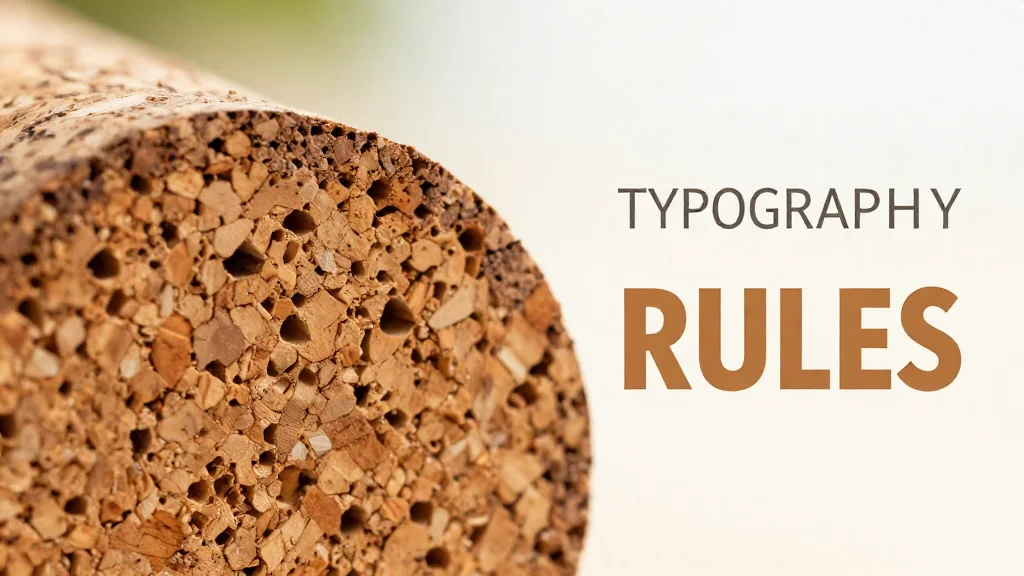
Cork roll flooring stands apart from conventional flooring materials in ways that extend far beyond surface-level aesthetics. The fundamental distinction lies in its composition and the natural properties that emerge from it. Unlike laminate, vinyl, or hardwood, cork board floors feature a layered construction: a cork veneer on top bonded to a natural rubber backing that provides stability and cushioning. This combination creates a flooring system engineered for comfort and longevity in ways that traditional options simply cannot match.
The cellular structure of cork itself is remarkable—it consists of over 50% air, a characteristic that delivers substantial practical benefits. This air-filled composition provides natural cushioning underfoot, creating an anti-fatigue surface that reduces strain on joints and muscles during extended standing or walking. Hardwood, tile, and concrete offer no such relief; they transfer impact directly to your body, which is why cork board flooring has become increasingly popular in homes where comfort matters as much as durability. The resilience means your feet, knees, and lower back experience noticeably less stress throughout the day.
Beyond comfort, cork's inherent chemistry gives it protective properties that competitors cannot claim. Cork bark naturally contains Suberin, a waxy compound that makes cork resistant to water, fire, insects, and microbial growth. This means cork roll flooring resists mold and mildew development more effectively than laminate, which can swell and deteriorate when exposed to moisture. Vinyl, while waterproof, lacks the antimicrobial benefits and often off-gasses harmful chemicals. Hardwood requires constant sealing and maintenance to achieve similar protection—an ongoing expense and effort that cork handles through its molecular structure alone.
The environmental story further differentiates cork from its alternatives. Cork oak trees are harvested every 9 years, with the bark regenerating naturally through each cycle, allowing a single tree to be harvested multiple times throughout its lifespan of over 200 years. Hardwood harvesting depletes forests, laminate relies on petroleum-based resins, and vinyl production generates significant chemical waste. When you choose cork floor boards, you're selecting a material that regenerates and doesn't require tree destruction—a distinction that aligns with the values of homeowners investing in thoughtful remodeling that creates more sustainable living spaces.
Durability and maintenance also reveal important differences. Cork's natural resilience means it bounces back from minor indentations and doesn't dent as easily as hardwood. Laminate and vinyl, while tough, can chip, crack, or show wear patterns that are difficult to repair. Cork's surface can be refreshed with simple refinishing, extending its lifespan to 25 years or more with proper care. The combination of durability, comfort, environmental responsibility, and low-maintenance requirements explains why cork roll flooring has gained traction among designers and homeowners undertaking comprehensive home remodeling projects—it delivers performance across multiple dimensions where traditional options force compromises.
Key Advantages of Installing Cork Roll Flooring in Your Home

Cork roll flooring delivers a compelling combination of benefits that address the practical demands and lifestyle preferences of modern homeowners. Unlike conventional flooring materials, cork performs across multiple dimensions—comfort, durability, environmental responsibility, and aesthetics—making it an intelligent choice for those undertaking thoughtful home remodeling.
Exceptional Comfort and Natural Cushioning
The cellular structure of cork creates a naturally cushioned surface that absorbs impact with each step. This means reduced fatigue during extended periods of standing in kitchens or bathrooms, and a gentler surface underfoot compared to tile or hardwood. The elasticity also makes cork flooring boards particularly suitable for households with young children or elderly family members, where fall protection matters without sacrificing style.
Superior Sound Absorption
Cork reduces foot traffic noise by up to 53%, according to Wicanders WISE Cork Flooring, making it an excellent choice for apartments, multi-story homes, and noise-sensitive areas. This acoustic benefit creates quieter, more peaceful living spaces—aligning with WAREMODEL's philosophy of designing homes that support relaxation and quality time with family.
Thermal Insulation Properties
Cork's natural air pockets provide inherent thermal resistance, helping maintain consistent indoor temperatures and reducing heating and cooling demands. This translates to measurable energy savings over time, particularly in climates with significant temperature fluctuations.
Hypoallergenic and Antimicrobial
The naturally antimicrobial properties of cork resist mold, mildew, and dust mite accumulation. This makes cork flooring boards particularly valuable for households with allergies or respiratory sensitivities, creating healthier indoor environments without relying on chemical treatments.
Long-Lasting Durability
Quality cork flooring can last 30 to 40 years with proper care and maintenance, including regular cleaning, resealing, and protection from heavy furniture. This longevity rivals hardwood while requiring significantly less intensive refinishing, reducing both cost and environmental impact over the material's lifespan.
Visual Warmth and Design Flexibility
Cork's natural grain patterns and warm color palette complement diverse interior styles—from contemporary minimalist spaces to traditional homes. The material adds visual softness without appearing fragile, creating sophisticated, inviting environments that feel both modern and timeless.
Comparing Cork Roll Flooring with Competing Materials
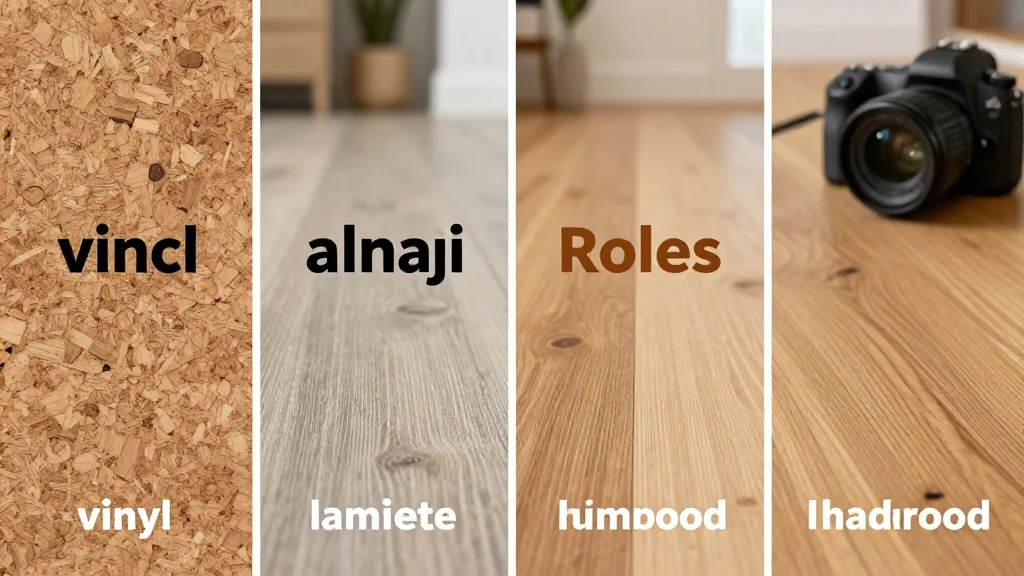
Selecting the right flooring material requires understanding how cork measures against established alternatives. Each option brings distinct advantages and trade-offs across cost, durability, maintenance demands, comfort underfoot, environmental impact, and installation complexity. The following comparison provides a framework for evaluating these materials against your specific priorities and budget constraints.
| Factor | Cork Roll | Vinyl Flooring | Laminate | Hardwood | Engineered Wood |
|---|---|---|---|---|---|
| Cost (per sq ft, installed) | $5–$15 | $2–$10 | $3–$12 | $8–$20+ | $6–$18 |
| Durability | 30–40 years | 10–20 years | 15–25 years | 30–100 years | 20–30 years |
| Moisture Resistance | Moderate (requires sealing) | Excellent | Poor | Poor | Good |
| Maintenance | Moderate (regular sealing, gentle cleaning) | Low (simple sweeping/mopping) | Low (avoid moisture) | High (refinishing, polishing) | Moderate (occasional refinishing) |
| Comfort & Warmth | Excellent (natural insulation, soft underfoot) | Good (cushioned options available) | Fair (harder surface) | Fair (cool, hard) | Fair (varies by construction) |
| Environmental Impact | Excellent (renewable, biodegradable) | Poor (petroleum-based, non-recyclable) | Moderate (some recycled content available) | Moderate (harvesting concerns, long lifespan) | Moderate (mixed materials, lower impact than solid hardwood) |
| Installation Difficulty | Easy to moderate (floating or glued) | Easy (click-lock or glue-down) | Easy (click-lock systems) | Difficult (nailing, finishing required) | Moderate (floating or glue-down) |
| Noise Level | Quiet (natural sound dampening) | Moderate to quiet | Louder (hollow feel) | Louder (hard surface) | Moderate |
| Repair & Replacement | Moderate (individual boards replaceable) | Difficult (seamless repairs challenging) | Moderate (boards replaceable) | Difficult (professional refinishing needed) | Moderate (boards replaceable) |
Cork roll flooring boards emerge as a compelling middle ground for homeowners prioritizing comfort, sustainability, and reasonable maintenance. According to HomeGuide, cork flooring typically costs $5 to $15 per square foot installed, positioning it competitively against most alternatives while delivering superior thermal and acoustic properties.
Vinyl offers the lowest entry cost and minimal maintenance, making it ideal for moisture-prone areas like kitchens and bathrooms. However, its petroleum-based composition and limited lifespan raise environmental concerns for eco-conscious households. Laminate similarly provides budget-friendly durability but generates hollow, cold surfaces and struggles with moisture exposure—a significant limitation in humid climates.
Traditional hardwood commands premium pricing and delivers unmatched longevity, yet demands professional refinishing every 7–10 years and remains vulnerable to moisture damage. Engineered wood balances hardwood aesthetics with improved stability, though it typically cannot be refinished multiple times like solid wood.
Cork's natural elasticity and temperature-regulating properties create superior underfoot comfort compared to rigid alternatives. When paired with proper installation techniques and sealing protocols, cork flooring boards resist moisture effectively while maintaining aesthetic warmth. The material's antimicrobial surface and renewable origin align with modern sustainability standards, appealing to homeowners seeking flooring that reflects both practical durability and environmental responsibility.
Your choice ultimately depends on weighing upfront investment against long-term maintenance costs, climate conditions, aesthetic preferences, and sustainability values. Cork delivers exceptional value for those balancing comfort, environmental stewardship, and reasonable lifecycle costs.
Step-by-Step Installation Process for Cork Roll Flooring
Installing cork roll flooring successfully hinges on meticulous preparation and understanding each phase of the process. Whether you're a confident DIY enthusiast or reviewing procedures before hiring professionals, mastering these steps ensures your cork flooring boards perform optimally for years to come. Proper installation directly impacts durability, moisture resistance, and the material's natural comfort underfoot—elements that distinguish cork from conventional alternatives.
Prerequisites & Preparation
Before beginning installation, gather essential tools: a utility knife, straightedge, cork adhesive (specifically formulated for cork roll flooring), a notched trowel, roller or hand tamper, measuring tape, and moisture meter. You'll need 3–5 hours for a typical room, depending on square footage and subfloor complexity. Difficulty level is moderate; the process demands precision rather than specialized skills.
Inspect your subfloor thoroughly. Cork roll flooring requires a stable, clean, and dry substrate—concrete, plywood, or existing hardwood all work, provided they're level within 1/8 inch over 10 feet. Moisture content must measure below 12% for wood subfloors and below 3% for concrete, measured with a moisture meter. Any deviation risks adhesive failure and mold growth beneath the cork. Proper sealing protocols applied during and after installation further protect against moisture infiltration. Remove baseboards, fill gaps, and sand high spots. Allow the space to acclimate to room temperature (65–75°F) and humidity (35–55%) for 48 hours before installation begins.
Step-by-Step Installation
Step 1: Measure and Plan Layout (15–20 minutes)
Calculate total square footage and add 10% for waste and cuts. Determine your starting point—typically the longest wall or center of the room for visual balance. Snap chalk lines to establish reference points. This planning phase prevents costly mistakes and ensures symmetrical appearance.
Step 2: Apply Adhesive to Subfloor (20–30 minutes)
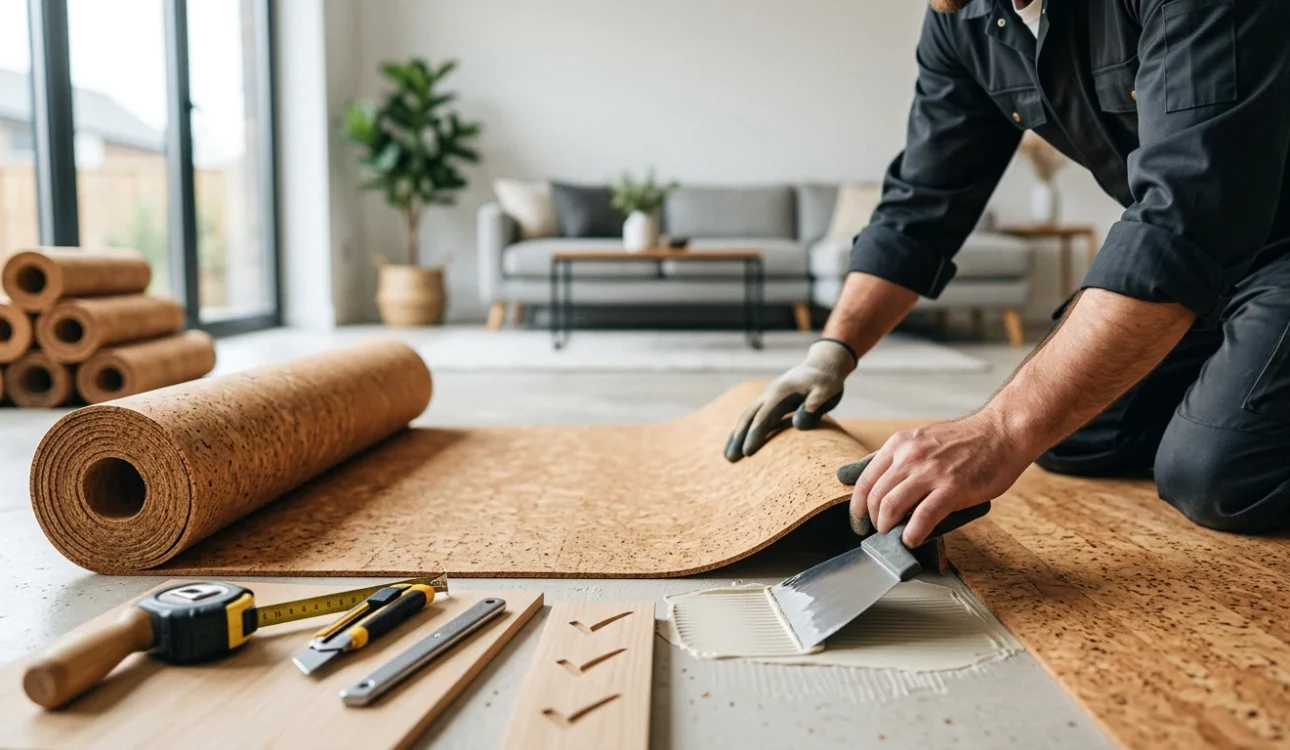
Using a notched trowel (typically 1/4 inch), spread cork flooring adhesive in small sections—approximately 3 feet × 3 feet—working systematically across the room. The notches create uniform ridges that ensure proper contact between roll and substrate. Avoid over-application; excess adhesive squeezes into seams and complicates cleanup. Work in manageable sections to prevent the adhesive from skinning over before cork installation.
Step 3: Unroll and Position Cork (30–45 minutes)
Carefully unroll cork roll flooring into the adhesive bed, pressing firmly as you advance. Work from one end to the other, smoothing out air pockets with a hand roller or broom handle. Cork rolls are flexible but require firm, even pressure—insufficient contact leaves voids that compromise structural integrity and comfort. Ensure seams align tightly; gaps invite moisture penetration.
Step 4: Cut and Fit Edges (20–30 minutes)
Using a straightedge and utility knife, trim cork at walls, doorways, and obstacles. Make multiple shallow passes rather than forcing a single cut—this prevents tearing and ragged edges. Account for a 1/4-inch expansion gap at perimeter walls; cork naturally expands and contracts with humidity changes. This gap accommodates movement without buckling or cracking.
Step 5: Seal Seams and Surfaces (Variable)
Once adhesive cures (typically 24 hours), apply a water-based polyurethane or cork-specific sealant to all seams and the entire surface. This critical step creates a moisture barrier and extends lifespan significantly. Use a paintbrush or foam applicator for even coverage. Allow full cure time (48–72 hours) before foot traffic.
Step 6: Reinstall Baseboards and Final Inspection (15–20 minutes)
Once sealant hardens completely, reattach baseboards, covering the expansion gap. Inspect the entire floor for adhesive residue, ensure seams are flush, and confirm the surface feels uniform underfoot.
Common Installation Mistakes
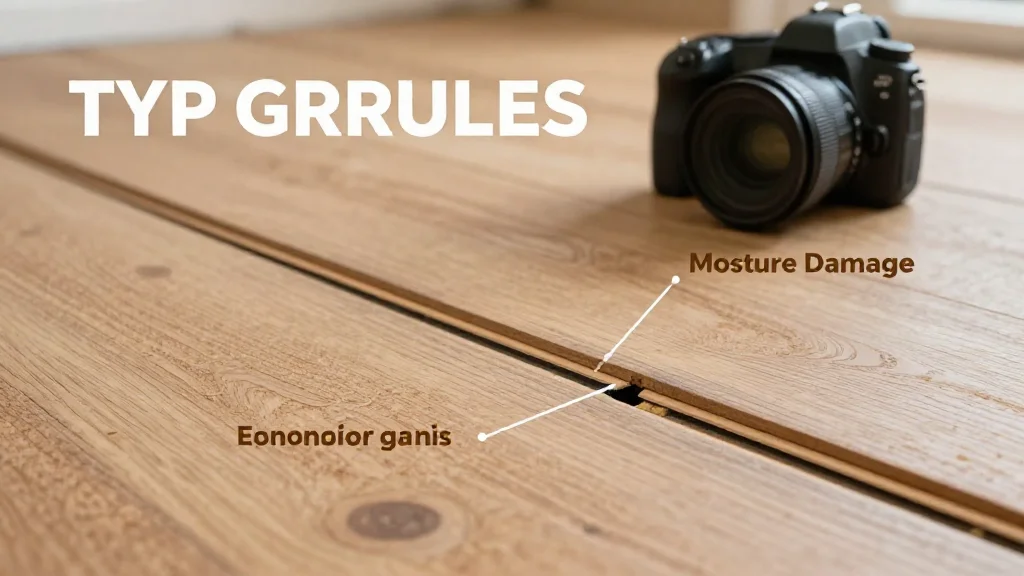
Skipping moisture testing tops the list of failures. Excess subfloor moisture causes adhesive breakdown and mold growth within weeks. Always verify moisture levels before beginning.
Inadequate adhesive coverage leaves hollow spots that feel soft underfoot and eventually separate. Press firmly and use the notched trowel consistently.
Insufficient sealing exposes cork to moisture, degrading the material despite its natural resistance. Treat sealing as non-negotiable, not optional.
Rushing adhesive cure time invites shifting and poor bond strength. Respect manufacturer cure windows—typically 24 hours minimum before foot traffic.
Ignoring expansion gaps causes buckling as cork naturally responds to humidity. The 1/4-inch perimeter gap is essential, not cosmetic.
When Professional Installation Makes Sense
Complex layouts, radiant heating systems, or compromised subfloors warrant professional installation. Companies like WAREMODEL specialize in flooring solutions that integrate seamlessly with broader home remodeling projects, ensuring cork flooring complements your overall design vision while maximizing functionality and durability.
Essential Maintenance and Care Tips for Long-Lasting Cork Floors
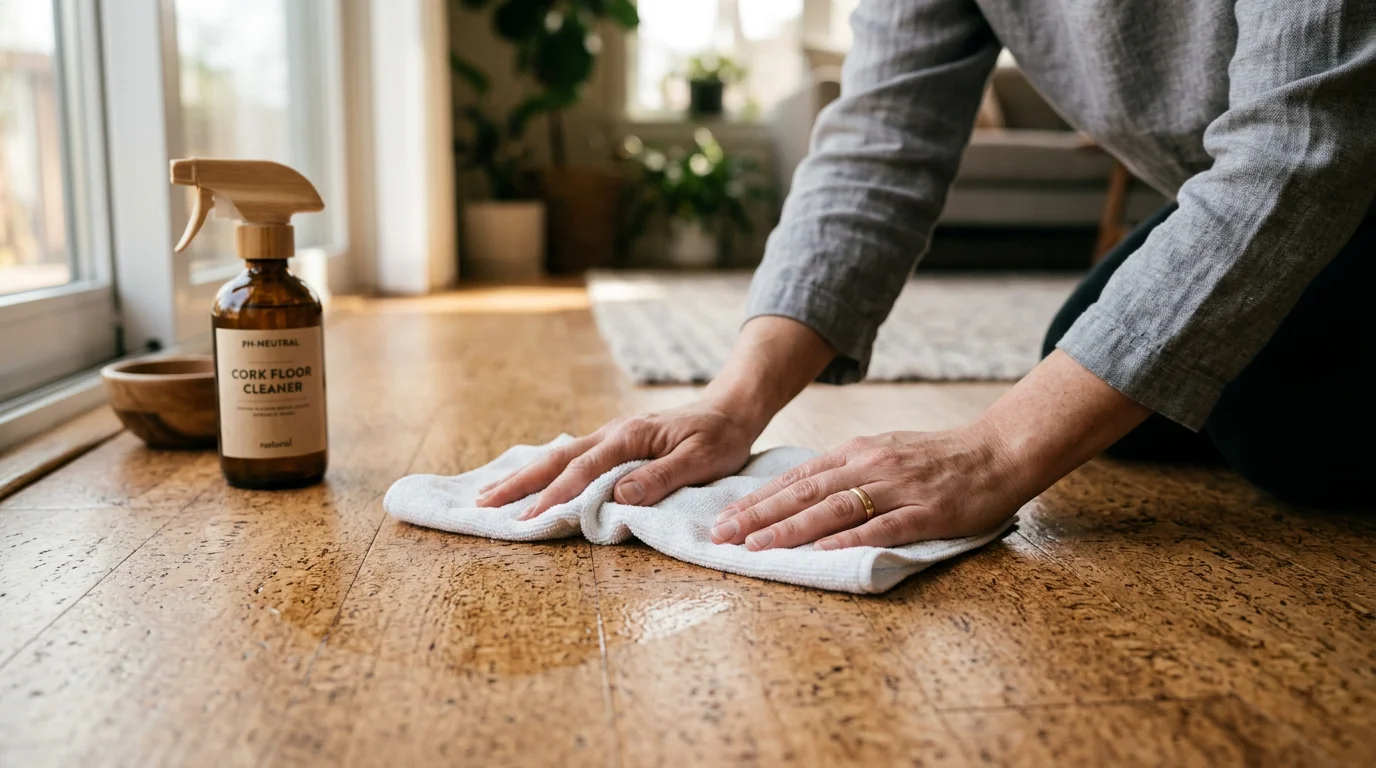
Maintaining cork board floors requires a straightforward approach that balances protection with practicality. Unlike harder materials that demand aggressive scrubbing, cork responds best to gentle, consistent care that preserves its natural integrity while protecting against the elements that threaten its longevity.
Daily and Weekly Cleaning Practices
Begin with prevention rather than remediation. Sweep or vacuum your cork floors regularly using soft-bristle brushes or felt-pad attachments—never wire brushes, which can scratch the surface. Dust and grit act like abrasives underfoot, gradually wearing away the protective finish. For spills, address them immediately with a damp (not wet) cloth. The distinction matters: excess moisture seeping into cork's porous structure invites mold and accelerates deterioration. Wring out your cloth thoroughly before wiping, and dry the area completely afterward.
Weekly damp mopping using pH-neutral cleaners specifically formulated for cork keeps surfaces fresh without compromising the sealant. Avoid vinegar-based solutions, bleach, or general-purpose floor cleaners—these strip protective coatings and leave residue that dulls the finish. Products designed for cork board floors care typically cost $15–30 per bottle and last several months with normal use.
Protecting Against Moisture and Damage
Water is cork's primary adversary. Place mats at entry points to capture moisture before it reaches the floor, and use coasters under glasses and planters. Felt pads beneath furniture prevent both scratching and the moisture trapping that occurs when objects sit stationary for extended periods. In kitchens and bathrooms—high-moisture areas—ensure adequate ventilation through exhaust fans or open windows to minimize humidity accumulation.
Pet accidents demand immediate attention. Urine penetrates cork quickly, causing discoloration and odor that standard cleaning cannot reverse. Blot spills with absorbent cloth, then clean with enzyme-based pet odor neutralizers rather than ammonia-based products.
Periodic Sealing and Restoration
Cork floors should be resealed every 3 to 5 years with a protective sealant to maintain water resistance and extend the floor's lifespan, according to iStone Floors. This isn't optional maintenance—it's the cornerstone of long-term durability. Between professional resealing, you can maintain the finish with cork-specific polish products that restore luster and add a thin protective layer.
High-traffic areas naturally show wear faster. Rather than replacing sections, consider strategic resealing of worn zones or applying acrylic finish restorers designed for cork. These products are far more economical than full replacement and restore appearance within hours.
When integrating cork flooring into larger home renovation projects, companies like WAREMODEL can coordinate installation and maintenance planning with your overall remodeling timeline, ensuring your flooring investment aligns with broader design and durability goals.
Addressing Common Damage and Stains
Minor surface scratches blend with cork's natural grain and rarely require intervention. Deeper gouges can be treated with cork repair markers or wood filler matched to your floor's tone. For stubborn stains—wine, coffee, or pet accidents—paste made from baking soda and minimal water applied for 10–15 minutes often lifts discoloration without damaging the finish.
Never use abrasive scouring pads or pressure washers. These destroy the protective sealant and expose cork to moisture infiltration. Patience and gentle methods consistently outperform aggressive cleaning techniques.
Choosing the Right Cork Roll Flooring for Your Space
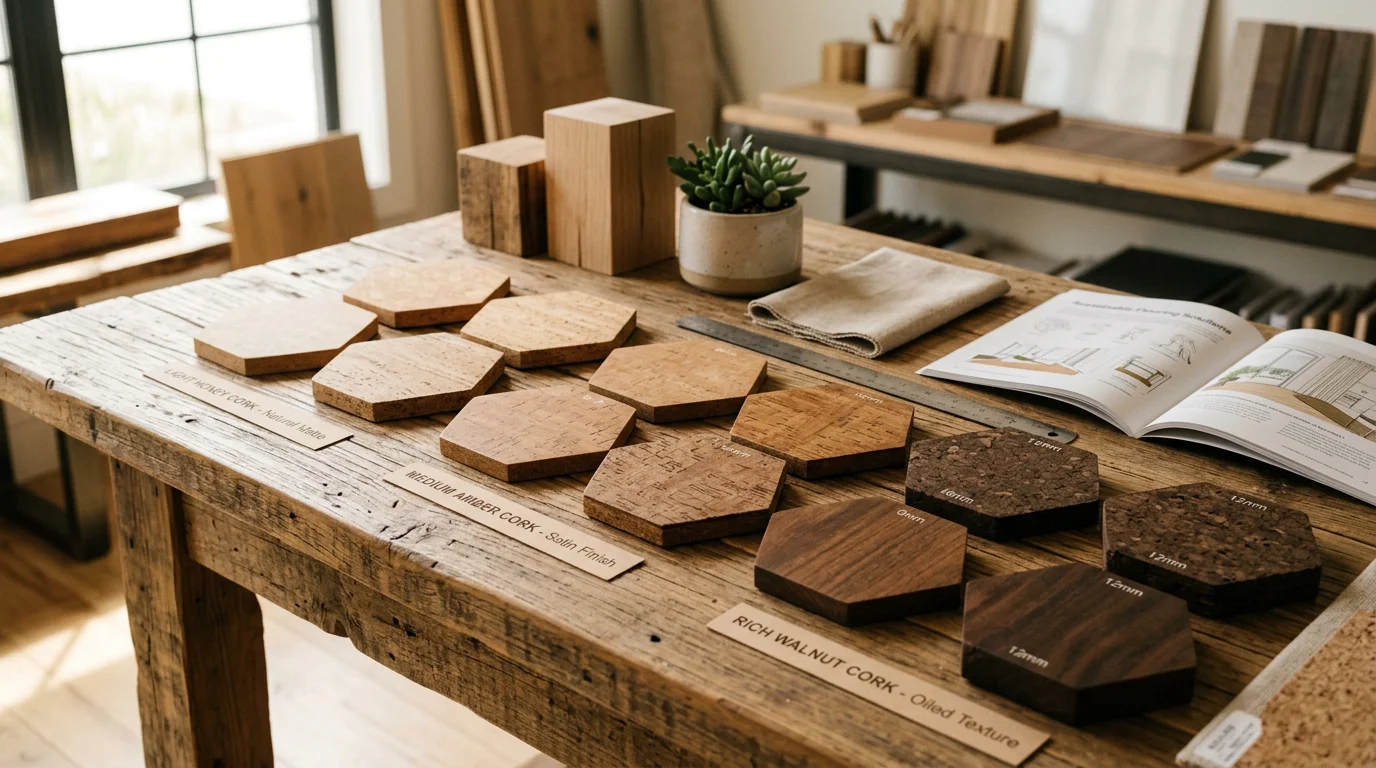
Selecting cork roll flooring requires balancing aesthetic vision, functional demands, and budget constraints. Unlike rigid planks that demand precise measurements during selection, cork rolls offer flexibility in how you approach the decision-making process—but that flexibility also means understanding several key variables before committing to a purchase.
Thickness and Density Considerations
Cork flooring boards selection begins with understanding thickness, which typically ranges from 4 to 12 millimeters. Thinner options (4–6 mm) work well for spaces with stable subfloors and moderate foot traffic, such as bedrooms or home offices. Thicker installations (9–12 mm) provide superior sound dampening and cushioning, making them ideal for kitchens, living areas, and homes with children or pets. Density ratings matter equally—higher-density cork resists compression better in high-traffic zones and extends the lifespan before visible wear appears. When evaluating cork floor boards options, prioritize density ratings alongside thickness to ensure your choice handles your household's actual usage patterns rather than theoretical ones.
Color, Grain, and Visual Character
Cork's natural variation means no two rolls are identical. Lighter tones—ranging from pale honey to warm beige—create an airy, contemporary feel that pairs effortlessly with minimalist or Scandinavian design schemes. Medium and darker cork varieties introduce richness and sophistication, grounding spaces with visual depth and masking minor imperfections more effectively than lighter alternatives. Grain patterns vary from fine, uniform textures to pronounced, rustic markings that emphasize cork's organic origin. Your choice should reflect how the flooring integrates with wall colors, cabinetry, and furnishings already planned for the space. Hold samples under your home's actual lighting conditions for several days—artificial store lighting distorts perception significantly.
Finish Types and Performance
Three primary finish categories exist: matte, satin, and glossy. Matte finishes deliver understated elegance and hide fingerprints and dust more effectively, though they require slightly more frequent maintenance. Satin finishes strike a practical middle ground, offering subtle sheen that enhances the cork's natural warmth without creating glare or maintenance headaches. Glossy finishes amplify light reflection and visual drama but demand rigorous cleaning schedules and become slippery when wet. Pre-finished cork arrives factory-sealed with polyurethane or water-based acrylic, eliminating on-site finishing work. Site-finished cork allows customization but extends installation timelines and requires professional application equipment.
Room-Specific Selection Strategy
Different spaces demand different priorities. Kitchens and bathrooms benefit from thicker, denser cork with water-resistant finishes—moisture exposure is inevitable, and durability becomes non-negotiable. Bedrooms and offices can embrace lighter options that prioritize acoustic comfort and visual softness. Entryways and hallways experience concentrated foot traffic, requiring maximum density and robust surface protection. When planning larger home renovation projects that integrate cork flooring alongside other remodeling work, WAREMODEL can help coordinate material selections across multiple zones, ensuring visual cohesion and functional appropriateness throughout your redesigned spaces.
Budget Alignment and Long-Term Value
Premium cork options cost 20–40% more than budget alternatives but deliver noticeably superior durability and aesthetic refinement. Mid-range selections offer exceptional value, combining solid performance with aesthetic appeal that satisfies most homeowners without excess spending. Budget cork works adequately in low-traffic secondary spaces but may show wear within 5–7 years in demanding environments. Calculate per-square-foot costs alongside expected lifespan—a more expensive installation that lasts fifteen years often proves more economical than cheaper flooring requiring replacement after eight years.
Cost Analysis: Budget Planning for Cork Roll Flooring Projects
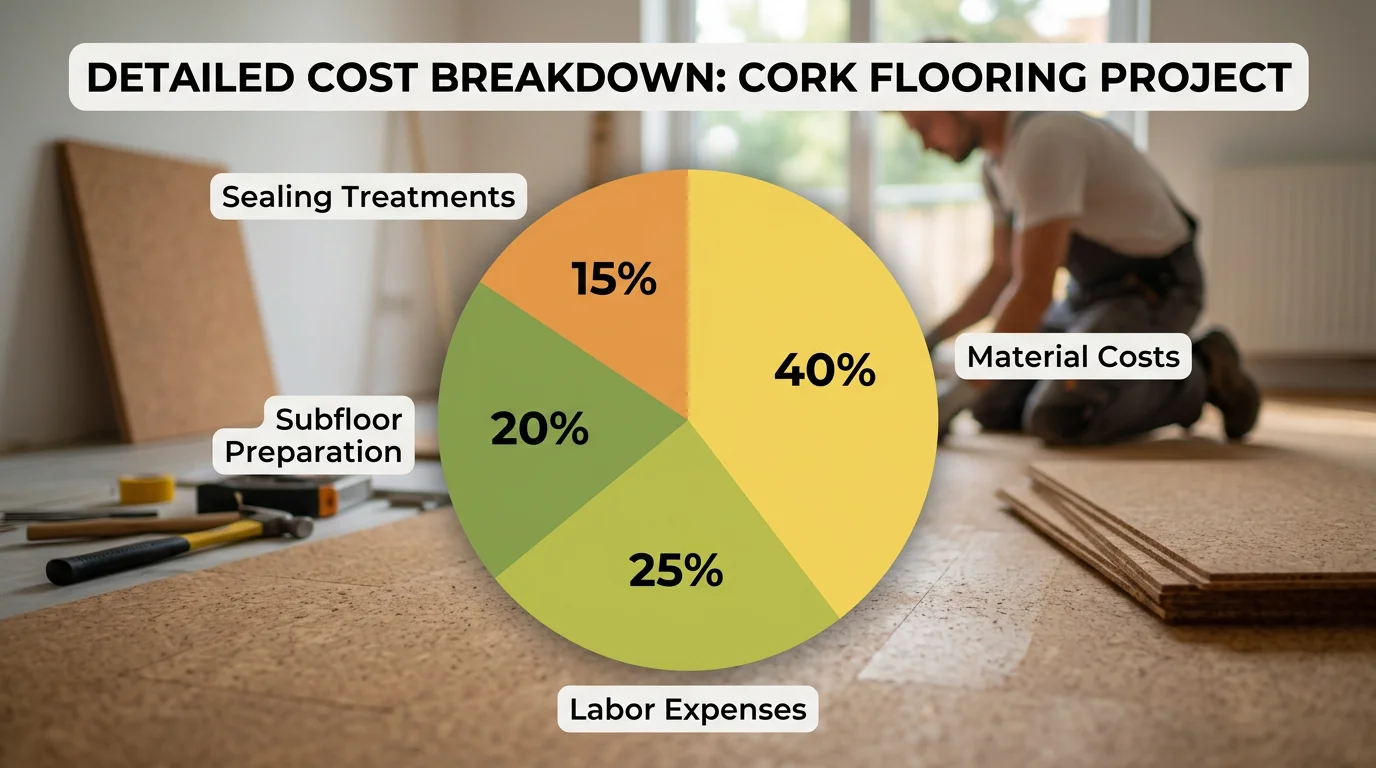
Understanding the financial investment required for cork roll flooring demands a granular look at material costs, labor expenses, and the often-overlooked hidden charges that emerge during installation. According to HomeWyse data from January 2026, total installation costs range from $6.91 to $9.88 per square foot when combining materials and labor, though project-specific variables can push this range between $5 and $19 per square foot depending on quality tier and installation methodology. This variance reflects the distinction between budget-conscious selections and premium cork investments—a critical consideration when planning your remodeling budget.
Material costs typically dominate the equation. Budget cork rolls cost $2–$4 per square foot, mid-range options run $4–$8 per square foot, and premium selections exceed $8 per square foot. Installation labor introduces its own complexity: glue-down installations average $2–$5 per square foot, while floating tiles or planks command $5–$7+ per square foot due to increased precision and subfloor preparation demands. Beyond these primary expenses, account for substrate preparation ($1–$3 per square foot if existing flooring requires removal or leveling), underlayment materials ($0.50–$1.50 per square foot), adhesives and sealants ($200–$400 total), and specialized tools or equipment rental if you're managing installation yourself.
| Cost Component | Budget Range | Notes |
|---|---|---|
| Cork Material | $2–$12/sq ft | Varies by quality and thickness |
| Labor (Glue-Down) | $2–$5/sq ft | Straightforward installation method |
| Labor (Floating) | $5–$7+/sq ft | Requires precision and subfloor work |
| Subfloor Prep | $1–$3/sq ft | Removal, leveling, repairs |
| Underlayment | $0.50–$1.50/sq ft | Moisture barrier and acoustic support |
| Adhesives/Sealants | $200–$400 | Project-dependent quantity |
| Total (Per Sq Ft) | $6.91–$9.88 | Combined materials + labor average |
Hidden costs frequently catch homeowners unprepared. Removing existing flooring may reveal structural damage requiring repair before cork installation proceeds. Moisture testing becomes essential in basements or kitchens—if subfloor moisture levels exceed acceptable thresholds, remediation adds significant expense. Custom edge finishing, transitions between rooms, and built-in trim work increase labor time. Sealing and finishing applications, while technically maintenance rather than installation, should be budgeted at project inception.
Calculating return on investment requires viewing cork flooring investment through a longevity lens. A premium installation costing $15,000 for 1,500 square feet will last 15–20 years with proper care, yielding an annual cost of roughly $750–$1,000. Budget flooring at $7,500 might require replacement within 8–10 years, pushing annual costs to $750–$937. When you factor in energy savings from cork's insulating properties—reducing heating costs by 5–10% annually—and the elimination of replacement cycles, premium cork often delivers superior lifetime value despite higher upfront investment.
When coordinating cork flooring with broader home remodeling projects, WAREMODEL can help align your cork selections with complementary materials and finishes, ensuring both visual consistency and cost-efficient purchasing across multiple renovation zones. Request itemized quotes that distinguish material from labor, clarify whether subfloor preparation is included, and confirm whether sealing or finishing treatments are part of the contract. This transparency transforms cost analysis from guesswork into actionable financial planning.
Frequently Asked Questions About Cork Roll Flooring
Is cork flooring truly waterproof? Cork flooring is water-resistant rather than waterproof—a critical distinction for homeowners. According to HomeGuide's flooring cost analysis, specialized glue-down cork tiles with proper sealing can perform adequately in bathrooms and kitchens where occasional spills occur. However, standing water or prolonged moisture exposure will damage cork, making it unsuitable for areas prone to flooding or constant wet conditions. Basements present particular challenges; unless your basement remains exceptionally dry year-round, cork flooring concerns about moisture damage make alternative materials more prudent. The key lies in sealing—quality polyurethane or water-based finishes create a protective barrier that handles everyday spills, but they're not substitutes for waterproofing membranes.
Can cork flooring handle pets and heavy traffic? Cork's natural resilience surprises many homeowners. The material compresses under weight but recovers, meaning pet claws and furniture legs won't create permanent indentations as readily as softer woods. However, cork floor durability depends heavily on maintenance. Sharp claws can gouge the surface if pets aren't regularly groomed, and urine accidents left unattended will penetrate the finish and stain the material permanently. High-traffic corridors perform well in cork, though you'll notice subtle wear patterns over 10–15 years—a characteristic many find adds authentic character rather than detracting from appeal.
Will cork fade in sunlight? Cork naturally darkens with age and UV exposure, but this isn't fading so much as gradual patina development. Direct sunlight streaming through unobstructed windows will accelerate color shifts, sometimes creating uneven tones if furniture or rugs block light. Using UV-filtering window treatments or rotating area rugs periodically minimizes this effect. Most homeowners find the subtle darkening enhances warmth and depth rather than diminishing aesthetic appeal.
What about installation in kitchens? Cork works exceptionally well in kitchens when sealed properly. The insulating properties reduce fatigue when standing at counters, and the slight give underfoot feels comfortable during extended meal preparation. Spills from cooking are manageable with prompt cleanup, though you'll want to avoid prolonged exposure to standing water near sinks or dishwashers. Ensure your installer applies multiple sealing coats and that your kitchen includes proper ventilation to manage humidity fluctuations that can cause cork to expand or contract.
When planning cork installation across your home, WAREMODEL can coordinate flooring selections with complementary kitchen and bathroom materials, ensuring visual consistency while optimizing moisture management in high-risk zones.
Making Your Cork Roll Flooring Decision: Final Recommendations for 2025 and Beyond
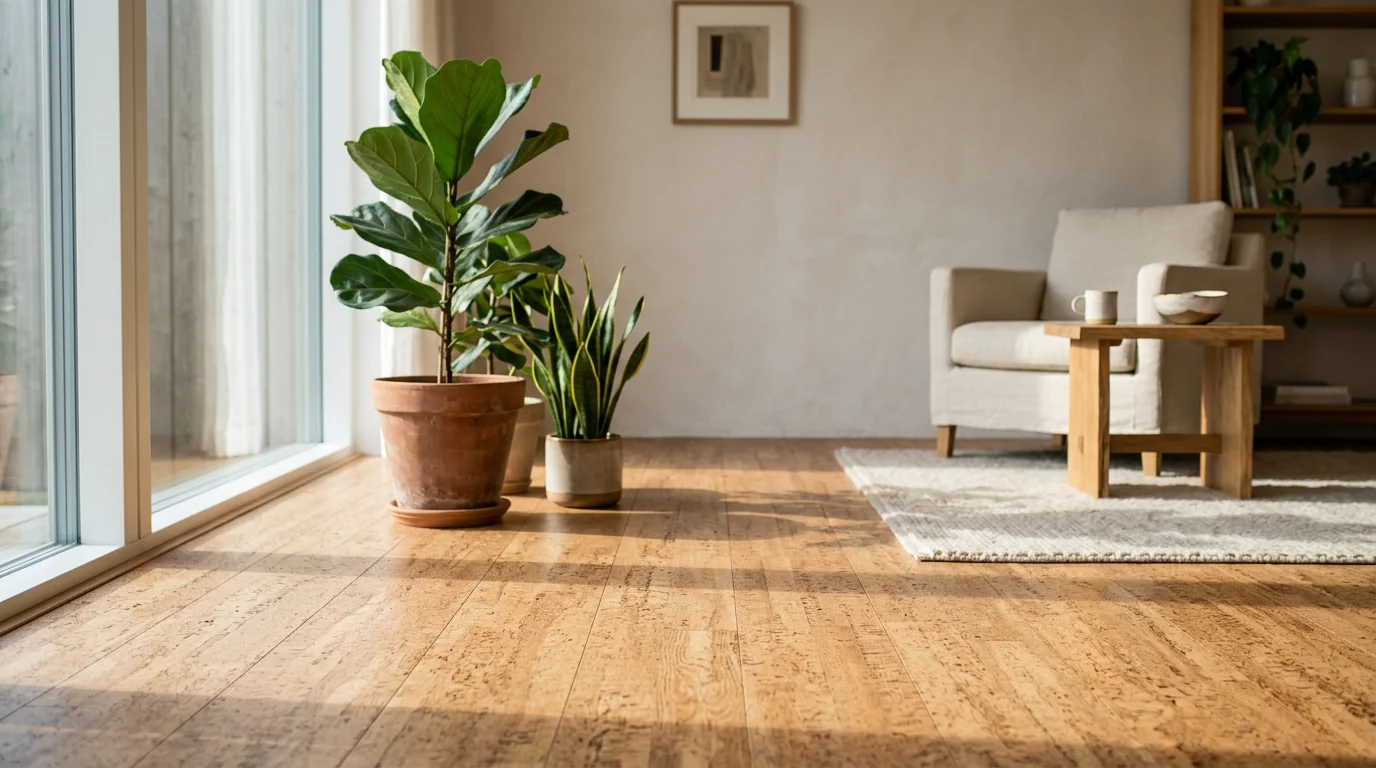
Cork roll flooring has emerged as a compelling choice for homeowners pursuing sustainable home remodeling without sacrificing comfort, durability, or visual sophistication. The convergence of environmental responsibility, acoustic benefits, thermal insulation, and distinctive aesthetic appeal creates a flooring solution that addresses both practical demands and lifestyle aspirations. Unlike trend-driven materials that fade from relevance, cork's performance characteristics and timeless warmth have demonstrated staying power across residential design preferences.
The decision to invest in cork flooring ultimately reflects a commitment to long-term value rather than short-term cost reduction. While initial material and installation expenses exceed some conventional alternatives, the extended lifespan—often 20 to 30 years with proper maintenance—combined with reduced replacement cycles and energy savings from superior insulation, positions cork as a financially prudent investment. Homeowners consistently report satisfaction with how cork transforms living spaces, creating environments that feel warmer underfoot and acoustically refined compared to harder materials.
If you're ready to explore cork roll flooring options for your home, WAREMODEL's remodeling professionals can guide you through material selection, installation planning, and integration with complementary design elements throughout your space. The team understands how cork coordinates with kitchen finishes, bathroom moisture management, and overall aesthetic continuity—ensuring your flooring choice amplifies rather than complicates your broader renovation vision.
The path forward requires consulting with experienced installers who can assess your specific conditions, recommend appropriate sealing protocols, and execute installation with precision. Whether you're renovating a single room or reimagining your entire home's foundation, cork roll flooring delivers the durability, comfort, and environmental alignment that define thoughtful home design for 2025 and beyond.