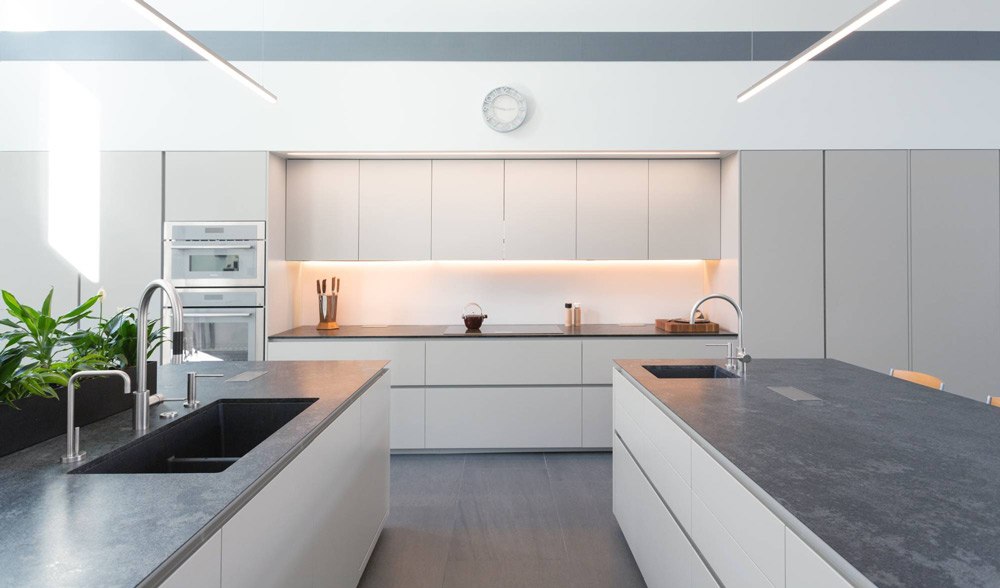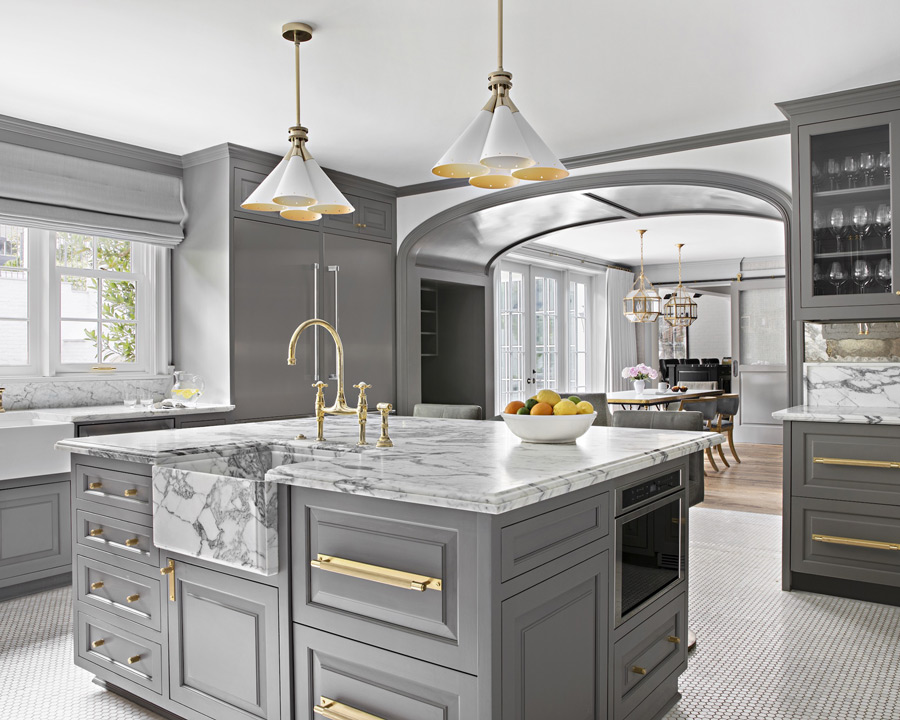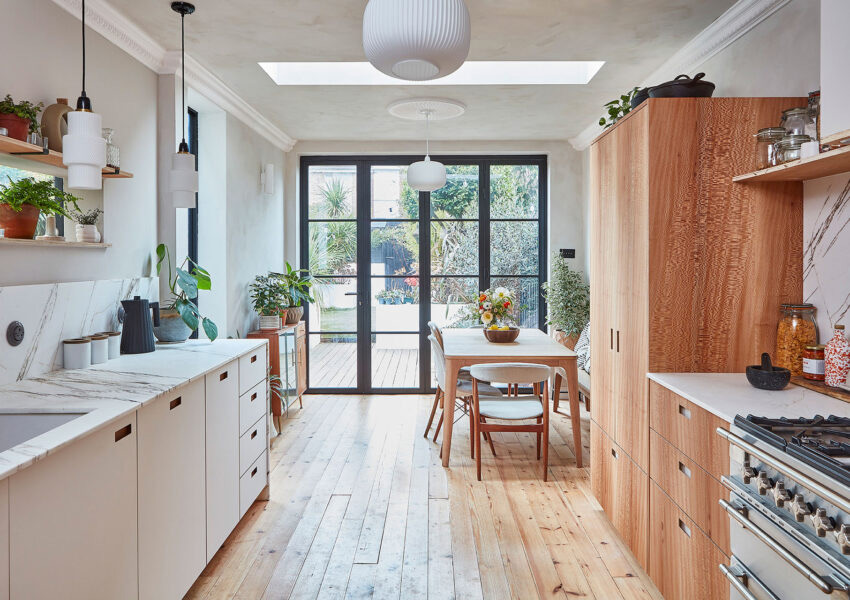

A beautifully remodeled Seattle bathroom showcasing contemporary design elements and quality craftsmanship
Planning a bathroom renovation in the Emerald City? You're not alone. Bathroom remodeling in Seattle has surged in 2025, with homeowners seeking to modernize outdated spaces while addressing the unique challenges of Pacific Northwest living—think moisture management, natural light optimization, and creating spa-like retreats from our rainy climate. But where do you start? What permits do you need? And how much should you actually budget?
This FAQ guide answers the real questions Seattle homeowners ask when they're ready to transform their bathrooms. We've organized everything you need to know, from initial planning to final walkthrough, based on hundreds of local projects across King County.
Quick Answer:
Bathroom remodeling in Seattle typically costs $25,000-$65,000 for a full renovation in 2025, requires city permits for most projects, and takes 4-8 weeks to complete. Key considerations include moisture control for our climate, energy-efficient fixtures, and working with licensed contractors familiar with Seattle building codes. Most homeowners see 60-70% ROI on mid-range bathroom remodels.Key Takeaways:
- Permits Required: Seattle requires permits for plumbing, electrical, and structural work—expect 2-4 weeks for approval
- Climate Matters: Pacific Northwest humidity demands proper ventilation (minimum 50 CFM exhaust fans) and moisture-resistant materials
- Timeline Reality: Full bathroom remodels take 6-8 weeks; partial updates can be done in 3-4 weeks with proper planning
Table of Contents
- Getting Started: Planning & Budget Questions
- Permits, Regulations & Seattle-Specific Requirements
- Design & Style Questions for Seattle Homes
- Cost & Pricing Questions
- Timeline & Project Management
- Materials & Fixtures for Pacific Northwest Climate
- Contractor Selection & Working with Professionals
- Common Problems & Solutions
- FAQ Section
Getting Started: Planning & Budget Questions
What’s the first step in planning bathroom remodeling in Seattle?
Start with a clear assessment of your current bathroom's problems and your renovation goals. Walk through your space and document what's not working—inadequate storage, poor lighting, outdated fixtures, or moisture damage (common in Seattle's climate). Then establish a realistic budget before contacting contractors. At WAREMODEL, we've guided hundreds of King County homeowners through this exact process. The first step is creating a list of must-have changes and desired upgrades, which serves as the foundation for your renovation plan. Setting aside 5-15% of your total budget for contingencies helps cover unexpected expenses like hidden water damage or outdated wiring—common discoveries in Seattle's older housing stock.
How much should I budget for bathroom remodeling in Seattle?
In 2025, the average bathroom remodel in the Seattle area ranges from $20,000 to $45,000+, depending on the size, scope, and level of customization. But here's what really matters: understanding where your money goes.
Understanding your budget breakdown helps prioritize spending for maximum impact in your Seattle bathroom remodel
For a midrange bathroom remodel in Seattle, which averages $32,758 according to the 2024 Cost vs. Value Report, homeowners can expect an ROI of about 67%. This means you might see a resale value increase of approximately $21,000 after completing a standard remodel with durable finishes and quality fixtures.
Here's a typical budget breakdown for bathroom remodeling in Seattle:
| Category | Percentage of Budget | Cost Range (Mid-Range $35,000 Remodel) |
|---|---|---|
| Labor | 40-60% | $14,000-$21,000 |
| Plumbing & Fixtures | 15-20% | $5,250-$7,000 |
| Tile & Flooring | 10-15% | $3,500-$5,250 |
| Vanity & Countertops | 8-12% | $2,800-$4,200 |
| Lighting & Electrical | 5-8% | $1,750-$2,800 |
| Permits & Inspections | 3-5% | $1,050-$1,750 |
| Contingency | 10-15% | $3,500-$5,250 |
Pro tip: Always set aside 15-20% of your total budget for unexpected issues. In Seattle's older homes (many built before 1980), we regularly discover outdated plumbing, hidden water damage, or asbestos that needs remediation.
What should I prioritize if I’m on a tight budget?
If you're working with a limited budget for bathroom remodeling in Seattle, focus on the upgrades that deliver the most visual impact and functional improvement without requiring extensive plumbing or electrical work.
High-Impact, Budget-Friendly Updates:
- Fresh paint and lighting ($500-$1,500): New LED fixtures and moisture-resistant paint can transform the space
- Updated vanity ($800-$2,500): Replacing an outdated vanity instantly modernizes the bathroom
- Hardware and fixtures ($200-$600): New faucets, drawer pulls, and towel bars make a surprising difference
- Mirror upgrade ($150-$800): A modern, framed mirror or medicine cabinet adds style and storage
- Refinishing vs. replacing ($400-$800): Reglazing your tub or refinishing tile costs a fraction of replacement
What to avoid on a tight budget:
- Moving plumbing fixtures (adds $2,000-$5,000+ in labor)
- Structural changes like removing walls
- Custom cabinetry (choose semi-custom or stock options instead)
- Luxury materials like marble or high-end tile
At WAREMODEL, we help homeowners prioritize their wish lists based on their actual budget. Sometimes a phased approach—doing cosmetic updates now and saving major plumbing changes for later—makes the most financial sense.
Permits, Regulations & Seattle-Specific Requirements
Do I need permits for bathroom remodeling in Seattle?
Yes, most bathroom remodeling projects in Seattle require permits. The rule of thumb is simple: if you're changing the look, you're probably fine—but if you're changing the structure, plumbing, or electrical, you need a permit. The city of Seattle does not require permits for minor repairs or alterations that cost $6,000 or less within a 6-month period. However, even if your project is under this threshold, you still need permits for:
- Plumbing work: Moving fixtures, upgrading drains (Seattle requires 2" drains for showers; many older homes have 1.5"), or replacing galvanized pipes
- Electrical work: Adding circuits, relocating outlets, or installing new lighting
- Building/structural changes: Opening walls, removing fixtures, or altering the layout
Permit Timeline in 2025:
Seattle's permitting process has been notoriously slow, but new state regulations (SB 5290) aim to speed things up. While the process should be faster later in the year, expect possible slowdowns in early 2025 as the city works through existing applications. Plan ahead and apply early to avoid delays.
- Subject-to-Field-Inspection (STFI) permits: 1-2 days for simple projects
- Full building permits: 6-8 weeks for complex remodels
- Permit fees: Typically 1.5-2% of project cost (a $35,000 remodel would cost $525-$700 in permits)
For more detailed guidance on Seattle's permit process, check out our article on Seattle WA Bathroom Remodel: Permit Requirements & Project Timeline.
What are Seattle’s specific requirements for bathroom ventilation?
This is huge for our climate. Bathrooms, toilet rooms, and kitchens shall include a local exhaust system. Such local exhaust systems shall have the capacity to exhaust the minimum airflow rate in accordance with code requirements.
For bathrooms with bathing facilities (showers or tubs), you need an exhaust fan with minimum 80 CFM controlled by a dehumidistat or timer. The maximum sound rating is 3 sones for intermittent-use fans.
Why this matters in Seattle:
Our Pacific Northwest climate brings constant moisture—150+ days of precipitation annually. Without proper ventilation, you're inviting mold, mildew, and structural damage. I've seen too many beautiful bathroom remodels ruined by inadequate ventilation that allowed moisture to accumulate behind walls.
WAREMODEL's approach: We install fans rated at minimum 50 CFM for intermittent use or 20 CFM for continuous operation, always ducted directly to the exterior. We never exhaust into attics or crawl spaces—a common shortcut that causes expensive problems down the road.
Design & Style Questions for Seattle Homes
What bathroom styles work best in Seattle homes?
Seattle's housing stock is diverse—from 1920s Craftsman bungalows to modern townhomes—so your design should complement your home's architectural character while addressing our unique climate challenges.
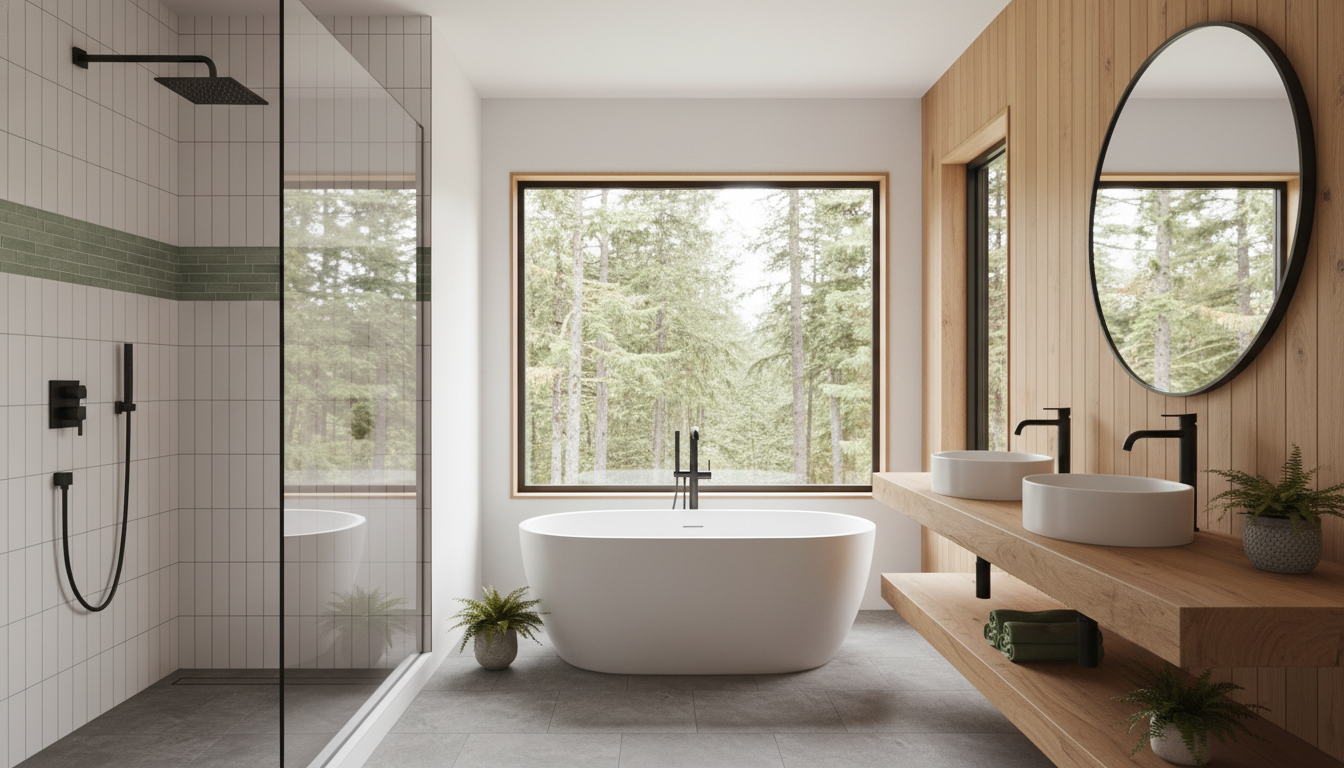
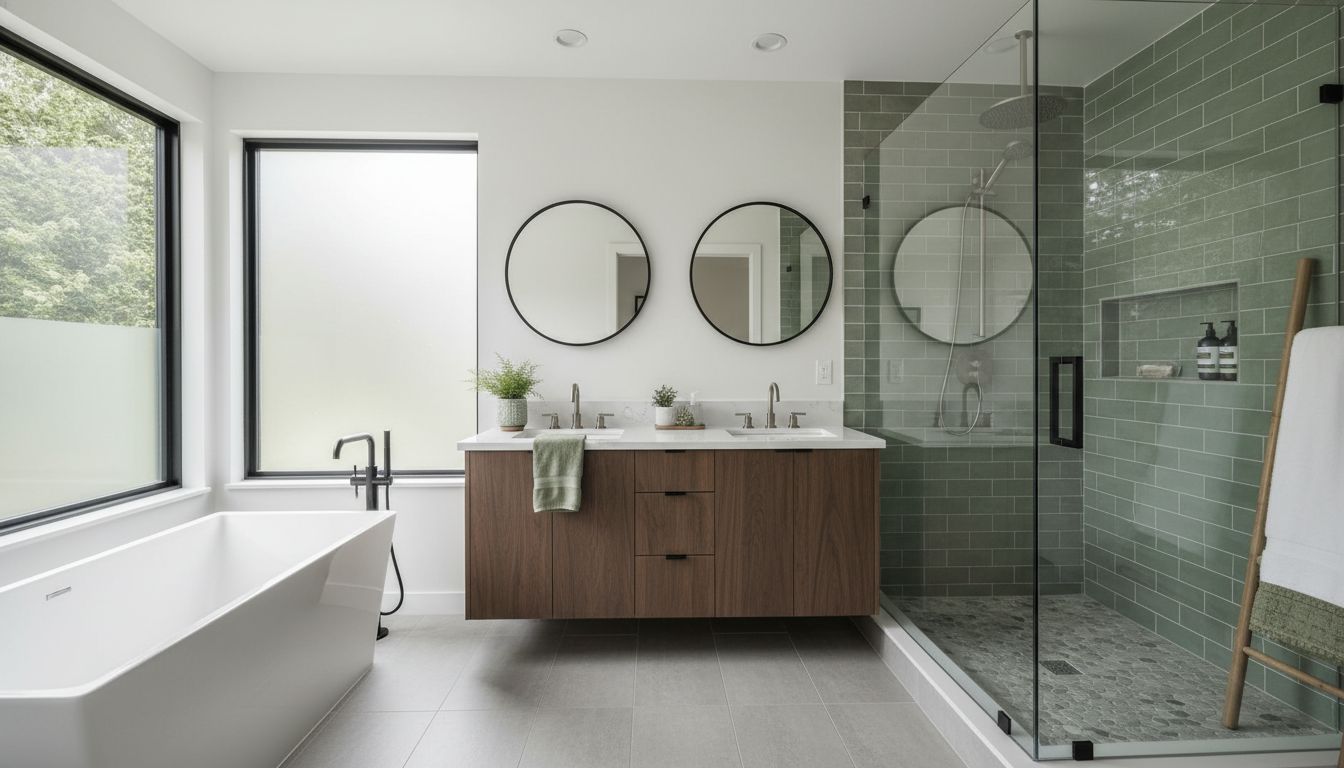
Pacific Northwest bathroom design balances modern aesthetics with moisture-resistant materials perfect for Seattle's climate
Popular Seattle bathroom styles in 2025:
Modern Pacific Northwest: Clean lines, natural wood accents (properly sealed), large format tiles, matte black or brushed nickel fixtures, and plenty of natural light. This style honors our connection to nature while using materials that handle moisture well.
Updated Craftsman: For older Seattle homes, homeowners are preserving period-appropriate details like subway tile, pedestal sinks, and hex floor tiles while upgrading functionality with modern plumbing and ventilation.
Minimalist Scandinavian: Light colors, simple forms, excellent lighting, and efficient storage—perfect for smaller Seattle bathrooms where space is at a premium.
Spa-Inspired Contemporary: Frameless glass showers, rainfall showerheads, floating vanities, and heated floors create a retreat from our rainy weather.
Climate-Smart Material Choices:
- Porcelain tile over natural stone (less maintenance, better moisture resistance)
- Quartz countertops instead of marble (non-porous, stain-resistant)
- Moisture-resistant drywall (cement board or equivalent) behind all wet areas
- Properly sealed wood for vanities and accent walls
Should I include a bathtub or go shower-only?
This depends on your home's other bathrooms and your target market if you plan to sell. Here's what the data shows:
Keep the tub if:
- It's your only full bathroom
- You have young children or plan to
- Your home is family-oriented (3+ bedrooms)
- You're in a neighborhood with many families
Go shower-only if:
- You have another bathroom with a tub
- You're maximizing space in a small bathroom
- Your home targets urban professionals or empty-nesters
- You want to add accessibility features (curbless shower, bench seating)
The hybrid solution: Many Seattle homeowners are converting tubs to walk-in showers with built-in benches and handheld showerheads—maintaining some tub functionality while gaining space and accessibility. Learn more in our guide on Tub to Shower Conversion: Step-by-Step Process & Real Costs.
Cost & Pricing Questions
What’s the cost breakdown for a typical Seattle bathroom remodel?
Understanding where your money goes helps you make informed decisions about where to splurge and where to save. Based on 2025 Seattle market data:
For a $35,000 mid-range bathroom remodel:
| Item/Service | Typical Cost | Notes |
|---|---|---|
| Demolition & disposal | $1,500-$2,500 | Includes dumpster rental, labor |
| Plumbing | $3,500-$6,000 | Fixture installation, possible pipe upgrades |
| Electrical | $1,500-$2,500 | New lighting, outlets, fan installation |
| Tile work (shower & floor) | $4,000-$7,000 | Materials + skilled labor |
| Vanity & countertop | $2,000-$4,500 | Semi-custom to custom |
| Shower/tub | $1,500-$5,000 | Standard to high-end fixtures |
| Toilet | $300-$800 | Mid-range to comfort-height models |
| Flooring | $1,200-$2,500 | Porcelain tile or luxury vinyl |
| Paint & finishing | $800-$1,500 | Moisture-resistant paint |
| Permits & inspections | $600-$1,200 | Seattle SDCI fees |
| Contingency (15%) | $5,250 | Hidden issues, changes |
Labor typically represents 40-60% of your total budget in Seattle due to our higher-than-average skilled trade rates.
How long does bathroom remodeling in Seattle typically take?
Timeline is one of the most common concerns we hear. Here's what to realistically expect:
Planning & Design Phase: 2-4 weeks
- Initial consultation and measurements
- Design development
- Material selection
- Permit application submission
Permit Approval: 1-8 weeks
- STFI permits: 1-2 days
- Standard permits: 2-4 weeks
- Complex projects: 6-8 weeks
Construction Phase:
- Cosmetic refresh (paint, fixtures, vanity): 1-2 weeks
- Standard remodel (new tile, fixtures, no layout changes): 3-4 weeks
- Full gut renovation (complete demo, all new everything): 6-8 weeks
- Major layout changes (moving plumbing, structural work): 8-12 weeks
Pro tip: Seattle's rainy season (October-March) doesn't significantly impact interior bathroom work, but contractor availability can be tighter in spring and summer when everyone wants outdoor projects done.
At WAREMODEL, we provide detailed project timelines during our initial consultation, breaking down each phase so you know exactly when your bathroom will be usable again.
Timeline & Project Management
What’s the step-by-step process for bathroom remodeling in Seattle?
Here's the realistic timeline from initial idea to final walkthrough:
Week 1-2: Discovery & Design
- Initial consultation with contractor
- Measure existing space
- Discuss goals, budget, must-haves vs. nice-to-haves
- Review design concepts and material options
Week 3-4: Planning & Permits
5. Finalize design and material selections
6. Create detailed scope of work
7. Submit permit applications to Seattle SDCI
8. Order long-lead items (custom vanities, special tiles)
Week 5-6+: Permit Approval
9. Wait for permit approval (timeline varies)
10. Schedule inspections
11. Coordinate subcontractor schedules
Week 7+: Construction Begins
12. Day 1-3: Demolition and disposal
13. Day 4-7: Rough plumbing and electrical (inspection required)
14. Day 8-10: Install new shower/tub, backer board
15. Day 11-15: Tile work (shower walls, floor)
16. Day 16-18: Drywall, painting
17. Day 19-22: Install vanity, toilet, fixtures
18. Day 23-25: Final plumbing and electrical (inspection required)
19. Day 26-28: Finishing touches, caulking, cleaning
20. Day 29-30: Final inspection and walkthrough
Total timeline: 10-14 weeks for a standard full bathroom remodel in Seattle, including permit time.
How do I prepare my home for a bathroom remodel?
Smart preparation makes the project run smoother and protects your home:
Before Construction Starts:
- Clear the bathroom completely: Remove all toiletries, towels, medications, decorations
- Set up a temporary bathroom: If it's your only bathroom, arrange access to another (neighbor, gym membership, portable toilet)
- Protect adjacent rooms: Contractors will use dust barriers, but move valuables away from shared walls
- Create a material staging area: Designate a garage or covered outdoor space for deliveries
- Notify neighbors: Heads up about noise and work trucks (good neighbor policy)
During Construction:
- Establish a daily routine: When will workers arrive/leave? Where can they access water/power?
- Communication protocol: Who's your main point of contact for questions or concerns?
- Inspection schedule: Be available for required city inspections
- Decision-making: Respond promptly to any questions about materials or changes
WAREMODEL's approach: We provide a detailed pre-construction checklist and assign a dedicated project manager who communicates with you daily via your preferred method (text, email, or phone).
Materials & Fixtures for Pacific Northwest Climate
What materials hold up best in Seattle’s humid climate?
Our constant moisture demands smart material choices. Here's what actually works long-term:
Flooring:
- Best: Porcelain tile (waterproof, durable, endless design options)
- Good: Luxury vinyl plank (water-resistant, warm underfoot, budget-friendly)
- Avoid: Hardwood, laminate, natural stone (too porous or moisture-sensitive)
Shower/Tub Surrounds:
- Best: Large-format porcelain tile with proper waterproofing membrane
- Good: Solid surface panels, quartz slabs
- Avoid: Cultured marble (dated), standard drywall with paint
Vanity Countertops:
- Best: Quartz (non-porous, low maintenance, consistent appearance)
- Good: Solid surface, granite (if properly sealed)
- Avoid: Laminate (water damage at seams), unsealed wood
Cabinetry:
- Best: Plywood construction with water-resistant finish
- Good: MDF with waterproof coating (budget option)
- Avoid: Particle board (swells when wet)
Paint:
- Essential: Mildew-resistant bathroom paint with satin or semi-gloss finish
- Primer: Moisture-blocking primer on all surfaces
- Ventilation: No paint choice replaces proper ventilation
What fixtures are worth the investment?
After completing hundreds of Seattle bathroom remodels, here's where we recommend spending more:
Splurge-Worthy:
- Quality exhaust fan: Quiet (under 1.5 sones), powerful (80+ CFM), with humidity sensor—this is your defense against mold
- Shower valve: Thermostatic or pressure-balanced valve prevents scalding and maintains temperature
- Toilet: Comfort-height, dual-flush, quality brand (Toto, Kohler)—you use it daily
- Lighting: Layered lighting (task + ambient) with LED fixtures
Mid-Range is Fine:
- Faucets: Good mid-range brands (Moen, Delta) offer lifetime warranties
- Showerhead: Quality doesn't require luxury pricing
- Mirrors: Stock sizes work well; save custom for statement pieces
Where to Save:
- Towel bars and accessories: Function matters more than brand
- Toilet paper holder: Simple and functional wins
- Decorative elements: Easy to upgrade later
Contractor Selection & Working with Professionals
How do I choose the right contractor for bathroom remodeling in Seattle?
This decision makes or breaks your project. Here's your vetting checklist:
Non-Negotiables:
- Licensed: Current Washington State contractor license (check at L&I Contractor Search)
- Insured: General liability and workers' compensation
- Bonded: Protects you if contractor doesn't complete work
- Local experience: Familiar with Seattle permits and building codes
- References: Recent projects you can see or speak to clients about
Red Flags:
- Asks for large upfront payment (>30%)
- No written contract or vague scope of work
- Pressures you to skip permits
- Can't provide proof of insurance
- No physical business address
Questions to Ask:
- How many bathroom remodels have you completed in Seattle in the past year?
- Who will be my main point of contact during the project?
- Do you pull permits and schedule inspections, or is that on me?
- What's your payment schedule?
- How do you handle unexpected issues or change orders?
- What's your warranty on workmanship?
For a deeper dive into contractor selection, read our guide on Kitchen Remodel Seattle WA: Contractor Selection Guide.
Should I hire a designer or work directly with a contractor?
It depends on your project complexity and confidence level:
Hire a Designer When:
- You're doing a major layout change
- You struggle with spatial planning or material coordination
- Your home has architectural significance you want to preserve
- You want a truly custom, high-end result
Work Directly with a Design-Build Contractor (like WAREMODEL) When:
- You want a single point of accountability
- You prefer streamlined communication
- You're working with a standard bathroom layout
- Budget efficiency is important (no designer markup on materials)
The WAREMODEL Difference: Our design-build approach includes 3D design consultation as part of our service. You get professional design expertise without paying separately for an architect or designer, and our team handles everything from concept to completion.
Common Problems & Solutions
What unexpected issues come up during Seattle bathroom remodels?
Transparency matters. Here are the most common surprises and how to handle them:
Hidden Water Damage (30-40% of projects)
- The problem: Once we open walls, we often find rot from old leaks or poor ventilation
- The cost: $500-$3,000 depending on extent
- The solution: Budget 15-20% contingency; address it immediately to prevent mold
Outdated Plumbing (50% of pre-1980 homes)
- The problem: Galvanized pipes, undersized drains, old shut-off valves
- The cost: $1,500-$4,000 for partial re-piping
- The solution: Plan for upgrades; it's the right time to fix it
Electrical Code Issues
- The problem: Insufficient circuits, missing GFCI protection, old wiring
- The cost: $800-$2,500
- The solution: Upgrade to current code; it's required anyway
Asbestos or Lead Paint (in homes built before 1980)
- The problem: Requires certified abatement
- The cost: $1,000-$5,000+
- The solution: Professional testing and remediation—not optional
Structural Surprises
- The problem: Sagging joists, inadequate support for heavy tile
- The cost: $1,000-$5,000
- The solution: Structural engineer assessment; proper support is essential
WAREMODEL's approach: We conduct a thorough pre-construction assessment and communicate any discoveries immediately, providing options and transparent pricing before proceeding.
How do I avoid common bathroom remodeling mistakes?
Learn from others' expensive lessons:
Mistake #1: Inadequate Ventilation
The fix: Install a quality fan (minimum 80 CFM) that vents directly outside, not into the attic. Add a humidity sensor or timer.
Mistake #2: Poor Lighting Design
The fix: Layer your lighting—task lighting at the mirror, ambient ceiling light, and accent lighting if space allows.
Mistake #3: Ignoring Storage
The fix: Plan for adequate storage from the start. Recessed medicine cabinets, vanity drawers, and built-in niches cost less during construction than adding later.
Mistake #4: Trendy Over Timeless
The fix: Choose classic tile patterns and neutral colors for expensive-to-change elements. Add personality with easily updated accessories.
Mistake #5: Skipping the Waterproofing
The fix: Invest in proper waterproofing membrane behind all wet areas. It's invisible but essential in Seattle's climate.
Mistake #6: Choosing the Wrong Contractor
The fix: Don't choose based solely on price. Verify licenses, check references, and trust your gut.
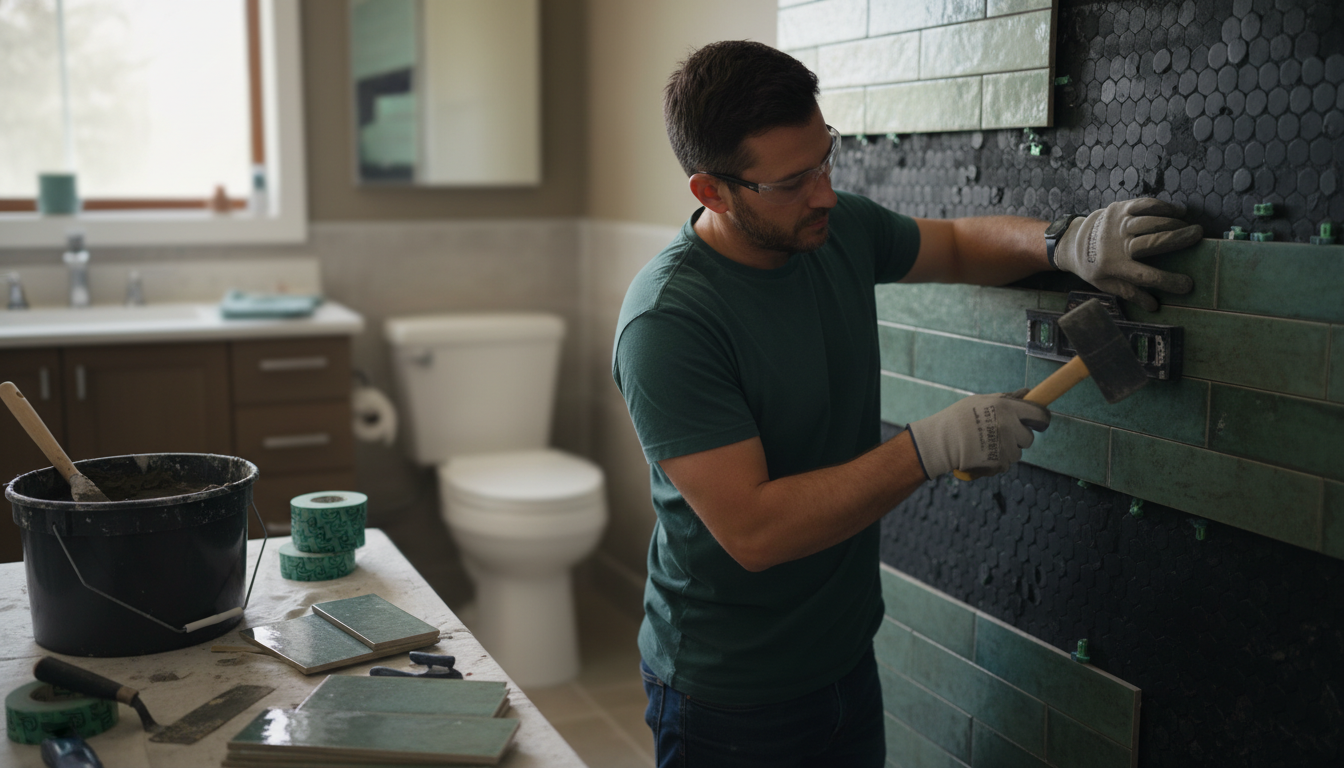
Quality craftsmanship and proper installation techniques are essential for long-lasting results in Seattle's moisture-prone climate
Conclusion
Bathroom remodeling in Seattle doesn't have to be overwhelming. With proper planning, realistic budgets, quality materials suited to our Pacific Northwest climate, and the right contractor, you can create a bathroom that serves your family beautifully for decades.
The key takeaways for successful bathroom remodeling in Seattle:
- Budget realistically: $25,000-$45,000 for most full remodels, with 15-20% contingency
- Plan for permits: Factor in 2-4 weeks for approval; don't skip this step
- Prioritize ventilation: Our climate demands it—minimum 80 CFM fan vented outside
- Choose moisture-resistant materials: Porcelain tile, quartz, proper waterproofing
- Hire licensed professionals: Verify credentials, check references, get everything in writing
- Expect 6-8 weeks construction time: For standard full remodels without major layout changes
At WAREMODEL, we've helped hundreds of King County and Pierce County families transform their bathrooms with our comprehensive design-build approach. We handle everything from 3D design consultation to final inspection, delivering quality results at competitive pricing with a family-centered philosophy.
Ready to start your bathroom remodel? Contact WAREMODEL today for a free consultation. We'll assess your space, discuss your goals, and provide a transparent estimate for your project. Let's create the bathroom you've been dreaming of—one that works beautifully for your family and stands up to Seattle's unique climate challenges.
FAQ Section
How much does a typical bathroom remodel cost in Seattle in 2025?
In 2025, the average bathroom remodel in the Seattle area ranges from $20,000 to $45,000+, depending on the size, scope, and level of customization. Basic cosmetic updates start around $10,000-$15,000, while mid-range renovations with new fixtures, tile, and updated layouts typically fall between $25,000-$40,000. High-end custom remodels with luxury finishes can exceed $65,000. Seattle's costs run higher than the national average due to labor rates, permit fees, and material costs.
Do I need a permit for bathroom remodeling in Seattle?
Yes, most bathroom remodels in Seattle require permits. You don't need a permit for cosmetic updates (painting, replacing cabinets, retiling, swapping fixtures in the same location) if the total cost is under $6,000 within 6 months. However, you need permits for plumbing changes, electrical work, or structural modifications. Seattle requires a plumbing permit when upgrading drains, an electrical permit for new wiring or circuits, and a building permit (often STFI) for demolition and major work.
How long does a bathroom remodel take in Seattle from start to finish?
Bathroom remodels typically take 3 to 8 weeks for construction, longer for custom tile or plumbing relocations. The complete timeline including planning and permits is usually 10-14 weeks. This breaks down to: 2-4 weeks for design and material selection, 1-8 weeks for permit approval (depending on project complexity), and 3-8 weeks for actual construction. Simple cosmetic updates can be completed in 1-2 weeks, while full gut renovations with layout changes may take 8-12 weeks.
What bathroom ventilation is required by Seattle building codes?
Bathrooms, toilet rooms, and kitchens shall include a local exhaust system. Such local exhaust systems shall have the capacity to exhaust the minimum airflow rate in accordance with code requirements. For bathrooms with showers or tubs, you need a minimum 80 CFM exhaust fan controlled by a dehumidistat or timer, with a maximum sound rating of 3 sones. The fan must be ducted directly to the outside—never into attics or crawl spaces. This is especially critical in Seattle's humid Pacific Northwest climate to prevent mold and moisture damage.
What’s the return on investment (ROI) for bathroom remodeling in Seattle?
For a midrange bathroom remodel, which averages $32,758 in Seattle according to the Journal of Light Construction's 2024 Cost vs. Value Report, homeowners can expect an ROI of about 67%. This means you might see a resale value increase of approximately $21,000 after completing a standard remodel with durable finishes and quality fixtures. Bathroom remodels in 2025 typically return about 60–70% of their cost at resale, making them one of the best interior upgrades for adding value. Mid-range updates tend to yield higher ROI than luxury remodels.
Should I keep my bathtub or convert to a walk-in shower?
This depends on your home's other bathrooms and your target market. Keep the tub if it's your only full bathroom, you have young children, or your home is family-oriented (3+ bedrooms). Convert to a shower-only if you have another bathroom with a tub, you're maximizing space in a small bathroom, or your home targets urban professionals or empty-nesters. Many Seattle homeowners choose a hybrid approach: converting tubs to walk-in showers with built-in benches and handheld showerheads, maintaining some functionality while gaining space and accessibility. Learn more in our Tub to Shower Conversion guide.
What materials work best for Seattle’s humid climate?
For Seattle's moisture-prone environment, choose porcelain tile for flooring (waterproof and durable), quartz for countertops (non-porous and low maintenance), and plywood construction with water-resistant finish for cabinetry. Use large-format porcelain tile with proper waterproofing membrane for shower surrounds. Always use moisture-resistant drywall (cement board) behind wet areas and mildew-resistant paint with satin or semi-gloss finish. Avoid hardwood flooring, unsealed natural stone, particle board cabinetry, and standard drywall in wet areas. Proper material selection is essential for longevity in the Pacific Northwest.
How do I choose a reliable bathroom remodeling contractor in Seattle?
Verify the contractor has a current Washington State contractor license (check at L&I Contractor Search), general liability and workers' compensation insurance, and bonding. Look for local experience with Seattle permits and building codes, recent references you can contact, and a physical business address. Red flags include: requesting large upfront payments (>30%), no written contract, pressure to skip permits, inability to provide insurance proof, or vague scope of work. Ask about their experience with Seattle bathroom remodels, who will be your point of contact, their permit handling process, payment schedule, and warranty on workmanship. For more guidance, see our Contractor Selection Guide.
What unexpected costs should I budget for in a Seattle bathroom remodel?
Set aside 15-20% of your total budget for contingencies. Common unexpected issues include: hidden water damage from old leaks or poor ventilation ($500-$3,000), outdated plumbing requiring upgrades ($1,500-$4,000), electrical code compliance issues ($800-$2,500), asbestos or lead paint abatement in pre-1980 homes ($1,000-$5,000+), and structural repairs like sagging joists ($1,000-$5,000). These surprises occur in 30-50% of Seattle remodels, especially in older homes. A reputable contractor will conduct a thorough pre-construction assessment and communicate any discoveries immediately with transparent pricing before proceeding.
Can I live in my home during a bathroom remodel?
Yes, most homeowners stay in their homes during bathroom remodeling, but you'll need to plan for temporary bathroom access. If it's your only bathroom, arrange alternatives like using a neighbor's bathroom, getting a gym membership, or renting a portable toilet. Contractors will use dust barriers to protect adjacent rooms, but expect some noise and disruption during construction hours (typically 8am-5pm). Clear the bathroom completely before work begins, and establish a daily routine with your contractor about arrival/departure times and access to water and power. At WAREMODEL, we work to minimize disruption and communicate daily about project progress and any needs for homeowner decisions.
A successfully completed Seattle bathroom remodel combining modern design with practical functionality for Pacific Northwest living