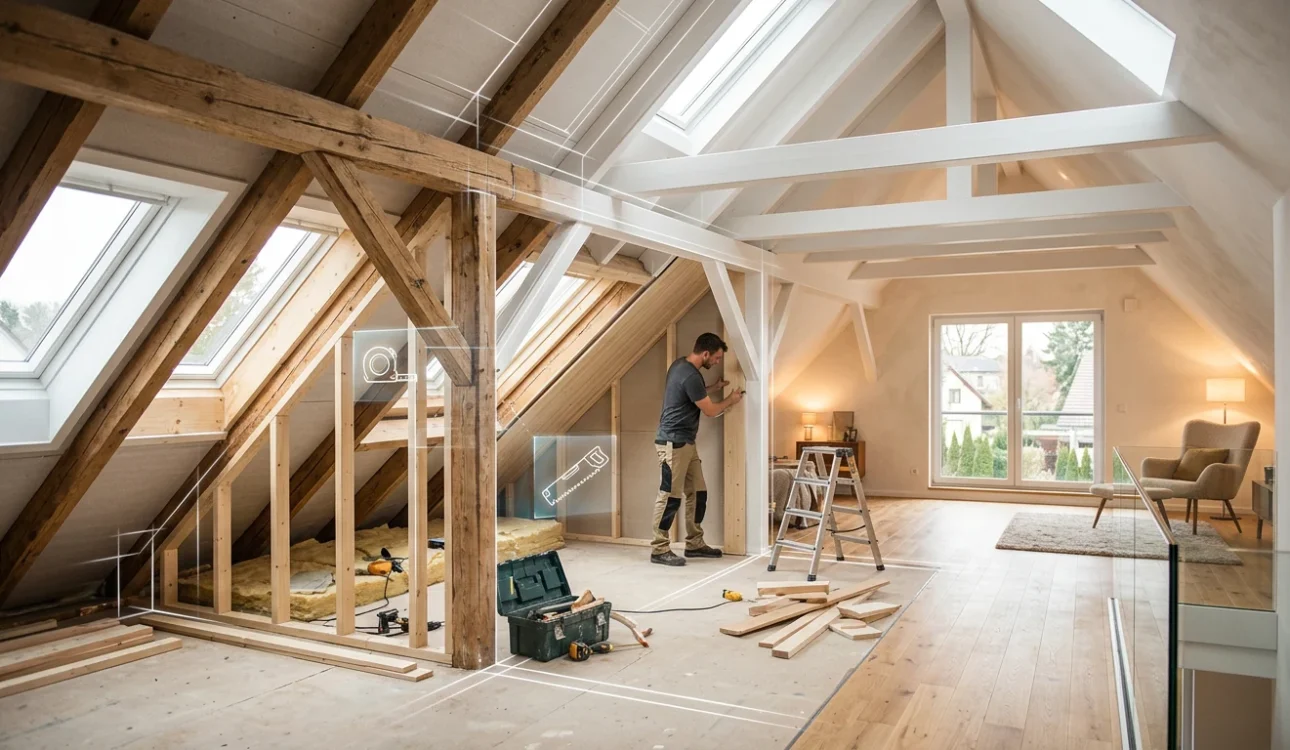
Most homeowners overlook their attics—viewing them as dusty storage areas rather than untapped potential. But here's what's changed in 2026: attic finishing has become one of the most practical home improvement investments, with satisfaction rates climbing and home values increasing significantly. Whether you're looking to add a bedroom, create a home office, or build a guest suite, your attic represents square footage that's already framed, insulated, and ready for transformation.
The challenge isn't inspiration—it's understanding how to turn attic space into functional, beautiful living areas without overcomplicating the process. This guide breaks down real attic renovation ideas into actionable steps, backed by current data and practical insights for homeowners across the Pacific Northwest and beyond.
Quick Answer:
Start by assessing your attic's structural integrity and headroom (minimum 7-8 feet recommended), then plan your layout with adequate ventilation and insulation. Key attic remodeling ideas include bedroom conversions, home offices, bathrooms, and kitchenettes—each with different requirements. Budget $30-60 per square foot for standard finishing, invest in proper lighting and climate control, and work with experienced contractors who understand building codes for your area. Most homeowners report greater satisfaction and increased home values after completing attic finishing projects.
Key Takeaways:
Assessment First: Check structural requirements, headroom, and building codes before committing
Smart Layout: Best attic renovation ideas maximize natural light and create distinct zones
Budget Reality: Standard attic finishing averages $20,000, with total costs ranging $7,500-35,000
ROI Matters: Full attic conversions deliver 75% return on investment
Table of Contents
Step 1: Assess Your Attic’s Potential
Before you envision a luxurious attic suite or creative workspace, you need to understand what you're working with. The reality of attic renovation ideas starts with honest assessment—not every attic is suitable for living space, and that's important to determine early.
Check the ceiling height first. Building codes in Washington and most U.S. states require a minimum of 7 to 7.5 feet of headroom in at least 50% of the usable floor space. Sloped ceilings are fine, but you need enough vertical space to walk comfortably and furnish the area. Measure from the floor to the rafters in several spots, accounting for future flooring and insulation thickness.
Next, inspect the structural framing. Look for water damage, rot, termite evidence, or settling. A compromised rafter system won't safely support a finished room—you may need reinforcement or repair before proceeding. Check for adequate support beams; attics weren't originally designed for live loads (permanent furniture and people), so structural upgrades are often necessary.
Ventilation assessment is equally critical. Your attic must "breathe" properly. Existing roof vents, soffit vents, and ridge vents need evaluation. Poor ventilation leads to moisture buildup, which destroys insulation, promotes mold, and shortens roof life. If your attic lacks proper ventilation infrastructure, budget for upgrades—this isn't optional.
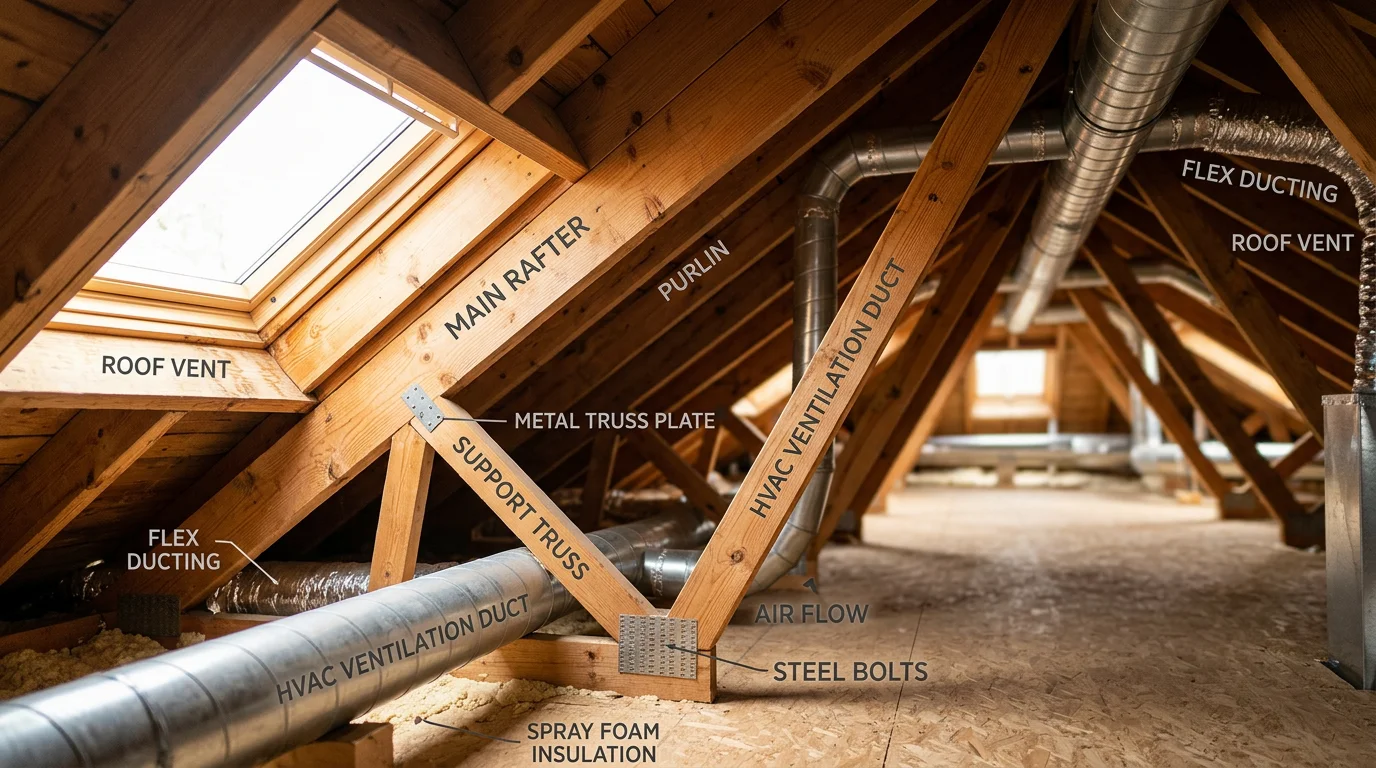
Finally, check your local building codes. Your city or county building department has specific requirements for attic spaces used as living areas—egress windows, ceiling height in specific percentages, fire safety measures, and more. A building inspector can guide you on what's required in your area.
Step 2: Plan Your Layout and Purpose
Purpose drives design. Are you building an extra bedroom? A home office? A guest suite with its own bathroom? Each purpose demands different considerations for plumbing, electrical load, and traffic flow.
Start by sketching rough dimensions. Measure the total floor space, identify where the lowest ceiling points occur, and mark existing support beams or structural elements that can't be moved. This sketch becomes your planning grid. Most successful attic finishing projects divide the space logically—the tallest area for primary use (bed, desk, or main living zone), and sloped ceiling areas for storage, closets, or secondary functions.
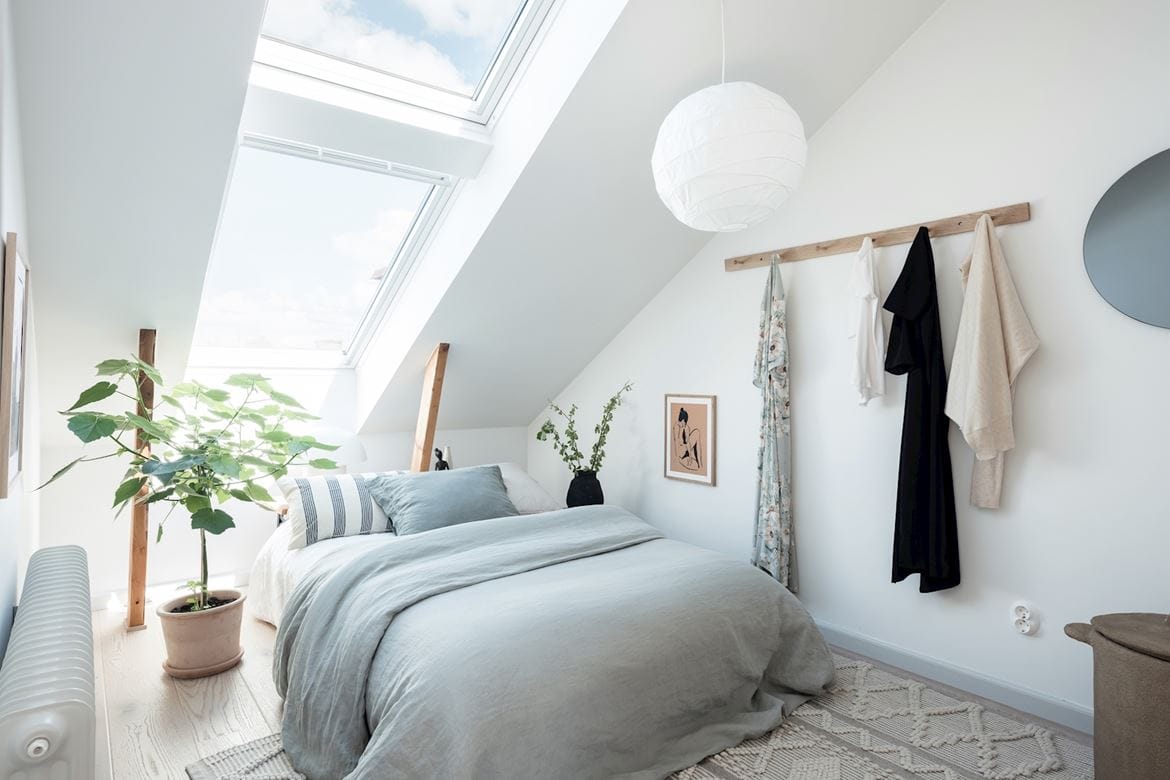
Consider natural light sources. Existing roof openings, potential skylights, and dormer window locations should influence your layout. Placing your primary living area near windows provides better natural light and makes the space feel larger. Windowless corners work well for bathrooms, closets, or storage areas.
Think about traffic flow. Your attic might be accessed via a narrow staircase—is that staircase positioned so you're walking through a bedroom to reach another room? Efficient layout prevents dead zones and makes the space feel more integrated with your home. Draw at least two layout options, then evaluate which flows best.
This is an excellent point where working with experienced remodelers makes a real difference. Teams like WAREMODEL that understand residential spaces can suggest layouts that maximize usability based on your home's unique architecture. They've seen what works and what creates awkward, underutilized spaces.
Step 3: Handle Insulation and Ventilation
Insulation separates a comfortable attic room from an unusable temperature nightmare. Your attic renovation project requires strategic insulation that doesn't compromise ventilation.
The ideal approach: insulate the sloped rafter cavities (between roof rafters) rather than the horizontal ceiling joists below. This keeps the entire attic space conditioned. R-value requirements vary by climate—in Washington's temperate zones, R-30 to R-38 is typical, though you may want R-40 or higher for year-round comfort.
Use batt, blown-in, or rigid foam insulation depending on your attic's structure and your preferences. Batts are easier for DIY installation, while blown-in insulation fills irregular spaces more completely. Rigid foam offers superior R-value in tight spaces but costs more. Whatever you choose, install vapor barriers correctly—moisture is insulation's enemy, and incorrect installation can trap moisture and cause hidden damage.
Ventilation requires a balanced system: intake air (usually through soffit vents) and exhaust air (ridge vents or gable vents). The rule of thumb is 1 square foot of ventilation per 150 square feet of attic space (with balanced intake/exhaust). If your current ventilation falls short, plan for additional soffit vents or a ridge vent installation. Some remodelers use sealed insulation with intentional ventilation channels—this hybrid approach prevents moisture while maintaining airflow.
Don't skip this step or rush it. Poor insulation and ventilation create future problems: condensation, mold, energy inefficiency, and potential structural damage. These issues cost far more to fix later than to install correctly now.
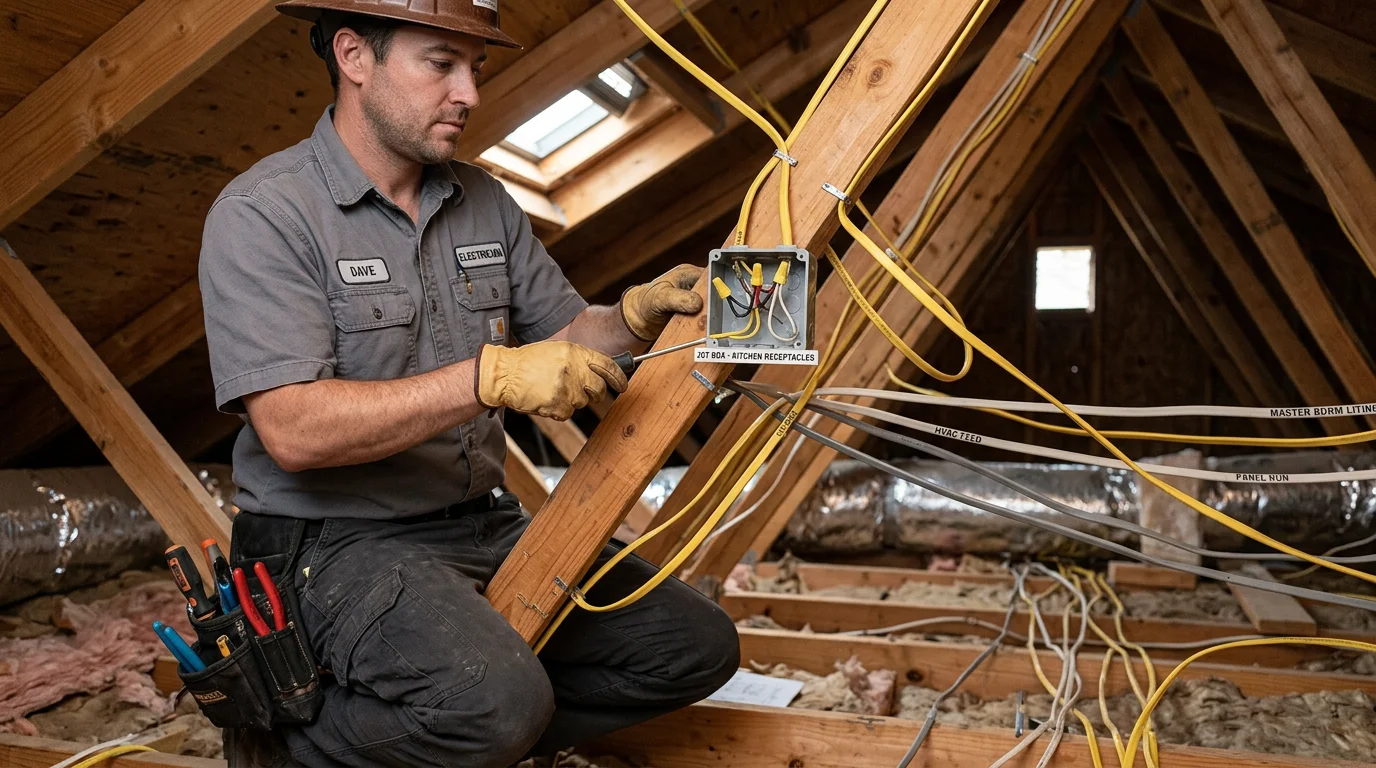
Step 4: Install Proper Electrical and Plumbing
Your attic's electrical and plumbing needs depend on its intended use, but most remodeled attics need upgrades to the home's electrical panel and possibly new circuits run from below.
Electrical work requires licensed electricians in most jurisdictions. A bedroom needs outlets (every 6 feet along walls, per code), ceiling fixtures, and likely additional lighting. A bathroom or kitchenette adds significant load. Your main electrical panel might need an upgrade if the current service is insufficient. Expect 240-volt capacity in homes built before the 2000s to be below modern demands, especially if you're adding air conditioning or extensive heating.
New wiring runs through the attic, down walls, or beneath flooring. Older homes often have limited runs available, which complicates routing. Modern code requires AFCI (Arc Fault Circuit Interrupter) protection for most bedroom circuits—check your local code.
Plumbing is relevant if you're adding a bathroom or kitchenette. Extending supply lines (hot and cold water) and drain lines from existing plumbing is complex, especially if your main plumbing is far below. Drain lines need proper slope (typically 1/4-inch drop per 12 inches of run), and vent stacks must connect to your home's main vent. Some remodelers use compact fixtures (corner sinks, small toilets) to minimize plumbing runs. A half-bath is simpler than a full bath; a kitchenette is less demanding than a full kitchen (though still complex).
Plan with a licensed electrician and plumber—they understand code requirements and can identify the most efficient runs. This prevents costly mistakes and ensures safety.
Step 5: Design Flooring and Structural Support
Attics weren't built to support furniture and regular foot traffic. Attic floor joists typically support only the weight of the attic structure itself and occasional storage, not concentrated loads like a bed or filing cabinets.
First, assess your existing floor structure. Most attics have 2×6 or 2×8 joists spaced 16 or 24 inches apart. For living space, you likely need to reinforce these with additional joists or sister them with new lumber. Some remodelers double-up joists or add support beams. This structural work often surprises homeowners because of its complexity and cost, but it's non-negotiable for safety.
Once the structure is sound, choose your flooring. Popular options include:
-
Engineered hardwood or laminate: Affordable ($1-3 per sq ft installed), attractive, works well in attics
-
Vinyl plank flooring (LVP): Moisture-resistant, durable, budget-friendly ($2-4 per sq ft)
-
Carpet: Cozy for bedrooms, but absorbs moisture (avoid in bathrooms)
-
Concrete with epoxy or stain: Industrial aesthetic, works if you skip the traditional "lived-in" feel
Whatever flooring you choose, allow for subfloor preparation—plywood or OSB that creates a stable base for finished flooring. Proper subfloor prevents squeaks and uneven surfaces.
Step 6: Maximize Light and Create Atmosphere
Natural light transforms an attic from dark and cramped to bright and spacious. This is where attic renovation ideas shift from purely functional to genuinely pleasant.
If your attic has existing roof penetrations (perhaps an old exhaust vent), consider converting that opening to a skylight. Skylights flood attics with daylight and make spaces feel much larger. Modern skylights are insulated and feature blinds for light control. Expect to pay $400-1,000 per skylight installed, but the transformation is worth it.
If adding skylights isn't feasible, dormer windows are an alternative. A dormer adds floor space, headroom, and dramatic visual impact, but it's also more expensive ($2,000-5,000+ for a modest dormer). For budgeted projects, consider light wells or light tubes (solar tubes) that funnel daylight down from the roof.
Artificial lighting is essential for evening and cloudy days. Recessed lighting (can lights) in the ceiling creates a clean aesthetic. Track lighting works well for workspaces. Wall sconces beside beds or mirrors add ambient light. Layered lighting—ambient overhead, task lighting at work areas, and accent lighting—creates comfortable, functional spaces.
Color psychology matters too. Light colors reflect what natural light exists and make spaces feel larger. Whites, soft grays, and warm creams work beautifully in attics. If you want bolder colors, pair them with good lighting—a dark teal accent wall looks striking when well-lit but depressing in dim light.
Window treatments are practical and aesthetic. Blackout shades work for bedrooms (controlling light for sleep), while sheer curtains filter light in offices and living areas. Operable skylights or windows improve ventilation naturally, reducing reliance on air conditioning in moderate weather.
Step 7: Choose Your Attic Finishing Ideas
Now we reach the creative core—how to actually use your attic. The best attic renovation ideas solve real problems in your home. Here are the most popular purposes:
Master Bedroom or Guest Bedroom
Bedrooms are the most common attic finishing project. A simple room with sloped ceilings still functions perfectly—the sloped area becomes a visual feature, not a limitation. Add a window seat under a sloped area, or place the bed's headboard against the short wall where ceiling height is lowest. Guest bedrooms in attics keep visiting family away from your main living space, which many homeowners appreciate.
Home Office or Creative Studio
Remote work and creative pursuits thrive in quiet, dedicated attic spaces. Large desks fit comfortably in the tallest section, while cabinets and shelving use sloped ceiling corners. Natural light from windows or skylights boosts mood and productivity. A separate bathroom is luxury; even a half-bath reduces trips downstairs.
Bathroom or Wet Bar
Small bathrooms fit elegantly in attics. A corner of your attic with plumbing access becomes a full or half-bath. Some homeowners add a bar sink instead—perfect for guests to freshen up. A kitchenette (bar fridge, sink, microwave) is simpler and less expensive than full kitchen renovation, yet adds functionality.
Recreation or Entertainment Space
Basement-style finished rooms—game rooms, media spaces, hobby areas—flourish in attics. The separated, soundproofed nature of attic spaces makes them ideal for music practice, gaming, crafts, or family entertainment away from main living areas.
Common Mistakes to Avoid
Learning from others' missteps saves time, money, and frustration.
Ignoring building codes: Many homeowners attempt DIY shortcuts on egress windows, electrical, or structural work. Building inspectors catch these, forcing expensive corrections. Always pull permits and follow local code.
Underestimating ventilation needs: Poor ventilation leads to mold and insulation failure. Don't cheap out on this system—it's the skeleton of a successful project.
Creating inadequate headroom: A bedroom you can't stand in comfortably becomes a storage closet. Verify headroom before committing to a layout.
Underbudgeting: Structural reinforcement, electrical upgrades, and permit fees add up. Many projects exceed initial estimates. Budget conservatively and assume 10-15% contingency.
Forgetting the stairs: Accessing your attic room dozens of times daily matters. A cramped, narrow staircase becomes a daily frustration. If your current stairs are problematic, plan for improvement.
Neglecting HVAC: A finished attic needs adequate heating and cooling. One register from the floor below often doesn't cut it. Budget for extended ductwork or zone control systems.
Rushing design: Spend time planning layouts. A few extra weeks of design planning prevents months of regret about flow, lighting, and functionality.
Best Attic Renovation Ideas by Purpose
| Purpose | Key Features | Estimated Cost | Complexity |
|---|---|---|---|
| Master Bedroom | Insulation, flooring, lighting, windows, closet storage | $15,000-30,000 | Medium |
| Guest Bedroom | Basic finishing, simple bathroom, storage | $12,000-25,000 | Medium |
| Home Office | Electrical upgrades, built-in storage, good lighting, internet access | $10,000-20,000 | Low-Medium |
| Full Bathroom | Plumbing, ventilation, waterproofing, fixtures | $12,000-35,000 | High |
| Half-Bath | Basic plumbing, limited fixtures, egress | $8,000-15,000 | Medium |
| Kitchenette | Electrical, plumbing, sink, small appliances | $5,000-15,000 | Medium |
| Recreation Room | Insulation, flooring, electrical, no plumbing | $8,000-18,000 | Low-Medium |
These ranges reflect professional finishing with quality materials. Budget $30-60 per square foot according to current cost data, with most homeowners spending between $7,500 and $35,000 for a complete project. The national average sits around $20,000 for standard attic finishing.
What Homeowners Report About Attic Finishing
The numbers tell a compelling story about attic renovation value. According to data from the National Association of Realtors, 100% of homeowners report greater satisfaction being at home after finishing their attics. This isn't just about aesthetics—it's about functionality and comfort.
Home value improvement matters too. Full attic conversions deliver approximately 75% ROI, based on research from This Old House and the National Association of Realtors. On average, attic renovations increase home value by at least 50%, and attic conversions add genuine square footage and potentially increase bedroom or bathroom count.
The National Association of the Remodeling Industry (NARI) reports a 74% satisfaction rating for attic conversions to living areas, with homeowners citing the additional space and improved functionality as primary benefits.
These statistics reflect broader trends. The Joint Center for Housing Studies of Harvard University predicts year-over-year home repair and renovation spending growth of 1.2% in 2025, with attic remodeling projects representing a significant portion of that growth as homeowners recognize attic potential.
Why Work with Experienced Remodelers
This is where WAREMODEL's approach matters. While WAREMODEL specializes in kitchen and bathroom remodeling, those exact skills translate perfectly to attic spaces. Adding a bathroom or kitchenette to your attic? A professional remodeler with plumbing and fixture expertise creates installations that function flawlessly and look polished.
More broadly, experienced remodeling teams understand building codes, structural requirements, and installation best practices. They secure permits, schedule inspectors, and troubleshoot unexpected issues (discovering inadequate framing, old wiring, or plumbing conflicts) before they become expensive problems. They also provide design expertise—suggesting layouts that maximize usability and aesthetics based on thousands of similar projects.
The investment in professional help—whether for the entire project or specific phases like bathroom or kitchen installation—typically saves money overall by preventing costly mistakes and inefficiencies.
FAQ
Q: What's the minimum ceiling height for an attic bedroom?
A: Building codes typically require a minimum of 7 to 7.5 feet of headroom in at least 50% of the usable floor space. If your attic's tallest point is only 6.5 feet, you might not meet code for sleeping spaces, though the space could still work for storage, recreation, or office purposes.
Q: Can I add a bathroom to my attic?
A: Yes, but it's complex. You need access to your home's plumbing (supply and drain lines), and drain lines must have proper slope. A half-bath is more feasible than a full bath. Work with a licensed plumber to evaluate your specific situation.
Q: How much ventilation does a finished attic need?
A: The standard is 1 square foot of ventilation per 150 square feet of attic space (balanced between intake and exhaust). Inadequate ventilation causes moisture problems, so don't cut corners here. A ventilation professional can assess your attic's current system.
Q: Are skylights worth the cost?
A: In most attics, yes. Skylights transform the space's feel, reduce daytime lighting needs, and increase home value. Expect to pay $400-1,000 per skylight, but the return in comfort and perceived space is significant.
Q: What's the best flooring for an attic?
A: Engineered hardwood, laminate, or luxury vinyl plank (LVP) all work well. Vinyl is most moisture-resistant (important in attics), while hardwood offers classic aesthetics. Carpet adds coziness but absorbs moisture; avoid it in bathrooms or moisture-prone attics.
Q: Do I need a building permit for attic finishing?
A: Almost certainly, yes. Permits ensure electrical, plumbing, and structural work meet code. Unpermitted work creates problems when selling your home and voids insurance coverage if damage occurs. Always pull permits.
Q: How long does a typical attic finishing project take?
A: Simple projects (bedroom with basic finishing) might take 4-6 weeks. Projects with plumbing, electrical upgrades, or structural work take 8-12 weeks or longer. Complexity and contractor availability factor in significantly.
Q: Can I finish my attic myself?
A: You can do some work (framing, insulation, painting), but electrical, plumbing, and structural work require licensed professionals. Many homeowners combine DIY work for non-licensed tasks with professional help for code-required work—a good middle ground.
Q: What's the ROI on an attic conversion?
A: Attic conversions typically deliver 75% ROI for full conversions and average 56% ROI across all attic renovation projects. You won't recover every dollar spent, but you gain usable living space immediately and increase home value.
Q: How do I improve natural light in an attic bedroom?
A: Skylights are the most effective solution. If skylights aren't possible, consider light tubes (solar tubes), window placement maximization, and light-colored interior finishes to reflect available light. Strategic mirrors also amplify natural light.
Q: What's the difference between an attic conversion and attic finishing?
A: These terms are often used interchangeably, but conversion typically implies structural changes (dormers, structural reinforcement, significant floor work), while finishing might be simpler drywall, flooring, and cosmetic upgrades to existing framed space.
Conclusion
Attic renovation ideas succeed when they solve real problems while respecting structural and code requirements. Whether you envision a peaceful bedroom retreat, a productive home office, or a functional guest suite, your attic holds genuine potential—space that's often overlooked until you consider the possibilities.
The process starts with honest assessment: Do you have adequate headroom? Is the structure sound? Can you address ventilation and insulation properly? Once those fundamentals are solid, design choices become straightforward. Plan layouts that maximize natural light, coordinate electrical and plumbing thoughtfully, and invest in insulation and climate control that makes the space comfortable year-round.
Most homeowners report greater satisfaction with their homes after completing attic finishing projects. The investment—averaging around $20,000 for standard finishing—delivers both immediate functional benefits and lasting home value. With ROI around 56% for typical projects and 75% for comprehensive conversions, the financial case is solid.
If you're considering a bathroom, kitchenette, or comprehensive finishing in the Pacific Northwest, working with experienced remodelers ensures professional results. Teams familiar with your local building codes, climate considerations, and material sourcing deliver completed projects that function beautifully and pass inspection without costly corrections.
Your attic's transformation begins with planning. Spend time exploring layout options, researching materials, and understanding requirements. The spaces you create become some of your home's most valued areas—quiet retreats, functional offices, or spaces that simply expand how your family lives. That's the real value of smart attic renovation ideas.