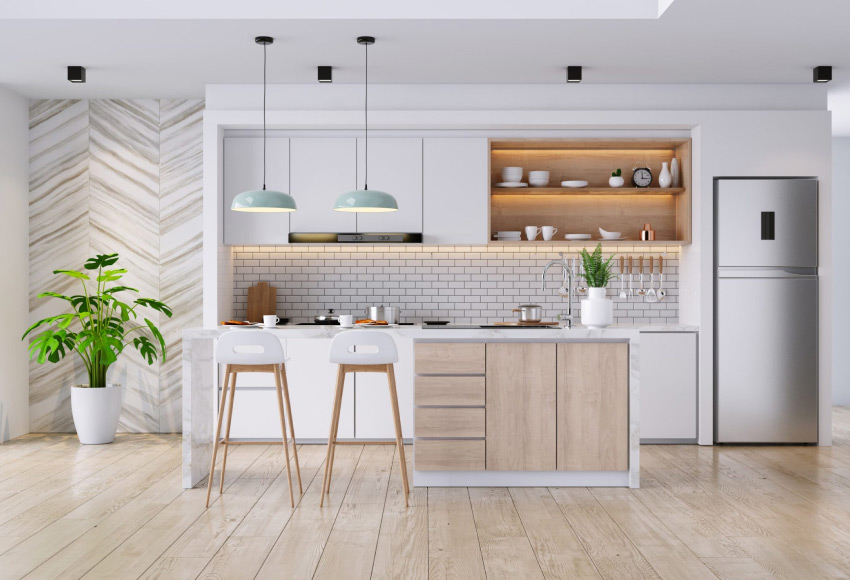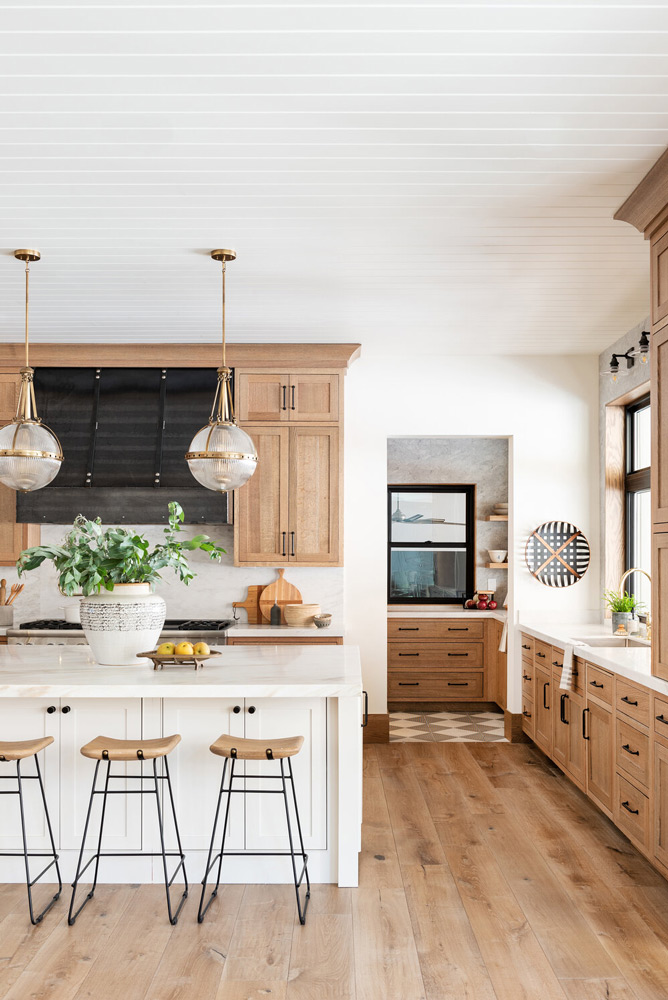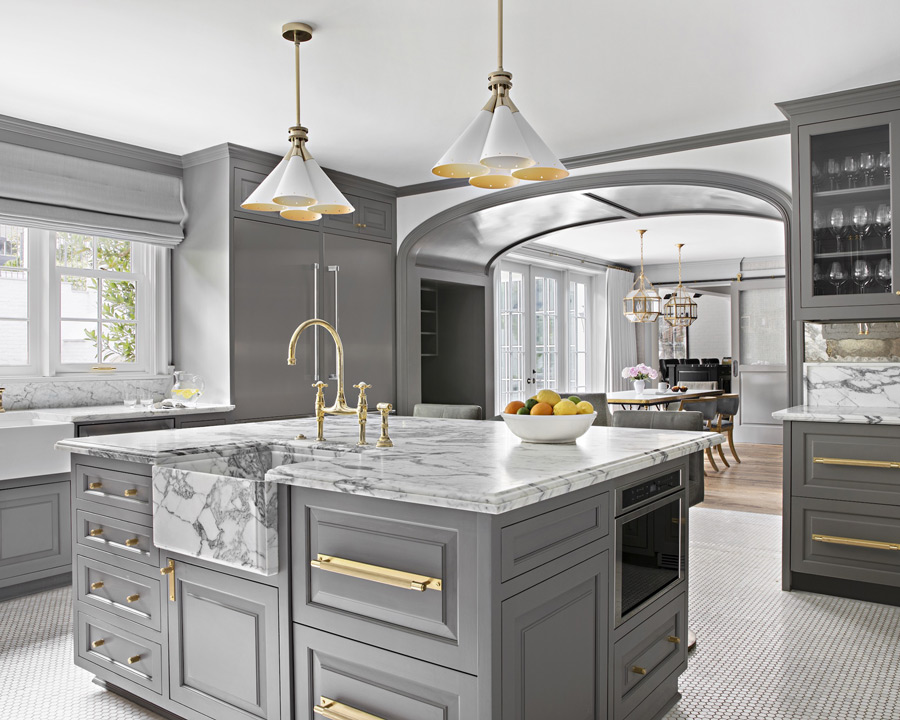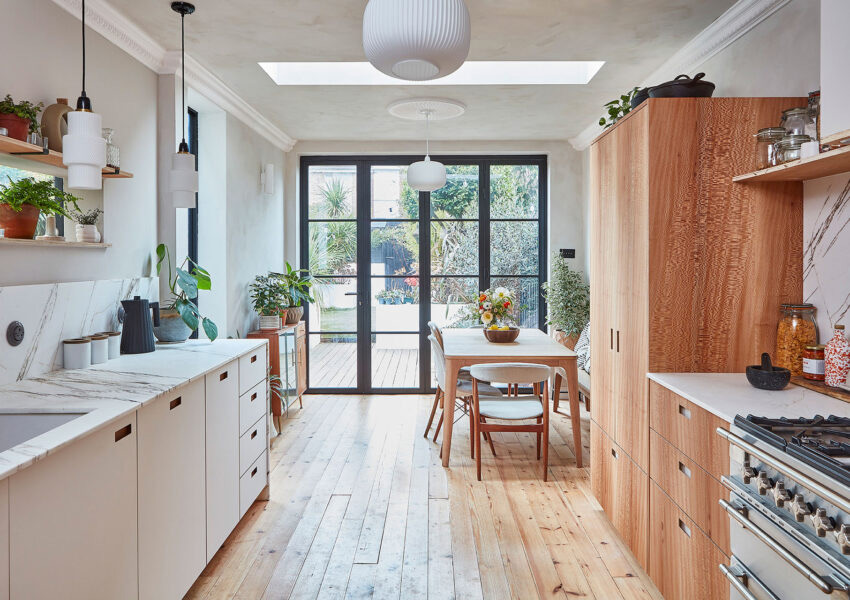
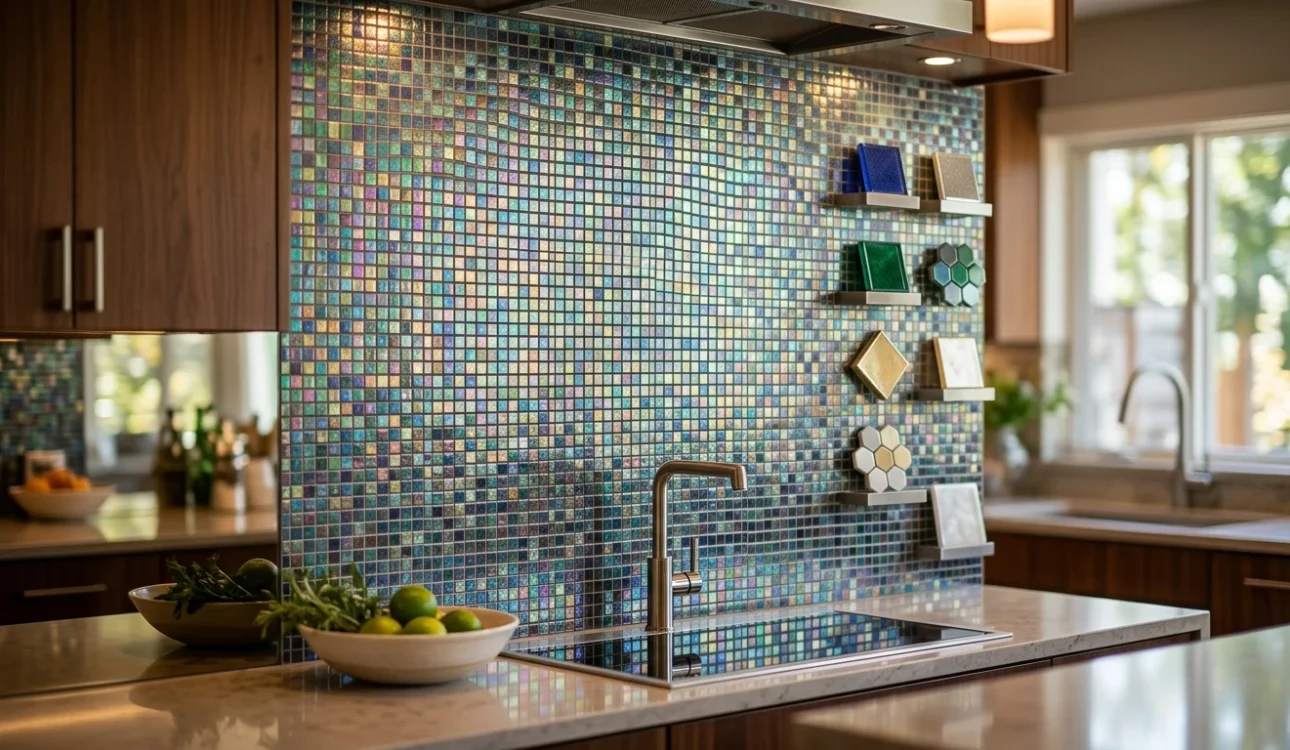
Mosaic glass tiles represent a sophisticated fusion of artistry and functionality that has become essential in contemporary kitchen design. These small, luminous pieces catch and reflect light in ways that transform even modest kitchen spaces into visually dynamic environments. Beyond their undeniable aesthetic appeal, mosaic glass tiles offer practical advantages—they resist staining better than porous materials, clean with minimal effort, and create seamless transitions between cooking zones and dining areas. Their versatility allows homeowners to express personal style while maintaining the clean, organized aesthetic that modern kitchens demand.
Quick Answer: Mosaic glass tiles are small decorative glass pieces arranged in patterns, commonly used for kitchen backsplashes and accent walls. They're popular because they combine reflective beauty with durability, improve light distribution throughout the kitchen, and provide endless design flexibility without requiring major structural changes. Whether you're working with a modest budget or planning a comprehensive remodel, glass tile design offers solutions that enhance both functionality and visual appeal.
This guide explores how mosaic glass tiles elevate kitchen spaces, examining practical installation considerations, design approaches that work with various cabinet styles, and selection strategies that balance aesthetic vision with long-term maintenance. You'll discover how strategic tile placement amplifies natural and artificial light, creating the illusion of expanded space—a principle we at WAREMODEL apply to every remodeling concept. From understanding the differences between iridescent, frosted, and metallic finishes to coordinating tiles with existing elements like dark hardwood floors or contemporary cabinetry, this resource provides the knowledge needed to make informed decisions that enhance both your kitchen's functionality and your home's overall value.
Table of Contents
- Understanding Mosaic Glass Tile Characteristics & Material Quality
- Top Mosaic Glass Tile Designs for Modern Kitchen Spaces
- Installation Best Practices & Professional Considerations
- Budget Planning & Cost Considerations for Mosaic Glass Kitchen Projects
- Creating Your Ideal Kitchen with Mosaic Glass Tiles
Understanding Mosaic Glass Tile Characteristics & Material Quality
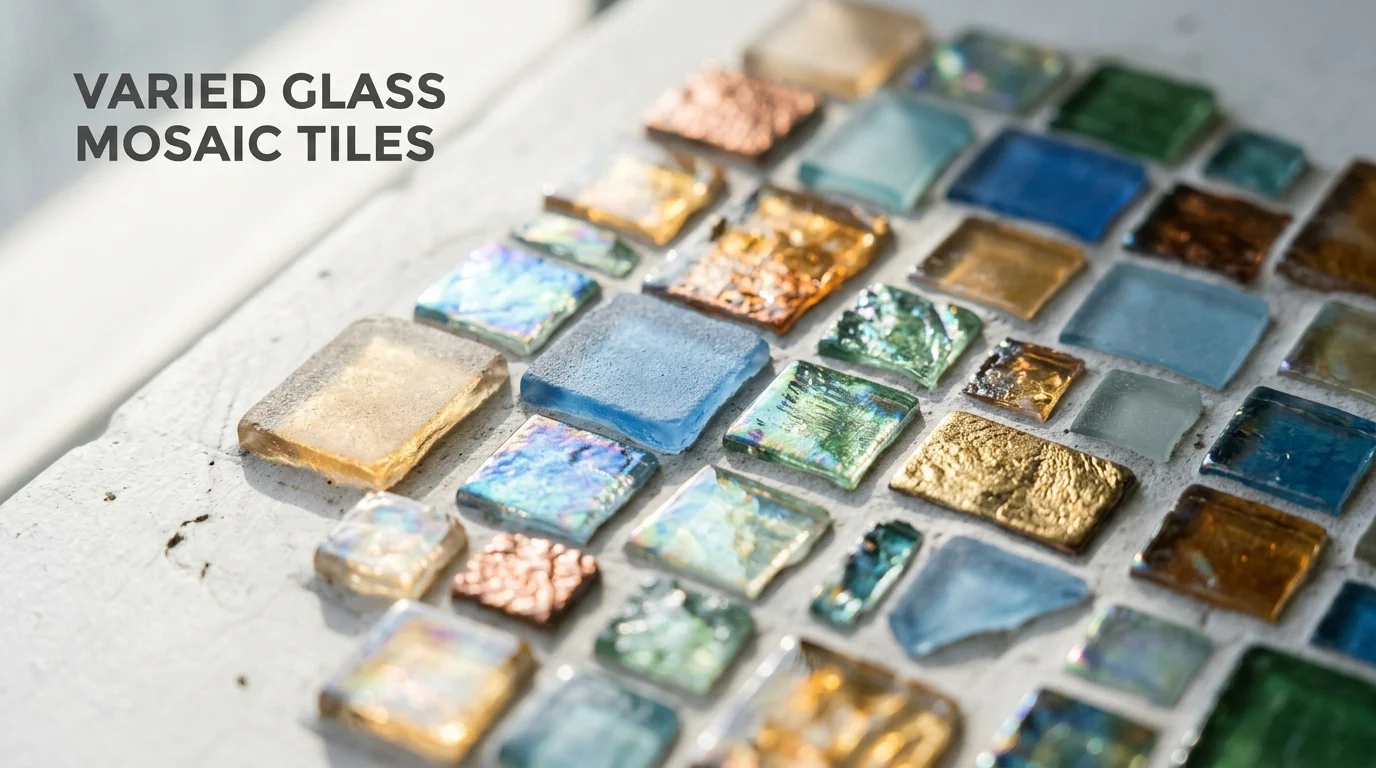
Glass mosaic tiles represent a fundamentally different material category from traditional ceramic or stone alternatives, with distinct performance characteristics that make them particularly valuable for kitchen applications. The defining feature of glass tiles lies in their non-porous composition—according to research from Mr. Handyman, glass tiles achieve a 0% water absorption rate, making them completely impervious to moisture, while ceramic tiles typically absorb between 0.5% and 3% water. This moisture resistance eliminates the risk of mold growth, mineral deposits, and structural degradation that plague porous materials over time.
The light-refraction properties of glass mosaic design create visual depth and luminosity impossible to achieve with opaque materials. When light passes through glass tiles—whether frosted, iridescent, or metallic finishes—it scatters and reflects across kitchen surfaces, effectively amplifying both natural and artificial illumination. This characteristic proves especially valuable in smaller kitchens or spaces with limited window exposure, where strategic tile placement can create the illusion of expanded square footage.
Durability and low maintenance represent additional material advantages. Glass tiles resist staining, do not require sealing treatments, and withstand heat exposure without discoloration or degradation. Quality indicators include tile thickness (typically 3/8 to 1/2 inch for kitchen applications), backing material composition, and adherence to industry manufacturing standards. Premium mosaic glass tiles feature reinforced mesh or paper backing that ensures uniform installation and prevents individual pieces from shifting during grouting. When selecting tiles for your kitchen backsplash, examine batch consistency, color uniformity across samples, and manufacturing certifications that guarantee dimensional accuracy.
The composition of glass tiles—recycled or virgin glass fused with pigments and metallic compounds—determines color saturation and finish longevity. Premium manufacturers use UV-stable colorants that prevent fading, ensuring your mosaic design maintains its visual impact for decades.
Top Mosaic Glass Tile Designs for Modern Kitchen Spaces
Modern kitchen design increasingly embraces mosaic glass tiles as a statement-making element that transcends purely functional backsplash installation. The diversity of available styles allows homeowners to align tile selections with their overall aesthetic vision while maintaining the durability and light-reflecting properties that make glass an exceptional kitchen material.
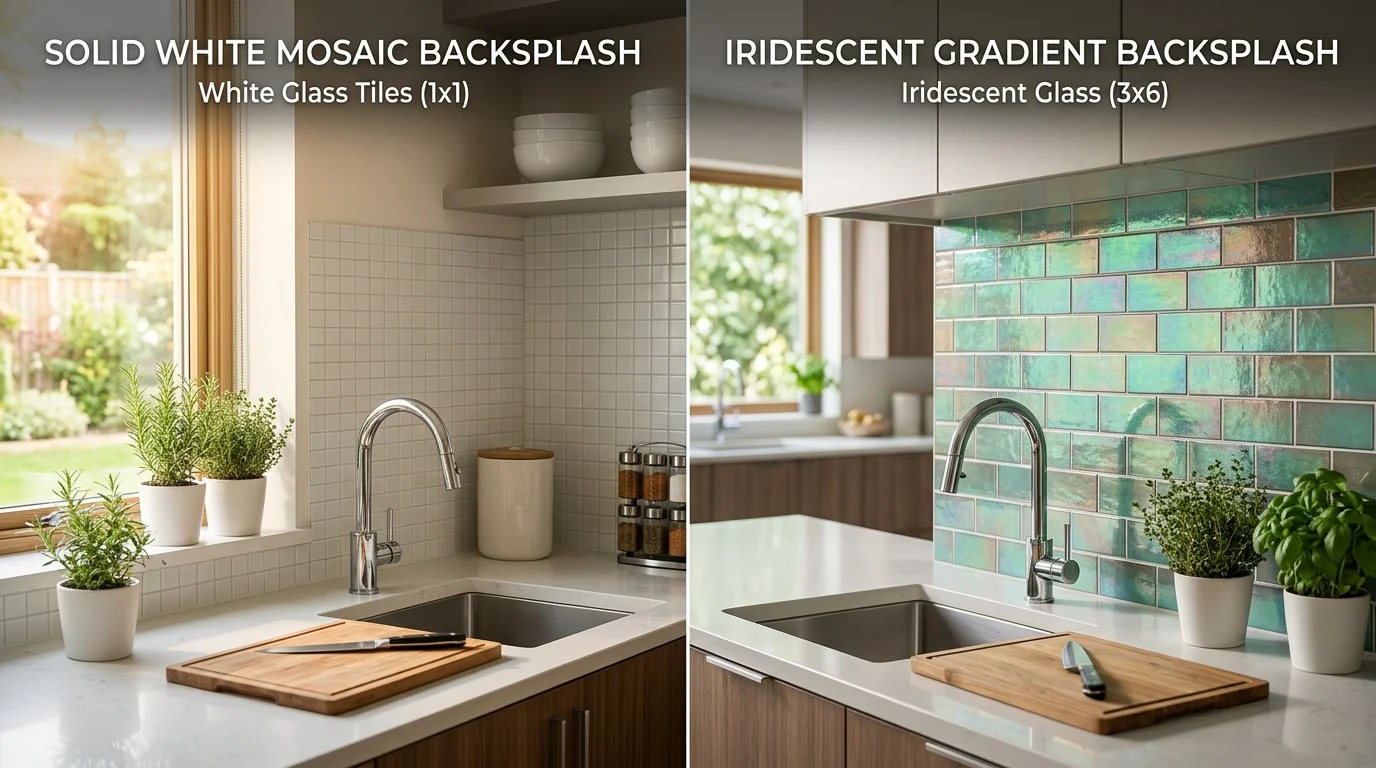
Solid Color Mosaics represent the foundation of contemporary kitchen tile patterns. These uniform, single-hue designs create clean visual lines and work exceptionally well in minimalist and modern kitchens where simplicity drives the design narrative. Soft whites, warm grays, and muted blues provide neutral backdrops that allow cabinetry and countertops to command attention. Solid color mosaics excel as backsplash treatments, particularly in galley kitchens where continuous color flow enhances the sense of spatial continuity. They complement transitional kitchen aesthetics by bridging traditional and contemporary elements without visual competition.
Iridescent and Gradient Blends introduce subtle movement and depth through color variation within individual tiles or across mosaic patterns. These designs feature multiple glass tones—ranging from seafoam to deep teal, or champagne to bronze—that shift appearance depending on lighting conditions and viewing angle. This dynamic quality proves invaluable in kitchens with variable natural light, as the tiles appear to transform throughout the day. Iridescent mosaics work particularly well as accent walls or focal point installations above kitchen islands, where their reflective properties amplify ambient and task lighting.
Metallic Accent Mosaics integrate copper, bronze, gold, or silver-infused glass pieces into geometric or random patterns. These tiles bridge industrial and eclectic kitchen styles, introducing warmth and visual interest without overwhelming the space. Metallic accents perform exceptionally well in transitional kitchens paired with stainless steel appliances or brushed metal hardware. The reflective quality of metallic glass complements modern pendant lighting fixtures and enhances the perception of kitchen brightness.
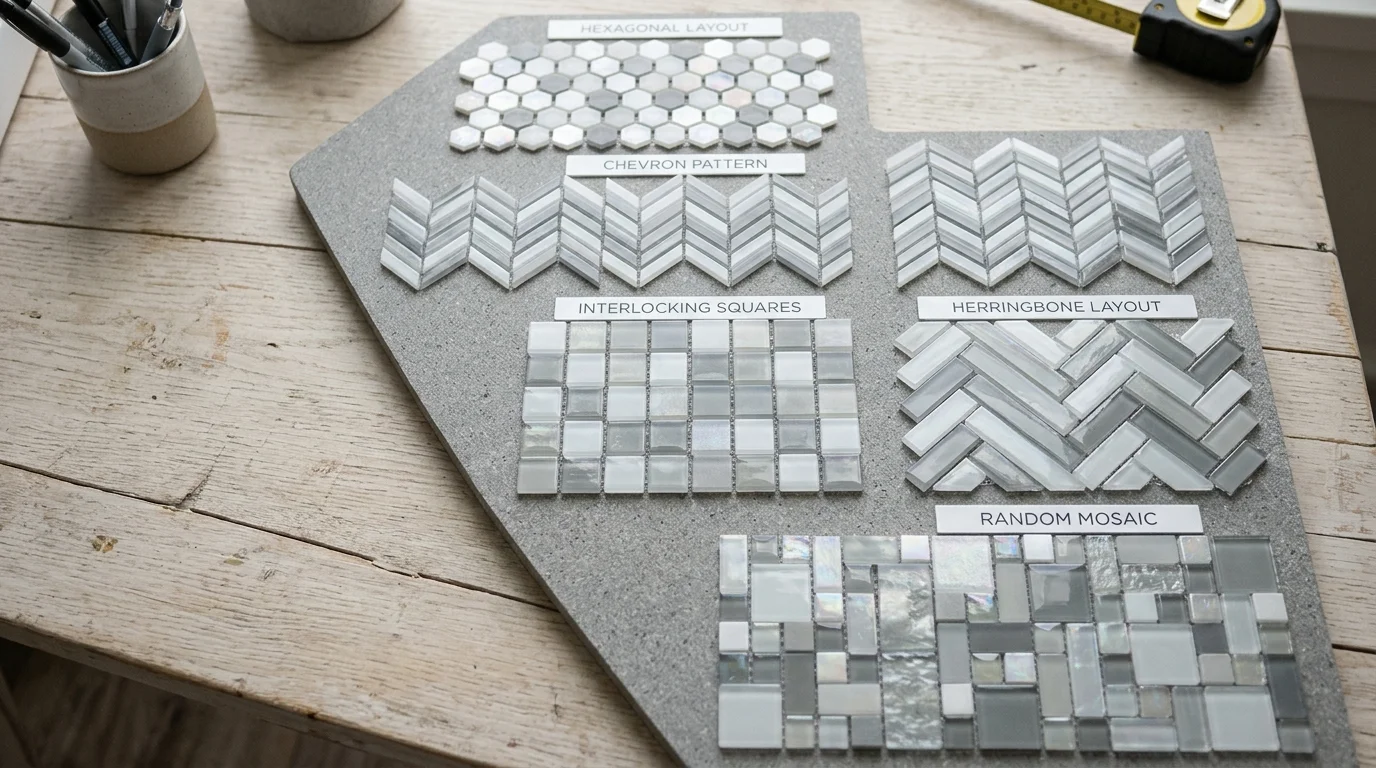
Geometric Pattern Mosaics—including hexagons, chevrons, and interlocking shapes—create architectural visual interest through tile arrangement rather than color variation alone. These patterns suit contemporary and eclectic kitchen designs where geometric forms echo broader design themes. Geometric mosaics work best as focused backsplash installations rather than full wall coverage, preventing visual fatigue while maintaining design impact.
Budget-conscious homeowners appreciate that quality mosaic glass tiles start at accessible price points around $9-$10 per square foot for materials, offering substantial design variety without premium investment. When planning your kitchen remodel, consider how metal kitchen tiles complement glass mosaics for layered, sophisticated backsplash treatments that combine multiple material textures and finishes.
Installation Best Practices & Professional Considerations
Proper substrate preparation forms the foundation of any successful mosaic glass tile installation. The surface beneath your tiles must be absolutely flat—industry standards require variance no more than 1/8 inch over 10 feet. Uneven substrates cause tiles to sit at different heights, creating lippage (visible step differences) that compromises both aesthetics and functionality. Self-leveling compounds address minor imperfections and add $2 to $5 per square foot to your project cost, but this investment prevents costly rework later. For kitchen backsplashes, cement board or waterproof drywall provides superior moisture resistance compared to standard drywall, particularly in areas near sinks or stovetops where steam and splashing occur regularly.
Adhesive selection directly impacts long-term performance. Standard thin-set mortar works for many applications, but glass mosaic tiles benefit from modified thin-set specifically formulated for glass—these adhesives cure to a neutral color that won't show through translucent tiles. Epoxy grout represents the superior choice for glass installations, offering exceptional stain resistance, moisture protection, and requiring no sealing—a critical advantage in kitchen environments where grease and acidic foods pose constant threats. Standard cement grout absorbs stains and requires periodic sealing, making epoxy's higher cost worthwhile for kitchen backsplash installations.
Spacing and grout line width deserve careful consideration during tile installation. Mosaic glass tiles typically use 1/8-inch to 1/4-inch grout lines, with wider spacing reducing the visual impact of grout discoloration over time. Consistent spacing prevents the optical illusion of crooked tiles and maintains design integrity across large installations. When planning your kitchen remodeling project, account for how grout color interacts with tile hues—darker grout emphasizes individual tiles while lighter grout creates visual continuity.
Professional installation becomes essential around heat sources, wet areas, and complex geometric patterns. According to industry labor cost data, mosaic tile installation ranges from $19.68 to $32.30 per square foot due to the precision cutting and meticulous placement these intricate designs demand. DIY installation works for straightforward applications with large tiles and simple layouts, but intricate mosaics warrant professional expertise. Red flags indicating you need a contractor include: irregular substrate conditions, proximity to active heat sources, complex pattern work, or any installation near plumbing penetrations. At WAREMODEL, we understand that creating functional, beautiful spaces requires proper execution—professional installation ensures your mosaic glass backsplash performs flawlessly for decades while maintaining its visual brilliance.
Budget Planning & Cost Considerations for Mosaic Glass Kitchen Projects
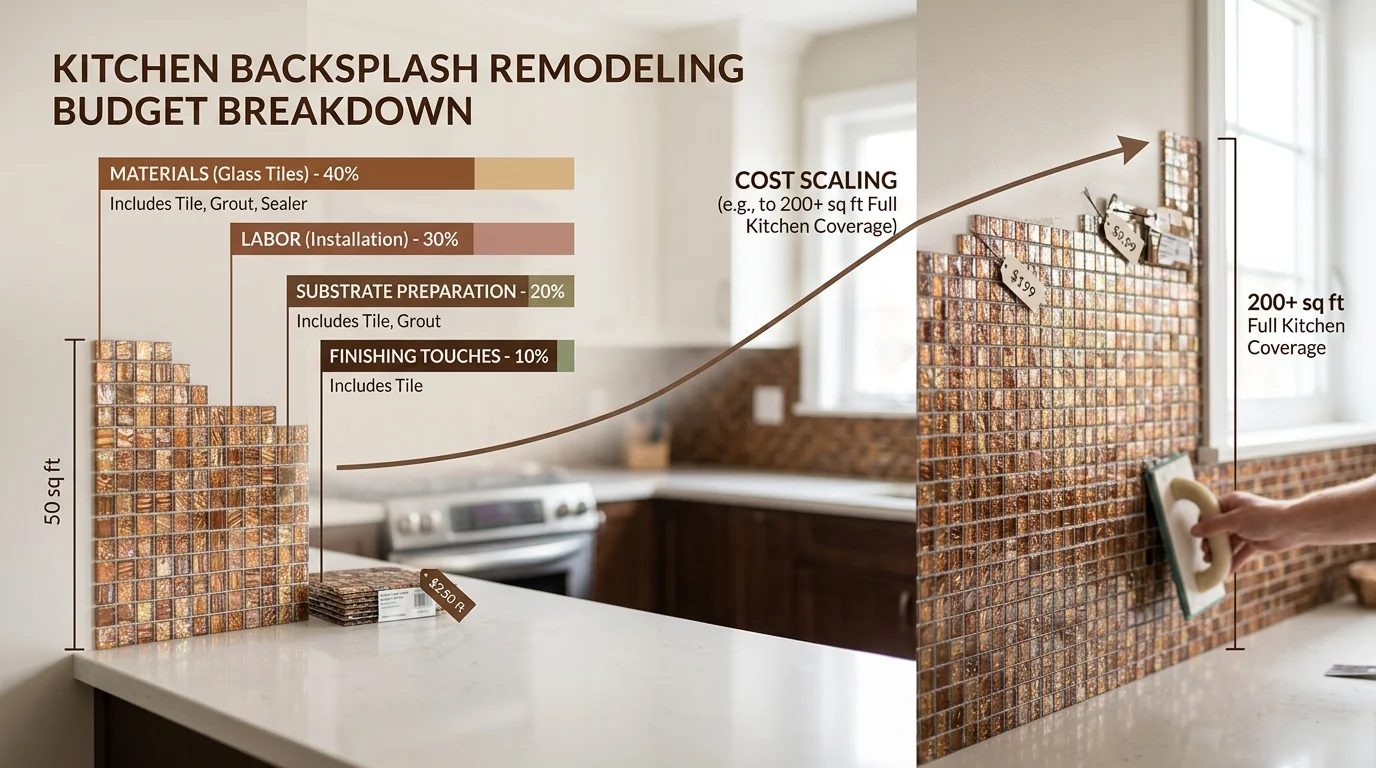
Understanding the financial scope of a mosaic glass kitchen renovation requires examining multiple cost layers beyond the tile price itself. According to HomeGuide's 2026 pricing data, glass tiles range from $20 to $100 per square foot installed, with mosaic designs commanding premium rates due to their intricate patterns and precision placement demands. This variance reflects tile size, color complexity, and pattern intricacy—small-format mosaics require substantially more labor than larger format tiles, directly impacting your kitchen remodeling budget.
Material costs represent only one component. A 50-square-foot backsplash installation might range from $1,000 to $5,000 depending on tile selection and complexity, while full kitchen coverage spanning 200+ square feet could exceed $20,000. Labor typically accounts for 40-60% of total project cost, especially when intricate geometric patterns or custom layouts demand meticulous cutting and placement.
Strategic budget allocation matters significantly. Rather than covering entire walls with premium mosaic glass, consider accent installations—a statement backsplash behind the range or a decorative border—which deliver visual impact while controlling expenses. This approach aligns with WAREMODEL's philosophy of creating functional, beautiful spaces that maximize value without unnecessary expenditure.
The investment perspective shifts when considering longevity and return. Tile backsplash installations deliver 50-70% return on investment according to 2025 data, making mosaic glass a relatively affordable upgrade that protects walls while enhancing aesthetics. Quality installation ensures decades of performance, transforming initial cost into lasting value. Budget-conscious renovations benefit from phased approaches: install foundational elements now, expand decorative applications later as budget permits.
Creating Your Ideal Kitchen with Mosaic Glass Tiles
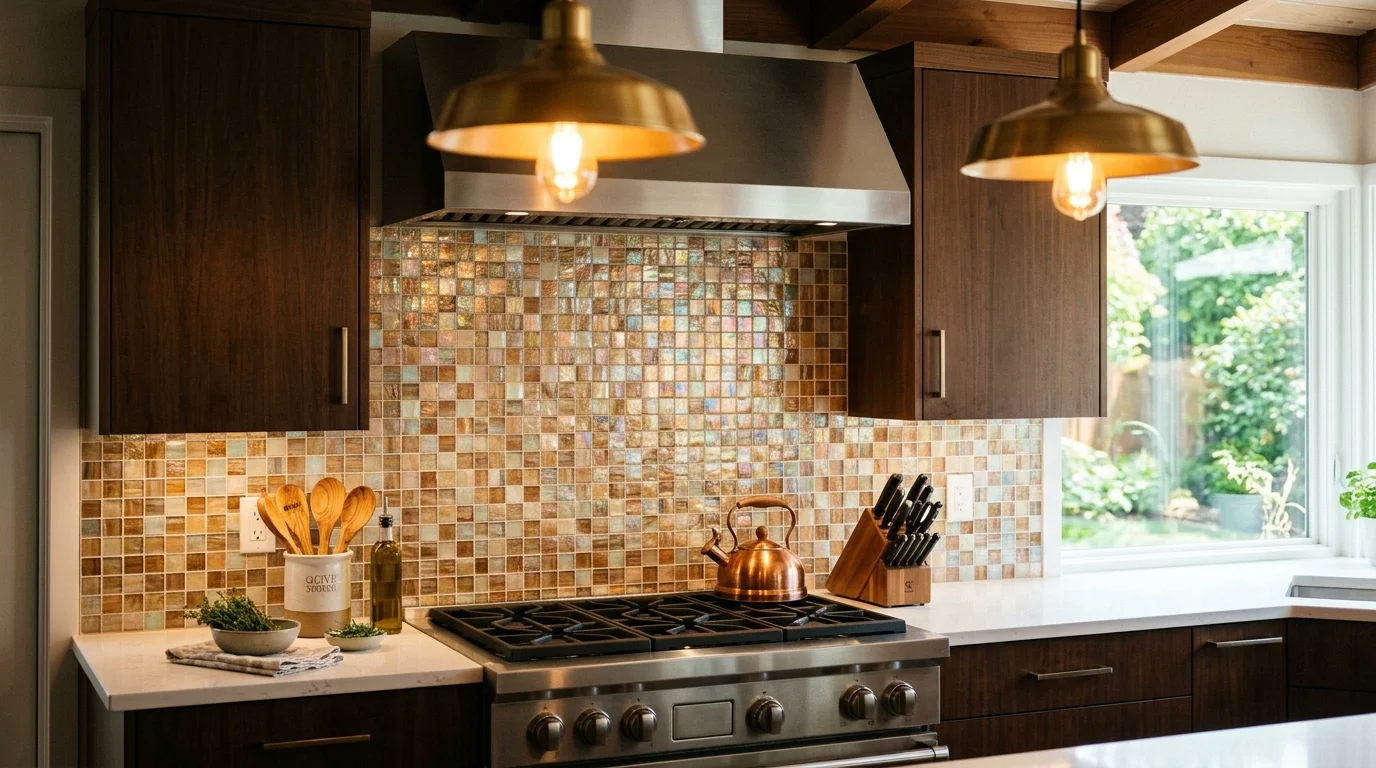
Mosaic glass tiles represent far more than a decorative choice—they embody a practical investment in both aesthetics and functionality that transforms how you experience your kitchen daily. The combination of visual beauty, proven durability, and design flexibility makes them an intelligent foundation for any kitchen remodeling project. Whether you're drawn to jewel-toned accent walls or subtle iridescent backsplashes, these tiles adapt to your vision while protecting surfaces from moisture and wear.
The success of your installation hinges on two critical factors: selecting quality materials that match your lifestyle and climate, and partnering with professionals who understand the nuances of glass tile placement. A hastily installed backsplash may look stunning initially but deteriorate within years if substrate preparation or grouting techniques fall short. Conversely, thoughtful planning—considering traffic patterns, lighting conditions, and maintenance expectations—ensures your investment performs beautifully for decades.
At WAREMODEL, we approach kitchen remodeling with the philosophy that beautiful spaces should also maximize functionality and value. Rather than overwhelming your kitchen with premium materials everywhere, strategic mosaic glass installations create focal points that deliver maximum impact while respecting your budget. This philosophy extends beyond tiles: every element, from layout to lighting, should serve your daily living while reflecting your personal style.
Ready to transform your kitchen? Explore how thoughtful design and quality materials work together to create spaces that inspire. Our team specializes in helping homeowners like you discover remodeling solutions that truly enhance how you live.