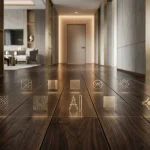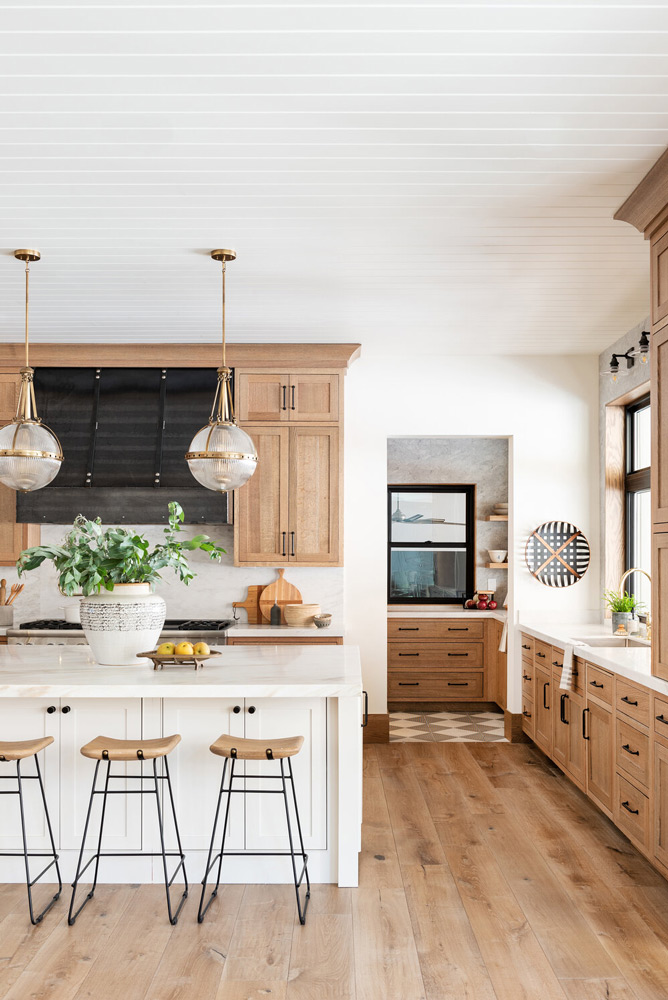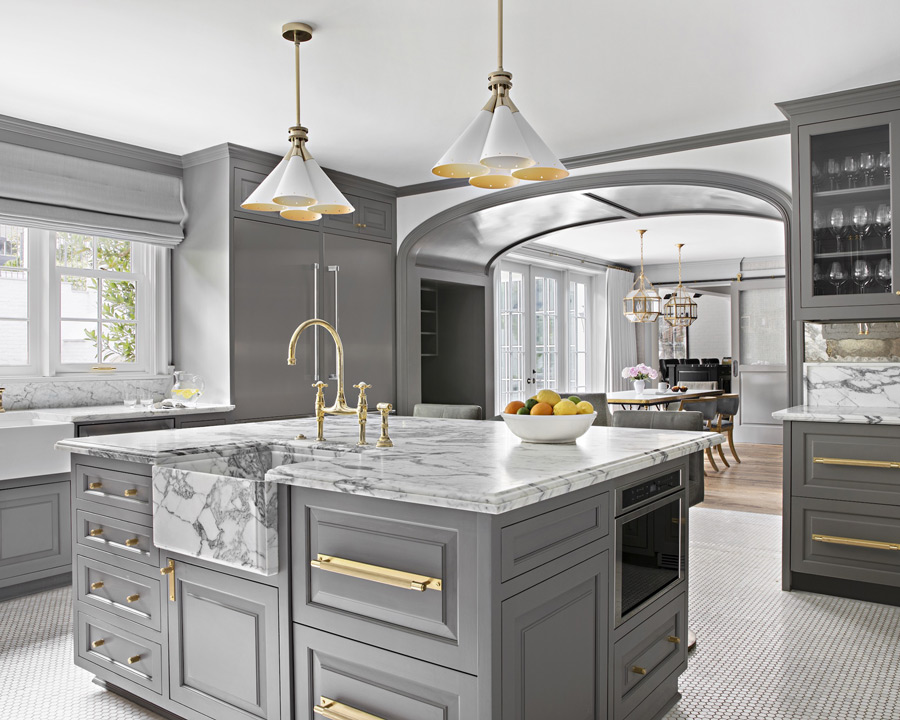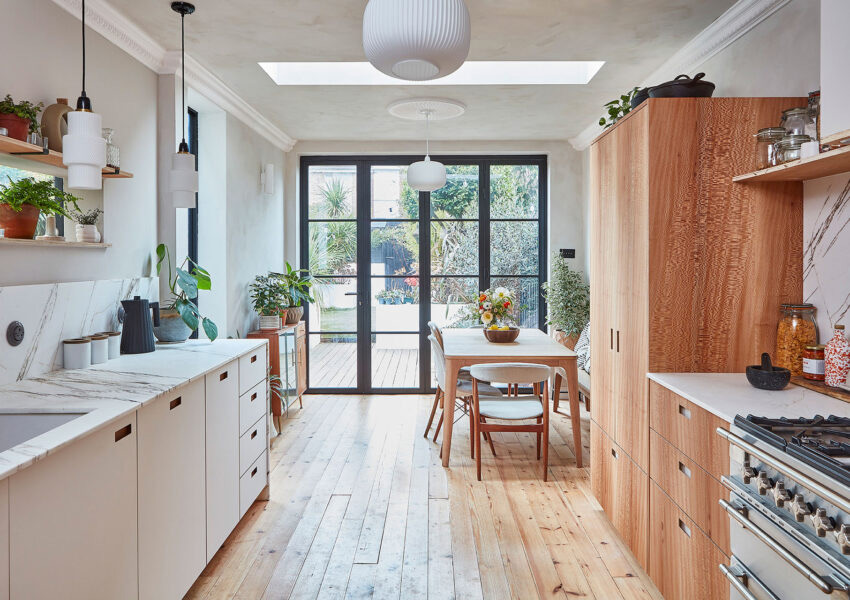
Dark hardwood floors command attention the moment you step into a room. Their rich, sophisticated presence transforms ordinary spaces into refined environments that feel both timeless and contemporary. Whether you're drawn to their visual warmth, their ability to hide dust and footprints, or their proven track record of increasing home value, dark hardwood flooring represents one of the most impactful design decisions you can make during a remodel. The visual appeal alone—those deep chocolate, espresso, and walnut tones—creates an immediate sense of luxury that lighter alternatives simply cannot replicate.
Quick Answer: Dark hardwood floor pictures reveal that this flooring style dominates contemporary design trends, with homeowners increasingly choosing deep tones to anchor modern interiors. According to research from the National Association of Realtors, refinishing hardwood floors yields 147% cost recovery, while homes with hardwood flooring sell faster than comparable properties. Beyond aesthetics, dark hardwood floors can increase home value by 2.5% to 5%, making them both a beautiful and financially sound investment.
Beyond the surface-level elegance, dark hardwood floors solve real problems for homeowners navigating modern living. They anchor open-concept spaces, define room boundaries without walls, and create a cohesive visual foundation that allows other design elements—from furniture to wall colors—to shine. This introductory section walks you through why dark hardwood floors deserve serious consideration for your remodel, what design trends they reveal, and how to evaluate whether they're the right choice for your home's unique needs.
The journey from inspiration to installation begins with understanding not just what dark hardwood floors look like, but why they work so effectively in contemporary homes. This article explores fifteen stunning design examples while providing the practical knowledge you need to make an informed decision. Whether you're designing a kitchen, bedroom, or living room, dark hardwood flooring offers versatile styling possibilities that adapt to your aesthetic preferences and functional requirements. Our approach at WAREMODEL focuses on how flooring choices create space for the important things in life—and dark hardwood floors do exactly that by establishing a strong visual foundation that makes homes feel larger, more organized, and genuinely livable.
Table of Contents
- 15 Dark Hardwood Floor Pictures That Define Contemporary Design
- Premium Dark Woods: Five Signature Installations
- Engineered Options: Five Cost-Effective Alternatives
- Modern Stained Alternatives: Five Contemporary Approaches
- Matching Dark Hardwood Floors to Your Home's Design Style
- Solid vs. Engineered Dark Hardwood: What the Pictures Don't Tell You
- Finishing Options: Matte, Satin, and Gloss Dark Hardwood Floors
- Installation, Maintenance, and Long-Term Care for Dark Hardwood Floors
- Choosing Dark Hardwood Floors for Your Next Remodel Project
15 Dark Hardwood Floor Pictures That Define Contemporary Design
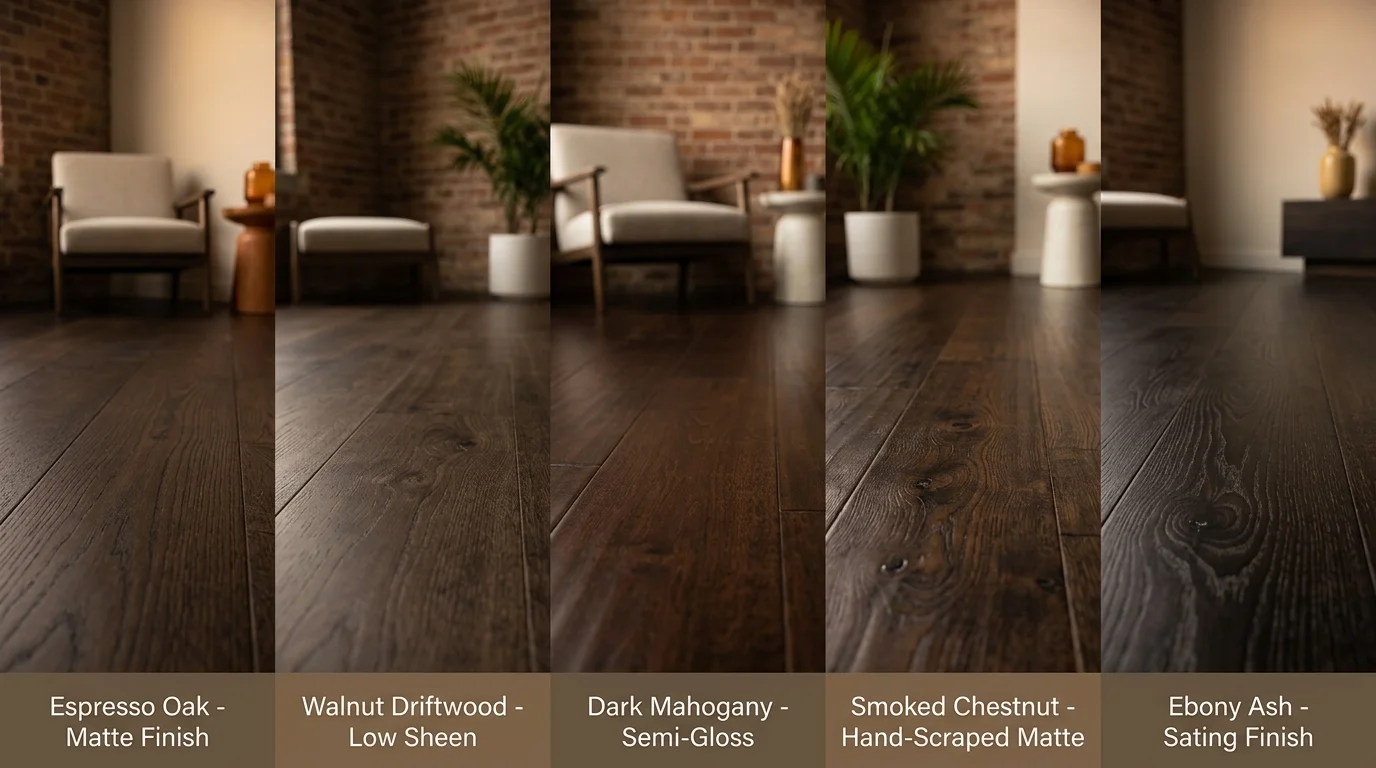
Understanding the aesthetic and functional appeal of dark hardwood floors requires moving beyond inspiration alone—it demands concrete examples that illustrate how different wood species, finishes, and installation styles transform residential spaces. The following fifteen designs showcase the versatility of dark hardwood flooring across three distinct categories, each revealing why these floors have become central to contemporary home remodeling.
Premium Dark Woods: Five Signature Installations
1. Brazilian Walnut (Ipe) with Matte Finish in Open-Plan Living
Brazilian walnut delivers exceptional durability paired with rich chocolate-brown tones that deepen over time. A matte finish minimizes glare while emphasizing the wood's natural grain patterns, creating visual warmth without reflectivity. This species works beautifully in high-traffic open-concept spaces where its density resists scratching and maintains its appearance for decades. The cost ranges from $5 to $10 per square foot for materials, reflecting its premium status and longevity.
2. African Wenge with Semi-Gloss Finish in Contemporary Kitchens
Wenge presents nearly black coloring with subtle purple undertones, offering dramatic visual contrast against light cabinetry. A semi-gloss finish amplifies the wood's depth while providing practical durability for kitchen environments. This pairing creates striking visual separation between flooring and upper cabinetry, establishing clear spatial definition in open-plan kitchens without requiring additional architectural elements.
3. Genuine Mahogany with Hand-Scraped Texture in Formal Dining
Hand-scraped mahogany combines deep reddish-brown hues with intentional surface irregularities that catch light variably across the floor. This texture adds tactile interest and masks minor wear patterns, making it ideal for formal dining areas where visual sophistication matters alongside practical durability. Mahogany typically costs $6 to $8 per square foot and develops character through natural patina.
4. Cumaru with Natural Oil Finish in Bedrooms
Cumaru (also called Brazilian Teak) offers warm chocolate tones with natural resistance to moisture and insects. An oil-based finish enhances the wood's organic character while maintaining a low-sheen appearance that feels inviting underfoot. This combination creates serene bedroom environments where the flooring establishes a grounding visual anchor without competing with soft furnishings.
5. Santos Rosewood with Satin Finish in Home Libraries
Santos rosewood delivers deep burgundy-brown coloring with dramatic grain variation that creates visual movement across expansive floor areas. A satin finish balances reflectivity with practicality, preventing glare while showcasing the wood's natural beauty. In library or study settings, this flooring establishes an atmosphere of quiet sophistication and permanence.
Engineered Options: Five Cost-Effective Alternatives
6. Engineered Walnut with Prefinished Matte in Bathrooms
Engineered walnut construction—featuring a walnut veneer over plywood—provides the aesthetic of solid walnut at lower cost while offering superior moisture resistance for bathroom applications. Prefinished matte coatings ensure consistent appearance and eliminate on-site finishing delays. This option delivers authentic dark hardwood floor design without the installation complexity or premium pricing of solid species.
7. Engineered Hickory with Hand-Scraped Surface in Rustic Kitchens
Hand-scraped engineered hickory combines the wood's natural color variation with intentional surface texturing that adds visual depth. The engineered construction resists cupping and warping in kitchens where moisture fluctuates seasonally. This design approach creates authentic character while maintaining dimensional stability that solid hardwood cannot guarantee in moisture-prone areas.
8. Engineered Ash with Distressed Finish in Transitional Spaces
Distressed engineered ash features intentional denting and wire-brushing that creates an aged appearance while the engineered core ensures structural stability. This finish style bridges traditional and contemporary aesthetics, working effectively in homes that blend design periods. The construction method allows for wider plank widths without the movement concerns of solid wood.
9. Engineered Maple with Espresso Stain in Modern Apartments
Engineered maple stained to espresso-dark tones provides the visual weight of naturally dark species while leveraging maple's inherent stability. This combination suits apartment living where engineered construction's reduced expansion and contraction prevents floor noise and movement. The staining process creates uniform color that reads as intentional design rather than natural variation.
10. Engineered Birch with Matte Polyurethane in High-Traffic Hallways
Engineered birch with dark stain and matte polyurethane finish delivers durability for hallways and transition spaces where foot traffic concentrates. The engineered construction withstands temperature and humidity changes that occur near exterior doors and entry points. This practical choice maintains dark hardwood floor aesthetics while prioritizing longevity in demanding residential locations.
Modern Stained Alternatives: Five Contemporary Approaches
11. Solid White Oak Stained Ebony in Minimalist Interiors
White oak stained to ebony-black creates striking visual contrast while preserving the wood's characteristic grain visibility. In minimalist interiors, this approach provides the only visual texture, allowing furnishings and architectural elements to define the space. The staining process transforms an affordable domestic species into a design statement that rivals premium dark woods in visual impact.
12. Solid Red Oak with Charcoal Stain and Matte Polyurethane in Farmhouse Kitchens
Red oak's prominent grain pattern becomes a design feature when stained charcoal and finished with matte polyurethane. This combination creates visual interest while the matte finish prevents the plastic appearance that glossy coatings can produce. The approach successfully bridges farmhouse and contemporary aesthetics, appealing to homeowners seeking warmth without traditional styling.
13. Solid Ash with Graphite Stain in Industrial Lofts
Ash stained graphite-gray delivers the cool-toned darkness that industrial design demands while maintaining wood's organic character. The open grain structure of ash becomes visually prominent under dark staining, creating texture that complements exposed brick and metal elements common in loft conversions. This staining approach costs significantly less than premium dark species while achieving comparable visual sophistication.
14. Solid Hickory with Espresso Stain in Eclectic Living Rooms
Hickory's natural color variation becomes a design asset when stained espresso-dark, creating tonal complexity across the floor surface. This variation prevents the monotonous appearance that uniform staining can produce in large open spaces. The stain-grade approach allows homeowners to customize darkness levels while maintaining wood authenticity—a practical solution for those seeking dark flooring without premium species costs.
15. Solid Maple with Charcoal Stain and Satin Polyurethane in Contemporary Bedrooms
Maple's fine, uniform grain becomes a subtle design element when stained charcoal and sealed with satin polyurethane. This combination delivers the visual sophistication of dark flooring while maintaining the understated elegance contemporary bedrooms demand. The satin finish provides practical durability while the tight grain structure resists scratching better than open-grain species.
Matching Dark Hardwood Floors to Your Home’s Design Style
Dark hardwood floors serve as a powerful design anchor, but their success depends entirely on how thoughtfully you integrate them with your home's overall aesthetic. The same espresso-stained oak that grounds a minimalist loft may feel heavy in a traditional farmhouse without deliberate styling choices. Understanding how dark floor design works across distinct interior vocabularies ensures your investment enhances rather than conflicts with your vision.
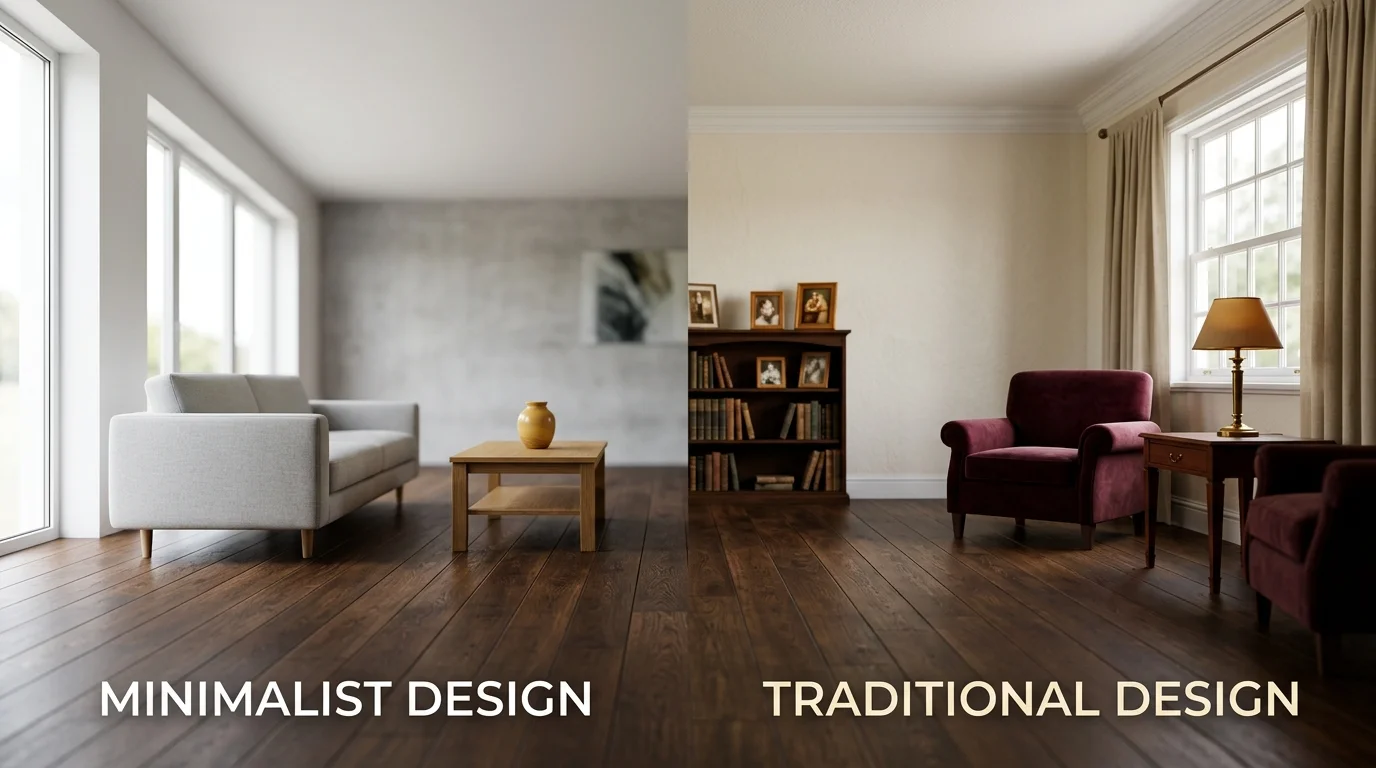
Modern Minimalist spaces thrive when dark floors provide visual weight that allows walls and furnishings to breathe. Pair charcoal or graphite-stained hardwoods with soft white or warm gray walls, keeping trim minimal and unadorned. Furniture should feature clean lines and low profiles—think platform beds and floating shelves—so the floor becomes a grounding element rather than competing for attention. The matte finishes shown in designs 12 and 13 from our previous examples work exceptionally well here, as they eliminate visual gloss and maintain the understated sophistication minimalism demands.
Traditional and Classic interiors benefit from the warmth dark floors provide when combined with cream, taupe, or soft gold wall colors. Crown molding, baseboards, and wainscoting gain definition against dark flooring, creating the architectural detail these styles celebrate. Furniture with turned legs, upholstered pieces, and rich fabrics anchor the formality. The solid hickory with espresso stain (design 14) exemplifies this approach—its natural color variation prevents the monotonous appearance that can plague uniform dark floors in formal settings.
Industrial design embraces dark floors as a complement to exposed brick, metal fixtures, and concrete elements. Graphite-stained ash (design 13) pairs beautifully with cool gray walls, steel accents, and reclaimed wood or metal shelving. The open grain structure becomes a textural asset rather than a liability, adding organic warmth to otherwise austere spaces.
Transitional and Rustic styles leverage dark floors to bridge contemporary comfort with traditional character. Warm neutrals, layered textures, and a mix of old and new furnishings work naturally with dark hardwood, creating spaces that feel both grounded and lived-in. When planning your remodel, consider how dark wood floors pair with light wood furniture to create visual contrast and depth—a principle that applies across multiple design vocabularies.
The key principle: dark hardwood floors demand intentional color and material choices elsewhere in the room. They're not neutral backdrops but design statements that require complementary, not competing, elements.
Solid vs. Engineered Dark Hardwood: What the Pictures Don’t Tell You
When you scroll through dark hardwood floor pictures, the visual distinction between solid and engineered options becomes nearly invisible. Both deliver the same rich, sophisticated aesthetic. Yet beneath that surface uniformity lies a critical difference that determines whether your remodel will thrive or deteriorate—especially in moisture-prone environments.
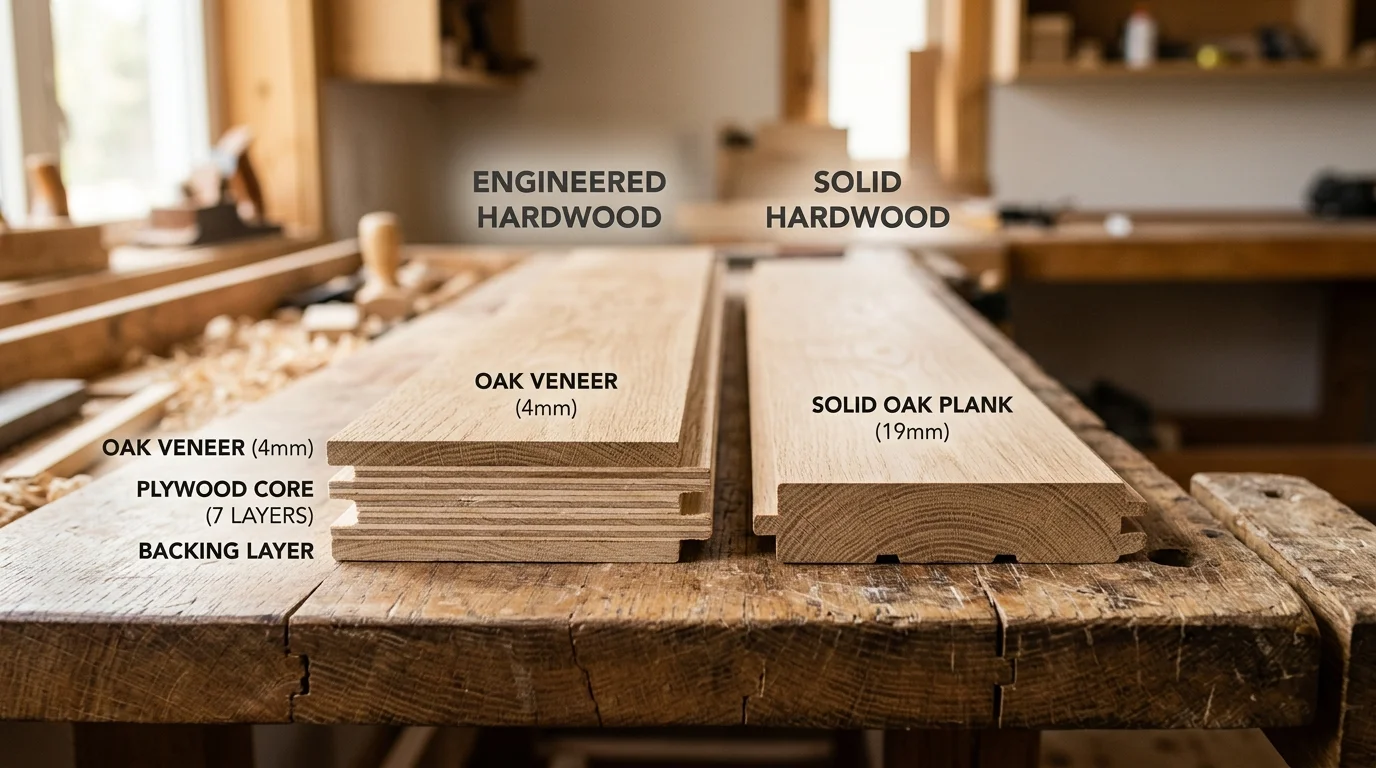
Solid hardwood is exactly what its name suggests: a single piece of wood milled to finished dimensions. It's durable, authentic, and refinishable multiple times throughout its life. According to Urban Tree Flooring, solid hardwood can last 75 to 100 years and be refinished 4 to 7 times, making it a long-term investment for living rooms, bedrooms, and formal spaces. However, solid wood is hygroscopic—it absorbs and releases moisture with humidity changes, causing expansion and contraction that can lead to cupping, warping, or gaps.
Engineered hardwood features a real hardwood veneer bonded to a plywood or high-density fiberboard core in a cross-ply construction. This layered structure resists moisture fluctuations far more effectively than solid wood. Engineered hardwood typically lasts 20 to 40 years and can be refinished 1 to 3 times, depending on wear layer thickness. Its superior stability makes it the practical choice for kitchens, bathrooms, basements, and installations over concrete—spaces where moisture exposure is inevitable during a remodel.
| Factor | Solid Hardwood | Engineered Hardwood |
|---|---|---|
| Cost (installed) | $11–$25/sq ft | $9–$20/sq ft |
| Lifespan | 75–100 years | 20–40 years |
| Refinishing cycles | 4–7 times | 1–3 times |
| Moisture resistance | Low; prone to warping | High; cross-ply stable |
| Installation flexibility | Requires acclimation; limited subfloor options | Floats, glues, or nails; works over concrete |
| Maintenance | Regular refinishing needed | Easier upkeep; limited refinishing |
For dark flooring options in moisture-sensitive areas, engineered hardwood's cross-ply construction makes it more moisture-resistant and better able to handle humidity and temperature fluctuations. This is why kitchens and bathrooms benefit from engineered construction—the visual appeal of dark wood remains intact while the structural integrity stays protected.
The cost difference is modest. Solid hardwood commands a premium for its longevity and refinishing potential, while engineered floors offer better value upfront and superior performance in challenging conditions. When planning your remodel, consider room function first. Living rooms and bedrooms are ideal for solid hardwood's timeless durability. Kitchens, bathrooms, and basements demand engineered construction's moisture resilience. This practical distinction separates remodels that endure from those that require costly repairs within a decade.
Finishing Options: Matte, Satin, and Gloss Dark Hardwood Floors
The finish you choose transforms dark hardwood floors from a raw material into a functional surface that either hides or reveals every footprint, dust particle, and imperfection. Three primary finishes dominate the market, each delivering distinctly different visual and practical outcomes.
Matte finishes offer approximately 25% luster, creating a soft, contemporary appearance that feels understated and sophisticated. This low-sheen option excels at concealing dust, footprints, and minor scratches—a genuine advantage in high-traffic areas. However, matte finishes show surface wear more readily over time and require more frequent touch-ups than their glossier counterparts. They work beautifully in modern, minimalist, and industrial design schemes where the wood's natural character takes priority over reflective shine.
Satin finishes strike the practical middle ground with roughly 40% luster, according to Panel Town & Floors. This balanced sheen provides better durability and moisture resistance than matte while remaining forgiving with dust visibility. Satin finishes are also more resistant to damage and easier to maintain using standard hardwood cleaners. Their versatility makes them the most popular choice across residential settings—they complement traditional, transitional, and contemporary styles equally well. Satin works particularly well in kitchens and bathrooms where moisture exposure demands superior protection.
Gloss finishes deliver high shine and formal elegance but demand commitment. They amplify light reflection, making rooms feel larger and more luxurious, yet every dust particle becomes visible. Gloss finishes suit formal dining rooms, entryways, and master bedrooms where foot traffic remains controlled and aesthetic impact justifies the maintenance burden.
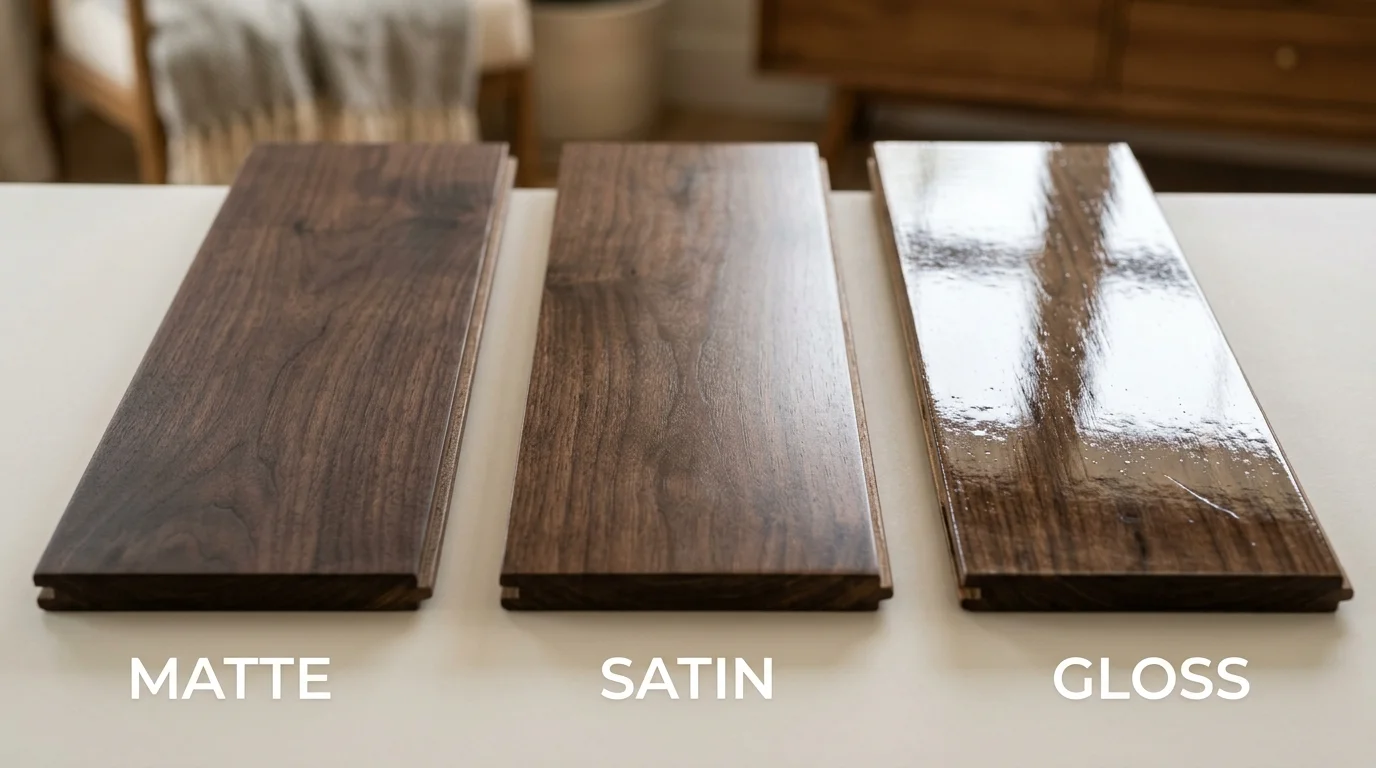
When selecting a finish for your dark hardwood floor remodel, prioritize room function first. Living spaces benefit from satin's balance of beauty and practicality, while formal areas can embrace gloss for maximum visual impact. Consider pairing your finish choice with complementary design elements—our team at WAREMODEL helps homeowners align flooring finishes with overall spatial design to maximize both aesthetic appeal and long-term durability.
Installation, Maintenance, and Long-Term Care for Dark Hardwood Floors
Dark hardwood floors demand precision during installation and consistent attention throughout their lifespan, yet the payoff—a floor that deepens in character with age—justifies the commitment. Understanding both the installation process and maintenance requirements transforms what might seem intimidating into manageable, predictable care.
Preparation and Installation Foundation
Before a single plank lands, subfloor preparation determines everything. Your subfloor must be structurally sound, flat within 3/16 inch over 10 feet, and moisture-stable. Moisture is dark hardwood's primary adversary; excess humidity causes cupping and warping, while insufficient moisture creates gaps. Acclimation—allowing wood to sit in your home's environment for 5–7 days before installation—equalizes moisture content and prevents post-installation movement.
Installation method matters significantly. Nail-down installation (the traditional approach) works best over solid wood subfloors and offers maximum stability. Glue-down methods suit concrete slabs and provide excellent moisture resistance. Floating installations, where planks lock together without fastening to the subfloor, offer flexibility and easier replacement but require careful underlayment selection. Professional installation ensures proper spacing, staggered joints, and correct fastening patterns—mistakes here compound into visible issues within months.
Ongoing Maintenance Routines
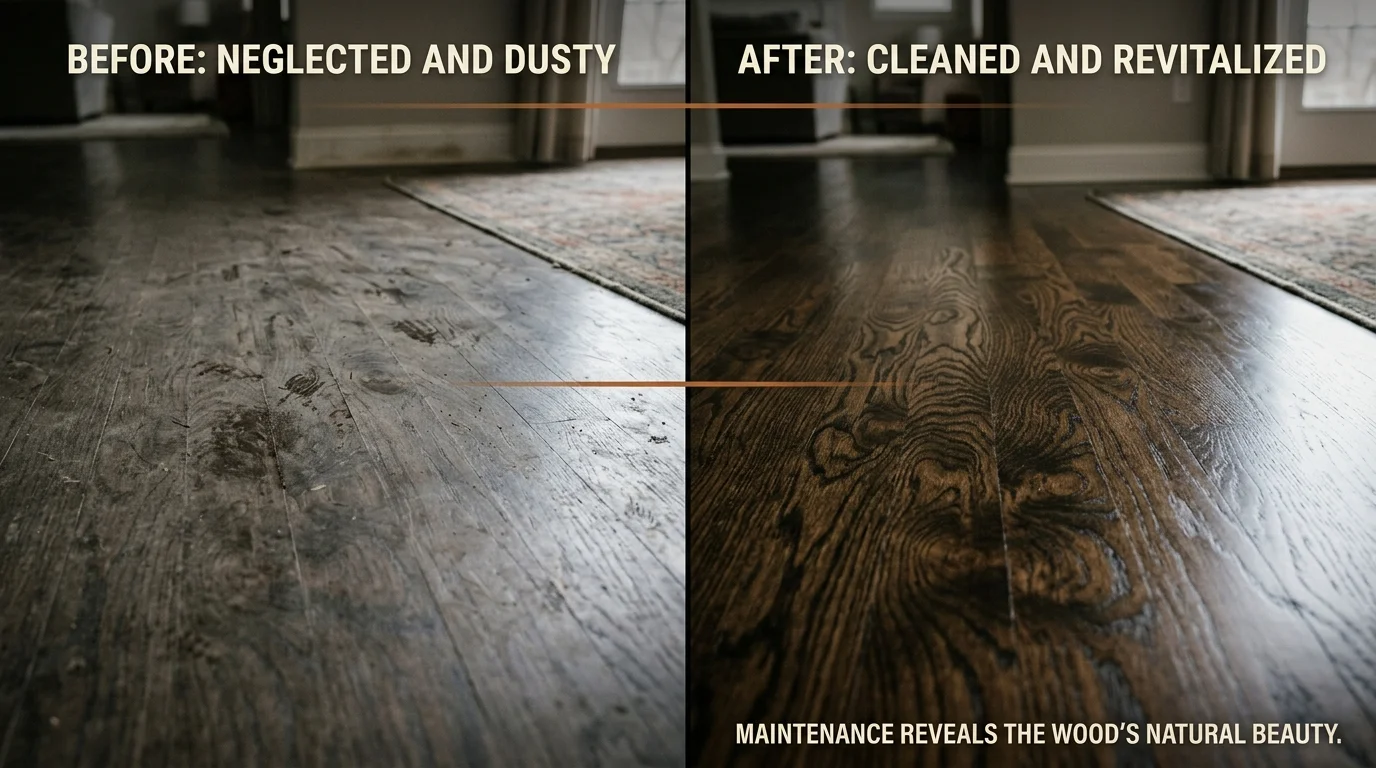
Dark floors show dust and footprints more visibly than lighter species, but this visibility actually encourages regular maintenance that extends floor life. Vacuum weekly using a soft-bristle attachment to prevent fine particles from scratching the surface. Damp-mop monthly with pH-neutral hardwood cleaner diluted properly; excess water is your enemy. Wipe spills immediately—standing moisture penetrates finishes and damages wood beneath.
Prevent scratches by placing felt pads under furniture legs and using area rugs in high-traffic zones. Maintain consistent humidity between 30–50% using humidifiers or dehumidifiers as seasons change. Sunlight fades dark finishes over time; rotate furniture periodically and use UV-filtering window treatments in bright rooms.
Refinishing and Long-Term Investment
Solid hardwood can be refinished every 7 to 10 years depending on traffic levels, with each sanding removing approximately 1/32 inch of wood. According to HomeWyse data on hardwood refinishing costs, refinishing ranges from $3 to $8 per square foot, with dark stains or custom finishes adding $1 to $2 per square foot. This investment extends your floor's life by another decade or more, making it one of the most cost-effective long-term renovations.
At WAREMODEL, we help homeowners plan refinishing schedules as part of their broader remodeling strategy, ensuring dark hardwood floors remain central to your home's design for decades. Engineered dark hardwood offers limited refinishing options—typically one light sand and recoat—so choose installation methods and finishes with permanence in mind.
Dark hardwood floors are maintainable. Their visibility simply means you'll notice and address issues before they become serious, ultimately protecting your investment.
Choosing Dark Hardwood Floors for Your Next Remodel Project
Dark hardwood floors represent far more than a surface choice—they're an investment in your home's character and long-term value. Throughout this guide, you've explored stunning visual examples, learned the distinction between solid and engineered options, and discovered how finish selection impacts both appearance and maintenance. The evidence is clear: when selected thoughtfully and maintained consistently, dark hardwood floors deliver timeless elegance across contemporary, transitional, and traditional design styles.
The real power of dark hardwood lies in its versatility. Whether you're pairing them with light wood furniture for visual contrast or anchoring a monochromatic palette, these floors adapt to your vision while maintaining their sophisticated presence. They hide dust and footprints, add perceived depth to spaces, and create the foundation for countless design directions. Most importantly, they increase home resale value when installed as part of a comprehensive remodel strategy.
At WAREMODEL, we understand that flooring decisions extend beyond aesthetics—they shape how your home functions and feels for decades. Our team helps homeowners assess their specific needs, evaluate solid versus engineered durability for their lifestyle, and integrate dark hardwood installation into a cohesive remodeling plan that maximizes both space and value.
Ready to bring dark hardwood floors into your home? Contact WAREMODEL's remodeling experts today to discuss your space, explore finish options, and develop a flooring strategy that transforms your home while protecting your investment.