Metal tiles have emerged as a defining element in contemporary kitchen design, offering a sophisticated fusion of industrial aesthetics and practical durability. As homeowners seek to create spaces that reflect both style and functionality, these tiles deliver a distinctive visual impact while withstanding the demanding environment of a working kitchen. The reflective surfaces catch light beautifully, making compact kitchens feel more spacious and open, while their resilience to moisture, stains, and heat makes them an exceptionally intelligent choice for backsplashes and accent walls.
Quick Answer: Metal kitchen tiles are durable, reflective surface materials—typically stainless steel, copper, or aluminum—installed as backsplash or accent features in modern kitchens. Their primary benefit is superior resistance to moisture and staining combined with striking visual depth that instantly elevates kitchen aesthetics. This guide explores the best options for modern remodeling, helping you select tiles that balance style with longevity.
The growing popularity of metallic backsplash tiles reflects a broader shift toward industrial-modern kitchen design. According to Verified Market Reports, metal floor tiles represent the fastest-growing segment in the kitchen tile market, driven by rising demand for contemporary, industrial-inspired spaces. Whether you're planning a complete kitchen renovation or a focused backsplash upgrade, understanding your options—from brushed finishes to bold copper accents—ensures you invest in tiles that enhance both your home's functionality and resale value.
This article walks you through the best metal kitchen tile selections available, examining their specific applications, durability profiles, and design versatility. You'll discover how to pair these tiles with existing cabinetry, learn installation considerations, and find guidance on selecting the right finish for your remodeling vision.
Table of Contents
- Why Metal Tiles Work Best for Kitchen Remodeling
- Top Metal Tile Options for Kitchen Backsplashes
- Installation and Maintenance Tips for Metal Kitchen Tiles
- Metal Tiles vs. Traditional Kitchen Backsplash Materials
- Designing Your Kitchen Around Metal Tile Features
- Selecting the Right Metal Tiles for Your Kitchen Remodel
Why Metal Tiles Work Best for Kitchen Remodeling
Metal tiles deliver a compelling combination of durability, hygiene, and aesthetic sophistication that makes them ideal for modern kitchen spaces. Unlike traditional ceramic or stone options, metallic surfaces offer functional advantages that extend far beyond visual appeal—they actively contribute to a kitchen's efficiency and longevity while supporting the streamlined, uncluttered aesthetic that defines contemporary design.
The durability profile of metal kitchen backsplash tiles is exceptional. Stainless steel, copper, and aluminum resist corrosion, heat damage, and warping in ways that standard materials cannot match. These surfaces withstand the thermal stress of cooking appliances, the moisture exposure near sinks, and the daily wear of active kitchens without degradation. This resilience translates directly into lower maintenance costs and fewer replacement cycles over your home's lifetime.
Hygiene is another critical advantage. Stainless steel's smooth, non-porous surface makes it harder for bacteria to attach and multiply, making tiles easier to clean and disinfect. For copper alloys, the antimicrobial benefits are even more pronounced—according to research registered by the U.S. Environmental Protection Agency, copper kills greater than 99.9% of bacteria within two hours and continues to eliminate 99% of bacteria even after repeated contamination. This natural antimicrobial property adds a layer of food safety that resonates with health-conscious homeowners.
From a design perspective, metal tiles create visual depth and reflect light in ways that expand perceived space—a key principle in our innovative remodeling philosophy of creating more room for the important things in life. The reflective quality of brushed or polished finishes brightens kitchens, reduces reliance on artificial lighting, and pairs seamlessly with modern cabinetry, minimalist hardware, and contemporary color palettes. Whether you choose the industrial warmth of copper or the clean neutrality of stainless steel, these materials anchor a cohesive, forward-thinking kitchen aesthetic that enhances both daily functionality and long-term home value.
Top Metal Tile Options for Kitchen Backsplashes
Selecting the right metal tile for your kitchen backsplash requires understanding how different materials perform in terms of aesthetics, durability, and maintenance. Each metal type brings distinct characteristics that align with specific design visions and practical needs. The following comparison table provides a clear overview of your primary options, allowing you to evaluate finishes, price points, and ideal applications side by side.
| Metal Type | Finish Options | Price Range (Installed) | Best Kitchen Style | Durability | Maintenance |
|---|---|---|---|---|---|
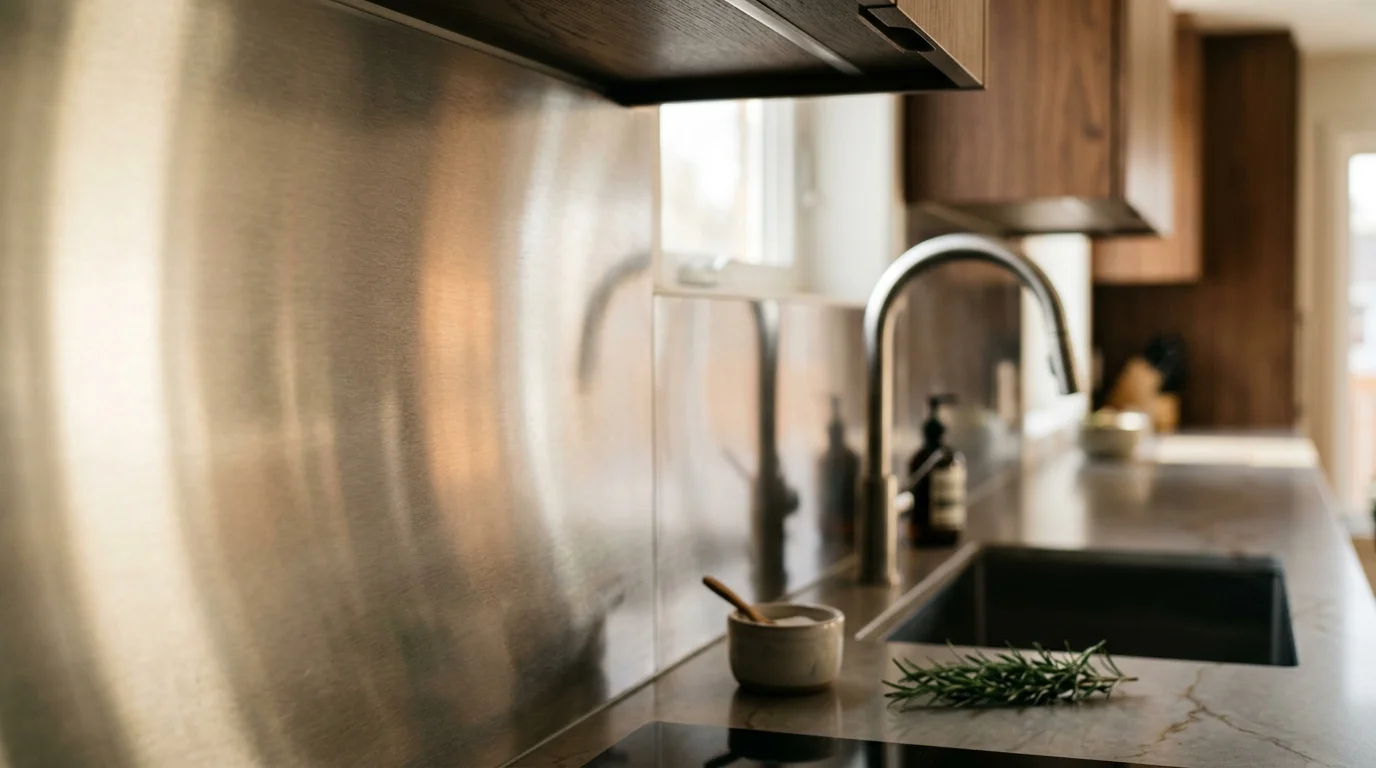
| Stainless Steel | Brushed, polished, matte | $56–$60/sq ft | Modern, industrial, minimalist | Excellent | Moderate (fingerprints visible) |
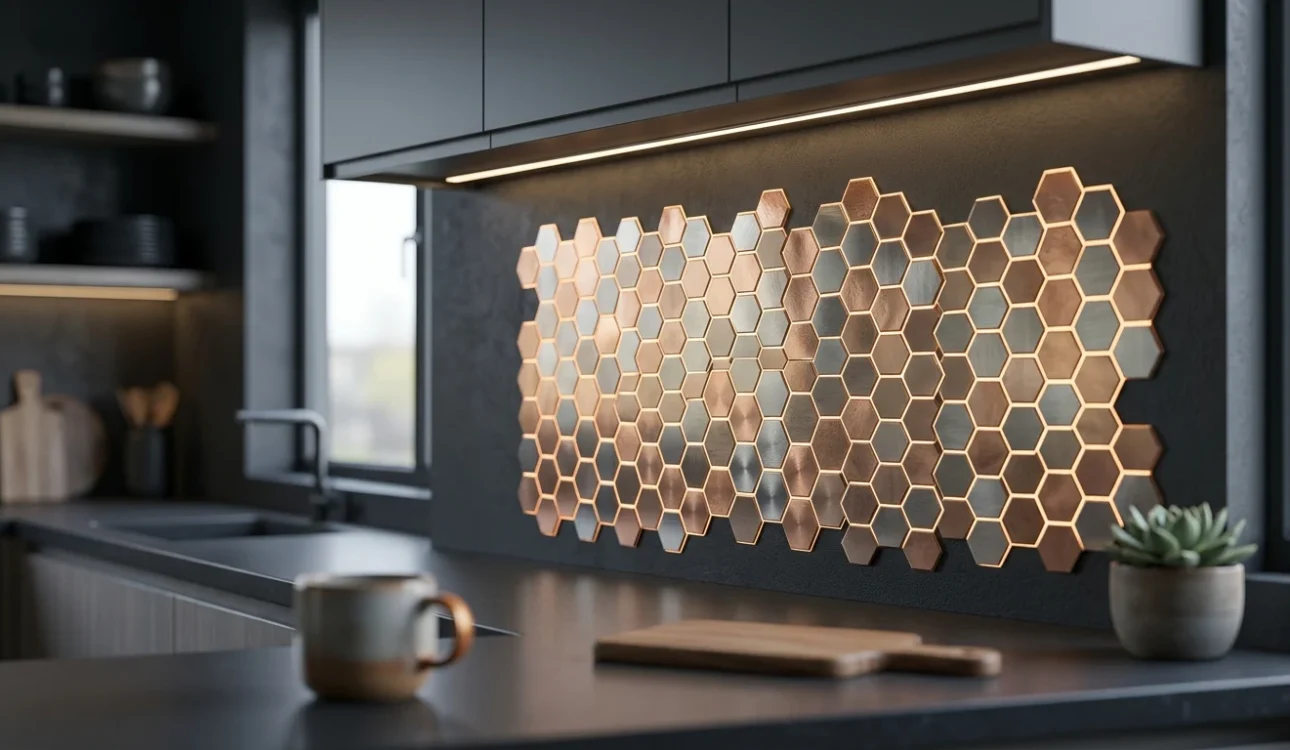
| Copper | Hammered, smooth, patina | $35+/sq ft material | Warm contemporary, eclectic | Very good | High (develops patina over time) |
| Aluminum | Brushed, anodized | $20–$40/sq ft | Modern, Scandinavian | Good | Low (lightweight, corrosion-resistant) |
| Bronze | Brushed, antiqued | $30–$50/sq ft | Transitional, vintage-modern | Excellent | Moderate (natural aging adds character) |
Stainless Steel remains the industry standard for modern kitchens. According to Skipp Renovation, stainless steel tiles cost approximately $20 per square foot for materials, with installation adding $36 per square foot. The brushed finish hides water spots better than polished versions, making it practical for high-splash zones behind cooktops. Its neutral tone pairs seamlessly with contemporary cabinetry and works equally well in industrial or minimalist schemes.
Copper delivers warmth and visual richness that stainless steel cannot match. The material naturally develops a protective patina over time, which many homeowners embrace as part of the design evolution. Copper's antimicrobial properties—discussed in the previous section—add functional value beyond aesthetics. Budget around $35 per square foot for the material itself, and expect higher installation costs due to the specialized handling required.
Aluminum offers a lightweight, budget-conscious alternative without sacrificing modern appeal. Its anodized finishes resist corrosion and fingerprints better than raw aluminum, making maintenance straightforward. This option works particularly well in Scandinavian or minimalist kitchens where clean lines and understated elegance dominate the design language.
Bronze bridges traditional and contemporary aesthetics. Its warm undertones complement both dark and light cabinetry, and the material ages gracefully, developing character rather than deteriorating. Bronze tiles work exceptionally well when you're designing innovative kitchens and flooring that blend timeless appeal with modern functionality—a philosophy central to creating spaces where form and function coexist.
When evaluating these options, consider your kitchen's existing color palette, lighting conditions, and how much maintenance you're willing to commit to. Reflective metal tiles amplify natural and artificial light, expanding your kitchen's perceived space—a principle that aligns with creating more room for the important things in life.
Installation and Maintenance Tips for Metal Kitchen Tiles
Proper installation of metal kitchen tiles requires attention to substrate preparation and material compatibility. Begin by ensuring your wall or backsplash surface is clean, dry, and structurally sound—any moisture or unevenness will compromise adhesion and longevity. Use a cement-based or epoxy adhesive specifically formulated for metal tiles; standard thin-set mortar may not provide adequate bond strength due to metal's non-porous surface. Apply adhesive with a notched trowel in consistent ridges, pressing tiles firmly to eliminate air pockets. Grout selection matters equally—use epoxy or urethane-based grout rather than traditional cement grout, as these resist staining and moisture penetration better on reflective surfaces.
Installation typically progresses quickly, with basic backsplash projects taking approximately two days: one full day for wall preparation and tile placement, and another half day for grouting, cleaning, and sealing. This efficiency makes metal tiles practical for homeowners managing tight remodeling timelines.
Maintenance is where metal tiles truly shine. Weekly cleaning requires only warm soapy water and a soft cloth—avoid abrasive scrubbers that scratch the finish. For stubborn spots, use a pH-neutral cleaner; acidic or alkaline products can dull finishes over time. Fingerprints disappear easily with a microfiber cloth, and mineral deposits wipe away without effort. To prevent corrosion on copper or bronze tiles, apply a clear protective sealant annually. Stainless steel and anodized aluminum demand minimal intervention beyond routine wiping.
When planning your remodeling project, understand that metal tiles' reflective properties amplify both natural and artificial light, effectively expanding your kitchen's perceived space—a principle central to designing innovative kitchens and flooring that maximizes functionality without sacrificing aesthetics. Protect tiles during construction by covering them with kraft paper until final cleanup, preventing adhesive splatter and dust accumulation. This straightforward maintenance and installation process makes metal tiles an accessible choice for modern remodeling, delivering lasting beauty with minimal ongoing effort.
Metal Tiles vs. Traditional Kitchen Backsplash Materials
Understanding how metal tiles compare to ceramic, glass, and stone alternatives is essential for making an informed remodeling decision. Each material brings distinct advantages and limitations that affect both immediate installation costs and long-term performance in your kitchen environment.
Cost and Installation
Ceramic tile backsplashes start at $12 per square foot, making them the most budget-friendly option for homeowners prioritizing affordability. Glass tiles begin around $36 per square foot, while natural stone and metal tiles typically fall in the $25–$50+ range depending on finish and thickness. Installation complexity varies: ceramic requires standard mortar and grout, while metal tiles often demand specialized adhesives and careful handling to prevent scratching during application. Metal tiles' reflective properties can amplify both natural and artificial light, effectively expanding your kitchen's perceived space—a principle central to designing innovative kitchens and flooring that maximizes functionality without sacrificing aesthetics.
Durability and Maintenance
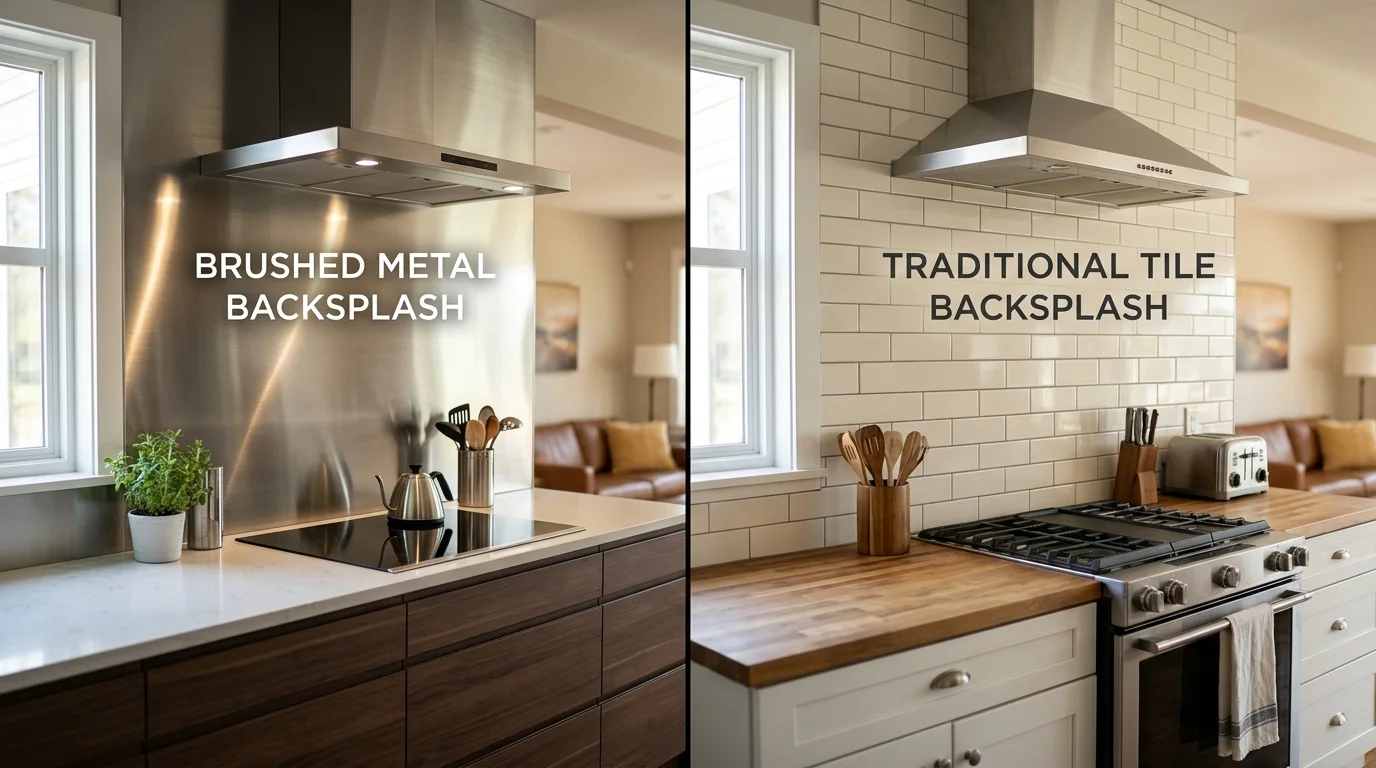
Glass tiles offer zero water absorption, making them ideal for moisture resistance, while ceramic tiles are more impact-resistant and budget-friendly. Metal tiles excel in both categories: stainless steel resists corrosion indefinitely, and anodized aluminum provides superior durability with minimal maintenance. Stone requires regular sealing to prevent staining and etching from acidic substances. Metal backsplash materials demand only routine wiping with pH-neutral cleaners—no sealants or grout maintenance required. Ceramic and stone demand periodic regrouting and sealing, adding long-term labor and material costs.
Aesthetic Flexibility
Ceramic offers unlimited color and pattern options but can appear dated quickly. Glass provides contemporary elegance but shows fingerprints and water spots prominently. Stone delivers timeless sophistication yet limits design flexibility. Metal tiles provide industrial-modern appeal with consistent, refined finishes that complement both minimalist and eclectic kitchen styles, making them the superior choice for homeowners seeking lasting design relevance and minimal upkeep.
Designing Your Kitchen Around Metal Tile Features
Metal tiles function best when integrated thoughtfully into your overall kitchen aesthetic rather than treated as an afterthought. The key is understanding how metallic surfaces interact with light, color, and surrounding materials to create a cohesive, functional space that reflects your design vision.
Color Coordination and Cabinet Pairing
Stainless steel and brushed aluminum tiles pair naturally with contemporary cabinetry featuring clean lines and minimal ornamentation. If your kitchen design leans toward minimalist or industrial aesthetics, metal tiles serve as a natural extension of your cabinet finish rather than a competing element. For warmer, transitional kitchens, consider copper or bronze-toned metal tiles alongside warm white or soft gray cabinetry. The reflective quality of metal tiles means they adapt to surrounding colors—they won't clash with traditional wood cabinets if you balance the composition with neutral countertops and lighting. When designing your kitchen layout, think about how these surfaces will reflect and bounce light throughout the space, creating visual continuity.
Lighting as a Design Multiplier
Proper illumination transforms metal tiles from functional backsplash into a design statement. Under-cabinet LED lighting emphasizes the reflective properties of brushed finishes, while pendant lights positioned above an island create dynamic shadow play across metallic surfaces. Natural daylight streaming through windows amplifies the sophisticated shimmer of these materials, making them appear more refined during daytime hours. Conversely, warm accent lighting in the evening creates intimate ambiance without overwhelming the space.
Metal Tiles as Focal Point or Accent
Full-wall metal tile installations command attention and work best in open-concept kitchens where the backsplash is visually prominent. For smaller spaces, consider limiting metal tiles to a strategic accent area—perhaps framing a range hood or defining a prep zone. This approach maintains visual interest while preventing the kitchen from feeling cold or overly industrial. When paired with innovative kitchen and flooring design solutions, metal tiles become part of a larger strategy to create more functional, beautiful spaces that maximize both aesthetics and usable area.
Selecting the Right Metal Tiles for Your Kitchen Remodel
Metal kitchen tiles represent a decisive investment in both aesthetics and functionality for modern kitchen remodeling projects. Throughout this guide, we've explored how these materials deliver superior durability, effortless maintenance, and a refined industrial elegance that elevates any culinary space. The decision to incorporate metal tiles into your kitchen backsplash or accent areas hinges on understanding your priorities: Do you value the reflective shimmer and contemporary sophistication these materials provide? Are you committed to a maintenance routine that keeps them pristine? Do you have the budget to invest in quality installation and complementary design elements?
The framework presented here—evaluating material options, assessing installation requirements, comparing alternatives, and strategizing placement—equips you to make an informed choice aligned with your vision. Metal tiles work best when integrated into a cohesive kitchen strategy that considers lighting, cabinetry, countertops, and overall workflow. When paired with innovative kitchen and flooring design solutions, these tiles become part of a larger remodeling philosophy centered on maximizing both beauty and usable space.
Ready to transform your kitchen with metal tiles? Begin by consulting with experienced kitchen fitters who understand substrate preparation and material compatibility, then explore how this choice complements your home's overall aesthetic. Your kitchen remodel deserves materials that endure and inspire—metal tiles deliver precisely that promise.