

Quick Answer:
Kitchen fitters are specialized professionals who handle the complete installation of your kitchen, from cabinet placement and countertop fitting to appliance setup and finishing touches. According to professional industry research, kitchen fitters play a crucial role in the home improvement and construction industry. To hire the right kitchen fitter, you need to verify their credentials, review past projects, get multiple quotes, and ensure they offer warranties on completed work. The entire process typically takes 5-7 months from initial consultation to final installation.Key Takeaways:
Professional choice: 9 in 10 homeowners choose to hire professional kitchen fitters rather than attempting DIY installation
Market growth: The kitchen installation services market is expanding rapidly, expected to grow from $11.16 billion in 2024 to $16.02 billion by 2031
ROI matters: Kitchen projects deliver strong returns, with minor renovations yielding 96% ROI and major remodels averaging 49% ROI
Table of Contents
What Exactly Is a Kitchen Fitter?

A kitchen fitter is fundamentally different from a general contractor or handyperson. According to industry experts at Fineline Interiors, "A kitchen fitter is a professional tradesperson who specialises in installing kitchens, ensuring all elements – from cabinets and countertops to sinks and appliances – are perfectly fitted." This specialization matters far more than most homeowners realize. While a general contractor might handle framing or electrical work, a kitchen fitter brings laser focus to the intricate precision work that transforms a kitchen space.
What separates kitchen fitters from other tradespeople is their specialized knowledge of kitchen mechanics. They understand the nuances of cabinet alignment, proper ventilation for appliances, plumbing integration, and electrical requirements specific to kitchen installations. They work with custom measurements, irregular wall angles, and integration of both old and new components—something that requires genuine expertise developed through years of hands-on work.
In the context of the modern remodeling industry, kitchen fitters have become indispensable. BuildStream research indicates that "Kitchen fitters play a crucial role within the home improvement and construction industry, specializing in the installation and renovation of kitchens." The scope of their work includes cabinet installation, countertop fitting, sink and faucet placement, appliance integration, backsplash tiling, and final finishing work. This comprehensive skill set means kitchen fitters coordinate with other tradespeople—plumbers, electricians, tile specialists—while managing the overall kitchen installation project.
Why Professional Kitchen Fitters Matter
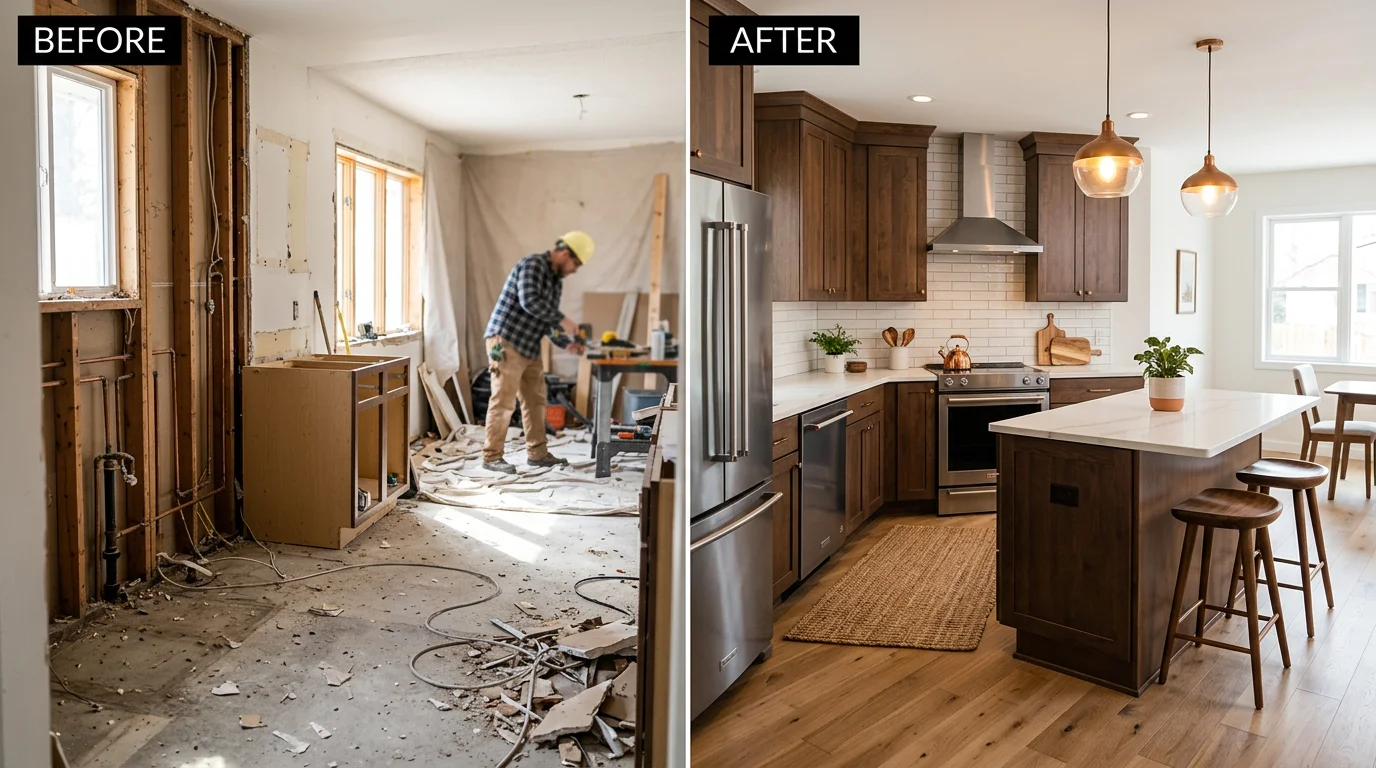
The statistics tell a compelling story about the value of professional kitchen fitters. According to Pro Remodeler's comprehensive industry study, "9 in 10 homeowners choose to hire a professional for kitchen remodels" rather than attempting the work themselves. This isn't just preference—it's a reflection of the complexity and precision required.
Consider the financial implications. When you hire a professional kitchen fitter, you're protecting a significant investment. FOTILE Global's analysis of kitchen renovation statistics reveals that "in 2024, minor kitchen renovations yielded a 96% return on investment, while major kitchen remodels averaged a 49% ROI." That's not just money spent; that's value added to your home. But achieving those returns depends heavily on quality installation. Poor fitting work can dramatically reduce resale value and create ongoing problems that become expensive to fix later.
Beyond financial ROI, there's the practical matter of expertise. Kitchen fitters work with complex interactions between cabinetry, plumbing, electrical, gas lines, and ventilation systems. A cabinet installed just a quarter-inch off can throw off your entire kitchen alignment. Countertops require precise measurements and support structures that aren't obviously apparent. Appliances need specific clearances for proper operation and safety. These aren't theoretical concerns—they're the difference between a kitchen that functions beautifully for decades and one that develops problems within months.
The market reflects this reality. According to ReportPrime's market analysis, "The Kitchen Installation Services Market is expected to grow from USD 11.16 Billion in 2024 to USD 16.02 Billion by 2031, at a CAGR of 5.30% during the forecast period." This sustained growth indicates that homeowners are increasingly recognizing the value of professional kitchen fitting services and are willing to invest in quality workmanship.
Step-by-Step Guide to Hiring Kitchen Fitters
Step 1: Define Your Project Scope and Vision
Before you contact a single kitchen fitter, spend time clarifying what you actually want. Are you doing a complete kitchen overhaul, or are you focusing on cabinet refacing with new countertops? Are you replacing appliances, or keeping existing ones? The scope dramatically affects which kitchen fitters can handle your project and what timeline you should expect.
Create a visual reference collection. Gather photos from Pinterest, home design magazines, showrooms, and websites. This doesn't need to be a formal mood board—just a collection of images that capture the aesthetic and functional elements you prefer. When you meet with kitchen fitters, these references help communicate your vision far better than verbal descriptions.
Document your constraints too. Are you working within a budget? Do you have a deadline (like before selling the home)? Are there structural limitations in your space—low ceilings, odd wall angles, plumbing constraints? This information helps kitchen fitters give you realistic feedback early rather than discovering problems mid-project.
Step 2: Research Kitchen Fitters in Your Area
Start with local recommendations. Ask neighbors who've done recent kitchen remodels which professionals they hired. Check online reviews on platforms that show verified customer feedback. Search for "kitchen fitters near me" or "cabinet installation services [your city]" to identify the professionals actively working in your region. Geographic proximity matters because experienced local kitchen fitters understand regional building codes, material availability, and climate-specific considerations.
When researching, look for professionals who specialize in kitchen installation rather than general construction contractors. Companies like WAREMODEL that focus exclusively on kitchen and bathroom remodeling typically develop deeper expertise than generalists who juggle multiple project types. Specialization correlates with quality—kitchen fitters who do kitchens every single day develop problem-solving skills and efficiency that generalists simply don't achieve.
Check credentials carefully. Kitchen fitters should be licensed, bonded, and insured. In most states, kitchen installation involves plumbing and electrical work that requires proper licensing. Don't hire someone without verifying their licensing status directly with your state's regulatory bodies. Bonding protects you if the contractor disappears mid-project, and insurance protects both you and the fitter from liability.
Step 3: Prepare Detailed Measurements and Specifications
Kitchen fitters need accurate information to provide meaningful estimates. If you don't have professional measurements, schedule an in-home visit. Quality kitchen fitters will measure your space personally, noting wall angles, existing utilities, ceiling heights, and any structural peculiarities. They'll photograph your existing kitchen and create detailed plans.
Have your kitchen layout information ready. If you've already worked with a designer or selected cabinetry from a specific vendor, provide those details. Kitchen fitters often need to work with specifications from manufacturers, and having this information upfront streamlines the estimation process.
Step 4: Get Multiple Quotes and Compare Offerings
Contact at least three kitchen fitters and request detailed quotes. A proper quote should break down costs for cabinetry, countertops, appliances (if included), labor, finishing work, and any additional services. Avoid the temptation to choose based solely on lowest price. Instead, compare what's included in each quote.
A kitchen fitter who quotes significantly lower than competitors might be cutting corners on materials, rushing the work, or missing elements of the project. Conversely, the highest quote doesn't automatically mean the best quality. Look for quotes that are transparent about what's included and what costs extra. Red flags include vague line items, unwillingness to explain pricing, or pressure to decide immediately.
Step 5: Review Portfolios and References
Ask each kitchen fitter for a portfolio of recent work. Look specifically for projects similar in scope and style to what you want. Quality kitchen fitters will have before-and-after photos showing the progression of their work. You're looking for evidence of clean installations, precise cabinet alignment, professional finishes, and attention to detail.
Request references, particularly from customers who had projects completed within the last year or two. Call these references. Ask specific questions: Did the kitchen fitter stay on timeline? How did they handle unexpected issues? Was the final cost close to the estimate? Would you hire them again? References provide insight into how kitchen fitters operate under real-world conditions.

Step 6: Verify Warranties and Service Terms
Quality kitchen fitters stand behind their work with warranties. Understand what's covered—labor, materials, structural issues, finish defects. Typically, labor is warranted for one year, while cabinet and countertop materials might have longer warranties. Get the warranty terms in writing, along with details about what happens if something fails during the warranty period.
Ask about post-installation service. Will the kitchen fitter address minor adjustments after installation? Are there charges for these call-backs? How responsive are they if issues develop shortly after completion? These details matter because kitchen installations sometimes develop minor issues as materials settle or you discover functional preferences you didn't anticipate.
Step 7: Formalize the Agreement
Once you've selected your kitchen fitter, get everything in a written contract. The contract should specify: the exact scope of work, materials to be used (brands and specifications), timeline for completion, payment schedule, warranty terms, and procedures for change orders. Include details about how additional work discovered during installation will be handled and priced.
A well-drafted contract protects both you and the kitchen fitter. It clarifies expectations, reducing disputes. Include language about project disruptions—when work will occur, how the workspace will be managed, how cleanup happens daily. For kitchen projects that involve plumbing and electrical work, specify that all work will comply with local building codes and include necessary permits and inspections.
Critical Attributes of Quality Kitchen Fitters
Experience matters tremendously in kitchen fitting work. Look for kitchen fitters who've been in business for at least five years and who average multiple projects annually. This longevity indicates they've survived the business cycle, maintained customer satisfaction, and developed deep expertise. Kitchen fitters with fewer than five years of experience might be good, but they haven't yet faced the full range of problems that emerge in different home types and installation scenarios.
Technical knowledge is non-negotiable. Quality kitchen fitters understand cabinetry systems, countertop materials, appliance specifications, ventilation requirements, and plumbing/electrical integration. They can explain why they recommend specific approaches for your situation rather than just following a standard formula for every kitchen.
Communication skills actually matter more than many homeowners realize. Kitchen projects involve decisions, changes, and problem-solving throughout the process. Kitchen fitters who communicate clearly, explain options, and keep you informed create far better experiences than silent professionals who operate without updating you on progress or upcoming decisions.
Attention to detail shows in finished work. Look at photos of completed projects. Are cabinets perfectly aligned and level? Are seams tight and consistent? Are finishes clean without paint drips or adhesive residue? These details signal whether a kitchen fitter approaches their work with pride and professionalism or just going through the motions.
Common Mistakes When Hiring Kitchen Fitters
The most prevalent mistake is not thoroughly vetting credentials and experience. Some homeowners hire based on a charming conversation or personal recommendation without actually verifying the person is licensed and insured. This creates exposure to liability and unfinished work with no recourse.
Choosing based solely on price is another frequent error. Kitchen installation is too complex and expensive to base the decision primarily on cost. A kitchen fitter who quotes suspiciously low either isn't covering necessary work, will use inferior materials, or will pressure you for expensive change orders mid-project. The three-quote approach helps you understand realistic pricing for your region and scope—choose within that range rather than the outlier low bid.
Failing to get details in writing causes problems. Verbal agreements about costs, timeline, or scope inevitably lead to disputes because people remember conversations differently. Everything needs to be documented in contracts and written quotes. This protects you when misunderstandings arise.
Not checking references thoroughly is surprisingly common. People request references but don't actually call them or ask superficial questions. Taking time to speak with three to five previous customers tells you far more about how the kitchen fitter actually works than any other single action.
Timeline and Cost Expectations

According to Home Innovation Research Labs data, "Kitchen projects typically begin from March to July, and they take an average of five to seven months to complete." This timeline reflects full kitchen remodels that involve structural considerations. A kitchen with only cabinet and countertop replacement might complete in eight to twelve weeks. A complete gut-and-rebuild could extend to nine months or longer.
The residential remodeling industry is healthy and competitive. IBISWorld reports that "The residential remodeling industry revenue has been increasing at a CAGR of 2.9% over the past five years to total an estimated $164.5 billion in 2025." This growth creates healthy competition but also means good kitchen fitters book up quickly. If you're working with a deadline, start the hiring process six to nine months in advance.
Costs vary dramatically based on scope and materials. Cabinet costs range from $3,000 for basic stock cabinets to $20,000+ for custom options. Countertops add $2,000 to $8,000 depending on material. Appliances, if included, add another $3,000 to $15,000. Labor costs vary regionally but typically range from $40 to $85 per hour. Total kitchen installation projects often run from $15,000 to $75,000 depending on scope.
Frequently Asked Questions
How long does kitchen installation typically take?
Full kitchen installations average five to seven months from initial consultation to final completion. This includes design time, material ordering, construction, installation, and finishing work. Kitchen-only fitting (placing pre-ordered cabinets) might take three to four weeks. Timeline varies based on project complexity and any structural issues discovered during the work.
What should I look for in a kitchen fitter's portfolio?
Review before-and-after photos showing projects similar to your scope. Look for consistent quality—aligned cabinets, clean seams, professional finishes, and thoughtful design implementation. Check whether the kitchen fitter has completed projects in styles you prefer and in homes similar to yours.
Do kitchen fitters also handle plumbing and electrical work?
Some kitchen fitters have the necessary licenses for plumbing and electrical work. Others coordinate with licensed plumbers and electricians while managing the overall kitchen installation. Verify what your kitchen fitter actually does versus what they subcontract. Either approach can work, but transparency matters.
What warranty should I expect from kitchen fitters?
Standard warranties typically cover labor for one year and materials for one to three years depending on the component. Premium kitchen fitters sometimes offer longer warranties. Get warranty terms in writing, including details about what's covered and the process for addressing warranty issues.
How much should I budget for a kitchen fitting project?
Budget depends entirely on scope and material choices. Basic kitchen updates with existing cabinets refaced and new countertops might cost $8,000 to $15,000. Mid-range kitchen remodels typically run $25,000 to $50,000. High-end custom installations can exceed $75,000. Get quotes specific to your project for accurate budgeting.
Can I work with a kitchen fitter who's not local?
It's possible but complicated. Kitchen fitting requires multiple in-person visits for measurements, consultations, and problem-solving. Working with someone from out of state creates communication challenges and prevents them from responding quickly to issues. Local kitchen fitters understand regional building codes and material availability. Prioritize local professionals.
What questions should I ask during the initial consultation?
Ask about their experience with projects like yours, how they handle unexpected issues discovered during work, their timeline expectations, warranty terms, and how they manage communication throughout the project. Ask about previous customer references and request to see a portfolio of recent work.
Conclusion
Hiring professional kitchen fitters is an investment in your home's most-used space. The widespread preference for professional installation—with 9 in 10 homeowners choosing professionals—reflects the genuine value that expert kitchen fitters deliver. From precise measurements and complex installations to flawless finishes, kitchen fitters bring expertise that transforms a kitchen project from stressful DIY nightmare into a managed, professional process.
The step-by-step approach outlined here—defining your vision, researching thoroughly, getting multiple quotes, verifying credentials, and formalizing agreements—takes time but saves far more time and money downstream. Quality kitchen fitters complete work on schedule, within budget, and with results you'll be satisfied with for decades.
At WAREMODEL, we understand kitchen fitting from the ground up. Our team in the Kent, Washington area has completed hundreds of kitchen installations throughout King County and Pierce County, from Bellevue and Renton to Tacoma and Federal Way. We handle every stage personally—initial consultation, precise measurements, professional design, full-scope installation, and warranted finished work. We believe kitchen fitting is specialized work that deserves specialized expertise, which is why we focus exclusively on kitchens and bathrooms rather than attempting everything.
If you're ready to transform your kitchen with professional installation, start with a free consultation. We'll visit your home, listen to your vision, evaluate your space, and provide detailed recommendations without pressure or obligation. Because the right kitchen fitter doesn't just install cabinets—they create the functional, beautiful heart of your home.