Metal tiles represent a sophisticated evolution in bathroom design, merging industrial aesthetics with practical durability. These tiles, typically crafted from stainless steel, aluminum, or copper, deliver a sleek, contemporary look while performing exceptionally well in moisture-heavy environments. As homeowners increasingly seek to blend form with function, metal tiles have emerged as a preferred choice for those undertaking bathroom remodeling projects that demand both visual impact and long-term reliability.
The appeal of metal tiles extends beyond mere appearance. They resist corrosion, require minimal maintenance, and create striking visual effects through their reflective surfaces—qualities that transform ordinary bathrooms into refined spaces. Whether used as accent walls, backsplashes, or full tile installations, these materials bring an undeniable sense of modernity and sophistication to any remodeling endeavor.
Quick Answer: Stainless steel tiles offer the best overall balance of durability and aesthetic appeal for bathrooms, resisting moisture and corrosion while requiring minimal upkeep. Copper tiles work best for homeowners seeking warmth and patina development, while aluminum tiles provide a lightweight, budget-friendly alternative. The primary advantage across all metal tile options is their superior moisture resistance combined with a contemporary aesthetic that elevates any bathroom remodeling project.
This comprehensive guide explores everything you need to know about selecting, installing, and maintaining metal tiles for your bathroom renovation. We'll examine the different types of metal tiles available, compare their performance characteristics, provide styling recommendations that align with modern design principles, and offer practical installation guidance. Whether you're designing a luxurious spa-inspired retreat or executing a straightforward bathroom refresh, understanding metal tiles will help you make informed decisions that enhance both functionality and visual appeal while maximizing your available space through innovative design solutions.
Table of Contents
- Types of Metal Tiles Used in Bathroom Spaces
- Durability and Water Resistance: Why Metal Tiles Excel in Wet Environments
- Design Applications: Where to Install Metal Tiles in Your Bathroom
- Comparing Metal Tiles to Traditional Bathroom Materials
- Installation Considerations and Professional Expertise Required
- Cost Analysis: Budget Planning for Metal Tile Bathroom Projects
- Design Trends: Modern Metal Tile Styles Dominating 2024-2025
- Maintenance and Care: Keeping Metal Tiles Pristine
- Common Questions About Metal Tiles in Bathrooms
- Creating Sophisticated Bathrooms with Metal Tiles: Your Next Remodeling Project
Types of Metal Tiles Used in Bathroom Spaces
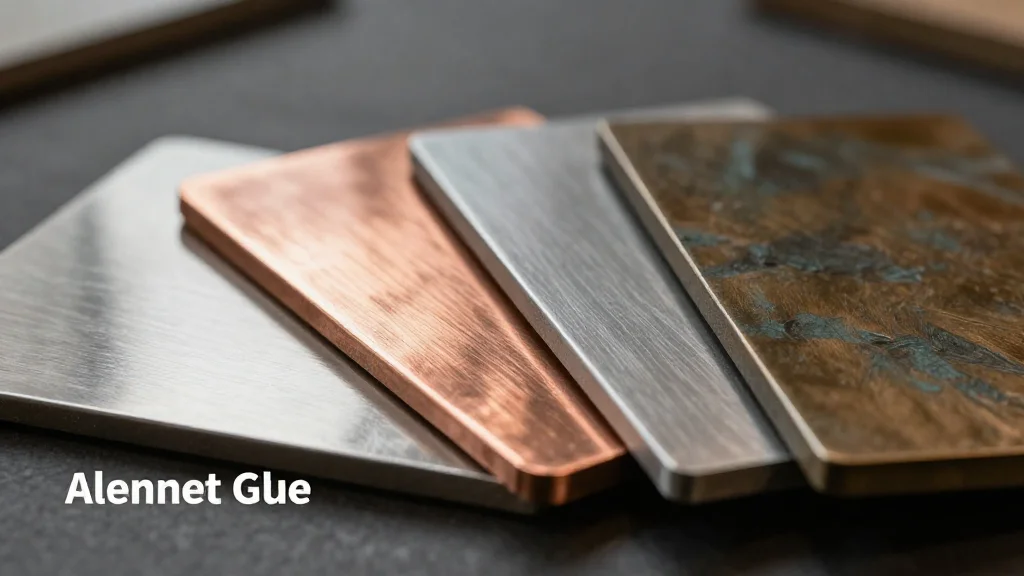
Metal tiles represent a diverse category of bathroom design materials, each offering distinct visual characteristics and performance profiles. Understanding the differences between available options allows homeowners to select the material that best aligns with their aesthetic vision and functional requirements. The primary metal tile varieties—stainless steel, copper, aluminum, bronze, and mixed-metal compositions—each bring unique properties to bathroom environments.
Stainless Steel Tiles
Stainless steel remains the most popular choice for bathroom metal tile applications due to its exceptional durability and contemporary appeal. Available in multiple finishes—brushed, polished, and satin—stainless steel adapts to various design schemes from minimalist to industrial. According to research from Permanent Steel Manufacturing Co., Grade 304 stainless steel provides good corrosion resistance to atmosphere, fresh water, and dilute acid solutions, while Grade 316 offers superior corrosion resistance in high-humidity environments, making it ideal for marine climates and spa centers where higher protection standards are required. The brushed finish hides water spots and fingerprints effectively, making maintenance straightforward for busy households.
Copper Tiles
Copper tiles develop a distinctive patina over time, transforming from warm reddish-gold to rich browns and greens. This natural aging process appeals to homeowners seeking materials with character and depth. The metal's antimicrobial properties provide an additional functional benefit, naturally inhibiting bacterial growth on tile surfaces. Copper's warmth complements both traditional and eclectic bathroom designs, particularly when paired with earth-tone fixtures and natural stone accents. The material does require periodic sealing to control patina development if a uniform appearance is preferred.
Aluminum Tiles
Lightweight and budget-friendly, aluminum tiles offer an accessible entry point for homeowners exploring metal tile options. The material resists corrosion naturally and maintains a consistent silver-gray appearance without developing patina. Aluminum works particularly well in contemporary and Scandinavian-inspired bathroom designs where clean lines and neutral tones dominate. Its lower cost compared to stainless steel and copper makes it an excellent choice for larger installations or experimental design applications.
Bronze and Mixed-Metal Options
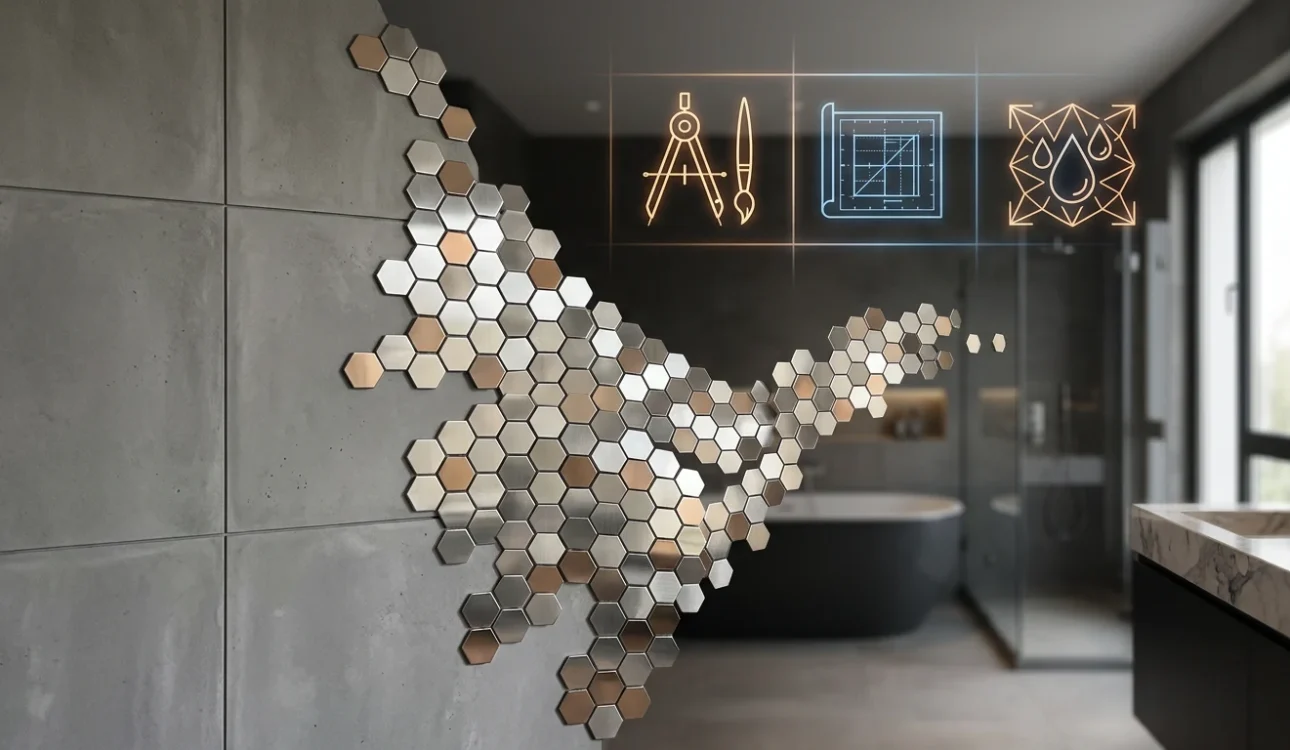
Bronze tiles deliver a sophisticated, aged aesthetic that evokes vintage luxury while maintaining modern durability. Mixed-metal compositions—combining stainless steel with copper or bronze accents—create visual interest and allow designers to establish focal points within bathroom spaces. These combinations work exceptionally well in spa-inspired bathroom designs where layered textures and material variety enhance the sensory experience. Mixed-metal approaches also provide flexibility for phased renovations, allowing homeowners to introduce metal tiles gradually while maintaining design cohesion.
Durability and Water Resistance: Why Metal Tiles Excel in Wet Environments
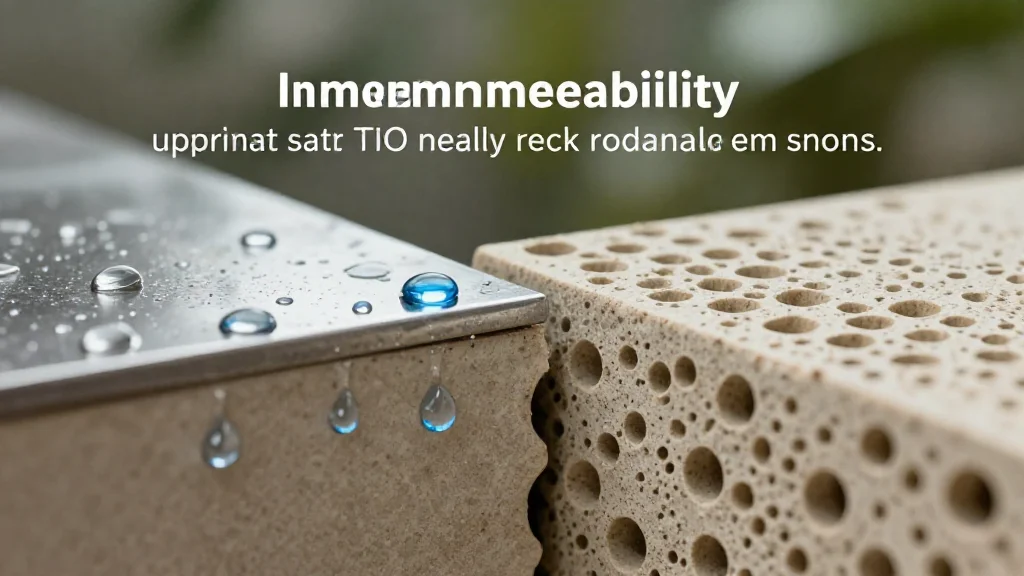
The bathroom environment presents one of the most demanding challenges in home design. Constant moisture exposure, temperature fluctuations, and humidity create conditions that degrade porous materials rapidly. Metal tiles, by contrast, represent a fundamentally superior solution to this problem. Unlike ceramic or natural stone, which absorb moisture and harbor bacterial growth, metal surfaces remain completely non-porous, preventing water absorption entirely and eliminating the conditions that allow mold and mildew to flourish.
This inherent resistance stems from metal's molecular structure. Stainless steel, copper, and aluminum form impermeable barriers that repel water rather than invite it into the material. When properly installed with appropriate grout and sealant, metal tile installations create a cohesive waterproof system. The tiles themselves require no sealing—a significant maintenance advantage over porous alternatives. Installation technique becomes critical here: professional-grade waterproofing membranes beneath the tile substrate, combined with epoxy or urethane grout rather than standard cement-based options, ensure that water cannot penetrate behind the tile surface where it might compromise structural integrity.
Longevity varies by metal type. Stainless steel installations maintain their integrity for over 100 years, while copper develops a protective patina that actually enhances corrosion resistance beyond 80 years. Even aluminum, the most economical option, outperforms conventional tile showers—which last 40 to 80 years—while avoiding the 10 to 15-year lifespan typical of fiberglass enclosures. This durability advantage translates directly into reduced replacement costs and minimal disruption to your home over decades.
Proper installation cannot be overstated. Ensure that substrate materials are moisture-resistant (cement board or waterproofing panels, not drywall), that all seams receive waterproofing tape, and that grout lines are sealed annually. When considering your bathroom remodel, WAREMODEL's innovative approach to space planning ensures that your durable metal tile installation integrates seamlessly with the overall bathroom layout, maximizing both functionality and longevity. Regular maintenance—simple weekly wiping and occasional deep cleaning—preserves the aesthetic appeal while maintaining the waterproof integrity that makes metal tiles the intelligent choice for wet environments.
Design Applications: Where to Install Metal Tiles in Your Bathroom
Metal tiles offer remarkable versatility in bathroom design, transforming ordinary spaces into sophisticated, functional environments. The key to maximizing their potential lies in strategic placement that balances aesthetic impact with practical performance. Understanding where these materials work best ensures your bathroom remodeling project achieves both visual distinction and lasting durability.
Shower Surrounds and Wet Walls
The shower enclosure represents the most natural application for metal tiles. Their inherent waterproofing properties and seamless integration with moisture-resistant substrates make them ideal for surrounding tub and shower areas. Stainless steel tiles create a contemporary spa-like atmosphere, while brushed copper or bronze finishes add warmth and visual depth. The reflective quality of metal surfaces amplifies light within shower spaces, making smaller bathrooms feel more expansive—a principle that WAREMODEL's innovative remodeling approach leverages to maximize perceived space efficiency even in compact layouts.
Accent Walls and Feature Installations
Metal tiles shine as statement-making accent walls, particularly behind vanities or as focal points above freestanding tubs. A single wall of geometric metal tiles can anchor an entire bathroom's design language without overwhelming the space. This approach works exceptionally well in master bathrooms where you want to create a luxurious retreat. Partial-height installations—running metal tiles from the floor to chair rail height—provide visual interest while maintaining practical maintenance zones.
Vanity Backsplashes
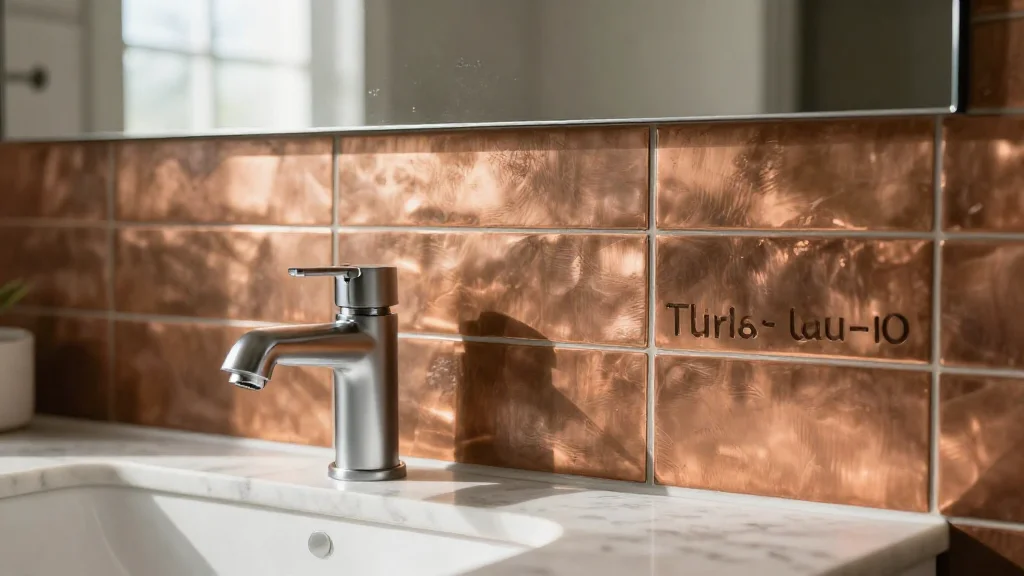
The area behind bathroom sinks benefits tremendously from metal tile backsplashes. This placement protects walls from water splashes while creating an elegant transition between sink fixtures and wall surfaces. Metallic finishes complement both traditional chrome fixtures and modern matte-black hardware, offering design flexibility that accommodates evolving aesthetic preferences.
Floor Applications
While less common than wall installations, metal floor tiles create dramatic impact in powder rooms and master bath entries. Their slip-resistant textured finishes provide safety without sacrificing sophistication. Pair them with complementary wall treatments to avoid visual chaos—perhaps exploring dark wood floor styling options for contrast and warmth.
Strategic Placement for Optimal Results
The most successful metal tile installations combine multiple applications thoughtfully. Consider using metallic accents on the shower surround while reserving walls for complementary materials, or anchor a vanity backsplash with metal tile borders. This layered approach prevents visual fatigue while maintaining the sophisticated aesthetic that metal materials inherently provide. When planning your bathroom remodeling project, think about how metal tiles interact with lighting, existing fixtures, and overall spatial flow to create cohesive, functional beauty.
Comparing Metal Tiles to Traditional Bathroom Materials
Understanding how metal tiles measure up against conventional bathroom materials is essential for making an informed decision during your remodeling project. Each material category brings distinct advantages and trade-offs that affect both immediate costs and long-term performance.
| Material | Initial Cost | Durability | Water Resistance | Maintenance | Aesthetic Flexibility | Installation Complexity |
|---|---|---|---|---|---|---|
| Metal Tiles | $$ (Premium) | Excellent (20-30+ years) | Exceptional | Moderate (fingerprint prone) | High (industrial to refined) | Moderate |
| Ceramic Tiles | $ (Budget-friendly) | Good (20-30 years) | Good | Low (easy cleaning) | Moderate (varied finishes) | Low |
| Porcelain Tiles | $ (Mid-range) | Excellent (50+ years) | Exceptional (<0.5% water absorption) | Low (stain resistant) | High (diverse designs) | Moderate |
| Natural Stone | $$ (Premium) | Variable (20-40 years) | Fair (requires sealing) | High (regular maintenance) | Excellent (unique character) | High |
| Glass Tiles | $ (Mid-range) | Good (20-30 years) | Excellent | Moderate (shows water spots) | High (light-reflective) | Moderate |
Cost Considerations
Metal tiles represent a premium investment, typically ranging from $8–$20 per square foot installed, placing them alongside natural stone in the higher price bracket. Ceramic tiles offer the most economical entry point, while porcelain provides a middle ground with superior durability that justifies its moderate premium. When evaluating total cost, factor in maintenance expenses—metal tiles require occasional polishing, whereas ceramic demands minimal upkeep.
Durability and Longevity
According to This Old House, porcelain tile absorbs less than 0.5% water and can last 50 years or more, while ceramic tile absorbs more than 0.5% water and typically lasts 20-30 years. Metal tiles perform comparably to ceramic in lifespan when properly sealed, though their aesthetic appeal often justifies replacement before structural failure. Natural stone varies dramatically depending on type—marble demands regular sealing, while granite offers reliable performance with proper maintenance.
Maintenance Reality
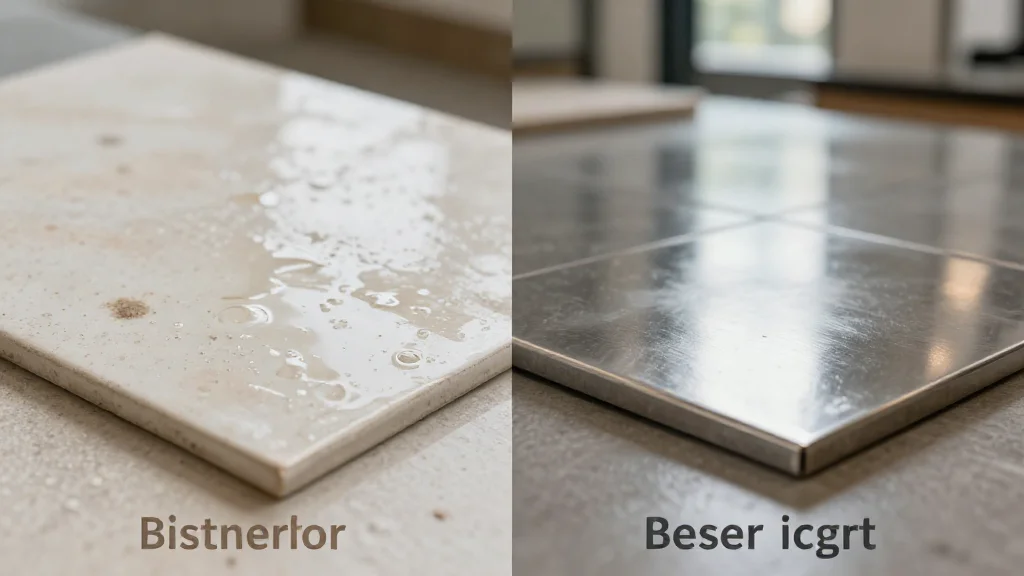
This distinction separates practical from aspirational choices. Ceramic and porcelain require only routine cleaning with mild soap and water. Metal tiles, by contrast, show fingerprints and water spots readily, necessitating regular polishing to maintain their reflective brilliance. Natural stone demands the highest commitment, requiring periodic sealing and specialized cleaners to prevent etching and staining.
Design Versatility
Metal tiles excel in contemporary and industrial aesthetics but require thoughtful pairing with complementary materials. Glass tiles offer superior light reflection and work across multiple styles, while porcelain provides the broadest design range with photorealistic patterns and finishes. When planning a comprehensive bathroom remodeling strategy, consider how innovative countertop solutions coordinate with your chosen tile material to create visual cohesion.
Installation Demands
Metal tiles typically require experienced installers familiar with proper substrate preparation and sealing techniques. Ceramic installation is straightforward and forgiving, while porcelain demands precision due to its density. Natural stone often necessitates specialized knowledge for cutting and sealing. Glass tiles fall in the moderate range but require careful handling to prevent chipping.
The choice ultimately depends on balancing aesthetic ambition with maintenance tolerance and budget constraints. Metal tiles deliver distinctive character and exceptional durability when maintained properly, making them ideal for homeowners prioritizing visual impact and willing to invest in upkeep.
Installation Considerations and Professional Expertise Required
Metal tile installation demands precision and specialized knowledge that separates successful bathroom remodeling projects from costly failures. Unlike standard ceramic installations, metal tiles require a fundamentally different approach to substrate preparation, adhesive selection, and waterproofing protocols. The substrate must be perfectly flat and stable—any deflection or movement will cause metal tiles to crack or separate from the wall. This often necessitates cement board or specialized moisture-resistant backing rather than standard drywall, particularly in shower enclosures where water exposure is constant.
The adhesive choice is equally critical. Standard thin-set mortar frequently fails with metal tiles because metal expands and contracts at different rates than ceramic or porcelain. Professionals specify modified thin-set mortars specifically formulated for metal applications, ensuring proper bond strength and flexibility. Spacing between tiles must be meticulously maintained—typically 1/8 inch for metal tiles—to accommodate thermal movement without creating stress points that lead to adhesion failure. Grout selection also matters considerably; epoxy grout outperforms standard cement-based options in metal tile applications because it resists moisture penetration and accommodates the material's expansion characteristics.
Waterproofing protocols cannot be overlooked. Before tile installation begins, the entire substrate must receive a liquid waterproofing membrane, particularly behind shower walls and around tub surrounds. This secondary moisture barrier prevents water from reaching the substrate even if grout lines eventually develop hairline cracks. The installation of metal tiles in wet environments demands attention to proper slope and drainage—tiles should pitch slightly toward drain areas to prevent water pooling.
Professional installation through experienced contractors like WAREMODEL ensures these technical requirements are met correctly, preventing water damage, mold growth, and premature tile failure. DIY installation of metal tiles frequently results in callbacks and expensive remediation. The expertise required to handle substrate preparation, apply waterproofing membranes, select appropriate adhesives, and execute proper spacing justifies professional involvement in comprehensive bathroom remodeling projects.
Cost Analysis: Budget Planning for Metal Tile Bathroom Projects
Metal tile bathroom projects demand careful financial planning, as material and labor expenses differ substantially from conventional tile installations. Understanding the complete cost structure—from materials through professional installation—empowers homeowners to make informed decisions and avoid budget surprises during remodeling work.
Material costs for metal tiles represent the most visible expense in your budget. According to HomeGuide's pricing analysis, metal subway tiles including copper, stainless steel, and tin varieties cost up to $65 per square foot for materials alone, positioning them firmly in the premium category compared to ceramic alternatives at $1–$15 per square foot. This significant price differential reflects the material's durability, aesthetic sophistication, and manufacturing complexity. Tile size, finish quality, and metal type substantially influence pricing—brushed stainless steel typically costs less than polished copper or specialty finishes, while larger format tiles may command different per-square-foot rates than smaller subway formats.
Labor costs compound the material investment. Professional tile installation ranges from $3 to $15 per square foot on average, though metal tile applications frequently reach $15–$25 per square foot due to specialized skills required for cutting, handling, and properly spacing these materials. The average bathroom retiling project costs $12.50 per square foot overall, with total expenditures ranging from $450 for modest projects to $2,000 or more for standard bathrooms, typically requiring 3 to 5 days of professional work.
For a typical 100-square-foot bathroom renovation, expect material costs between $6,500 and $6,500 for metal tiles alone, plus $1,500–$2,500 in labor, totaling $8,000–$9,000 minimum. While this exceeds conventional tile projects, the longevity and minimal maintenance of metal tiles deliver substantial long-term value. Professional contractors like WAREMODEL can provide detailed estimates accounting for your specific tile selection, bathroom layout complexity, and substrate preparation requirements, ensuring transparent budgeting from project inception.
Design Trends: Modern Metal Tile Styles Dominating 2024-2025
The bathroom design landscape has undergone a remarkable shift toward metallic sophistication, with metal tiles emerging as the centerpiece of contemporary aesthetics. According to Decorilla Online Interior Design, 2025 bathroom design trends feature metallic finishes including gold, bronze, copper, and silver as major elements, with tiles in these finishes reflecting light beautifully when wet and creating lavish, sophisticated spa-like atmospheres when paired with minimalist fixtures. This evolution reflects a broader movement away from purely utilitarian bathroom spaces toward environments that function as personal sanctuaries.
Brushed and matte finishes have decisively overtaken high-gloss options as the preferred choice among design-conscious homeowners. These subdued surfaces reduce maintenance concerns by concealing watermarks and smudges while maintaining their elegant appeal, making them particularly practical for busy households. The pairing of brushed metal tiles with warm metallic accessories—such as brushed gold faucets and hardware—creates cohesive, gallery-like environments that elevate even modest bathrooms into curated spaces.

Geometric layouts represent another dominant trend reshaping how metal tiles function within bathroom design. Hexagonal patterns, chevron arrangements, and mixed-metal compositions introduce visual rhythm and depth without overwhelming compact spaces. This strategic approach to tile placement allows homeowners to maximize visual impact in smaller bathrooms, transforming walls and accent areas into focal points that command attention. When combined with innovative remodeling concepts that prioritize spatial efficiency, geometric metal tile arrangements create the illusion of expanded square footage while maintaining sophisticated aesthetics.
Minimalist applications have gained traction as designers recognize that restraint amplifies impact. Rather than covering entire walls, contemporary installations feature metal tiles as strategic accents—behind vanities, framing shower niches, or creating subtle borders. This measured approach aligns perfectly with modern design philosophy, where every element serves both aesthetic and functional purposes. The result is bathrooms that feel intentional and refined rather than visually cluttered.
Maintenance and Care: Keeping Metal Tiles Pristine
Metal tiles demand a thoughtful maintenance approach that differs substantially from conventional ceramic or porcelain alternatives. The metallic finishes—whether brushed stainless steel, copper, or aluminum—require protective care to preserve their aesthetic integrity and prevent oxidation, water spotting, and surface degradation. Understanding the specific needs of your chosen metal type ensures that your bathroom investment remains visually striking and functionally sound for years to come.
Daily Cleaning Practices
Begin with gentle, consistent daily maintenance. After each shower or bath, wipe down metal tile surfaces with a soft, lint-free microfiber cloth to eliminate water droplets and mineral deposits. This simple step prevents the accumulation of hard water stains that become increasingly difficult to remove over time. For stainless steel tiles, wipe in the direction of the grain to maintain a uniform appearance and avoid creating visible streaks. Avoid abrasive sponges or steel wool, which scratch protective finishes and expose underlying metal to corrosion.
Weekly Deep Cleaning
Once weekly, perform a more thorough cleaning using pH-neutral, non-acidic cleaners specifically formulated for metal surfaces. Acidic products—including vinegar and lemon-based solutions—accelerate oxidation and can permanently damage finishes. Mix your chosen cleaner with warm water, apply with a soft cloth, and rinse thoroughly with distilled water to eliminate residual minerals. For copper tiles, specialized copper cleaners help maintain patina consistency and prevent uneven discoloration. Allow surfaces to air-dry completely or buff with a clean cloth to prevent water spots.
Addressing Problem Areas
Soap scum and mineral buildup require targeted intervention. Apply a commercial bathroom cleaner formulated for metal surfaces, allow it to sit for five to ten minutes, then gently scrub with a soft-bristled brush. Avoid prolonged contact with harsh chemicals, which can compromise sealant layers. For stubborn deposits on brushed finishes, use a non-abrasive paste made from baking soda and distilled water—this gentle approach removes buildup without scratching the surface texture.

Protective Sealant Application
Every six to twelve months, depending on humidity levels and water exposure, reapply protective sealant to metal tiles. Quality sealants create a barrier against moisture penetration and oxidation, significantly extending the lifespan of your installation. Follow manufacturer instructions carefully, as application methods vary by product. Proper sealing transforms maintenance from a reactive concern into a preventive strategy, protecting your investment while maintaining the sophisticated aesthetic that drew you to metal tiles initially. When combined with innovative remodeling concepts that prioritize durability, this maintenance regimen ensures your bathroom remains both beautiful and resilient.
Common Questions About Metal Tiles in Bathrooms
Are metal tiles slippery in wet conditions?
Metal tiles possess a naturally smooth surface that can feel slippery when wet, particularly polished finishes. However, this concern is easily addressed through practical solutions. Brushed and textured metal tiles offer significantly better traction than their polished counterparts, making them the preferred choice for bathroom floors and shower surrounds where slip resistance matters most. Additionally, applying non-slip coatings or pairing metal tiles with complementary materials—such as natural stone accents or textured grout patterns—creates safer walking surfaces without compromising aesthetic appeal. Many homeowners find that strategic placement of metal tiles in low-traffic zones, combined with proper drainage design, eliminates slipperiness as a practical concern.
Can metal tiles rust or corrode over time?
Quality metal tiles manufactured from stainless steel, aluminum, or copper-coated materials resist rust and corrosion when properly sealed and maintained. The bathroom environment's constant moisture exposure demands attention to protective sealants, which create a barrier against oxidation. Lower-grade metals or improperly installed tiles may develop patina or surface discoloration, though this often enhances rather than detracts from industrial aesthetics. Regular maintenance—including the protective sealant reapplication discussed in previous sections—prevents corrosion and extends tile longevity substantially.
Do metal tiles work with radiant floor heating systems?
Metal tiles excel with radiant heating due to their superior thermal conductivity. They efficiently transfer heat from warming systems beneath the surface, creating comfortable bathroom floors while maintaining energy efficiency. This compatibility makes metal tiles an intelligent choice for heated bathroom projects, particularly when combined with innovative remodeling concepts that prioritize both comfort and durability.
Are metal bathroom tiles environmentally friendly?
Many metal tiles incorporate recycled materials and support sustainable building practices. Aluminum and copper tiles, in particular, boast high recyclability rates and minimal environmental impact when sourced responsibly. Their durability—lasting decades with proper care—reduces replacement frequency, further lowering environmental footprint compared to materials requiring more frequent renovation cycles.
Do metal tiles conduct electricity and pose safety risks?
Properly installed metal tiles in bathrooms present no electrical hazard when grounded correctly and used with standard bathroom electrical systems. Professional installation ensures safe integration with existing electrical infrastructure, eliminating any safety concerns for homeowners.
Creating Sophisticated Bathrooms with Metal Tiles: Your Next Remodeling Project
Metal tiles have emerged as a transformative choice for homeowners seeking to elevate their bathroom spaces beyond conventional design boundaries. The convergence of aesthetic sophistication and practical performance makes metal tiles an exceptional investment for modern bathroom remodeling projects. Unlike traditional ceramic or porcelain alternatives, these materials deliver a distinctive industrial elegance that appeals to contemporary design sensibilities while maintaining the durability required in moisture-rich environments.
The decision to incorporate metal tiles into your bathroom remodeling represents more than a stylistic choice—it reflects a commitment to long-term value and functional excellence. These tiles resist moisture penetration, withstand thermal fluctuations, and require minimal maintenance compared to porous materials that demand constant vigilance. Their reflective surfaces amplify natural and artificial light, creating an illusion of expanded space—a principle that aligns perfectly with WAREMODEL's innovative remodeling philosophy of maximizing functional beauty in every square foot.
When planning your metal tile bathroom project, professional consultation becomes essential. Installation demands precision that separates successful transformations from costly missteps, particularly when integrating these materials with heated flooring systems or existing plumbing infrastructure. A qualified remodeling specialist will assess your specific space, recommend appropriate metal tile types for your climate and usage patterns, and ensure proper grounding and waterproofing measures are implemented.
Your bathroom deserves more than standard solutions—it deserves materials that combine durability with distinctive character. Metal tiles deliver precisely that balance, creating spaces that remain beautiful and functional for decades. Consider consulting with WAREMODEL or similar innovative remodeling professionals who understand how to maximize your space while incorporating premium materials that reflect your personal aesthetic vision. The investment in quality materials and expert installation today ensures a sophisticated bathroom sanctuary that enhances your home's value and your daily living experience.