Metallic tile flooring represents a sophisticated evolution in modern home design, merging industrial aesthetics with refined elegance to create spaces that feel both expansive and luxurious. These reflective surfaces capture and distribute light throughout your rooms, making even modest floor plans appear larger and more open—a particularly valuable advantage in today's home remodeling projects where maximizing perceived space is paramount. The interplay of metallic finishes with contemporary design elements transforms ordinary floors into statement pieces that anchor your entire interior vision while maintaining the versatility to complement various décor styles.
Quick Answer: Metallic tile flooring features reflective glazes or finishes that mimic metals like copper, bronze, and aluminum, creating visual depth and sophistication in modern homes. Homeowners choose metallic tiles because they expand visual space, reflect light naturally, resist moisture better than many alternatives, and deliver a premium aesthetic that elevates both residential and commercial remodeling projects without requiring extensive maintenance.
This guide explores everything you need to know about selecting, installing, and styling metallic tiles for your next remodel. We'll examine the different finishes available, walk you through practical design considerations that maximize their space-expanding benefits, and provide honest insights into durability, maintenance, and cost implications. Whether you're planning a kitchen renovation, bathroom upgrade, or whole-home refresh, understanding how metallic tile flooring functions within your overall design strategy ensures you make decisions that enhance both beauty and functionality. Our approach at WAREMODEL focuses on how innovative flooring solutions create more usable, visually expansive living spaces—exactly what modern families need to thrive in their homes.
Table of Contents
- What Makes Metallic Tiles Stand Out in Home Design
- Top Metallic Tile Floor Collections for 2024-2025
- Installation and Maintenance Considerations for Metallic Tiles
- Metallic Tile Flooring in Different Room Applications
- Cost Analysis and Budget Planning for Metallic Tile Floors
- Design Trends: How Metallic Tiles Are Shaping Modern Interiors
- Durability and Performance Metrics for Metallic Tile Flooring
- Comparing Metallic Tiles with Alternative Flooring Options
- Frequently Asked Questions About Metallic Tile Flooring
- Making Your Metallic Tile Floor Selection: A Strategic Approach
What Makes Metallic Tiles Stand Out in Home Design
Metallic tile flooring operates on a fundamentally different principle than standard ceramic or porcelain tiles. The reflective surface—whether achieved through actual metal inlays, specialized glazes, or advanced finish technologies—transforms how light moves through a room. According to research on reflective flooring, reflective floors can bounce 70-90% of light back into a room, effectively doubling illumination compared to traditional flooring that absorbs 60-80% of incident light. This isn't merely an aesthetic advantage; it's a functional shift in how your space feels and functions throughout the day.
The psychological impact of metallic finishes extends beyond brightness. When light reflects off these surfaces, it creates visual continuity that makes rooms appear larger and more open—a core principle behind WAREMODEL's approach to remodeling, where innovative flooring solutions create more usable space for what matters most. Your eye travels further across a reflective floor, and the space naturally feels less confined. This effect compounds in smaller kitchens, bathrooms, or entryways where traditional dark or matte tiles might feel cramped or heavy.
Material composition varies significantly across metallic tile options. Some feature genuine metal leaf—copper, bronze, or aluminum—fused into the tile body or applied beneath protective glazes. Others use advanced ceramic coatings with metallic pigments that achieve similar visual effects with greater durability and lower cost. The finish itself—whether brushed, polished, or hammered—determines how light scatters across the surface. A polished metallic finish creates sharp, directional reflections, while brushed finishes diffuse light more subtly, reducing glare and creating a softer, more sophisticated appearance.
Color variation within metallic tiles adds another dimension to their appeal. Rather than uniform tone, many metallic options display natural variation—warm gold tones bleeding into cooler silvers, or bronze undertones shifting with viewing angle. This dimensional quality prevents the monotonous flatness that can plague solid-colored floors, giving rooms visual interest and depth. Combined with their superior light-reflecting properties and contemporary aesthetic, metallic modern flooring solutions position themselves as a premium choice for homeowners seeking both practical benefits and design sophistication in their remodeling projects.
Top Metallic Tile Floor Collections for 2024-2025
The contemporary market offers a curated selection of metallic tile flooring options that cater to diverse aesthetic preferences and functional requirements. Understanding the distinctions between these collections—their material composition, performance characteristics, and design versatility—enables homeowners to make informed decisions that align with both their vision and practical needs.
| Collection Name | Material Composition | Color Range | Durability Rating | Best For |
|---|---|---|---|---|
| Brushed Aluminum Series | Ceramic with aluminum oxide coating | Silver, champagne, gunmetal | PEI 4 | High-traffic kitchens, commercial-adjacent spaces |
| Copper Fusion Collection | Porcelain with copper leaf inlay | Warm copper, rose gold, bronze | PEI 5 | Statement walls, accent areas, moderate traffic |
| Polished Steel Elegance | Glazed porcelain with steel pigmentation | Stainless, pewter, titanium | PEI 4 | Bathrooms, contemporary living areas |
| Hammered Bronze Heritage | Textured ceramic with bronze undertones | Antique bronze, aged copper, dark gold | PEI 3 | Low-traffic spaces, spa-like bathrooms |
| Mirror Finish Luxury | High-gloss porcelain with reflective glaze | Brilliant silver, chrome, pearl | PEI 3 | Feature walls, accent installations, design-forward homes |
Brushed Aluminum Series dominates practical applications where durability meets contemporary aesthetics. These tiles feature a ceramic base with a protective aluminum oxide coating that resists scratching and maintains its matte finish despite daily wear. The brushed surface diffuses light evenly, preventing the glare issues that plague polished alternatives in kitchens with abundant natural light. Homeowners appreciate this collection for its ability to conceal fingerprints and water spots—a significant advantage in high-moisture environments.
Copper Fusion and Polished Steel collections represent the premium segment, where genuine metal elements or advanced ceramic techniques create authentic metallic depth. Copper Fusion tiles often incorporate actual copper leaf beneath protective glazing, developing natural patina over time that adds character and warmth to spaces. These collections excel in bathrooms and accent applications where their lower PEI ratings (3-4) pose no concern. The visual complexity—subtle color shifts and dimensional quality—transforms these tiles into focal points rather than mere background surfaces.
Hammered Bronze Heritage appeals to designers seeking industrial authenticity with refined restraint. The textured surface creates shadow play across the tile face, adding visual interest without the reflectivity that some find overwhelming. This collection performs exceptionally well in master bathrooms and spa-like retreats where the goal is creating sanctuary rather than maximizing light reflection.
Mirror Finish Luxury represents the most dramatic option, delivering gallery-quality visual impact. These high-gloss tiles function almost as architectural mirrors, dramatically expanding perceived space and amplifying ambient light. However, their PEI 3 rating restricts them to accent walls, feature borders, or low-traffic powder rooms. Installation requires precision—any substrate imperfection becomes visible beneath the reflective surface.
When planning your metallic tile floor installation, consider traffic patterns, moisture exposure, and lighting conditions alongside aesthetic preferences. WAREMODEL's innovative remodeling approach helps homeowners integrate these sophisticated materials into cohesive designs that maximize both visual impact and functional longevity. For comprehensive guidance on coordinating metallic flooring with complementary design elements, explore how to design dining rooms with dark wood floors to understand layered material integration in modern spaces.
Installation and Maintenance Considerations for Metallic Tiles
Proper installation of metallic tile flooring demands precision and expertise that extends beyond standard ceramic tile procedures. The reflective properties that make these tiles visually striking also amplify any substrate imperfections, dust particles, or installation errors. This means subfloor preparation becomes non-negotiable rather than optional—a reality that separates successful metallic floor installations from disappointing results.
Subfloor preparation typically adds $2 to $5 per square foot to tile installation costs when leveling compounds are required to achieve the industry standard variance of no more than 1/8 inch over 10 feet. This investment proves essential because metallic surfaces reveal what standard tiles conceal. Any deviation from a perfectly flat plane creates visual distortion across the reflective finish, undermining the sophisticated aesthetic you're pursuing. Before any tile touches the floor, your installer should conduct a comprehensive flatness assessment using a straightedge, identifying low spots that require self-leveling compound and high spots that need grinding.
Grout selection carries equal importance to substrate preparation. Epoxy grout costs $4-$8 per square foot compared to cement grout at $1-$3 per square foot, but epoxy eliminates the need for regular resealing and resists staining far more effectively. Given the premium nature of metallic tiles, epoxy grout represents the more intelligent long-term investment. Cement-based grout requires sealing every 1-3 years and absorbs moisture and discoloration readily—problematic when your floor's visual impact depends on pristine grout lines framing each metallic tile.
The professional installation versus DIY decision hinges on complexity and consequence. While experienced tile installers might attempt smaller projects independently, metallic flooring installation genuinely benefits from professional expertise. Professionals understand moisture barriers, proper trowel techniques for consistent mortar coverage, and the patience required to maintain grout consistency across large areas. WAREMODEL's innovative remodeling approach emphasizes coordinating specialized installations like metallic flooring with complementary design elements, ensuring your investment integrates seamlessly into your home's overall vision rather than standing as an isolated design statement.
Maintenance protocols differ markedly from standard tile care. Avoid acidic cleaners that etch metallic surfaces; instead, use pH-neutral solutions specifically formulated for reflective finishes. Microfiber mops prevent scratching better than traditional string mops, and regular dry sweeping removes abrasive particles before they can damage the finish. High-traffic areas may develop subtle patina over time—a characteristic some homeowners embrace as authentic aging, while others prefer maintaining pristine reflectivity through protective sealants designed for metallic tiles.
Metallic Tile Flooring in Different Room Applications
Metallic tiles perform distinctly across residential spaces, each environment demanding specific design considerations and practical adjustments. Understanding how these reflective surfaces behave in kitchens, bathrooms, living areas, and entryways allows homeowners to make informed decisions that enhance both aesthetics and functionality.
Kitchen Environments
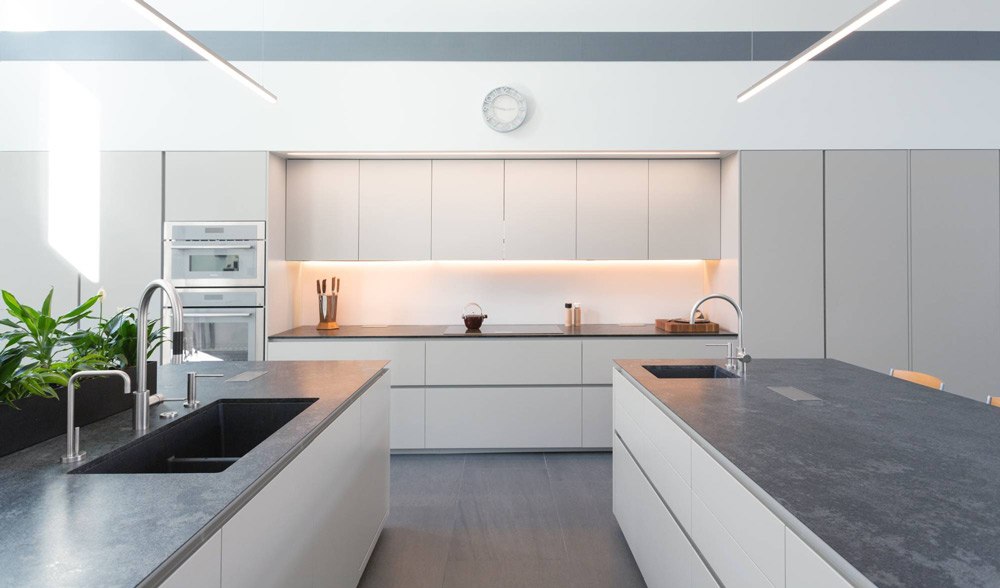
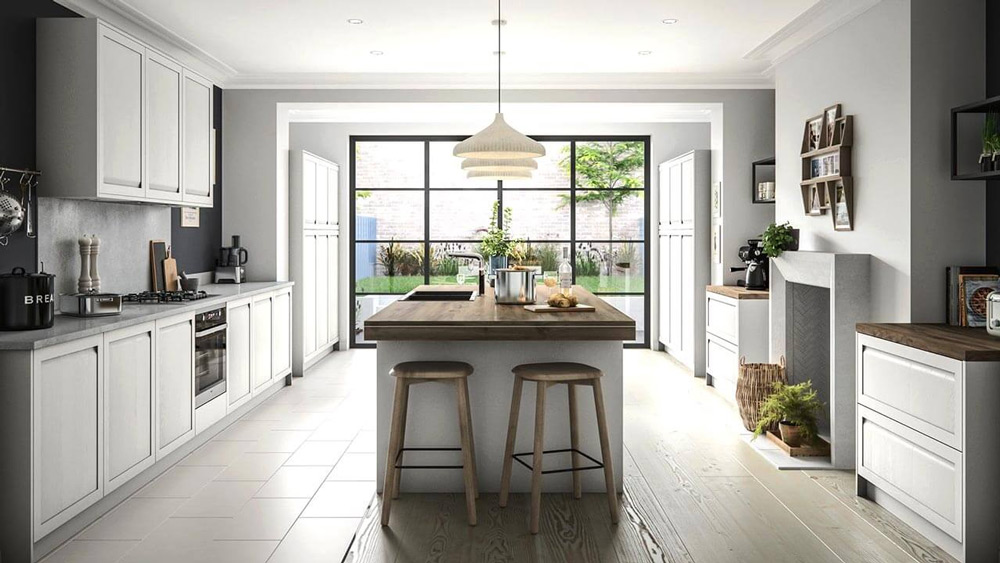
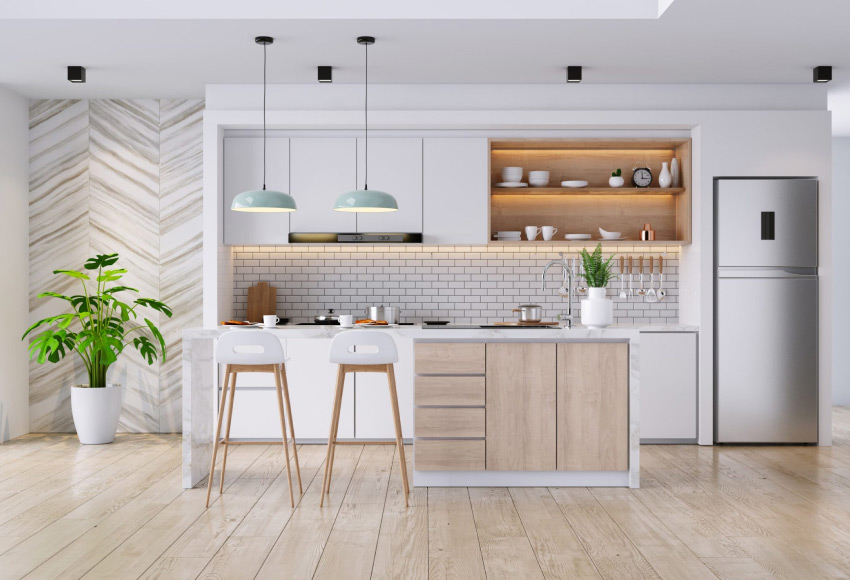
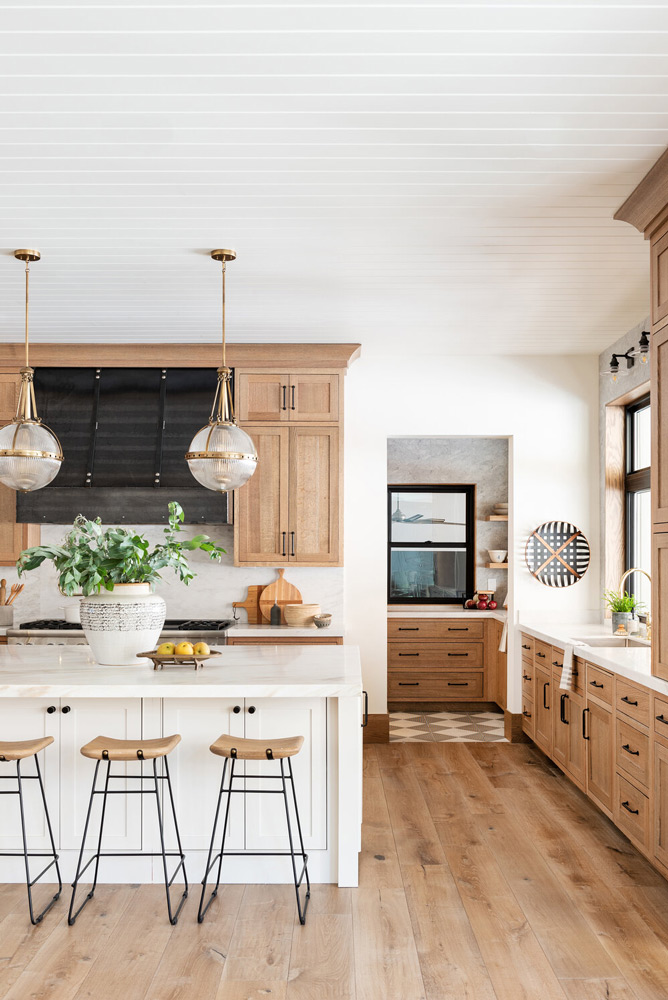
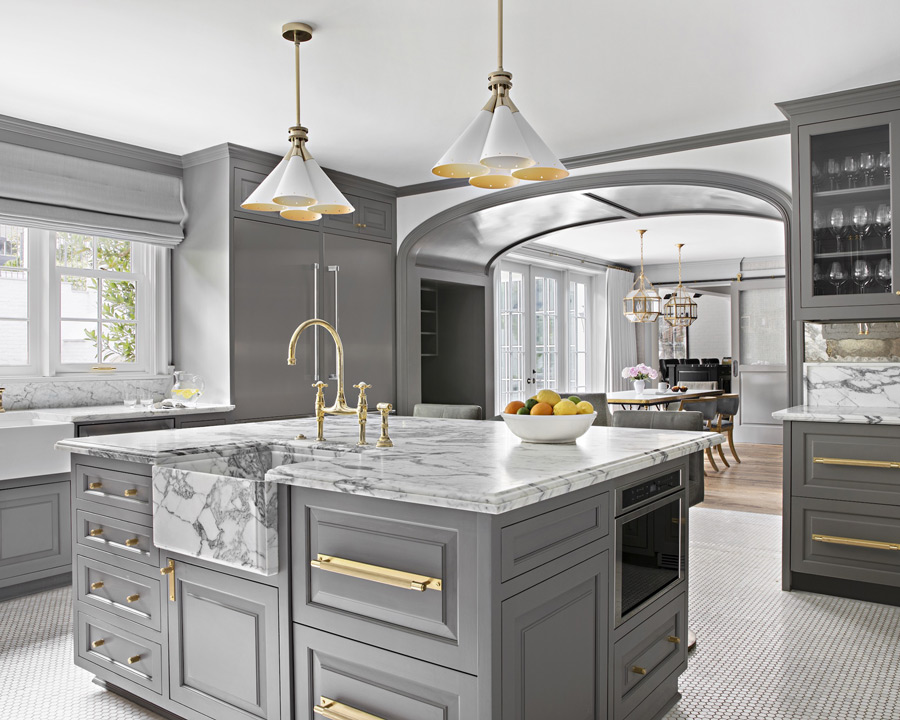
Kitchens present the most demanding application for metallic tile flooring. High foot traffic, frequent moisture exposure, and the presence of oils and food debris require tiles with exceptional durability and slip resistance. According to industry standards from Daltile, wet interior floors require a Dynamic Coefficient of Friction (DCOF) rating of 0.42 or greater to ensure adequate slip resistance. Metallic tiles in kitchen settings should feature textured finishes rather than perfectly polished surfaces—a subtle etched pattern maintains the reflective quality while dramatically improving safety when spills occur. The metallic tile floor in this context functions as both visual anchor and practical workhorse, grounding the space while reflecting light from overhead fixtures to amplify brightness in what might otherwise feel compartmentalized. Pairing metallic tiles with complementary backsplash materials and countertop finishes creates cohesion; stainless steel appliances naturally harmonize with silver and bronze metallics, while copper tones bridge the gap between warm wood cabinetry and cooler metallic surfaces.
Bathroom Applications
Bathrooms benefit enormously from metallic tile flooring's moisture-resistant properties and luxurious visual impact. Unlike wood or certain natural stone options, metallic tiles resist humidity without warping or developing mold. The reflective quality transforms smaller bathrooms by bouncing light around the space, creating an illusion of expanded square footage—particularly valuable in powder rooms or ensuite bathrooms where space constraints exist. However, bathroom metallic flooring requires careful grout selection; epoxy grout outperforms traditional cement grout in wet environments, preventing water infiltration that could compromise subfloor integrity. For shared bathroom configurations, such as jack and jill vanity designs, metallic tiles create a sophisticated neutral backdrop that complements multiple aesthetic preferences while maintaining visual continuity between adjoining spaces.
Living Areas and Entryways
Living rooms and entryways represent lower-moisture applications where metallic tiles can showcase their full aesthetic potential without compromise. These spaces tolerate more delicate finishes and polished surfaces since moisture exposure remains minimal. Entryways particularly benefit from metallic flooring's durability against tracked-in dirt and shoe traffic; the reflective surface catches natural light from doorways and windows, creating an immediate sense of welcome and spaciousness. In living areas, metallic tiles work exceptionally well in open-concept designs where they visually connect to kitchen zones while maintaining distinct functional territories. The room design flexibility increases substantially here—metallic tiles can transition to adjacent spaces without the slip-resistance concerns that govern kitchen and bathroom installations.
WAREMODEL's innovative remodeling approach recognizes that metallic flooring integration requires coordinating installation timing with other trades, ensuring moisture barriers and subfloor preparation align with your project timeline. Whether your vision involves kitchen-focused metallic flooring or a comprehensive whole-home application, professional coordination ensures each room receives appropriate material specifications and installation techniques tailored to its unique environmental demands.
Cost Analysis and Budget Planning for Metallic Tile Floors
Understanding the financial investment required for metallic tile flooring demands a granular breakdown of material expenses, labor considerations, and long-term value implications. The pricing landscape for metallic tiles spans a considerable range, reflecting variations in quality, finish complexity, and manufacturing origin. According to This Old House's comprehensive flooring cost analysis, metal tiles typically range from $25 to $80 per square foot for materials alone, with professional installation adding $3 to $15 per square foot in labor costs. This means a 200-square-foot kitchen renovation could demand anywhere from $5,000 to $19,000 in direct flooring expenses before accounting for substrate preparation or ancillary materials.
Labor expenses warrant particular attention in your budgeting process. Installation complexity increases substantially with metallic tiles compared to standard ceramic alternatives—the reflective surfaces demand precision cutting, specialized grouting techniques, and careful sealing protocols to preserve the metallic finish's integrity. Tile installation labor typically averages $10 per square foot across most markets, though premium finishes and intricate layout patterns can push costs toward the upper range.
| Cost Category | Per Square Foot Range | 200 Sq Ft Project |
|---|---|---|
| Material (metallic tiles) | $25–$80 | $5,000–$16,000 |
| Installation labor | $3–$15 | $600–$3,000 |
| Substrate prep & sealing | $2–$8 | $400–$1,600 |
| Total estimated cost | $30–$103 | $6,000–$20,600 |
Beyond immediate expenses, metallic tile flooring delivers measurable return on investment through enhanced property valuation and extended lifespan. These floors typically outlast standard ceramic tiles by 15–20 years when properly maintained, effectively distributing initial costs across decades of use. Homes featuring contemporary metallic flooring command premium resale values, particularly in markets where modern aesthetics influence buyer perception significantly. WAREMODEL's innovative remodeling approach emphasizes that strategic flooring selection—including metallic options—creates visual spaciousness and contemporary appeal that justifies premium pricing during property transactions.
Budget planning should also account for preparatory work often underestimated by homeowners: subfloor reinforcement, moisture barrier installation, and leveling compounds can add $400–$1,600 to your project depending on existing conditions. Consulting with experienced installers during the planning phase prevents costly mid-project discoveries that inflate timelines and expenses.
Design Trends: How Metallic Tiles Are Shaping Modern Interiors
Contemporary interior design increasingly gravitates toward metallic tile flooring as a defining element of sophisticated modern spaces. According to Coverings' 2025 trend analysis, metallic finishes and golden veining represent among the top design movements, with innovative glaze applications allowing variations that reflect light for a balance between dazzling and understated aesthetics. This shift reflects a broader movement toward materials that serve dual purposes: delivering visual impact while maintaining functional durability across residential environments.
The appeal of metallic tile floors extends beyond surface-level aesthetics. These surfaces interact dynamically with lighting conditions, transforming throughout the day as natural and artificial light sources shift. A brushed copper finish reads warm and intimate in evening settings, yet catches morning sunlight to create energetic focal points. This responsiveness to light distinguishes metallic tiles from static flooring materials, enabling homeowners to achieve dimensional depth without relying solely on color variation or pattern complexity.
Current design movements embrace metallic tiles in distinctly different contexts. Minimalist interiors leverage subtle champagne or silver-toned metallics as grounding elements that complement clean lines and restrained palettes—the tile becomes a quiet anchor rather than a statement piece. Conversely, maximalist approaches pair bold metallic tiles with rich jewel tones, geometric patterns, and layered textures, using reflective surfaces to amplify visual richness. Industrial aesthetics naturally incorporate gunmetal and bronze metallics alongside exposed brick and concrete, while contemporary luxury spaces favor rose gold and warm bronze tones that soften modern geometry.
The distinction between timeless and trend-dependent choices requires careful consideration. Warm metallic undertones—golds, coppers, bronzes—demonstrate greater longevity in design preference, remaining sophisticated across multiple decades. Cooler silvers and chromes, while striking, trend toward dated appearances more rapidly. Neutral metallic finishes work harmoniously alongside natural materials like wood and stone, creating cohesive environments that withstand stylistic shifts. When selecting metallic floor tiles, prioritize finishes that complement your existing architectural bones rather than competing with them. WAREMODEL's approach to innovative remodeling emphasizes how strategic material choices—including metallic tile selections—expand perceived space while anchoring contemporary design narratives that evolve gracefully over time.
Pattern integration matters equally. Solid metallic surfaces offer versatility, while geometric or textured metallic designs demand restraint in surrounding décor to prevent visual overwhelm. Pairing metallic floors with matte wall finishes and natural wood elements creates sophisticated balance, preventing spaces from becoming overly reflective or fatiguing to inhabit long-term.
Durability and Performance Metrics for Metallic Tile Flooring
Metallic tile flooring demands rigorous evaluation against standardized performance benchmarks to ensure longevity and functional reliability in residential environments. Understanding these technical specifications separates informed purchasing decisions from aesthetic-driven choices that may compromise durability over time.
The Porcelain Enamel Institute (PEI) rating system provides the primary framework for assessing tile wear resistance. According to Apollo Tile's comprehensive breakdown, PEI ratings range from 0 to 5, with residential kitchens typically requiring PEI 3 or 4 ratings to withstand daily foot traffic and furniture movement. Metallic porcelain tiles generally achieve PEI 4 ratings, positioning them favorably for high-traffic residential applications. Ceramic metallic tiles, by contrast, often cap at PEI 2 or 3, limiting their suitability to low-traffic areas like accent walls or feature floors in bedrooms.
Water absorption rates critically influence metallic tile performance, particularly in moisture-prone environments. Porcelain metallic tiles absorb less than 0.5% moisture, while ceramic variants absorb 3-6%, affecting their resistance to staining, frost damage, and dimensional stability. Slip resistance coefficients—measured on a scale from 0.40 to 1.0—remain essential for safety considerations. Most metallic tiles register between 0.50 and 0.70, suitable for interior residential use but potentially hazardous in wet bathrooms without proper grout selection and surface texture.
Lifespan expectations diverge significantly between tile compositions. Porcelain metallic tiles endure 50 years or longer with proper maintenance, while ceramic metallic variants typically last 20-30 years before visible wear emerges. WAREMODEL's remodeling philosophy integrates these performance metrics into material selection, ensuring that sophisticated metallic finishes deliver both immediate visual impact and measurable longevity. Manufacturers increasingly offer extended warranties—10 to 25 years—on porcelain metallic collections, reflecting confidence in their dimensional stability and glaze durability against scratching and fading.
| Performance Metric | Porcelain Metallic | Ceramic Metallic |
|---|---|---|
| PEI Rating | 3–4 | 2–3 |
| Water Absorption | <0.5% | 3–6% |
| Slip Resistance (COF) | 0.55–0.70 | 0.50–0.65 |
| Expected Lifespan | 50+ years | 20–30 years |
| Typical Warranty | 15–25 years | 5–10 years |
Chemical resistance in metallic tiles remains robust across both porcelain and ceramic compositions, resisting common household cleaners, mild acids, and alkaline solutions. However, abrasive scrubbing compounds and acidic drain cleaners can compromise metallic finishes, necessitating careful maintenance protocols. Thermal shock resistance—the tile's ability to withstand rapid temperature fluctuations—favors porcelain metallic options, making them superior choices for kitchens with radiant floor heating systems or bathrooms experiencing temperature extremes.
Comparing Metallic Tiles with Alternative Flooring Options
Metallic tile flooring occupies a distinct position within the broader spectrum of contemporary flooring solutions, each material presenting unique advantages and constraints depending on your home's functional demands and aesthetic priorities. Understanding how metallic tiles compare with hardwood, laminate, vinyl, natural stone, and concrete helps clarify when this sophisticated option delivers superior performance versus when alternatives prove more practical.
Hardwood flooring delivers timeless warmth and organic character that resonates deeply with traditional and transitional design sensibilities. However, hardwood demands rigorous maintenance—regular refinishing every 7–10 years, vulnerability to moisture damage, and susceptibility to scratching from foot traffic. Metallic tiles, by contrast, require minimal upkeep and resist moisture entirely, making them superior for kitchens and bathrooms where hardwood would deteriorate. The trade-off: hardwood offers acoustic warmth and underfoot comfort that metallic surfaces cannot replicate, though properly installed metallic tiles can incorporate radiant heating systems for temperature control.
Laminate flooring represents the budget-conscious alternative, offering visual variety at fraction of the cost. Yet laminate suffers from fundamental limitations—it cannot be refinished, swells irreversibly when exposed to moisture, and typically lasts 15–20 years before replacement becomes necessary. Metallic tiles, while commanding higher initial investment, deliver 50+ year lifespans with zero moisture concerns, making them economically superior over extended ownership periods.
Vinyl and luxury vinyl plank (LVP) have surged in popularity due to affordability, water resistance, and installation simplicity. These materials excel in rental properties and temporary installations. However, vinyl lacks the visual depth and reflective sophistication that metallic tiles provide—the metallic finish creates dimensional light play that vinyl cannot authentically replicate. Additionally, vinyl degrades under direct sunlight and can emit volatile organic compounds (VOCs) during initial installation, whereas metallic tiles remain chemically inert.
Natural stone (marble, granite, slate) commands aesthetic prestige and geological authenticity. Stone flooring, however, requires sealing every 1–3 years, stains easily from acidic substances, and demands professional installation expertise. Metallic tiles offer comparable visual sophistication with dramatically reduced maintenance burden and superior chemical resistance—a critical advantage for kitchen environments where spills occur regularly.
Polished concrete appeals to industrial aesthetic enthusiasts and delivers exceptional durability. Concrete's weakness emerges through its porosity: it absorbs stains, requires regular sealing, and develops hairline cracks over time. Metallic tiles provide the industrial-modern aesthetic without concrete's maintenance vulnerabilities, while offering superior slip resistance through proper COF ratings.
| Flooring Material | Initial Cost | Lifespan | Maintenance | Moisture Resistance | Best For |
|---|---|---|---|---|---|
| Metallic Tiles | $$$ | 50+ years | Minimal | Excellent | Kitchens, bathrooms, modern spaces |
| Hardwood | $$$–$$$$ | 25–30 years | High | Poor | Living rooms, bedrooms |
| Laminate | $ | 15–20 years | Moderate | Poor | Budget-conscious projects |
| Vinyl/LVP | $–$$ | 10–20 years | Low | Good | Rentals, basements |
| Natural Stone | $$$–$$$$ | 50+ years | High | Moderate | Entryways, accent areas |
| Concrete | $$ | 30–40 years | Moderate | Poor | Industrial, garage spaces |
When planning a comprehensive home remodel, metallic tile flooring emerges as optimal for spaces demanding both visual sophistication and practical durability—particularly kitchens and bathrooms where moisture exposure and frequent cleaning occur. For bedrooms and living areas where comfort and acoustic properties matter more, hardwood or high-quality laminate may better serve your priorities. WAREMODEL's innovative remodeling approach recognizes that optimal flooring selection depends on balancing aesthetic vision with functional reality across different zones within your home, ensuring each space receives materials suited to its specific demands rather than applying a single solution universally.
Frequently Asked Questions About Metallic Tile Flooring
Are metallic tile floors slippery?
Slip resistance depends entirely on the tile's surface finish. Most contemporary metallic tiles feature textured or matte finishes that provide adequate traction comparable to standard ceramic options. High-gloss metallic finishes do present increased slip hazards, particularly in bathrooms or kitchens where moisture accumulates. When selecting metallic tile flooring for wet areas, prioritize products with slip-resistance ratings (measured by COF—Coefficient of Friction) of 0.60 or higher. Adding non-slip area rugs or applying anti-slip coatings to existing installations offers practical solutions for households with elderly members or young children.
How difficult is maintaining metallic tiles?
Maintenance ranks among the simplest of any flooring material. Regular sweeping removes dust and debris, while damp mopping with pH-neutral cleaners preserves the metallic finish without degradation. Unlike hardwood, these tiles resist water damage and require no sealing or refinishing. The metallic coating itself is engineered to withstand daily wear—fingerprints and smudges wipe away effortlessly. Avoid abrasive scrubbers and acidic cleaners, which can dull the reflective surface over time.
Will the metallic finish fade or tarnish?
Quality metallic tiles manufactured to industry standards maintain their luster for decades. The metallic coating bonds permanently during production, preventing peeling or flaking. Exposure to direct sunlight may cause subtle shifts in perceived color intensity, though the material itself remains structurally intact. This characteristic mirrors how natural metals age gracefully rather than deteriorate.
Can metallic tiles work with different décor styles?
Absolutely. Metallic tile flooring adapts across aesthetic preferences—from industrial lofts and contemporary minimalism to transitional and even eclectic maximalist spaces. Copper and bronze tones complement warm, earthy palettes, while silver and gunmetal finishes anchor cool, modern schemes. The reflective quality amplifies natural and artificial light, making spaces feel larger and more sophisticated regardless of surrounding design choices. WAREMODEL's approach to innovative remodeling recognizes that metallic tiles function as both statement pieces and subtle foundation elements depending on how you coordinate them with wall colors, cabinetry, and furnishings.
Are metallic tiles suitable for high-traffic areas?
Yes. Metallic tile flooring demonstrates exceptional durability in kitchens, entryways, and hallways where foot traffic intensifies. The glazed surface resists scratching better than softer materials, and the underlying porcelain or ceramic body maintains structural integrity across decades. Their performance in demanding residential environments consistently exceeds that of laminate or vinyl alternatives, making them particularly valuable for families seeking long-term flooring solutions.
Making Your Metallic Tile Floor Selection: A Strategic Approach
Selecting metallic tile flooring represents a convergence of aesthetic vision, practical durability requirements, and financial planning. The decision extends beyond simply choosing a material—it demands a thoughtful evaluation of how this investment aligns with your home's specific demands and your long-term remodeling objectives. Begin by clarifying your primary motivation: are you prioritizing visual impact and modern sophistication, or do you emphasize functional performance in high-traffic zones? This distinction shapes every subsequent choice, from finish selection to installation specifications.
Your aesthetic preferences and room application work in tandem. Metallic tiles in kitchens and entryways demand different considerations than those in bedrooms or living spaces. Consider how natural and artificial lighting interacts with your chosen metallic tone—copper and bronze finishes warm spaces and complement earthy color schemes, while silver and gunmetal create cool, contemporary anchors that amplify brightness. Evaluate your existing cabinetry, wall colors, and furnishings to ensure cohesion rather than visual discord. WAREMODEL's approach to innovative remodeling emphasizes that metallic tiles function most effectively when coordinated thoughtfully with surrounding design elements, creating unified spaces that feel intentionally composed rather than haphazardly assembled.
Budget allocation requires transparency about material costs, professional installation labor, and maintenance commitments. Metallic tile flooring typically commands premium pricing compared to standard ceramic alternatives, yet delivers measurable durability advantages that justify the investment over decades. Factor in whether you'll undertake DIY installation or engage specialists—professional installation ensures proper substrate preparation and grout application that maximizes longevity and performance.
Your final step should involve tangible exploration before commitment. Order sample tiles to observe how specific finishes perform under your home's lighting conditions across different times of day. Request professional assessments from installation specialists who can evaluate subfloor conditions and provide accurate labor estimates. This methodical approach transforms selection from guesswork into confident decision-making grounded in visual verification and expert guidance.