
Dark hardwood floors have become a hallmark of sophisticated bedroom design, offering a timeless elegance that transforms an ordinary sleeping space into a sanctuary of refined style. Their deep, rich tones create an immediate sense of warmth and intimacy, while simultaneously conveying durability and quality that homeowners value for decades to come. Whether you're drawn to the dramatic contrast they provide or the grounded stability they lend to a room's aesthetic, dark hardwood flooring serves as a powerful foundation for creating a cohesive, visually striking bedroom environment.
Quick Answer: Design a bedroom with dark hardwood floors by pairing them with warm, neutral wall colors (creams, soft grays, or warm whites) to prevent the space from feeling cave-like, selecting furniture in lighter woods or upholstered pieces to create balance, and incorporating layered lighting with warm-toned fixtures to enhance the floors' natural richness. Add area rugs in complementary textures and colors to define zones and soften the visual weight of the dark surfaces.
The challenge many homeowners face lies not in choosing dark hardwood floors themselves, but in orchestrating the surrounding design elements to ensure the bedroom feels inviting rather than heavy or oppressive. This article will guide you through the complete process of designing a cohesive bedroom that celebrates dark hardwood flooring as a statement feature. We'll explore color palettes that amplify the floors' warmth, furniture selection strategies that achieve visual balance, lighting techniques that showcase their depth, and textile choices that add comfort without sacrificing sophistication. By the end, you'll understand exactly how to leverage dark hardwood floors as the anchor of a bedroom design that feels both luxurious and genuinely restful.
Table of Contents
- Why Dark Hardwood Floors Work in Bedroom Spaces
- Selecting the Right Shade of Dark Hardwood for Your Bedroom
- Coordinating Wall Colors with Dark Bedroom Floors
- Furniture Selection and Placement on Dark Hardwood Bedroom Floors
- Lighting Design for Dark Hardwood Bedroom Floors
- Rugs and Textiles for Dark Hardwood Bedroom Floors
- Decor, Art, and Accessories for Dark Hardwood Bedrooms
- Maintenance and Care for Dark Hardwood Bedroom Floors
- Bedroom Design Examples with Dark Hardwood Floors
- Common Mistakes to Avoid When Designing Dark Hardwood Bedrooms
- Transform Your Bedroom with Confident Dark Hardwood Floor Design
Why Dark Hardwood Floors Work in Bedroom Spaces
Dark hardwood floors possess an inherent sophistication that transforms a bedroom from merely functional to genuinely luxurious. Unlike lighter wood tones that can feel casual or contemporary, deep rich hues—espresso, walnut, ebony—evoke a sense of grounding and permanence. This visual weight anchors the entire room, creating a psychological foundation that promotes relaxation and retreat from the outside world. The darkness absorbs light rather than reflecting it, which paradoxically creates depth and dimension rather than closing in the space, provided the surrounding design elements are thoughtfully calibrated.

The practical advantages extend beyond aesthetics. Dark wooden floor bedrooms demonstrate superior durability in high-traffic areas and show considerably less visible dust, pet hair, and minor scratches compared to light finishes. This low-maintenance quality makes them ideal for spaces where you want to minimize visual imperfections and spend more time resting than cleaning. The thermal properties of dark wood also provide subtle comfort—darker surfaces absorb and retain warmth slightly better than their lighter counterparts, enhancing the cozy atmosphere that bedrooms inherently demand.
From a design perspective, dark hardwood floors function as a neutral anchor that accommodates virtually any aesthetic direction. Whether your vision leans toward minimalist Scandinavian, warm traditional, industrial modern, or transitional elegance, these floors serve as a sophisticated canvas rather than a limiting constraint. They pair seamlessly with both warm and cool color palettes, making them a timeless investment that won't feel dated as design trends evolve. This versatility is precisely why dark hardwood flooring has remained a preferred choice among interior designers and homeowners seeking enduring style with measurable resale value.
Selecting the Right Shade of Dark Hardwood for Your Bedroom
The journey from deciding on dark hardwood floors to actually choosing the specific shade is where many homeowners encounter their first real decision point. Dark hardwood exists on a spectrum—from warm, chocolate-brown espresso finishes to nearly black ebony and rich walnut tones—and each undertone carries distinct implications for how your bedroom will feel and function. According to research on popular hardwood stain colors, espresso, dark walnut, ebony, and jacobean remain the most sought-after options for bedrooms, with espresso particularly valued for its ability to mask dirt and minor scratches in active spaces.
Understanding undertone characteristics is essential before committing to any shade. Some dark hardwoods lean warm—displaying golden, amber, or reddish undertones that evoke coziness and traditional elegance. Others carry cooler, more neutral undertones that pair beautifully with contemporary minimalist or industrial aesthetics. The undertone fundamentally determines which wall colors, textiles, and furniture styles will harmonize with your floors. A warm walnut with honey undertones will clash with cool-gray bedroom walls, while a neutral espresso or black-stained finish provides flexibility across color palettes.
Lighting conditions in your bedroom cannot be overlooked when evaluating dark hardwood samples. Natural light from windows, the quality of overhead fixtures, and even the angle of afternoon sun will dramatically alter how a floor shade appears throughout the day. A sample that looks sophisticated in a showroom's bright, neutral lighting may appear flat or oppressively dark in your actual bedroom environment. The single most practical step is obtaining large samples—at least 12 inches by 12 inches—and viewing them in your bedroom at different times of day, under both natural and artificial light. Place samples near windows, in corners, and under your planned lighting fixtures. Live with them for 24 hours if possible. This investment of time prevents costly regret.
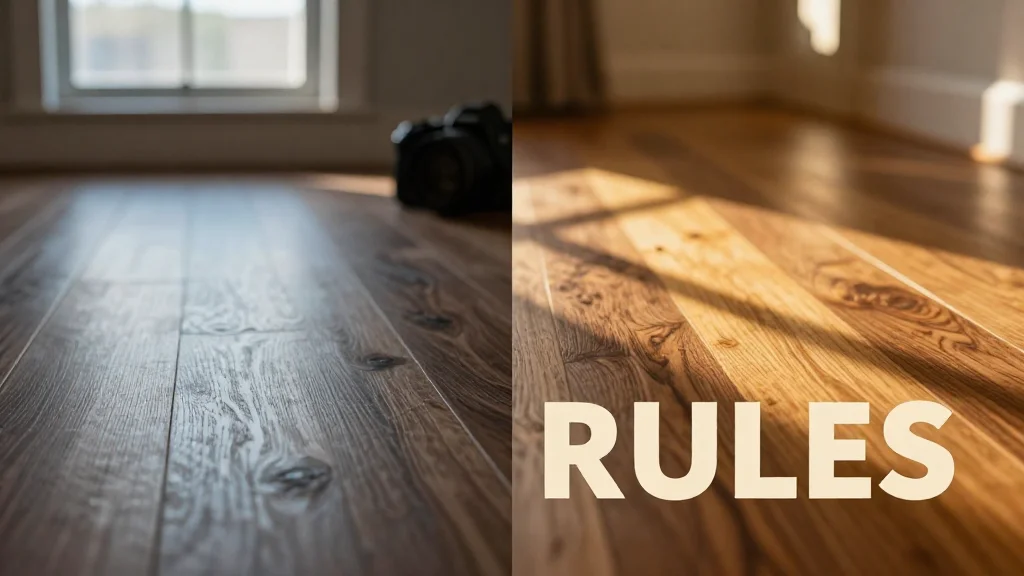
Consider also how your chosen shade will age and interact with maintenance patterns. Darker finishes generally hide dust and pet hair better than lighter woods, but they can show water spots and fingerprints more readily on high-gloss finishes. If you're working with a design professional or contractor from firms like WAREMODEL, which specializes in innovative space optimization through thoughtful material selection, they can guide you toward finishes that balance aesthetic preference with practical durability. The goal is selecting a shade that feels intentional in your space—not one that was chosen in isolation or based solely on trend cycles.
Coordinating Wall Colors with Dark Bedroom Floors
The relationship between dark hardwood floors and wall color is fundamental to whether your bedroom feels inviting or claustrophobic. While dark floors establish visual weight and sophistication, the wrong wall palette can overwhelm the space, making it feel smaller and dimmer than it actually is. The key is understanding how wall color interacts with floor darkness to either amplify spaciousness or compress the room visually.
Neutral wall colors remain the most versatile choice when anchoring dark bedroom floors. Soft whites, warm creams, and gentle grays create breathing room by reflecting light and establishing visual contrast without competing for attention. These palettes allow the floor's richness to serve as the foundational design element while walls recede into a supportive role. Warm neutrals—particularly those with subtle beige or taupe undertones—work especially well with dark hardwood, as they echo the wood's natural warmth and prevent the space from feeling sterile. Cool neutrals like soft gray can work beautifully too, but they demand careful selection; choose versions with enough warmth to avoid creating a clinical atmosphere that clashes with the floor's organic character.
For those seeking more personality without sacrificing balance, a single accent wall offers controlled visual interest. Position this accent wall opposite or adjacent to your bed to create a focal point that draws the eye upward, counteracting any heaviness from the dark floor. Soft jewel tones—muted blues, greens, or warm terracottas—can anchor an accent wall beautifully without overwhelming the space. The rule of restraint applies: the accent should feel intentional, not desperate for attention.
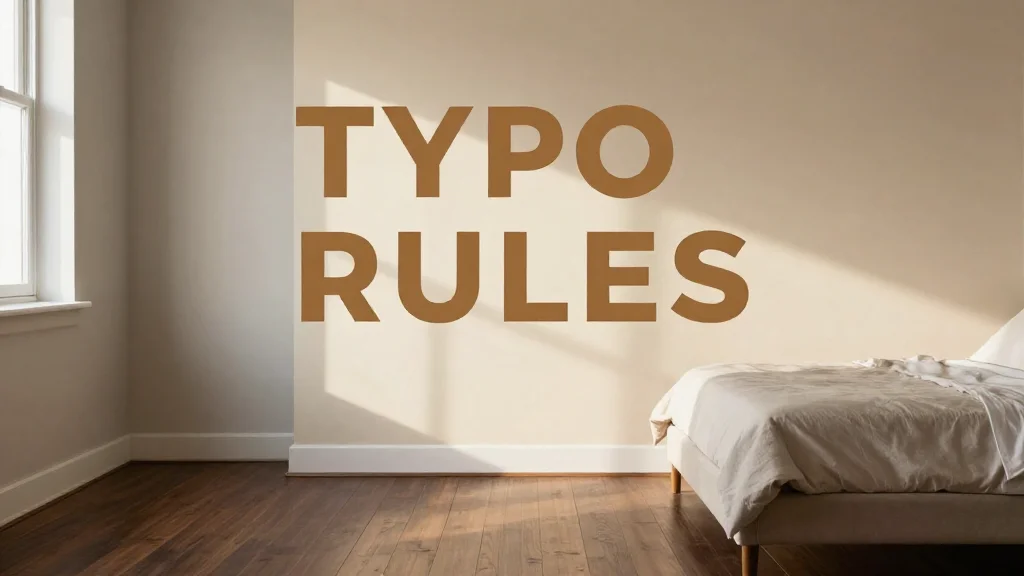
If you're working with design professionals who specialize in optimizing bedroom layouts and material harmony, they can help you test how specific wall colors interact with your chosen floor shade and existing lighting. Paint large sample sections on your walls and observe them throughout the day. What appears sophisticated at noon may feel oppressive at dusk. The goal is creating a cohesive environment where walls and floors work together to expand perceived space rather than compress it.
Furniture Selection and Placement on Dark Hardwood Bedroom Floors
The interplay between dark hardwood floors and furniture determines whether a bedroom feels grounded and luxurious or cramped and oppressive. The key principle is contrast—not fighting the floor's darkness, but strategically balancing it through thoughtful material and color choices. Light-upholstered pieces become essential anchors in this visual equation. A cream or soft gray fabric headboard, for instance, creates immediate visual relief against dark wooden floors, drawing the eye upward and breaking the visual weight that might otherwise dominate the room. This contrast principle extends beyond aesthetics; it fundamentally affects how spacious the bedroom feels.
Wooden furniture deserves careful consideration when paired with dark hardwood flooring. Many homeowners instinctively avoid wood-on-wood combinations, fearing visual monotony, yet medium to light-toned wooden pieces can actually enhance the sophistication of dark floors. A natural oak or whitewashed nightstand creates visual separation while maintaining design cohesion. Conversely, matching your furniture wood to your floor shade—both dark walnut or espresso tones—works beautifully only when the furniture has sufficient visual complexity: carved details, upholstered elements, or mixed materials that prevent the space from feeling like one continuous dark mass.
Placement strategy matters equally. Position your bed to ensure the headboard and upper portions remain visually prominent; avoid pushing all furniture against walls, which can compress the perceived space despite the dark floor's sophistication. Floating nightstands or slender-legged beds maintain sight lines to the floor itself, preventing the furniture from appearing to anchor the room too heavily. Incorporate at least one statement piece with substantial visual interest—perhaps an upholstered bench at the foot of the bed in a jewel tone or patterned fabric—to create focal points that compete with the floor's visual weight rather than surrender to it.
Metal accents and glass surfaces amplify the contrast strategy. Chrome, brushed brass, or matte black metal bed frames introduce reflective or linear visual breaks that interrupt the floor's dominance. A glass-topped side table similarly creates transparency, allowing the eye to rest briefly before returning to the floor's rich texture. When working with design professionals who specialize in optimizing bedroom layouts—such as those at WAREMODEL who understand how material choices affect perceived space—they can help you test furniture arrangements that maximize both functionality and visual balance before committing to placement.
Lighting Design for Dark Hardwood Bedroom Floors
Dark hardwood flooring absorbs light rather than reflecting it, creating an inherent challenge that many designers overlook until the bedroom feels more cave-like than restful. The solution lies not in fighting the floor's visual weight but in strategically layering light sources that compensate for absorption while maintaining the intimate atmosphere these floors naturally encourage. Proper illumination transforms dark floors from a potential liability into a sophisticated anchor that showcases carefully curated lighting design.
The foundation begins with maximizing natural light during daylight hours. Wide-frame windows, sheer curtains that diffuse rather than block sunlight, and strategic mirror placement opposite windows multiply the impact of available daylight. Morning and afternoon light reflecting off mirrors creates visual breathing room that prevents the dark floor from dominating the entire visual field. When evening arrives and natural light fades, your layered artificial lighting system must compensate—bedrooms typically require approximately 100–150 lux for comfortable relaxation, but spaces with dark finishes and matte surfaces should increase lighting levels by 10–20% to overcome light absorption. This means your total bedroom lighting output should reach 1,500–3,000 lumens through a combination of sources rather than relying on a single overhead fixture.
Layered lighting architecture addresses both functional and atmospheric needs. Begin with ambient overhead lighting—a dimmable fixture or recessed lights that provide general illumination without creating harsh shadows across the floor. Add task lighting through bedside table lamps or wall-mounted reading sconces positioned at approximately 16–20 inches from the bed's edge, ensuring that readers achieve sufficient brightness without straining. Accent lighting—such as LED strips behind a headboard, uplighting on architectural features, or spotlights on artwork—draws the eye upward and away from the floor's visual dominance, creating visual interest that competes with rather than surrenders to the dark surface below.
Fixture selection matters significantly. Brass, chrome, or brushed metal lamp bases create reflective surfaces that bounce light across the room rather than absorbing it. Linen or light-colored lampshades diffuse light more effectively than dark shades, which further diminish brightness. When working with design professionals who specialize in comprehensive bedroom transformations—such as those at WAREMODEL who understand how material selections affect lighting performance—they can help you select fixtures that complement both your dark flooring and overall aesthetic while meeting practical illumination standards.
Glass surfaces amplify your lighting strategy's effectiveness. A glass-topped nightstand allows light to pass through rather than stop at the surface, creating transparency that prevents furniture from appearing to anchor the room too heavily. Mirrored accent pieces similarly multiply light distribution throughout the space, subtly lifting the visual weight that dark floors naturally impose.
Rugs and Textiles for Dark Hardwood Bedroom Floors
Rugs and soft furnishings serve as the bridge between the visual weight of dark hardwood and the comfort your bedroom demands. Where dark floors naturally draw the eye downward and anchor the room's visual gravity, thoughtfully selected textiles introduce warmth, texture, and relief that softens this heaviness while adding layers of sophistication to your overall design.
The most immediate benefit of introducing a quality rug is thermal comfort. Dark hardwood, while beautiful, conducts temperature and can feel cold underfoot during morning hours. A layered textile approach—combining a quality rug with soft throws on the bed—creates tactile warmth that invites barefoot walking and encourages the sensory pleasure that transforms a bedroom from merely functional to genuinely inviting. According to Rugs Direct's sizing guidelines, for queen-sized beds an 8'x10' rug is the standard size that should extend 18-24 inches beyond both sides and the foot of the bed, while king-sized beds benefit from a 9'x12' rug. This precise sizing frames the bed as a visual anchor and eliminates tripping hazards—practical benefits that enhance both safety and aesthetic coherence.
Color selection for bedroom rugs with dark hardwood requires restraint and intention. Light-toned rugs—creams, soft grays, pale blues, or warm beiges—create immediate visual contrast that prevents the space from feeling submerged. Medium tones like taupe or warm gray offer a middle ground that feels grounded without surrendering brightness. The rug becomes a visual "breathing room" that gives the dark floor permission to recede rather than dominate. Layering techniques amplify this effect: a neutral base rug anchors the bed, while a smaller accent rug or runner beside the bed adds textural interest without visual clutter.

Beyond the floor, textiles on the bed itself complete the equation. Lightweight linen bedding in whites, soft neutrals, or gentle pastels creates a visual counterpoint that prevents the bedroom from feeling cave-like. Throw pillows in varied textures—linen, velvet, or cotton—add dimensionality without requiring bold colors. A chunky-knit throw draped across the foot of the bed introduces tactile warmth and visual softness that complements rather than competes with dark wood's inherent formality. This layered textile approach is particularly valuable when working with design professionals who understand how material selections influence the perceived atmosphere of a space—such as the comprehensive bedroom transformation services at WAREMODEL, which considers how every textile choice contributes to the overall spatial experience and functional comfort of your remodeled room.
Decor, Art, and Accessories for Dark Hardwood Bedrooms
Strategic use of mirrors and artwork transforms a bedroom with dark wooden floor aesthetics from austere to architecturally compelling. Mirrors function as both design elements and practical light multipliers—a large mirror positioned opposite a window or light source bounces illumination throughout the room, counteracting the light-absorbing quality of dark hardwood. This isn't merely decorative; it fundamentally shifts how the space breathes. A floor-to-ceiling mirror beside the bed or opposite the entry creates perceived depth, making the room feel more expansive while reflecting the carefully curated textile layers that soften the dark floor's visual weight.
Artwork serves as the focal point that prevents dark floors from dominating the visual hierarchy. Paintings, prints, or photography in warm neutrals, soft metallics, or even muted jewel tones create visual anchors that draw the eye upward and away from the floor. Abstract compositions work particularly well, as they introduce subtle color variation without the visual heaviness of representational pieces. When selecting frames, consider natural wood tones that echo the warmth of dark hardwood without competing with it, or opt for white or soft gray frames that create breathing room between the artwork and surrounding walls.
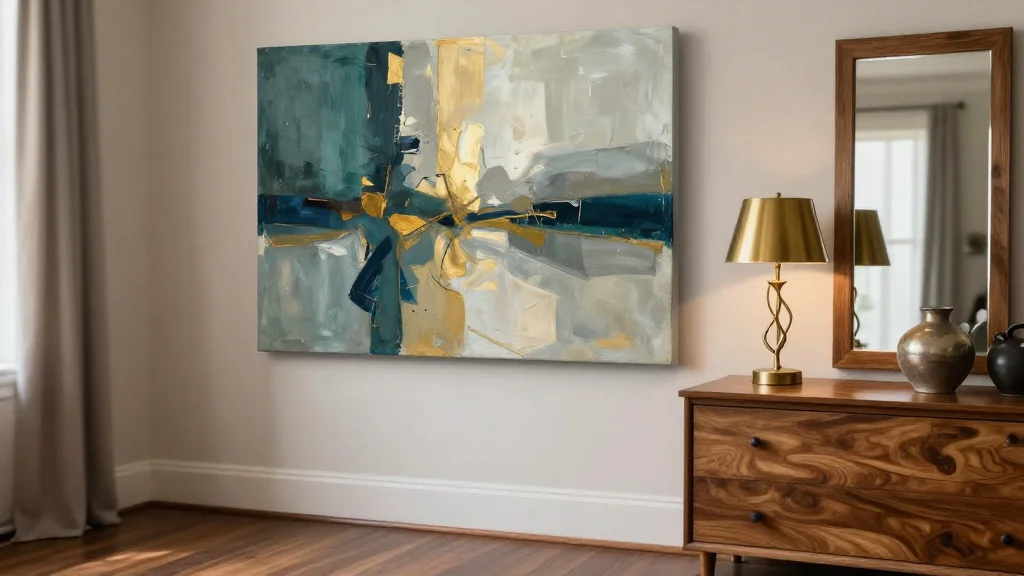
Decorative accessories should follow a principle of intentional restraint. A few carefully chosen pieces—a sculptural table lamp, a ceramic vessel, a framed botanical print—prevent the space from feeling sparse while avoiding the cluttered appearance that small accessories can create against dark backgrounds. Metal accents in brass, bronze, or matte gold add warmth and visual interest without introducing jarring brightness. The key is treating accessories as punctuation marks in the room's design narrative rather than filling empty surfaces. This layered, considered approach to décor is exactly what design-conscious homeowners seek when partnering with comprehensive remodeling services like WAREMODEL, which understands how every decorative choice contributes to a cohesive, livable sanctuary rather than a showroom aesthetic.
Maintenance and Care for Dark Hardwood Bedroom Floors
Dark hardwood flooring demands a commitment to regular maintenance that differs meaningfully from lighter wood surfaces. The visual prominence of dust, pet hair, and footprints on dark floors makes consistent cleaning essential—not merely for aesthetics, but to preserve the wood's integrity and prevent premature wear. Unlike lighter finishes that can mask minor dust accumulation, dark surfaces reveal every particle, which means establishing a reliable cleaning routine becomes non-negotiable for homeowners who choose this sophisticated aesthetic.
Daily and Weekly Care
The foundation of dark hardwood maintenance begins with prevention rather than remediation. A microfiber dust mop or soft-bristled broom should become part of your daily routine, capturing surface debris before it accumulates or scratches the finish. Weekly vacuuming with a hardwood-specific attachment—never a beater bar, which can damage the surface—removes particles that settle into grain patterns and corners. For spills, immediate blotting with a dry cloth prevents moisture from seeping into wood joints; never allow liquids to sit, as dark finishes can show water marks prominently. A pH-neutral hardwood cleaner applied sparingly to a damp (not wet) mop completes weekly maintenance without leaving residue that dulls the finish.
Protective Measures and Long-Term Preservation
Area rugs serve dual purposes in protecting dark hardwood bedrooms—they reduce visible dust accumulation while shielding high-traffic zones from wear patterns. Felt pads beneath furniture legs prevent scratching and allow easier repositioning during seasonal décor updates. Direct sunlight causes uneven fading on dark wood, so UV-filtering window treatments protect both the floor's color consistency and your bedroom's overall design coherence.
Refinishing represents the ultimate maintenance commitment. Hardwood floors should be refinished every 7 to 10 years, or whenever you notice deep scratches, dullness, or worn areas that cleaning cannot fix. According to HomeGuide's refinishing cost analysis, the timeline typically ranges from 2 to 6 days depending on floor size and finish coats. While this requires temporary bedroom displacement, the investment pays dividends—the National Association of Realtors documented that refinishing hardwood floors recovered 147% of project costs at resale, outperforming nearly all other interior improvements.
For homeowners overwhelmed by the coordination between dark floors, wall colors, furniture placement, and protective finishes, partnering with a comprehensive remodeling service like WAREMODEL simplifies the entire ecosystem. Rather than managing separate contractors for flooring, design, and maintenance guidance, integrated remodeling solutions ensure that every element—from initial floor selection through long-term care protocols—works cohesively to preserve your investment while maximizing livable space.
Bedroom Design Examples with Dark Hardwood Floors
Real-world bedroom design scenarios demonstrate how dark hardwood floors function within different aesthetic frameworks. These concrete examples translate abstract design principles into actionable inspiration, showing homeowners exactly how furniture, color, and lighting work together to create cohesive, inviting spaces.
Modern Minimalist Bedroom: A contemporary bedroom with espresso-dark hardwood floors pairs seamlessly with soft white walls and a low-profile platform bed in natural oak or light gray upholstery. Stainless steel or brushed nickel fixtures replace ornate hardware. The design strategy here emphasizes negative space—minimal furniture, clean lines, and strategic accent lighting from recessed ceiling fixtures or a single sculptural pendant. A single area rug in cream or pale gray anchors the bed, while metallic mirrors reflect overhead light without competing visually with the floor's natural depth. This approach prevents the dark flooring from overwhelming the bedroom, instead positioning it as a grounding architectural element rather than a visual anchor.
Traditional Transitional Bedroom: This scenario pairs rich mahogany or walnut-toned dark hardwood floors with warm beige or soft taupe walls, creating a sophisticated middle ground between period authenticity and contemporary comfort. A substantial upholstered bed with turned legs, paired with matching nightstands in complementary wood tones, establishes visual weight that balances the floor. Layered lighting—bedside table lamps, a statement chandelier, and recessed overhead lighting—ensures the room feels warm rather than cave-like. A Persian or traditional-patterned area rug in jewel tones (deep burgundy, navy, or forest green) adds richness while defining the sleeping zone. This configuration works exceptionally well for homeowners who want bedroom ideas with hardwood floors that feel established and timeless without appearing dated.
Scandinavian-Inspired Bedroom: Dark hardwood floors contrast brilliantly against pure white or soft gray walls, with furniture in light birch, whitewashed oak, or pale ash wood. The visual tension between dark flooring and light furnishings creates dynamic interest without clutter. Layered textiles—a white linen duvet, cream wool throws, and a geometric gray-and-white area rug—soften the floor's visual weight while maintaining the aesthetic's characteristic simplicity. Pendant lights with simple linen shades and a single piece of abstract wall art complete the look. This design proves that dark hardwood floors need not feel heavy; the right material contrast and lighting strategy elevate them into sophisticated focal points.
Eclectic Bohemian Bedroom: This approach embraces visual richness, pairing dark hardwood floors with warm terracotta, mustard, or deep sage walls. A vintage-inspired bed frame combined with mixed wood nightstands creates intentional visual variety. Multiple light sources—string lights, brass floor lamps, and bedside sconces—create ambient warmth that prevents darkness from dominating. Layered area rugs in warm tones, macramé wall hangings, and curated artwork transform the dark floor into a grounding element that anchors an otherwise eclectic composition. This scenario demonstrates that dark hardwood floors work as successfully in maximalist interiors as they do in minimalist ones—the key is intentional balance across all design layers.
For homeowners struggling to envision how these principles apply to their specific space, comprehensive remodeling services like WAREMODEL simplify the coordination between flooring selection, wall preparation, and design implementation. Rather than assembling disparate vendors, integrated remodeling solutions ensure that every bedroom design example translates seamlessly from inspiration to finished reality.
Common Mistakes to Avoid When Designing Dark Hardwood Bedrooms
The sophistication of dark hardwood bedroom floors can quickly transform into visual heaviness when common design missteps accumulate. Understanding these pitfalls before they materialize in your space separates thoughtfully designed bedrooms from those that feel oppressive and uninviting.
Insufficient Lighting Creates Perpetual Gloom
The most frequent error homeowners make is underestimating how dramatically dark hardwood floors absorb light. A bedroom that relies solely on a single overhead fixture or bedside lamps will feel dim and cave-like, regardless of wall color or furniture quality. The remedy requires a layered lighting strategy: ambient ceiling fixtures paired with task lighting at the bedside, accent wall sconces, and strategically positioned floor lamps that direct light upward to bounce off ceilings and walls. Without this intentional illumination design, even a beautifully selected dark floor becomes a liability rather than an asset.
Pairing Dark Floors with Dark Furniture Creates Visual Collapse
The instinct to coordinate—selecting dark furniture to "match" dark hardwood—creates a monochromatic void that drains spatial definition from your bedroom. When the floor, bed frame, and dressers all exist in similar dark tones, the room loses dimensionality and feels smaller than its actual square footage. Introduce contrast through lighter upholstery, natural wood nightstands in medium or honey tones, or painted furniture in soft whites and creams. This deliberate contrast anchors the dark floor as a grounding element rather than allowing it to dominate the entire visual hierarchy.
Neglecting Adequate Area Rugs
Dark hardwood floors demand substantial rug coverage to prevent a sparse, echoing aesthetic. Undersized rugs—those that don't extend at least two feet beyond the bed frame on either side—leave too much exposed flooring and make the space feel cold and disconnected. A properly scaled rug (typically 8×10 or larger for master bedrooms) creates a visual anchor that unifies furniture placement and introduces warmth. This textile bridge between dark floor and furnishings is non-negotiable for achieving comfort.
Poor Color Coordination Between Walls and Flooring
Selecting wall colors without considering their interaction with dark hardwood creates discord that undermines the entire design. Cool grays paired with dark floors can feel institutional; overly warm taupes can become muddy and depressing. The solution lies in testing paint samples in your actual bedroom lighting at different times of day, ensuring your wall choice either provides sufficient contrast (lighter, brighter tones) or intentional warmth (soft creams, pale warm grays). When working with a design professional or integrated remodeling service like WAREMODEL, this color coordination happens in tandem with flooring selection rather than as an afterthought, ensuring visual harmony from conception.
Overlooking Texture and Pattern Introduction
A bedroom with dark hardwood floors, neutral walls, and solid-colored furniture can feel flat and lifeless. The absence of visual interest—patterned bedding, textured throws, layered artwork—leaves the dark floor as the only focal point, which intensifies its visual weight. Introduce patterned area rugs, woven wall hangings, or artwork with varied tones to create visual richness that prevents the dark floor from dominating perception.
Avoiding these mistakes requires intentional planning across lighting, furniture selection, color coordination, and textile layering. Each decision compounds the others, making early consultation with design expertise invaluable for translating inspiration into a bedroom that feels both luxurious and genuinely livable.
Transform Your Bedroom with Confident Dark Hardwood Floor Design
Dark hardwood floors represent far more than a aesthetic choice—they embody a design philosophy that prioritizes enduring elegance and intentional spatial planning. When executed thoughtfully, these floors create a sophisticated foundation that elevates the entire bedroom experience, transforming how you inhabit and perceive your personal retreat. The key to success lies not in the floors themselves, but in the coordinated decisions that surround them: the interplay of lighting that counteracts the visual weight of dark wood, wall colors that either provide contrast or intentional warmth, and furniture placement that grounds the space rather than overwhelming it.
The principles underlying successful dark hardwood bedroom design cluster around balance and intentionality. Strategic lighting—layered with ambient, task, and accent sources—ensures your room never feels dim or oppressive despite the light-absorbing properties of dark wood. Wall colors demand equal consideration; lighter, brighter tones create visual relief and prevent the room from feeling cave-like, while carefully selected warm neutrals can enhance the inherent richness of the flooring. Furniture selection and placement determine whether the space feels grounded and luxurious or cramped and heavy. Rugs, textiles, and carefully curated decor introduce visual texture and break the monotony that can plague dark floors without layering. Meanwhile, a commitment to regular maintenance protocols—understanding that dark hardwood requires different care than lighter alternatives—ensures your investment remains beautiful for decades.
When approaching a bedroom redesign with dark hardwood floors, working with design professionals who understand how these elements function together produces superior results. WAREMODEL's innovative remodeling approach integrates these considerations from conception, ensuring that your dark hardwood floors become the grounding element of a cohesive, livable bedroom rather than a design liability. The difference between a bedroom that feels luxurious and one that feels claustrophobic often comes down to whether these coordinated decisions happen simultaneously or sequentially—and whether expert guidance shapes them from the start.
Your bedroom deserves design that works as hard as you do. Consulting with remodeling specialists who understand dark hardwood floor design ensures that every subsequent choice—from paint to lighting to furniture arrangement—compounds toward a space that is genuinely beautiful and truly functional.